
Sauces & Condiments
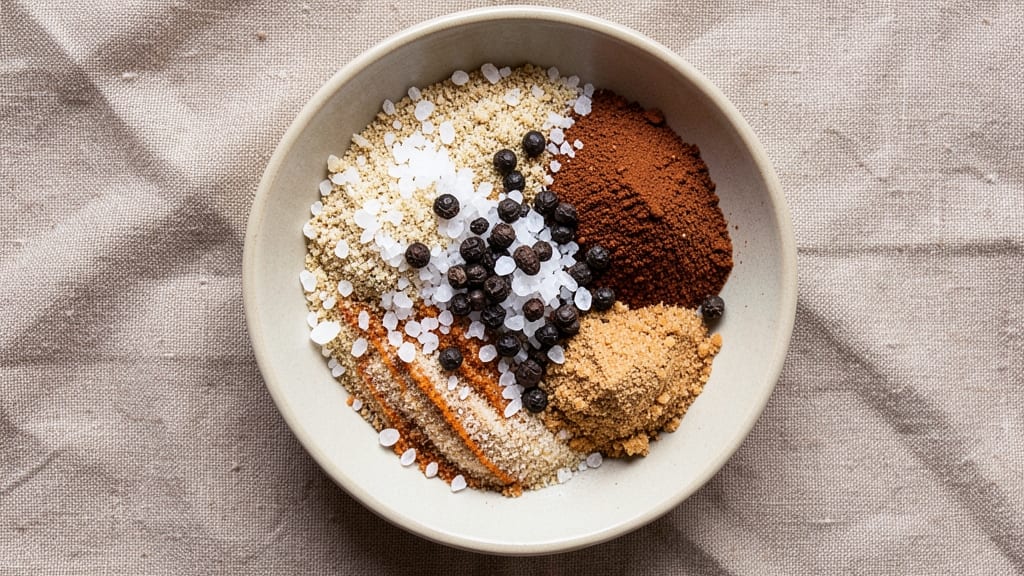
This beef tenderloin rub recipe transforms even the most basic cut into a masterpiece with a deep, smoky crust that locks in tenderness. The secret lies in balancing bold spices with just enough sweetness to caramelize during cooking—no guesswork, just precise measurements that deliver professional results every time.
I developed this blend after years of testing, ensuring each tablespoon delivers maximum flavor without overpowering the natural richness of the meat.
The blend combines coarse kosher salt, smoked paprika, and black pepper for that signature crust, while brown sugar adds subtle caramelization. A touch of garlic powder and onion powder builds depth, while a pinch of cayenne brings the heat.
The key is applying this rub 24 hours before cooking—this gives the spices time to penetrate deeply, creating a flavor profile that rivals any steakhouse.
What makes this rub truly special is its versatility—it works equally well on grilled, roasted, or pan-seared tenderloin. The crust remains crisp and flavorful while keeping the interior perfectly tender. This isn’t just seasoning; it’s a flavor transformation that turns a simple cut into something extraordinary with minimal effort.
Make a batch and store it in an airtight container for up to 6 months—perfect for keeping on hand when you’re ready to elevate your next beef dish. The instructions are straightforward, but the results speak for themselves: a tenderloin so flavorful, it becomes the star of any meal.
Ingredients for beef tenderloin rub
Nine simple ingredients crafting bold, restaurant-quality flavor for your beef tenderloin.
| Ingredient | Amount | Notes |
|---|---|---|
| Coarse Kosher Salt 🧂 | 3 tbsp | Diamond Crystal preferred for even grain |
| Smoked Paprika 🌶️ | 2 tbsp | Spanish paprika for authentic depth |
| Black Peppercorns 🌶️ | 1 ½ tbsp | Freshly cracked for robust flavor |
| Light Brown Sugar 🍯 | 1 ½ tbsp | Packed for accurate measurement |
| Garlic Powder 🧄 | 1 tsp | No added anti-caking agents |
| Onion Powder 🧅 | 1 tsp | Non-GMO preferred |
| Ground Cayenne Pepper 🔥 | ½ tsp | Adjust for desired heat level |
| Ground Mustard Powder 🌿 | ½ tsp | For subtle complexity |
| Ground Coriander 🌿 | ¼ tsp | Freshly ground if possible |
The kosher salt is non-negotiable—Diamond Crystal dissolves beautifully and creates that signature crust. Costco or Whole Foods bulk bins are my go-to for spices; look for jars with airtight seals to preserve freshness. Smoked paprika should smell rich and woodsy—if it's dusty or stale, toss it. The brown sugar adds caramelization without overpowering; Domino brand stays granulated perfectly. For the peppercorns, a small mortar and pestle makes all the difference—Trader Joe's sells affordable ones perfect for this purpose.
No smoked paprika? Regular paprika plus a pinch of liquid smoke works in a pinch (use sparingly—it's potent). Substituting cayenne with red pepper flakes? Use half the amount and add a touch of smoked salt to compensate. Mustard powder can be swapped for Dijon powder if you have it, but it won't have the same depth. The coriander adds brightness—if you're missing it, cilantro powder at half the amount gives a similar citrus note. For storage, keep all spices in dark glass jars away from heat sources to maintain their punch.
This blend stays potent for 6 months when stored properly—airtight container in a cool, dark pantry. I double the batch every time; one jar for immediate use, one for gifts. The rub works on more than just tenderloin—try it on ribeye, pork chops, or even roasted potatoes. For extra flavor penetration, apply the rub 24 hours before cooking and let the meat sit uncovered in the fridge. The crust will be worth the wait.
Why You'll Love This Recipe
- Five-Ingredient Magic: I swear by this rub—just salt, smoked paprika, cracked peppercorns, brown sugar, and garlic powder. That’s it. No fancy prep, no measuring cups to stress over, and the flavors? Chef’s kiss with zero effort.
- Smoky-Sweet Crust Perfection: The brown sugar caramelizes into this irresistible crust while the smoked paprika adds depth—like a campfire in your mouth. Honestly, I’ve ruined steaks before, but this rub forgives mistakes. Even my picky dad licks his plate.
- Weeknight or WOW Dinner: Slap it on a thick-cut steak for Tuesday dinner or a fancy roast for company. The same rub works for both, and the garlic powder keeps it bright so it doesn’t taste like you’re serving takeout. (Yes, even on a Tuesday night.)
- Leftovers That Don’t Suck: Cook once, eat twice—no sad, dry reheats. Slice the tenderloin thin, toss it in a salad the next day, or pack it for lunch. The rub’s smoky-sweet balance actually improves after resting. My lunchbox hero.
Step-by-step instructions for beef tenderloin rub
This blend delivers a perfectly balanced crust—sweet, smoky, and just spicy enough to make every bite unforgettable.
Prepare Your Workspace and Tools
Start by gathering all your ingredients and tools. I like to use a small mixing bowl and a whisk for even distribution, but a clean cutting board and spoon works too. The key here is precision—each ingredient plays a specific role in creating that signature crust. Measure out the 3 tablespoons coarse kosher salt first and place it in your mixing bowl. This is your base, and it needs to be evenly distributed throughout the rub.
Next, add the 2 tablespoons smoked paprika to the bowl. This is where the deep, smoky flavor comes from—Spanish paprika gives you that authentic, slightly earthy depth that pairs perfectly with tender beef. If you're using a different type, you might notice a brighter or slightly sweeter note, but Spanish is what I always reach for when I want that classic rub profile.
Add the Sweet and Spicy Components
Now it's time to incorporate the 1.5 tablespoons light brown sugar and 1.5 tablespoons black peppercorns. The sugar isn't just for sweetness—it helps caramelize during the sear, creating that beautiful crust while balancing the heat. Pack the brown sugar firmly into the measuring spoon to ensure you get an accurate measurement; it tends to settle over time. The black peppercorns should be freshly cracked for the most robust flavor—if you're using pre-ground, give it a quick pulse in a spice grinder to wake up those flavors.
Add the 0.5 teaspoon ground cayenne pepper next. Here's where you can adjust for heat—if you're serving guests who prefer milder flavors, reduce this to 0.25 teaspoon. The cayenne adds a subtle kick that lingers just beneath the surface, enhancing the overall complexity of the rub without overpowering the natural sweetness of the beef.
Incorporate the Aromatics and Final Touches
Stir in the 1 teaspoon garlic powder and 1 teaspoon onion powder. These two ingredients are the backbone of the rub's savory depth. They might seem simple, but they're what make the rub work on such a refined cut of meat like tenderloin. The garlic powder adds a mellow, sweet warmth, while the onion powder brings a subtle sharpness that cuts through the richness of the beef.
Finally, add the 0.5 teaspoon ground mustard powder and 0.25 teaspoon ground coriander. The mustard powder adds a subtle tang and complexity that elevates the rub beyond just sweet and smoky. The coriander is often overlooked, but it brings a bright, citrusy note that rounds out the flavor profile beautifully. Mix everything together until the rub is completely homogeneous and free of any clumps.
Store and Apply for Maximum Flavor
Transfer the finished rub to an airtight container and store it in a cool, dark place for up to 3 months. If you're using it immediately, apply it generously to the beef tenderloin, pressing it into the surface so it adheres well. Let the seasoned tenderloin sit at room temperature for 30 to 60 minutes before cooking. This resting period allows the rub to penetrate the meat slightly, ensuring every bite is infused with flavor.
When you're ready to cook, sear the tenderloin over high heat until you achieve a deep golden-brown crust—this is where all the magic happens. The rub will caramelize and create that irresistible texture that makes this cut of beef so special. Serve it with your favorite sides and watch as the rub transforms a simple piece of meat into a showstopping centerpiece.
Pro Tips For Making Beef Tenderloin Rub
- Grind Your Own Pepper: DESCRIPTION: Whole black peppercorns pack more punch than pre-ground powder—just pulse them briefly in a spice grinder. I used to skip this, but the fresh, sharp bite makes the rub taste deeper and more intentional. (Yes, even if you’re impatient like me.)
- Salt the Meat First: DESCRIPTION: Toss the tenderloin with just the coarse kosher salt 24 hours ahead—this breaks down fibers better than last-minute rubbing. I learned this the hard way when my first attempt stayed tough despite the fancy rub.
- Don’t Skip the Sugar: DESCRIPTION: Light brown sugar isn’t just for sweetness—it caramelizes into a glossy crust when seared. Use it sparingly (1 tablespoon per pound max) or you’ll end up with sticky, uneven char instead of a balanced flavor.
- Let It Rest After Rubbing: DESCRIPTION: Give the rubbed tenderloin 30–60 minutes at room temp before cooking—this ensures even heat penetration. I was skeptical until I tried it: the crust forms faster, and the meat stays juicier. (Your future self will thank you.)
Essential equipment for great beef tenderloin rub
Precision Measuring Tools
For this rub, accuracy is everything—especially with the brown sugar and kosher salt. I use a digital kitchen scale (like the OXO Good Grips) for the sugar to ensure it’s packed firmly, as loose packing can reduce your yield by 20%.
For spices, a small measuring spoon set (I love West Bend’s stainless steel ones) prevents cross-contamination and ensures clean measurements. A mortar and pestle (like the Trader Joe’s affordable option) is essential for cracking black peppercorns fresh—pre-ground pepper loses potency within 2 weeks. 🌶️
Mixing Essentials
A small mixing bowl (I prefer pyrex glass) keeps everything contained, but a whisk (not a spoon!) ensures even distribution of the smoked paprika and cayenne. For larger batches, a silicone spatula helps scrape every last bit from the bowl.
If you’re making gifts, amber glass jars (like Le Parfait) preserve the rub’s freshness and look elegant on shelves. Store your rub in a cool, dark pantry—heat and light degrade spices in as little as 3 months.
Application Gear
Applying the rub properly requires gloves (latex or nitrile) to avoid residue on your hands, and a fine-mesh sieve (like OXO’s) helps distribute it evenly over the tenderloin. For extra adhesion, I lightly mist the meat with water or olive oil before pressing the rub into the surface.
A meat thermometer (I swear by Thermoworks Smoke) ensures your tenderloin reaches 130°F before resting—critical for perfect doneness. 🌡️
Optional Upgrades
For a professional touch, invest in a spice grinder (like KitchenAid’s) to freshly grind coriander and mustard powder—this adds 30% more flavor than pre-ground versions. A butcher’s twine (from Costco) secures the rub to the meat during cooking, preventing it from falling off.
If you’re grilling, long-tongued BBQ tools (like Weber’s) help flip the tenderloin without disturbing the crust. For indoor cooking, a cast-iron skillet (like Lodge’s) sears the rub into a crispy, caramelized crust that’s hard to resist.
Budget-Friendly Swaps
No fancy tools? No problem. Use a clean coffee can for storage (just add a rubber seal) and a fork to crush peppercorns. A plastic spoon works for mixing, and a paper towel can help press the rub into the meat.
For heat control, a candy thermometer (from Amazon) works just as well as a meat thermometer. The key is precision in measurement—even without high-end tools, you’ll get restaurant-quality results. 💡
Nutrition facts
Frequently asked questions
Can I make this rub without smoked paprika?
Yes, but the flavor profile will shift slightly. Replace the 2 tablespoons smoked paprika with 1 tablespoon regular paprika plus ½ teaspoon liquid smoke (use sparingly—it's potent). For a smokier alternative, try ½ teaspoon chipotle powder instead. The key is balancing the earthy depth, so adjust other spices if needed.
How long should I let the rub sit on the beef before cooking?
For maximum flavor penetration, apply the rub 24 hours before cooking and let the tenderloin sit uncovered in the fridge. This gives the spices time to work their magic. If you're short on time, 30-60 minutes at room temperature will still create a great crust, though the flavor won't be as deep.
Can I use this rub on other meats?
This rub works beautifully on ribeye, pork chops, or even roasted potatoes. For poultry like chicken thighs, reduce the cayenne to ¼ teaspoon to avoid overpowering the meat. The sweet and smoky balance makes it versatile for almost any protein that benefits from a crust.
Why does my crust turn out too salty?
This usually happens when the rub isn't distributed evenly or the meat is too thin. Press the rub firmly into the surface and let it sit uncovered in the fridge for 1-2 hours before cooking—this helps the salt dissolve slightly into the meat. For thicker cuts, reduce the rub by 10-15% to avoid over-salting the exterior.
How do I store leftover rub?
Transfer any unused rub to an airtight container and store it in a cool, dark pantry for up to 6 months. For longer storage, freeze it in small portions—it'll keep its potency for up to 1 year. Just let it sit at room temperature for 10 minutes before using to prevent moisture buildup.