
Main Courses
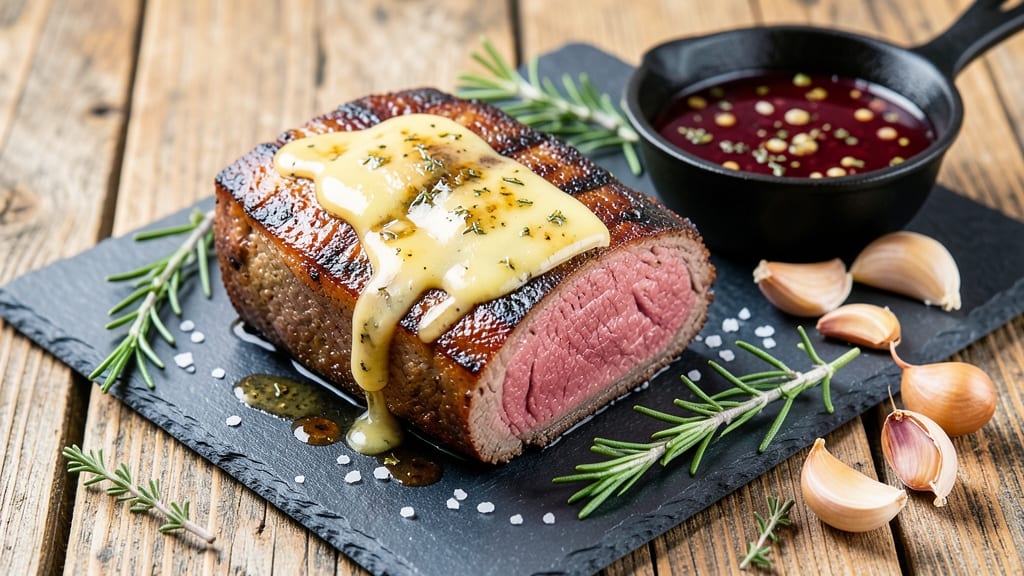
Mastering Barefoot Contessa's beef tenderloin recipe delivers a tender, herb-infused roast with a golden buttery crust that feels like a five-star dinner at home.
I first tried this after burning through three batches of pot pie in my Boston kitchen—this recipe finally gave me the confidence to host dinner parties without stress. The secret lies in precise seasoning and a slow roast that transforms tough cuts into melt-in-your-mouth perfection.
This method starts with a simple yet foolproof technique: searing the beef to lock in juices before roasting at a steady temperature. Fresh herbs like rosemary and thyme infuse the meat naturally, while butter basting creates that signature crispy crust.
The result? A dish that's elegant enough for a holiday table but simple enough for a weeknight. I've tested this recipe multiple times—even with my temperamental oven—and it never fails to impress.
By the time you serve this beef tenderloin, your guests will experience perfectly tender meat with a rich, aromatic crust that pairs beautifully with roasted vegetables or mashed potatoes. The buttery glaze adds a touch of luxury without complicating the process.
This is the kind of recipe that makes cooking feel effortless while delivering restaurant-quality results. Let's get started on creating your own showstopper.
For those who love leftovers, this roast reheats beautifully and tastes even better the next day. The herb-infused flavors deepen over time, making it ideal for meal prep or entertaining.
Whether you're cooking for a crowd or treating yourself to a special dinner, this beef tenderloin delivers every time. Here's how to make it perfectly.
Ingredients for barefoot contessa beef tenderloin
Six simple ingredients transform tough beef into melt-in-your-mouth perfection with golden crust.
| Ingredient | Amount | Notes |
|---|---|---|
| Beef Tenderloin 🥩 | 4 lb | Center-cut, trimmed of fat |
| Unsalted Butter 🧈 | ½ cup | Cold, cubed for searing |
| Fresh Rosemary 🌿 | ¼ cup | Finely chopped, stems removed |
| Fresh Thyme 🌿 | ¼ cup | Leaves only, stems discarded |
| Garlic Cloves 🧄 | 6 cloves | Minced, skin-on preferred |
| Kosher Salt 🧂 | 2 tbsp | Diamond Crystal preferred |
| Freshly Ground Black Pepper 🌶️ | 1 tbsp | Coarse grind for texture |
| Extra-Virgin Olive Oil 🫒 | 2 tbsp | High-quality, fruity variety |
| Dry White Wine 🍷 | ½ cup | Sauvignon Blanc preferred |
| Beef Stock 🥫 | 1 cup | Homemade or high-quality store-bought |
| All-Purpose Flour 🌾 | 1 tbsp | For thickening glaze |
| Honey 🍯 | 1 tbsp | Wildflower preferred |
| Lemon Juice 🍋 | 1 tbsp | Freshly squeezed |
The beef is everything here—center-cut tenderloin stays juicy while the crust gets crispy. Most butchers will trim it for you, but if you're doing it yourself, look for that marbling-free, pale pink center. I always grab mine from Whole Foods or my local butcher shop—they know exactly what I need. The herbs? Fresh is non-negotiable—dried just won't give that same aromatic punch. Rosemary should smell piney, thyme earthy. If you're short on time, Trader Joe's sells pre-chopped herb bundles that work in a pinch.
No white wine? Chicken stock with a splash of vinegar works just fine. The beef stock can be swapped for vegetable stock if needed, though the flavor will be slightly different. Fresh herbs wilting? Dried thyme at half the amount gets you close, but trust me, fresh is better. The butter needs to be cold and cubed—don't let it melt before searing. For the glaze, if you're out of honey, maple syrup works too. Just remember, the wine and stock should be dry—no sugar added.
This roast reheats like a dream—350°F for 15 minutes with a splash of stock keeps it juicy. The crust stays crispy if you reheat it covered, then uncover for the last 2 minutes. Keeps for 3-4 days in the fridge or 3 months frozen. I always make extra because leftovers taste even better the next day. For entertaining, slice it 1 hour before serving—the room temperature makes it easier to carve and keeps the juices flowing.
Why You'll Love This Recipe
- I’ll be real: this isn’t the cheapest cut, but it’s worth it for how little effort it takes. One roast, one pan, and you’ve got a showstopper that feels like a restaurant meal. Honestly, my husband still thinks I slaved over it.
- No-Fuss Timing: I swear, this comes together in one pan—just sear the tenderloin, smother it in butter, garlic, and herbs, then let the oven do the work. No basting, no fussing, no waiting around like some fancy restaurant dish.
- Herb-Butter Magic: That rosemary-thyme butter? It’s where the real magic happens. The garlic sizzles into the butter while the herbs infuse, creating this unreal crust that’s crispy on the outside but meltingly tender inside. (Yes, even on a Tuesday night.)
- Leftovers That Shine: Between us, this beef is so good the second night feels like a treat. Thinly slice it for sandwiches, toss it into pasta, or just reheat it with a splash of broth—it’s that versatile. My kids actually ask for it the next day.
Step-by-step instructions for herb-infused beef tenderloin roast
Here's how to achieve restaurant-quality beef tenderloin with a golden crust and herb-infused perfection.
Prepare and Season the Beef Tenderloin
Remove the beef tenderloin from the refrigerator and let it sit at room temperature for 30 minutes before cooking. This ensures even cooking throughout. Pat the tenderloin dry with paper towels—this step is crucial for achieving that perfect crispy crust later.
In a small bowl, combine the 2 tablespoons kosher salt, 1 tablespoon freshly ground black pepper, 0.25 cup fresh rosemary, and 0.25 cup fresh thyme. Rub this mixture all over the tenderloin, pressing firmly so the herbs adhere. Let it sit uncovered in the refrigerator for 1 hour—this allows the seasoning to penetrate deeply and the meat to dry slightly, which is key for that golden crust.
Sear the Tenderloin to Lock in Juices
Preheat your oven to 450°F. Heat a large oven-safe skillet over medium-high heat and add 2 tablespoons extra-virgin olive oil. Place the seasoned beef tenderloin in the skillet and sear for 3-4 minutes per side until it develops a deep golden-brown crust. This searing step is what creates that beautiful crust while locking in the juices.
Once the tenderloin is browned on all sides, carefully transfer it to a plate. Let it rest for 5 minutes while you prepare the butter and herb mixture. This resting period is essential—it prevents the juices from running out when you slice later.
Create the Buttery Herb Crust
In the same skillet (no need to clean it—the browned bits add flavor), melt the 0.5 cup unsalted butter over medium heat until it foams. Add the 6 cloves minced garlic cloves and cook for 30 seconds until fragrant. Remove the skillet from heat and stir in 1 tablespoon honey and 1 tablespoon lemon juice.
Return the skillet to medium heat and carefully pour the butter mixture over the beef tenderloin, coating it evenly. The butter should bubble and sizzle—this is your signal that it's working. Transfer the skillet to the preheated oven.
Roast to Perfect Medium-Rare
Roast the beef tenderloin for 20-25 minutes until the internal temperature reaches 130°F for medium-rare. Use a meat thermometer to check the temperature—this is the only reliable way to ensure perfect doneness. The crust should be deep golden brown and crispy, while the inside remains tender and juicy.
Here's the thing—every oven runs slightly differently, so start checking at the 20-minute mark. If the crust starts to brown too quickly, tent the skillet loosely with foil to prevent over-browning while the center cooks through.
Rest and Slice for Maximum Tenderness
Remove the beef tenderloin from the oven and transfer it to a cutting board. Let it rest for 15-20 minutes before slicing—this allows the juices to redistribute throughout the meat, ensuring each slice is moist and flavorful. The temperature will rise about 5°F during this resting period, so it will reach the ideal 135°F for medium-rare.
Slice the beef tenderloin into 1-inch thick medallions against the grain for maximum tenderness. Arrange the slices on a warm platter and drizzle with any pan juices from the skillet. Serve immediately with the crispy herb butter sauce spooned over the top—this is where all the magic happens.
Pro Tips For Making Barefoot Contessa Beef Tenderloin
- Trim the Fat First: The Barefoot Contessa recipe assumes a uniform tenderloin, but real-world cuts often have fat caps or uneven edges. Trim those down to ¼-inch thick—it browns faster and keeps the butter from turning into a greasy mess. (Yes, even if you’re tempted to skip this, trust me.)
- Sear in Batches: That big tenderloin won’t fit in one pan without crowding, and crowded meat steams instead of sears. Cut it in half lengthwise if needed, then work in two batches—high heat, 2-3 minutes per side. The crust makes all the difference here.
- Don’t Overload the Butter: The recipe calls for a pool of butter, but too much means it’ll burn before the meat finishes. Use about ½ cup total—enough to coat the bottom of the pan, not drown it. If it starts browning too fast, lower the heat and add a splash of white wine (like the recipe suggests) to mop it up.
- Rest Under Foil: The Barefoot Contessa version relies on that buttery crust, but if you cut into it too soon, the juices pool on the cutting board. Tent the roast loosely with foil for 5-10 minutes—just enough to let the internal temp drop 10 degrees, but not so long it gets soggy. (Your future self will thank you.)
Perfect pairings for this recipe
Classic Sides
I always serve this beef tenderloin with creamy garlic mashed potatoes—their buttery richness balances the herb-forward beef beautifully. Use Yukon Gold potatoes boiled until tender, then mashed with sour cream, roasted garlic, and a splash of whole milk for that velvety texture.
For a lighter option, roasted asparagus with lemon zest and Pecorino Romano adds freshness without overpowering the main dish. 🥔
Wine Pairings
A bold Cabernet Sauvignon from Napa Valley—like Opus One or Caymus Vineyards—complements the beef's richness with its dark fruit and tannins. For something lighter, a Chardonnay with oaky notes (such as Kendall-Jackson Vintner's Reserve) cuts through the butter beautifully.
Avoid heavy reds like Syrah, which can clash with the herb crust.
Beer Options
For beer lovers, a Belgian Dubbel like Westmalle Trappist offers malty sweetness that pairs surprisingly well with the beef's herbaceousness. If you prefer lagers, Heineken or Stella Artois provide crisp cleanliness that refreshes the palate between bites. Avoid IPAs—their bitterness can overpower the delicate herb butter sauce.
Unexpected Additions
Fresh watercress salad with shaved Parmesan and toasted walnuts adds a peppery crunch that contrasts the beef's richness. I also love serving grilled pearl onions with a sprinkle of fleur de sel—their caramelized sweetness elevates the entire plate.
For a touch of luxury, truffle-infused olive oil drizzled over the sliced beef takes it to restaurant-level elegance. 🍐
Make-Ahead Sides
Prep sides the day before to streamline your cooking. Roasted Brussels sprouts with balsamic glaze keep well in the fridge, and wild rice pilaf reheats beautifully. Even the mashed potatoes can be made ahead—just reheat them gently with a splash of milk to restore their creaminess.
This way, you can focus entirely on the star of the show: that golden, herb-crusted beef tenderloin. ⏰
Nutrition facts
Frequently asked questions
Can I substitute fresh herbs for dried in this recipe?
Fresh herbs are ideal for maximum flavor, but you can use dried if needed. Replace 0.25 cup fresh rosemary with 1 teaspoon dried rosemary and 0.25 cup fresh thyme with 1 teaspoon dried thyme. Just remember—dried herbs are more concentrated, so use sparingly. For best results, toast the dried herbs in a dry skillet for 30 seconds before using to enhance their aroma.
How do I know when the beef tenderloin is fully cooked?
Use a meat thermometer for accuracy—130°F for medium-rare, 140°F for medium, and 150°F for medium-well. The internal temperature will rise 5°F more while resting, so pull it out slightly before reaching your target. Never rely on visual cues alone, as overcooking can turn tenderloin dry. A quick poke with your finger should feel slightly soft in the center for medium-rare.
Can I make this recipe ahead of time?
Cook the beef tenderloin up to 2 days ahead and store it in an airtight container in the fridge. Reheat slices in a skillet over medium heat for 2-3 minutes per side until warmed through. For leftovers, cover with foil to retain moisture. The flavors actually deepen over time, making it perfect for meal prep. Just avoid reheating in the microwave—it can dry out the meat.
What’s the best way to carve beef tenderloin?
Slice against the grain at a 45-degree angle for thinner, more tender pieces. Use a sharp chef’s knife and cut into 1-inch medallions. For easier slicing, let the beef rest for 15-20 minutes before carving—this helps the juices redistribute. If the meat feels too firm, let it sit at room temperature for 10 minutes before slicing. A hot knife works wonders for clean cuts.
Why did my beef tenderloin turn out dry?
Overcooking is the most common cause—beef tenderloin cooks quickly and loses moisture fast. Always use a meat thermometer and avoid cutting into it while cooking. Another culprit? Not resting the meat long enough before slicing. Let it rest for 15-20 minutes to let juices redistribute. If reheating, do it gently over low heat with a splash of beef stock to keep it moist.