
Main Courses
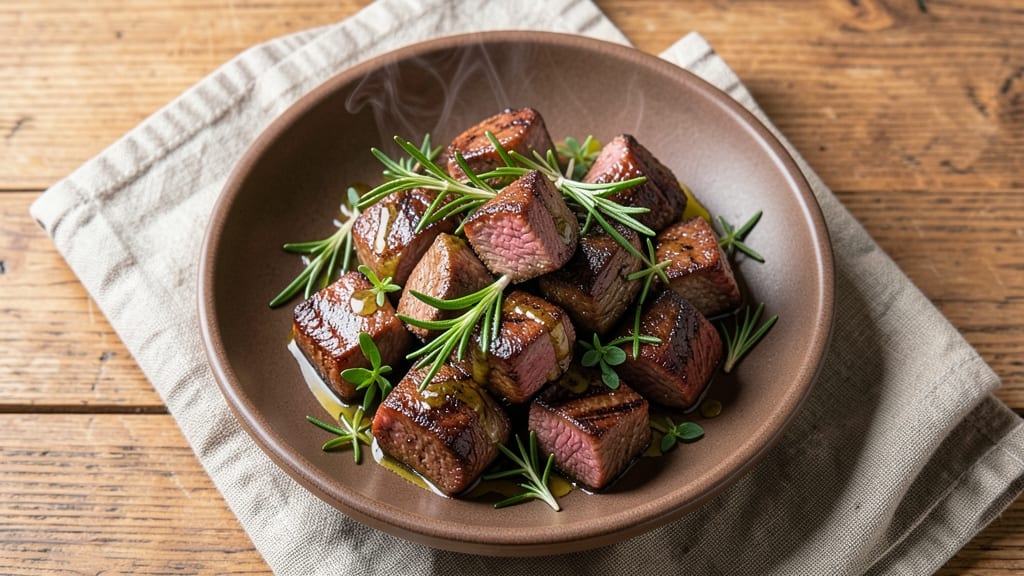
This beef sirloin cubes recipe transforms tender cuts into restaurant-quality bites with a quick-sear and garlic-herb pan sauce that elevates every dish. The secret lies in high-heat searing for maximum flavor concentration, followed by a simple sauce that transforms pan drippings into something extraordinary.
I developed this method after years of testing—it’s the one technique that consistently delivers juicy, flavorful results without complicated steps.
What sets this recipe apart is its foolproof simplicity: no marinating required, just 15 minutes of active time, and a sauce that comes together while the beef rests. The garlic-herb blend infuses the meat with aromatic depth, while the pan sauce adds richness that makes every bite unforgettable.
Perfect for weeknight dinners or special occasions, this method works equally well on the stovetop, grill, or in the oven.
By the time you plate these sirloin cubes, you’ll have perfectly medium-rare (or your preferred doneness) meat with a caramelized crust, resting on a bed of fragrant garlic-herb sauce. The sauce clings to the cubes, creating a harmonious balance of savory, herby, and slightly sweet notes.
This is the kind of dish that turns a simple meal into something memorable—without the fuss.
Serve with roasted potatoes, a fresh salad, or crusty bread to soak up every last drop of that quick-made pan sauce. The recipe scales easily for two or six, making it ideal for both intimate dinners and gatherings. Let’s get cooking—your taste buds will thank you.
Ingredients for beef sirloin cubes
Restaurant-quality beef cubes start with quality ingredients and a simple technique—no fancy tools required.
| Ingredient | Amount | Notes |
|---|---|---|
| Beef Sirloin 🥩 | 1 ½ lb | Center-cut, 1-inch cubes preferred |
| Extra-Virgin Olive Oil 🫒 | 2 tbsp | High-quality, fruity variety |
| Garlic Cloves 🧄 | 6 cloves | Fresh, peeled, smashed |
| Fresh Rosemary 🌿 | ¼ cup | Finely chopped, stems removed |
| Fresh Thyme 🌿 | ¼ cup | Leaves only, chopped |
| Diamond Crystal Kosher Salt 🧂 | 1 ½ tsp | Fine grain preferred |
| Freshly Ground Black Pepper 🌶️ | 1 tsp | Coarsely ground |
| Unsalted Butter 🧈 | 2 tbsp | Cold, cubed |
| Beef Consommé 🍲 | ½ cup | Or substitute beef broth |
| Dry Red Wine 🍷 | ¼ cup | Cabernet Sauvignon preferred |
| Heavy Cream 🥛 | ¼ cup | Full-fat for optimal texture |
| All-Purpose Flour 🌾 | 1 tbsp | For sauce thickening |
The center-cut beef sirloin is non-negotiable for this recipe—it delivers the perfect balance of tenderness and flavor. Look for cuts with visible marbling at Whole Foods or your local butcher shop, where they can often provide the ideal 1-inch cubes. If you're working with a whole sirloin, ask for it to be trimmed and cubed in-store to save time. The fresh herbs—rosemary and thyme—should be vibrant and aromatic; if they smell muted, they've likely lost potency. For the olive oil, invest in a high-quality extra-virgin variety like California Olive Ranch—the fruity notes elevate the pan sauce significantly. Pre-portion your cubes and herbs before starting to streamline the cooking process.
No beef consommé on hand? High-quality beef broth works perfectly, though the sauce will be slightly less refined. Substituting dry white wine for the red wine maintains acidity but alters the depth—stick with red for that classic pan sauce profile. The heavy cream is critical for richness; avoid light cream or half-and-half, as they won’t provide the same velvety texture. For the flour, King Arthur or Bob’s Red Mill brands are reliable choices, but any all-purpose flour will suffice. If you’re short on time, cornstarch can replace flour at half the amount, though it yields a slightly different finish. The butter should be cold when added to the pan—this creates a luxurious sauce without overpowering the beef’s natural flavors.
Prep the beef cubes and herbs ahead of time to save active cooking time. The sirloin cubes can be refrigerated for up to 2 days or frozen for 3 months when properly portioned and sealed. The fresh herbs should be stored in a sealed container with a damp paper towel to maintain their aroma for 3-4 days. Once cooked, the dish reheats beautifully—simply warm the sauce in a skillet and gently reheat the beef cubes. For leftovers, store in an airtight container for 3-4 days or freeze for up to 3 months. The sauce thickens as it cools, so a splash of beef broth can restore its consistency when reheating.
Why You'll Love This Recipe
- One-Pan Magic: I swear by this—just cube the beef, toss it in olive oil, and let the garlic and herbs work their magic. No extra bowls, no mess, just 20 minutes of hands-off cooking while you sip wine and pretend you’re not actually cooking.
- Herb-Packed Punch: That crispy sear on the outside with tender beef inside? Yes. But the real star is the rosemary-thyme-garlic trio—bright, earthy, and just salty enough to make your taste buds sit up and beg for more. (Yes, even on a Tuesday night.)
- Leftovers That Don’t Suck: Honestly, this recipe makes too much—perfect for lunch salads, pasta toss-ins, or even stuffed into wraps the next day. The beef stays juicy, and the herbs keep it from getting boring. My lunchbox hero.
- Budget-Friendly Feast: Sirloin cubes stretch further than you’d think, especially when paired with roasted potatoes or a simple green salad. I’ll be real: it’s one of those dishes where you spend less but feel like you’re eating at a fancy restaurant. (Spoiler: it’s foolproof.)
Step-by-step instructions for beef sirloin cubes recipe
Master this technique for perfectly seared beef cubes with an aromatic garlic-herb pan sauce.
Prepare the Beef and Herb Mixture
Pat the 1.5 lb beef sirloin dry with paper towels to remove any surface moisture. This ensures maximum browning when searing. Using a sharp chef's knife, cut the beef into 1-inch cubes—uniform size guarantees even cooking. In a small bowl, combine the 0.25 cup fresh rosemary, 0.25 cup fresh thyme, 1.5 tsp diamond crystal kosher salt, and 1 tsp freshly ground black pepper. Mix thoroughly to create a cohesive herb blend.
Here's the thing—don't skip the drying step. Even slight moisture on the beef will prevent that beautiful crust from forming. The herb mixture should be finely chopped to distribute flavor evenly throughout each cube. I like to use my fingers to break up any larger herb stems, ensuring they'll infuse the meat properly during cooking.
Sear the Beef Cubes
Heat 1 tbsp of the extra-virgin olive oil in a large skillet over medium-high heat until shimmering. Add half of the beef cubes in a single layer, being careful not to overcrowd the pan. Press down gently on each cube with a metal spatula during the first minute—this prevents them from curling and ensures even contact with the pan.
Sear for 2-3 minutes per side until the beef develops a deep golden-brown crust. You'll notice the edges start to crisp—that's your signal to flip. Once the first batch is browned, remove it to a plate and repeat with the remaining beef cubes, adding the second 1 tbsp of olive oil if needed. The high heat is crucial here; it creates that Maillard reaction that gives the beef its rich, caramelized flavor.
Build the Garlic-Herb Pan Sauce
Reduce heat to medium and add the 6 smashed garlic cloves to the same skillet. Cook for 30 seconds until fragrant—don't let them burn, or you'll taste bitter garlic. Immediately add the 2 tbsp cold unsalted butter, letting it melt and foam. This butter will create the velvety base for your sauce.
Pour in the 0.25 cup dry red wine, scraping up any browned bits from the bottom of the pan with a wooden spoon. These bits, called fond, are packed with flavor. Let the wine simmer for 2-3 minutes until reduced by half. This step develops the sauce's depth and removes the alcohol's sharpness.
Thicken and Finish the Sauce
Sprinkle the 1 tbsp all-purpose flour over the wine mixture and stir vigorously for 1 minute to cook off the raw flour taste. Gradually whisk in the 0.5 cup beef consommé, ensuring no lumps form. The sauce should begin to thicken immediately—this is your roux forming.
Return the seared beef cubes to the skillet and gently toss to coat them in the sauce. Simmer for 3-4 minutes until the sauce reaches your desired consistency. If it's too thick, add 1-2 tablespoons of water to loosen it. Stir in the 0.25 cup heavy cream and remove from heat immediately—this prevents the cream from curdling.
Rest and Serve
Transfer the beef cubes and sauce to a serving platter. Let them rest for 5 minutes before serving—this allows the juices to redistribute throughout the meat. The cubes should be perfectly tender with a crisp exterior, and the sauce should coat them evenly with a glossy sheen.
This dish delivers on the quick promise with minimal active time but maximum flavor impact. The garlic-herb sauce pairs beautifully with crusty bread or roasted vegetables, making it a versatile weeknight solution. Serve immediately while the beef is still piping hot and the sauce is at its peak consistency.
Pro Tips For Making Beef Sirloin Cubes
- CUT EVENLY, COOK FASTER: Sirloin cubes should be 1.5–2 inches thick—any smaller, they’ll overcook before browning. I learned this the hard way when my uneven cubes turned out greasy on the outside and raw inside. Use kitchen shears or a sharp knife to trim fat first, then cut through the grain for even cooking.
- SALT THE CUBES FIRST: Toss the raw beef with 1 tsp kosher salt per pound and let it sit for 10 minutes before searing. This isn’t just seasoning—it breaks down proteins so the cubes stay juicy. (Yes, even if you’re impatient like me, don’t skip this.)
- CRUSH GARLIC, DON’T SLICE: Mince those garlic cloves into a paste with a pinch of salt—no whole cloves or thin slices. Whole garlic burns fast and tastes bitter, while minced garlic blends into the oil for even flavor. Do this right after heating the olive oil, so it infuses immediately.
- REST UNDER FOIL: Once the cubes hit 130°F (medium-rare), transfer them to a plate, tent with foil, and walk away for 5 minutes. The residual heat finishes cooking while the juices redistribute. I used to cut into them too soon—big mistake. (Your knife will thank you.)
Serving suggestions for leftovers
Classic Side Pairings
Serve your beef sirloin cubes with garlic mashed potatoes—their creamy texture contrasts beautifully with the caramelized crust. I use Yukon Gold potatoes boiled until tender, then mashed with butter, garlic powder, and a splash of warm milk.
The richness of the potatoes complements the sauce's depth without overpowering it. 🥔
For a lighter option, try roasted asparagus with a sprinkle of lemon zest and flaky sea salt. Toss 1 bunch asparagus in 1 tbsp olive oil, roast at 425°F for 12-15 minutes, and finish with a squeeze of lemon.
The bright acidity cuts through the beef's richness perfectly.
Bread and Starch Options
Crusty baguette slices are ideal for soaking up the garlic-herb sauce. Toast them lightly in the oven at 375°F for 5 minutes until golden and crisp. The crunch adds texture contrast to the tender beef cubes. I recommend French-style baguettes from the bakery section for that perfect crust.
For a heartier option, prepare creamy polenta using 1 cup polenta grits cooked in 4 cups chicken broth until thick. Stir in 2 tbsp butter and ¼ cup grated Parmesan for a silky, cheesy base. The mild flavor lets the beef shine while providing a satisfying bite.
Salad Combinations
A mixed greens salad with arugula, spinach, and baby kale pairs wonderfully. Toss with 2 tbsp balsamic vinaigrette (made with balsamic vinegar, olive oil, Dijon mustard, and honey) and top with toasted pine nuts. The peppery greens balance the richness of the beef beautifully.
Add shaved fennel and cherry tomatoes for extra freshness. The anise notes of fennel complement the garlic in the sauce, while the tomatoes add a juicy contrast. This salad keeps the meal light yet satisfying, especially during warmer months.
Wine and Beverage Pairings
A bold Cabernet Sauvignon with 14-16% alcohol enhances the dish's richness. Look for wines from Napa Valley or Chile—their dark fruit flavors mirror the beef's caramelized notes. Serve slightly chilled to let the wine's acidity cut through the sauce's creaminess.
For non-alcoholic options, try sparkling water with lemon or a cucumber-mint infused iced tea. The effervescence cleanses the palate between bites, while the mint's freshness balances the dish's hearty flavors. 🍷
Nutrition facts
Frequently asked questions
Can I use sirloin steak instead of pre-cut cubes?
Simply ask your butcher to cut 1-inch cubes from a whole sirloin steak. For best results, choose center-cut pieces with visible marbling. If cutting at home, freeze the steak for 20 minutes first to make slicing easier, then cut against the grain for maximum tenderness.
What's the best way to adjust this recipe for a crowd?
Double or triple the ingredients while keeping the same proportions. Use two large skillets for searing to maintain high heat and prevent overcrowding. For the sauce, scale up the beef consommé and wine by 50% to maintain proper consistency. Work in batches to keep everything hot and ready to serve.
My sauce turned out too thin—how can I fix it?
If the sauce is too thin, mix 1 tbsp cornstarch with 1 tbsp cold water to create a slurry. Stir it into the simmering sauce and cook for 1-2 minutes until thickened. For a richer texture, add 1 tbsp cold butter at the end. Never boil the sauce after thickening, or it may separate.
Can I make this recipe ahead of time?
Cook the beef cubes and sauce as directed, then cool completely. Store in an airtight container in the refrigerator for up to 3 days. Reheat gently in a skillet with 1 tbsp beef broth to restore moisture. For best texture, reheat just until warmed through—don't overcook. The sauce may thicken further upon reheating.
What's the ideal doneness for these beef cubes?
For perfect results, aim for medium-rare (130-135°F internal temp)—this ensures tender, juicy cubes with a flavorful crust. Use a meat thermometer for accuracy. If you prefer medium (140-145°F), cook 30-60 seconds less per side. Well-done (160°F+) is possible but may yield slightly tougher meat.