
Main Courses
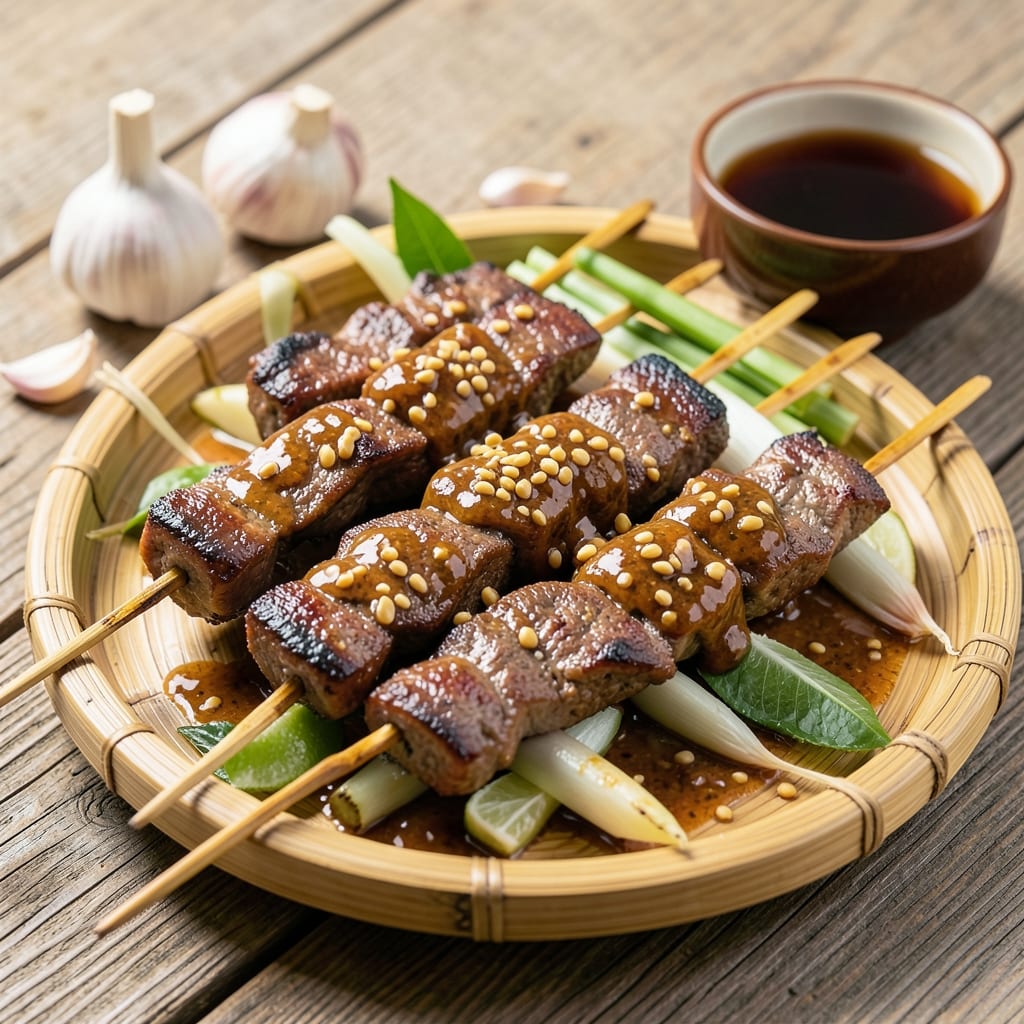
Authentic Thai beef satay delivers the smoky, charred flavors of street-side markets right to your grill—no shortcuts, just tradition. The secret lies in marinating tender beef strips overnight with lemongrass, galangal, and kaffir lime leaves, then grilling them over hot coals until caramelized. This isn't just a recipe; it's an experience that transforms simple ingredients into restaurant-quality skewers with crispy edges and juicy centers.
The magic happens in the marinade, where aromatic Thai spices and herbs infuse the beef for hours, creating layers of flavor that build with every bite. Traditional charcoal grilling develops that signature smoky char, while the peanut sauce—creamy, nutty, and slightly sweet—ties everything together. No bottled sauces here; we're making it from scratch with roasted peanuts, coconut milk, and tamarind for authentic depth.
What you'll end up with is a dish that looks as impressive as it tastes—golden skewers sizzling on the grill, served with a rich peanut sauce that's perfect for dipping. The contrast of smoky meat against the cool, creamy sauce is pure balance, and the aroma alone will have everyone gathering around the table. This is the kind of recipe that makes you feel like you've traveled to Bangkok without leaving your backyard.
Pair with cucumber salad and sticky rice for the full Thai experience, or serve as an appetizer that disappears faster than you can say "satay." The instructions walk you through every step—from marinating to grilling to sauce-making—so you can achieve authentic results even if you're new to Thai cooking. Let's get started on this flavor adventure.
Ingredients for authentic thai beef satay
Authentic Thai flavors start with these aromatic ingredients that transform simple beef into restaurant-worthy satay.
| Ingredient | Amount | Notes |
|---|---|---|
| Beef Flank Steak 🥩 | 1 ½ lb | Thinly sliced against grain |
| Lemongrass Stalks 🌿 | 4 whole | Bruised and cut into 2-inch pieces |
| Galangal Root 🥔 | 3 oz | Peeled and sliced thin |
| Kaffir Lime Leaves 🍋 | 4 whole | Bruised and torn in half |
| Garlic Cloves 🧄 | 6 cloves | Minced finely |
| Fish Sauce 🍶 | 3 tbsp | Red Boat preferred |
| Brown Sugar 🍚 | ½ cup | Packed, light variety |
| Turmeric Powder 🌶️ | 1 tsp | Freshly ground preferred |
| Coriander Seeds 🌿 | 1 tbsp | Toasted and ground |
| Black Peppercorns 🌶️ | 1 tsp | Freshly cracked |
| Bamboo Skewers 🪵 | 16 whole | Soaked in water 30 minutes |
| Peanuts 🥜 | 1 cup | Raw, unsalted |
| Coconut Milk 🥥 | 1 can (13.5 oz) | Full-fat, not cream of coconut |
| Tamarind Paste 🍈 | 2 tbsp | Or 1 tbsp lemon juice |
| Soy Sauce 🍶 | 2 tbsp | Light or regular |
| Vegetable Oil 🫒 | 2 tbsp | For roasting peanuts |
| Salt 🧂 | 1 tsp | Kosher or sea salt |
The galangal and lemongrass are non-negotiable for that signature Thai punch—Asian markets carry them fresh, but if you can't find them, Thai Kitchen brand sells frozen galangal in the international aisle. Look for stalks with vibrant green leaves on lemongrass and firm, unblemished galangal. The kaffir lime leaves? Costco sells them frozen in the freezer section if fresh aren't available. For the beef, flank steak is ideal—it's lean but tender when sliced thin against the grain. If you can't find it, sirloin or top round work too, but slice them even thinner. The Red Boat fish sauce is worth the splurge—it's the real deal, not that vinegary imitation stuff.
No galangal? Extra ginger plus a splash of lime juice gets you close, though it won't be identical. Running short on kaffir lime leaves? Double the lime zest and add a pinch of cinnamon. The peanuts can be substituted with cashews if you prefer, but they won't have that same nutty crunch. For the tamarind paste, Trader Joe's sells it in a squeeze bottle—no mess, and it keeps for months. If you're making this ahead, marinate the beef for up to 24 hours for maximum flavor, but don't exceed that or the meat gets mushy. The peanut sauce? Make it a day ahead so the flavors meld—trust me, it's worth the wait.
Marinated beef keeps 3 days in the fridge, covered tightly. The peanut sauce? 1 week in the fridge, but add a thin layer of oil on top to prevent a skin from forming. For grilling, charcoal is ideal for that authentic smoky flavor, but a gas grill on high heat works too. If you're prepping ahead, grill the skewers and store them at room temp—they reheat beautifully in a skillet with a splash of water. The sauce thickens as it cools, so thin with a splash of coconut milk if needed before serving. Leftovers? Tuck them into wraps or over rice for a quick lunch.
Why You'll Love This Recipe
- No-Fuss Marinating: I swear by the overnight soak—just slice the beef thin, toss it with lemongrass and galangal, and let the fridge work its magic. By morning, the meat practically falls apart, and I’m left with zero last-minute stress.
- Herb-Packed Punch: That combo of kaffir lime leaves and garlic? It’s like a flavor explosion in your mouth. The galangal adds this citrusy, peppery kick that makes the beef taste like it’s been simmered for hours—even though it’s just grilled.
- Weeknight to Party Ready: Same marinade, endless uses. Skewer it for a quick dinner, shred it into rice bowls, or serve it cold in lettuce cups. Honestly, I’ve even thrown it in tacos when I’m lazy—works every time.
- Budget-Friendly Leftovers: A single flank steak stretches for days. The marinade keeps well, so I double it and freeze half for next month. Grill a few skewers now, and you’ve got a freezer-friendly protein ready for whenever cravings hit.
Step-by-step instructions for authentic Thai beef satay
Here's the traditional method that delivers smoky, charred skewers with that perfect balance of spice and sweetness.
👨🍳 Step 1: Prepare the Marinade and Tenderize the Beef
In a large bowl, combine the 3 tbsp fish sauce, 0.5 cup packed brown sugar, 1 tsp turmeric powder, 1 tbsp toasted and ground coriander seeds, and 1 tsp freshly cracked black peppercorns. Mix until the sugar dissolves completely - this creates the flavor base for your satay.
Add the 1.5 lb beef flank steak, sliced thinly against the grain, and coat thoroughly with the marinade. Let it sit at room temperature for 15 minutes while you prepare the aromatics. This brief marination ensures the beef absorbs enough flavor without becoming mushy. If you're short on time, you can marinate overnight in the fridge for deeper flavor penetration.
👨🍳 Step 2: Create the Aromatic Paste
In a food processor or mortar and pestle, combine the 4 whole lemongrass stalks (bruised and cut into 2-inch pieces), 3 oz peeled and sliced galangal root, 4 whole kaffir lime leaves (bruised and torn in half), and 6 cloves minced garlic. Pulse until you achieve a coarse paste - you want texture, not a smooth puree.
Add the marinated beef to the paste and mix gently with your hands, ensuring every piece is coated. This aromatic blend is what gives authentic satay its complex, fragrant character. The galangal and lemongrass provide that signature Thai citrusy bite, while the garlic adds depth. Let the beef rest with this paste for 30 minutes at room temperature before skewering.
🔥 Step 3: Assemble and Grill the Skewers
Soak the 16 whole bamboo skewers in water for 30 minutes to prevent burning. Thread the marinated beef onto each skewer, leaving about ½ inch between each piece to allow even cooking. Arrange the skewers on a plate and refrigerate for 15 minutes to help them hold their shape.
Preheat your grill or grill pan to medium-high heat (around 400°F). When ready, place the skewers on the grill and cook for 2-3 minutes per side, turning carefully with tongs. You're looking for deep char marks and medium-rare doneness - the beef should reach an internal temperature of 130-135°F. Don't overcook - satay should be tender with a slight pink center. If using a grill pan, be patient and let it sear properly to get that authentic smoky flavor.
🥘 Step 4: Make the Peanut Sauce
In a dry skillet, toast the 1 cup raw peanuts over medium heat for 5-7 minutes, stirring constantly, until they're golden brown and fragrant. Remove from heat and set aside to cool slightly - this adds incredible depth to your sauce.
In a blender, combine the toasted peanuts, 1 can (13.5 oz) coconut milk, 2 tbsp tamarind paste, 2 tbsp soy sauce, and 2 tbsp vegetable oil. Blend until completely smooth, scraping down the sides as needed. The sauce should be thick but pourable. If it's too thick, add 1-2 tablespoons of water to reach your desired consistency. Taste and adjust seasoning with additional fish sauce or salt if needed - it should balance sweet, tangy, and salty flavors.
🍽️ Step 5: Serve with Fresh Accompaniments
Arrange the grilled satay skewers on a platter and drizzle generously with the peanut sauce. Serve immediately with steamed jasmine rice and fresh accompaniments like sliced cucumbers, shredded cabbage, and lime wedges. The contrast of cool vegetables and bright lime against the smoky, spicy satay creates the perfect balance.
For an authentic touch, serve with Thai sweet chili sauce on the side. The combination of the rich peanut sauce, smoky grilled beef, and fresh vegetables makes each bite a perfect harmony of textures and flavors. The key to authentic satay is in the balance - not too sweet, not too spicy, but perfectly seasoned with that smoky char from the grill.
Pro Tips For Making Authentic Thai Beef Satay
- BLANCH THE GALANGAL FIRST: I learned this the hard way—raw galangal is tough as a boot. Shave it thin, then simmer in hot water for 3 minutes to soften before adding to the marinade. It’ll release its citrusy punch without turning your paste into a mushy mess.
- USE FROZEN LEMONGRASS STALKS: Yes, even if you’re impatient like me. The frozen ones are pre-trimmed, and the cold makes them easier to pound flat—no need to wrestle with a whole stalk. Just thaw slightly first, or your mortar will turn into an ice cube.
- MARINATE BEYOND 24 HOURS: The first 12 hours do the heavy lifting, but let it sit another 12 (or overnight) if you can. The beef stays juicier, and the flavors meld into something deeper than just "spicy." I skip this when I’m lazy, but the dish is noticeably better when I don’t.
- GRATE KAFFIR LIME LEAF: Tearing it feels like cheating, but grating the leaves with the zest releases their aroma into the marinade. Use the fine side of a box grater—just a teaspoon or two is enough. It’s the thing that makes your satay smell like a Bangkok street cart.
Common mistakes when making great authentic thai beef satay
Over-Marinating the Beef
Leaving beef in the marinade for more than 24 hours can turn it mushy, especially with acidic ingredients like fish sauce and tamarind. I’ve seen this happen when people try to rush the process—don’t! The ideal time is 8-12 hours in the fridge. If you’re short on time, marinate for at least 4 hours at room temperature before grilling. The beef should remain tender, not fall apart when skewered. 💡
Skipping the Aromatic Paste
This is where many home cooks cut corners, but the paste of lemongrass, galangal, and kaffir lime leaves is non-negotiable for authentic flavor. If you skip it, your satay will lack that signature Thai complexity. Use a food processor or mortar and pestle to create a coarse paste—don’t blend it smooth. The texture matters! If you can’t find galangal, substitute with ginger and lime zest, but it won’t be identical. 🌿
Uneven Skewer Assembly
Overloading skewers with too much beef or packing pieces too tightly leads to uneven cooking and falling apart. Thread 2-3 pieces per skewer, leaving ½-inch gaps between them for even heat circulation. Soak bamboo skewers for 30 minutes to prevent burning. If using metal skewers, skip soaking—they won’t catch fire. Arrange skewers on a plate and chill for 15 minutes before grilling to help them hold shape. ⚡
Grilling Too Long or Too Short
Satay should be cooked to medium-rare (130-135°F internal temp), not well-done. Overcooking dries out the beef, while undercooking leaves it raw. Aim for 2-3 minutes per side on a grill preheated to 400°F, focusing on deep char marks. If using a grill pan, let it sear properly—rushing leads to steamed, not smoky, results. A meat thermometer is your best friend here. 🔥
Ignoring the Peanut Sauce Texture
The peanut sauce should be thick but pourable, not gluey or watery. If it’s too thick after blending, thin with 1-2 tbsp water. If too thin, simmer uncovered for 5 minutes to reduce. Taste as you go—balance sweet (tamarind), salty (soy sauce), and nutty (peanuts) flavors. Pro tip: Toast the peanuts until golden brown for maximum depth. Skim off excess oil before serving to avoid a greasy sauce. 🥜
Serving Without Fresh Accompaniments
Satay is all about contrast—cool, fresh elements balance the smoky, spicy meat. Always serve with steamed jasmine rice, sliced cucumbers, and lime wedges. The acidity cuts through the richness, while the crunch adds texture. Skip the bottled sweet chili sauce—make your own with chili, garlic, and lime for authenticity. Presentation matters too: Arrange skewers on a platter and drizzle sauce generously. 🍽️
Nutrition facts
Frequently asked questions about authentic Thai beef satay
Can I use chicken or pork instead of beef for satay?
Chicken works beautifully and is more forgiving for beginners. For pork, use tender cuts like loin or shoulder, but marinate for 6-8 hours to ensure full flavor penetration. Chicken satay benefits from slightly longer cooking time (3-4 minutes per side) to prevent drying out. The marinade ratios remain the same, but adjust cooking times based on thickness.
What's the best way to make satay without a grill?
Use a cast-iron skillet or grill pan on medium-high heat with a lid to trap smoke. Heat the pan until smoking hot, then sear skewers for 2-3 minutes per side, covering to mimic grill conditions. For extra smokiness, add wood chips to the pan or use a smoker box. A broiler works too—place skewers on a rack 3 inches from heat for 4-5 minutes total.
How do I store leftover satay and peanut sauce?
Grilled satay keeps 3 days in an airtight container in the fridge. Reheat gently in a skillet with a splash of water or on the grill for 1-2 minutes to restore crispiness. The peanut sauce lasts 1 week refrigerated—store with a thin layer of oil on top to prevent skin formation. Freeze sauce portions for up to 3 months by transferring to ice cube trays before bagging.
Why does my peanut sauce turn out too thick or too thin?
Texture depends on blending technique and ingredients. For thicker sauce, blend longer or reduce uncovered for 5 minutes. If too thin, simmer until slightly reduced or add 1 tbsp toasted peanut powder. The key is balancing coconut milk (creamy base) with tamarind (acidity) and soy sauce (saltiness). Always taste as you go—adjust with 1 tsp water or ½ tsp fish sauce as needed.
Can I make satay ahead of time for a party?
Yes! Marinate the beef 1-2 days ahead and store in the fridge. Assemble skewers up to 4 hours before grilling (keep refrigerated). For the sauce, make it 1 day ahead—flavors improve overnight. Grill skewers just before serving to maintain crispiness. Keep sauce warm in a slow cooker on low heat or reheat gently in a saucepan with 1 tbsp coconut milk to restore creaminess.