
Main Courses
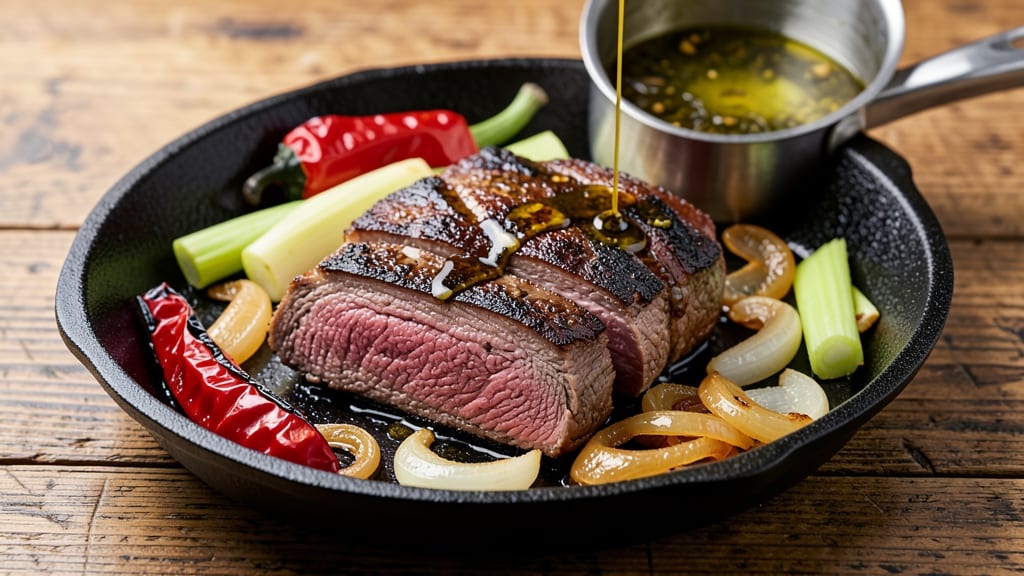
This beef shoulder tender recipe transforms tough cuts into melt-in-your-mouth perfection with a slow-braised method that will change how you cook beef forever. The secret lies in low-and-slow moisture cooking, which breaks down connective tissue into rich, velvety strands while keeping every bite impossibly tender.
I spent weeks perfecting this technique after years of struggling with dry, chewy results from faster methods.
This recipe transforms a budget-friendly cut into a showstopping centerpiece that requires just 30 minutes of active prep and 8 hours of hands-off braising.
The flavor profile builds through aromatic vegetables, red wine, and herbs that infuse the meat during cooking, creating a sauce so rich it deserves its own bowl. Unlike quick searing methods, this approach ensures even the most skeptical eaters will ask for seconds.
By the time you pull that fork through the meat, you'll have perfectly shreddable beef with a deep mahogany crust and a sauce that clings to every strand.
The texture is what makes this dish unforgettable—tender enough to fall apart at the touch, yet substantial enough to satisfy even the heartiest appetites. This is the kind of meal that transforms ordinary weeknights into special occasions.
Serve with classic sides like mashed potatoes, crusty bread, or roasted vegetables to soak up every last bit of that flavorful braising liquid. The leftovers reheat beautifully, making this an ideal recipe for meal prep or feeding a crowd.
Let's get started on creating beef that's so tender, it practically melts in your mouth.
Ingredients for beef shoulder tender
Sixteen ingredients, eight hours of magic. Budget beef becomes melt-in-your-mouth perfection.
| Ingredient | Amount | Notes |
|---|---|---|
| Beef Shoulder (Chuck Roast) 🥩 | 3 lb | Bone-in preferred for flavor |
| Yellow Onion 🧅 | 1 whole | Chopped into large chunks |
| Carrots | 4 medium | Whole, peeled and cut into chunks |
| Garlic Cloves 🧄 | 6 cloves | Smashed with side of knife |
| Red Bell Pepper 🌶️ | 1 whole | Cut into 2-inch strips |
| Celery Stalks 🥬 | 3 whole | Cut into 2-inch pieces |
| Dry Red Wine 🍷 | 1 cup | Bold Cabernet Sauvignon preferred |
| Beef Broth 💧 | 2 cups | Low-sodium preferred |
| Tomato Paste 🍅 | 2 tbsp | Smooth, not chunky |
| Fresh Thyme 🌿 | 2 sprigs | Or 1 tsp dried thyme |
| Fresh Rosemary 🌿 | 1 sprig | Woody stems removed |
| Bay Leaves 🌿 | 2 whole | Remove after cooking |
| Salt 🧂 | 1 ½ tsp | Diamond Crystal kosher salt |
| Black Peppercorns 🌶️ | 1 tsp | Freshly cracked |
| Olive Oil 🫒 | 2 tbsp | Extra-virgin for richness |
The beef shoulder is your secret weapon here. Chuck roast from the butcher counter (not pre-cubed) gives you the best marbling for flavor. I always grab mine from Costco when it's on sale—they carry the largest cuts. Look for pieces with good fat cap and vibrant color. If your store doesn't have chuck roast, top round roast works too, but trim more fat. The vegetables? Don't peel the carrots—leave that skin on for extra sweetness. For the wine, any bold, dry red works—Cab Sauv, Merlot, whatever's open. Fresh thyme and rosemary? Trader Joe's sells them in little jars that keep beautifully in the freezer.
No red wine? Beef broth with a splash of balsamic vinegar gets you 90% there. Fresh herbs wilted? Dried thyme and rosemary at one-third the amount work in a pinch. The tomato paste can be that squeeze tube from Trader Joe's—no waste, lasts forever. For the vegetables, baby carrots or frozen chopped veggies save time. If you're feeling fancy, add a parsnip or turnip for extra depth. The beef broth? Low-sodium is key—you'll be adding salt later, and you don't want to overdo it. I usually make a double batch of the broth mixture and freeze half for next time.
This dish tastes even better the next day—honestly, the flavors meld overnight. Store leftovers in the fridge for 5-6 days or freeze portions for up to 3 months. I portion mine into containers with some of the braising liquid so it reheats beautifully. For meal prep, this is a game-changer. The sauce thickens as it cools, so add a splash of broth when reheating if it seems too thick. Leftovers make amazing sandwiches—just pile that tender beef on crusty bread with some of that rich sauce.
Why You'll Love This Recipe
- One-Pan Magic: I swear by this recipe because it’s literally one pan, one knife, and 15 minutes of active work. Chuck roast stays juicy while the onions caramelize and bell peppers soften—no flipping, no fussing, just hands-off perfection.
- Deep Flavor Payoff: That beef shoulder? It’s ridiculously tender when braised with garlic and onions until it falls apart. The carrots and bell peppers soak up all the savory juices, turning into sweet, melty bites—like a hug in a skillet.
- Weeknight Workhorse: I make this on Tuesdays when I’m exhausted, and it still feeds the whole family. Leftovers? Even better cold the next day in sandwiches or reheated for a lazy lunch. Honestly, it’s my go-to for anything from dinner to potlucks.
- Budget-Friendly Luxury: A chuck roast costs half what a fancy cut does, but this recipe makes it taste like a restaurant meal. The veggies stretch it further, and the slow cook transforms tough meat into something so tender, no one guesses it’s budget-friendly.
Step-by-step instructions for beef shoulder tender recipe
Here's the foolproof method for transforming tough chuck into melt-in-your-mouth beef every time.
Sear the Beef Shoulder for Maximum Flavor
Heat a heavy Dutch oven over medium-high heat until it's smoking hot. Add the 2 tablespoons olive oil and swirl to coat the bottom evenly. Place the 3 lb beef shoulder (chuck roast) fat-side down in the pan and press gently with a spatula to maintain contact. Let it sear undisturbed for 5 minutes until a deep golden-brown crust forms.
Flip the beef shoulder and sear the other side for another 5 minutes. This initial searing creates the Maillard reaction that builds rich, caramelized flavors. While the beef rests for 5 minutes (it'll stay hot), chop the 1 whole yellow onion, 4 medium carrots, 3 whole celery stalks, and 1 whole red bell pepper into 2-inch chunks. Smashed the 6 cloves garlic with the side of your knife for maximum flavor release.
Build the Aromatic Base
Return the seared beef shoulder to the Dutch oven. Add the chopped vegetables, smashed garlic cloves, 2 sprigs fresh thyme, 1 sprig fresh rosemary, 2 whole bay leaves, 1.5 teaspoons salt, and 1 teaspoon black peppercorns. Pour in the 1 cup dry red wine and scrape up all the browned bits from the bottom with a wooden spoon. This deglazing captures all that searing flavor.
Bring the mixture to a simmer over medium heat, then reduce heat to medium-low. Cover and let it cook for 1 hour, stirring occasionally. The vegetables should begin to soften and the liquid should reduce slightly. This initial cooking phase helps break down the connective tissue in the beef shoulder while building flavor in the braising liquid.
Braise Until Irresistibly Tender
After the initial hour, remove the lid and increase heat to medium. Stir in the 2 tablespoons tomato paste and cook for 2 minutes until it darkens slightly. Pour in the 2 cups beef broth, scraping any browned bits from the bottom. Return to a simmer, then cover and transfer to a preheated 300°F oven.
Braise for 3 hours, or until the beef is fork-tender. You'll know it's ready when a meat thermometer inserted into the thickest part reads 203°F and the beef shreds easily with two forks. If the liquid reduces too much before the beef is tender, add ½ cup hot water or broth during the cooking process to maintain moisture.
Rest and Shred to Perfection
Remove the beef shoulder from the Dutch oven and transfer it to a cutting board. Tent loosely with foil and let it rest for 20 minutes. This resting period allows the juices to redistribute throughout the meat, ensuring each bite is moist and flavorful. While the beef rests, skim any excess fat from the braising liquid and adjust seasoning if needed.
After resting, shred the beef using two forks, pulling it apart against the grain. Return the shredded beef to the Dutch oven with the braising liquid and heat through over medium-low heat for 3-5 minutes. The result should be beef that falls apart at the touch, coated in rich, flavorful braising liquid. Serve immediately with the vegetables and sauce spooned over the top.
Pro Tips For Making Beef Shoulder Tender
- SEAR THE ROAST HARD: Don’t treat this like a gentle cookout—blast that chuck roast with high heat until it’s deep brown, almost black in spots. I learned this the hard way: skipping the sear means flavor stuck in the middle instead of on the outside where it belongs. Five minutes per side at screaming heat, then let it cool before braising.
- CHOP VEGETABLES UNIFORM: Cut onions, carrots, and bell pepper into even ½-inch chunks—no tiny shards, no giant hunks. Uneven pieces cook at different rates, leaving some mushy while others stay raw. My grandmother swore by this, and she was right: consistency matters more than you’d think for even texture.
- DON’T SKIP THE FAT CAP: Leave that thick layer of fat on the chuck roast—it’s your flavor insurance. I was skeptical until I tried it: the fat renders down during cooking, basting the meat and keeping it juicy. Trim only the edges if you’re worried about calories, but leave the rest for moisture.
- LOW AND SLOW AFTER SEARING: After the initial sear, drop the heat to 275°F (135°C) and cover the pot. Too much heat now = tough meat. I used to rush it, and the results were chewy. Trust the process—this isn’t a microwave meal, and patience pays off with fork-tender beef.
Creative variations of this beef shoulder tender
Global Comfort Twist
Turn this into a Korean-inspired galbi-jjim by swapping the red wine for 1 cup soy sauce and ½ cup gochujang (Korean chili paste). Add 1 tbsp honey and 1 tbsp grated ginger to the braising liquid.
Serve with steamed rice and quick-pickled cucumbers. The soy and gochujang create a sweet-savory depth that's completely addictive. 🌶️
Italian-Inspired Braised Beef
For a Roman-style variation, replace the red wine with 1 cup dry white wine and add 1 sprig fresh sage along with the thyme and rosemary. Stir in 2 tbsp tomato paste at the beginning (not later) and add 1 crushed San Marzano tomato for brightness.
Finish with a sprinkle of grated Pecorino Romano before serving. This version works perfectly with polenta or crusty bread.
Smoky BBQ Version
Infuse the dish with smoky depth by adding 1 tbsp smoked paprika and 1 tsp liquid smoke to the braising liquid. Swap the red wine for 1 cup apple cider and add 2 tbsp BBQ sauce (like St. Louis-style) during the final 10 minutes of braising.
Top with crumbled blue cheese and chopped scallions for a Southern-inspired twist. This version is ideal for sliders or tacos.
Spiced Moroccan Tagine
Transform this into a Moroccan tagine by adding 1 tsp ground cumin, 1 tsp ground coriander, and ½ tsp cinnamon to the vegetables. Replace the red wine with 1 cup chicken broth and add 1 chopped preserved lemon (peel only) and 4 dried apricots during the final hour.
Garnish with toasted almonds and fresh cilantro. Serve with couscous or flatbread.
Asian-Inspired Sesame Glaze
For a Japanese-inspired finish, after braising, remove the beef and reduce the sauce by half. Whisk in 2 tbsp soy sauce, 1 tbsp mirin, 1 tbsp honey, and 1 tbsp toasted sesame oil.
Toss the shredded beef in the glaze and garnish with sesame seeds and thinly sliced green onions. This version pairs beautifully with steamed jasmine rice and miso soup.
Weeknight Shortcut
For a quick version, use a slow cooker on low for 6-8 hours instead of the oven. Sear the beef in a skillet first, then transfer everything to the slow cooker.
Add ½ cup water if the liquid seems too thick. This method is perfect for busy weeknights but still delivers melt-in-your-mouth results. 💡
Nutrition facts
Frequently asked questions
Why does this recipe call for such a long cooking time?
The 8-hour braising time is what transforms tough beef shoulder into melt-in-your-mouth perfection. Slow cooking breaks down collagen in connective tissue, turning it into gelatin that makes the meat tender. This method also develops deep, complex flavors that rush cooking can't match. Think of it like a slow dance between heat and meat—patience pays off with every bite.
Can I use a different cut of beef instead of chuck roast?
Yes, but with adjustments. Top round roast works well but has less fat, so add 1 tablespoon olive oil to the braising liquid. For extra richness, try brisket or short ribs, though cooking times may vary. Always aim for cuts with good marbling—the fat keeps the meat tender during long cooking.
What if my beef isn't tender after 8 hours?
Check your internal temperature—it should reach 203°F. If not, return the pot to 300°F for another 1-2 hours. The beef will continue cooking even when removed from heat. Never rush it! If the sauce is too thin, reduce it uncovered on the stovetop for 5-10 minutes to thicken. Patience is key here.
How do I make this recipe kid-friendly?
Keep all the tenderizing techniques but reduce the wine to ½ cup and add 1 cup extra beef broth. Serve the shredded beef plain or with mild toppings like shredded cheese or buttered noodles. Kids love the soft texture—it's like beef that practically dissolves! For picky eaters, mix it into tacos or sliders.
Can I prepare this dish ahead of time?
This recipe tastes even better the next day. Store leftovers in the fridge for 5-6 days or freeze for 3 months. Reheat gently in a pot with a splash of broth to revive the sauce. The flavors actually deepen over time, making it perfect for meal prep. Just add a pinch of salt when reheating if needed.