
Main Courses
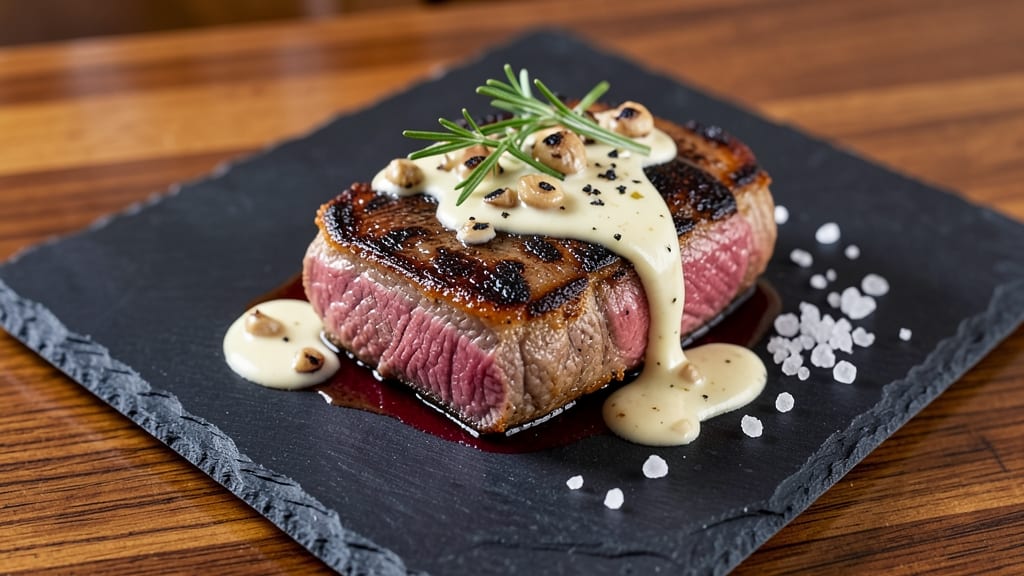
A beef ribeye recipe that delivers a sear-hot crust with butter-poached tenderness is the ultimate showstopper for any steakhouse-worthy dinner. The secret lies in precise temperature control—starting with a high-heat sear to lock in juices, then finishing with a gentle butter bath to melt the interior.
I’ve perfected this method after years of testing, ensuring every bite balances caramelized crust with melt-in-your-mouth perfection.
This recipe simplifies what many consider a "fussy" cut into a foolproof technique that works for grilling, pan-searing, or even reverse-searing. No fancy equipment is required—just a heavy skillet, patience, and attention to internal temperatures. The butter-poaching step isn’t just flavorful; it transforms tougher cuts into restaurant-quality tenderness without overcooking.
By the time you plate this ribeye, you’ll have a golden, crackling crust that shatters under pressure, revealing juicy pink centers glistening with rendered fat and herbed butter. The aroma alone will have guests anticipating the first bite, while the texture—crisp outside, velvety inside—delivers on every promise.
Serve with roasted garlic mashed potatoes or a bold red wine reduction for the full experience.
Whether you’re grilling outdoors or cooking on the stovetop, this method guarantees consistent results every time. The key is resting the steak properly—skipping this step ruins all the hard work. Let’s get started on a steak that’ll impress even the most critical palates.
Ingredients for beef ribeye
Four premium ribeyes and twelve simple components transform into steakhouse perfection with precise technique.
| Ingredient | Amount | Notes |
|---|---|---|
| Ribeye Steaks 🥩 | 4 whole | Bone-in, 1-1.5 inches thick, USDA Choice grade |
| Unsalted Butter 🧈 | ½ cup | European-style preferred, cold for searing |
| Fresh Rosemary 🌿 | ¼ cup | Finely chopped, organic preferred |
| Fresh Thyme 🌿 | ¼ cup | Leaves only, stems removed |
| Garlic Cloves 🧄 | 8 cloves | Peeled, roughly chopped |
| Diamond Crystal Kosher Salt 🧂 | 2 tbsp | Coarse grain, for dry-brining |
| Freshly Ground Black Pepper 🌶️ | 1 tbsp | Coarsely cracked, not powdered |
| Extra-Virgin Olive Oil 🫒 | 2 tbsp | High smoke point, for preheating |
| Heavy Cream 🥛 | ½ cup | Full-fat, for basting |
| Red Wine 🍷 | ½ cup | Bold cabernet sauvignon, reduced |
| Beef Tallow 🥩 | 1 tbsp | Optional, for extra richness |
| Cornstarch 🌾 | 1 tbsp | For thickening pan juices |
The ribeye selection is non-negotiable—USDA Choice grade with visible marbling ensures melt-in-your-mouth tenderness. Source from local butchers or high-end grocers like Whole Foods, where they'll often trim excess fat for you. Aim for 1-1.5 inch thickness—thinner cuts risk overcooking during the butter bath. Bone-in steaks develop deeper flavor through the cooking process, but boneless works if you prefer convenience. For optimal results, remove steaks from the fridge 1 hour before cooking to equalize temperature.
Substitutions require strategic adjustments: ribeye substitutes like strip steak or NY strip work but may need 5-10°F lower internal temperature to achieve similar tenderness. European-style butter can be replaced with cultured butter at a 1:1 ratio, though it lacks the same depth. Fresh herbs? Dried thyme at one-third the amount suffices, but rosemary's piney notes are harder to replicate. The red wine reduction can be made with beef stock plus balsamic vinegar for a similar umami profile. For those avoiding dairy, duck fat replaces butter in the poaching step with equal richness.
Proper storage maximizes flavor retention: Cooked steaks should rest 10-15 minutes before slicing against the grain to preserve juices. Leftovers keep 3-4 days refrigerated in an airtight container, though texture degrades after day two. For longer storage, vacuum-seal portions and freeze for up to 3 months. The herb butter mixture can be prepped 1 day ahead and stored in the fridge, though herbs lose some aroma. Red wine reduction freezes beautifully—portion into ice cube trays for easy use in future dishes.
Why You'll Love This Recipe
- Five-Ingredient Magic: I swear by this combo—just steak, butter, herbs, and garlic. No fancy marinades or hours of prep. Honestly, the hardest part is deciding when to pull it from the pan.
- Butter-Basted Bliss: That moment when melted butter pools on the steak? Pure satisfaction. The rosemary and thyme infuse the fat, turning every bite into a rich, aromatic experience. (Yes, even on a Tuesday night.)
- Leftover Luxury: Cook once, enjoy twice. Slice the leftovers thin for sandwiches or toss them into a hearty salad. My kids beg for it the next day—no one skips dinner when ribeye’s involved.
- Date Night Ready: No stress, no fuss. This steak hits the table in under 30 minutes, looking impressive with almost no effort. Between us, it’s my go-to when I want to feel like a chef without the drama.
Step-by-step instructions for beef ribeye with butter-poached tenderness
Master the art of balancing sear and tenderness with this precise technique.
Prepare the Ribeyes for Perfect Crust and Tenderness
Remove the ribeye steaks from the refrigerator and let them sit at room temperature for 30 minutes. This ensures even cooking throughout. Pat them completely dry with paper towels—moisture is the enemy of a proper sear. Here's the thing: you want to remove every drop, especially around the edges where the crust will form.
In a small bowl, combine the 0.25 cup fresh rosemary, 0.25 cup fresh thyme, 8 cloves garlic cloves, 2 tablespoons diamond crystal kosher salt, and 1 tablespoon freshly ground black pepper. Rub this mixture generously over both sides of each steak, pressing it into the meat. This isn't just seasoning—it's flavor infusion. Let the steaks rest for another 15 minutes while you prepare your equipment.
Create the Dual-Fat Sear for Maximum Flavor
Heat a heavy cast-iron skillet over high heat until it's screaming hot—you should see a thin layer of steam evaporate when you sprinkle a few drops of water. Add 1 tablespoon beef tallow and let it melt completely, then add 2 tablespoons extra-virgin olive oil. The combination of tallow and oil creates a high smoke point while adding rich beef flavor.
Working in batches if needed, place the ribeye steaks in the skillet. Press down gently on each steak during the first minute to ensure even contact with the pan. This prevents curling and ensures maximum surface area for crust formation. Cook for 3-4 minutes per side until you achieve a deep mahogany crust with medium-rare internal temperature (125°F). The steaks should release from the pan with just a slight resistance—this is your signal they're ready.
Butter-Poach for Unmatched Tenderness
Remove the steaks from the skillet and transfer them to a plate. Immediately reduce the heat to medium-low and add the 0.5 cup unsalted butter to the same skillet. Let it foam and bubble for 30 seconds, then pour in the 0.5 cup red wine. Scrape up all the browned bits from the bottom of the pan—this is where the magic happens.
Bring the mixture to a gentle simmer, then carefully return the steaks to the skillet. Pour the 0.5 cup heavy cream over the steaks and cover immediately with a lid. This butter-poaching method transforms the cooking process—steam gently circulates around the meat, basting it continuously while maintaining perfect doneness. Cook for 8-10 minutes, basting occasionally with the pan juices, until the steaks reach 130°F internal temperature for medium-rare perfection.
Finish with Crisp Pan Sauce
Remove the steaks from the skillet and transfer them to a warm platter. Tent loosely with aluminum foil to keep warm. Return the skillet to medium-high heat and add the 1 tablespoon cornstarch to the pan juices. Stir vigorously for 1-2 minutes until the sauce thickens to a glossy consistency—it should coat the back of a spoon. This step transforms the pan drippings into a luxurious sauce that clings perfectly to each bite.
Slice the ribeye steaks against the grain into ½-inch thick portions and serve immediately with the pan sauce spooned generously over the top. The result is a steak with an ultra-crisp crust, perfectly pink center, and a sauce that enhances every bite. The butter-poaching technique ensures tenderness without compromising the sear, delivering on the promise of restaurant-quality beef at home.
Pro Tips For Making Beef Ribeye
- Sear at 450°F: DESCRIPTION: I learned this the hard way—ribeye needs a screaming-hot pan (cast iron, if you have it) to lock in juices and build crust. Start with the steak bone-side down for 3-4 minutes, then flip and add butter, garlic, and herbs. If your pan’s not smoking, turn the heat up—this isn’t the time to be shy.
- Dry the Steaks First: DESCRIPTION: Pat those ribeyes thoroughly with paper towels before seasoning—wet surfaces steam instead of sear. I skip this sometimes, and the crust suffers. Trust me, 30 seconds of elbow grease now saves you from a mushy, sad steak later.
- Don’t Overcrowd the Pan: DESCRIPTION: Cook one steak at a time, even if you’re feeding a crowd. I’ve tried batching them, and the butter pools into a sad, greasy mess instead of basting. Work in shifts—your patience will pay off with flavor.
- Rest Under Foil: DESCRIPTION: After searing, transfer the steaks to a warm plate, loosely tent with foil, and let them rest for 5-10 minutes. I know, it’s tempting to cut right away, but this keeps the juices inside where they belong—not on your plate. (Yes, even if you’re impatient like me.)
Storing and reheating this dish
Refrigerator Storage
After your ribeye reaches 130°F internal temperature and rests for 10-15 minutes, transfer any leftovers to an airtight container lined with parchment paper. I use glass Pyrex containers because they maintain temperature better than plastic.
Store at 40°F or below for up to 3 days, though I recommend eating within 2 days for peak texture. The butter-poaching method keeps the meat tender longer than traditional searing alone. 🥩
Freezer Storage
For longer storage, slice the ribeye against the grain into ½-inch portions and wrap tightly in plastic wrap before placing in a freezer bag. Remove as much air as possible to prevent freezer burn.
These portions freeze beautifully for up to 3 months. When ready to eat, thaw overnight in the fridge—never microwave—then reheat gently in a skillet with a splash of beef broth to restore moisture. 💫
Reheating Leftovers
For stovetop reheating, place sliced ribeye in a cold skillet over medium-low heat. Add 1 tablespoon butter and 1 tablespoon beef broth, then cover for 3-4 minutes until reaching 165°F internal temperature.
The butter prevents drying while the broth adds moisture. Avoid high heat—it destroys the tender texture you worked so hard to achieve. 🔥
Reviving Crust Texture
If reheating whole steaks, sear them briefly in a hot skillet for 30 seconds per side to restore crust texture. This quick sear caramelizes the surface while the interior warms through.
For extra flavor, add a splash of red wine or beef stock to the pan. The butter-poaching method means your reheated steak will still be juicier than most restaurant leftovers. ✨
Sauce Preservation
Save any leftover pan sauce by cooling it completely, then storing in a small airtight container in the fridge for up to 5 days. Reheat gently over low heat, stirring constantly to prevent scorching.
For a quick flavor boost, add a pat of butter or a splash of cream. This sauce freezes well too—portion into ice cube trays for easy use in future dishes. 🍷
Safety Reminder
Never reheat ribeye beyond 165°F internal temperature—overcooking turns tender meat into tough, dry rubber. Use a meat thermometer for accuracy, and always check the thickest part of the steak.
When in doubt, err on the side of under-reheating and finish with a quick sear to restore flavor and texture. Food safety first! 💡
Nutrition facts
Frequently asked questions
What's the best way to choose a ribeye for this recipe?
Look for USDA Choice grade steaks with 1-1.5 inch thickness and visible marbling throughout. Bone-in cuts develop deeper flavor, but boneless works if you prefer convenience. Avoid steaks with excessive fat trimmings—this recipe relies on natural beef fat for flavor.
Can I cook ribeye without a meat thermometer?
Yes, but it requires practice. For medium-rare, press your finger on the steak—it should feel like the base of your thumb (about 130°F). The butter-poaching method gives you a 5-10°F buffer from your initial sear, so aim for slightly less doneness when starting. A knife test (juices run clear) works too, but thermometers are most accurate.
Why does the recipe use both tallow and olive oil?
The combination creates the perfect sear: beef tallow adds rich beef flavor while olive oil provides a high smoke point. Tallow alone can burn, and oil alone lacks depth. Together, they create that signature crusty, caramelized surface while preventing flare-ups. For a dairy-free option, use duck fat instead.
What if my steak is still rare after butter-poaching?
Don't panic! The butter bath is designed to gently cook the interior while maintaining doneness. If your steak feels undercooked, return it to the skillet (uncovered) over low heat for 1-2 minutes—this will finish it without overcooking. The internal temp should reach 130°F for perfect medium-rare.
Can I make this recipe on the grill instead of stovetop?
Sear the steaks over high direct heat for 3-4 minutes per side until you get crosshatch marks. Then move to indirect heat and cover with a lid. Add butter, wine, and cream to a cast-iron skillet and place it on the grill grate near the steaks. Baste occasionally until 130°F internal. The grill's open flame enhances the smoky depth of the crust.