
Main Courses
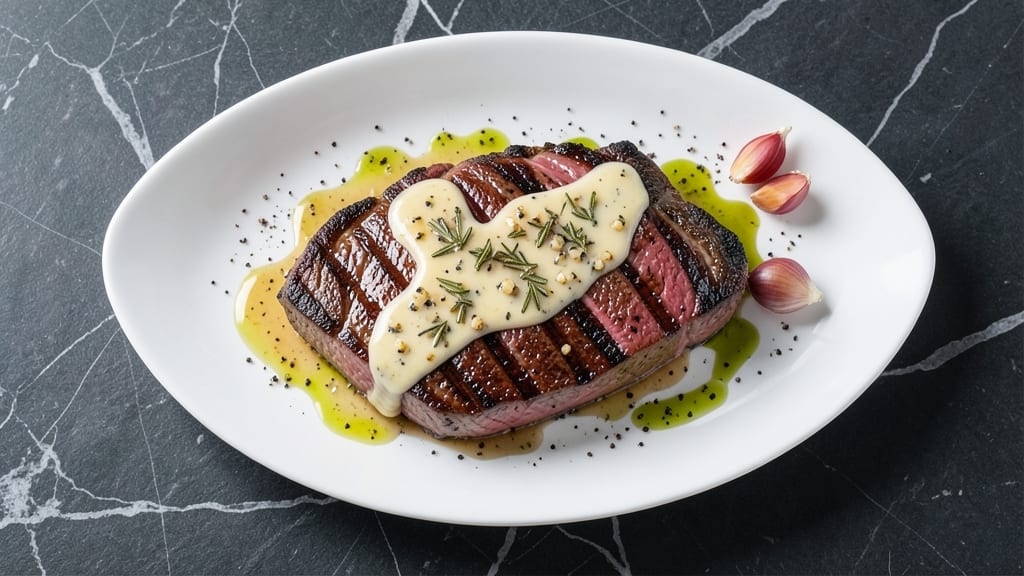
A perfect beef loin New York strip steak delivers a buttery crust and tender, medium-rare core that transforms any dinner into a restaurant-worthy experience. The key lies in precise temperature control and proper resting—techniques that elevate this cut from good to extraordinary.
After years of perfecting this method, I’ve developed a foolproof approach that ensures consistent results every time.
This recipe focuses on dry-brining the steak for enhanced tenderness and using high-heat searing to create that coveted crust. Reverse searing guarantees a perfect medium-rare center, while resting allows juices to redistribute for maximum flavor. The process is straightforward but requires attention to detail—no shortcuts here, just professional-grade results.
By the time you slice into your steak, you’ll find a rich, caramelized exterior and a juicy, pink interior that melts in your mouth. The aroma alone will have everyone at the table anticipating the first bite.
Pair it with a bold red wine reduction or classic garlic mashed potatoes for a complete meal that feels indulgent yet balanced.
Whether you’re grilling outdoors or searing in a cast-iron skillet, this method delivers restaurant-quality steak at home. Let’s get started with the steps that will change how you cook New York strips forever.
Ingredients for beef loin new york strip steak
This steak game-changer needs just twelve ingredients—no shortcuts, all flavor.
| Ingredient | Amount | Notes |
|---|---|---|
| Beef Loin New York Strip Steak 🥩 | 1 ½ lb | Center-cut, 1.5-inch thick |
| Kosher Salt 🧂 | 1 ½ tbsp | Diamond Crystal preferred |
| Freshly Ground Black Pepper 🌶️ | 1 ½ tsp | Coarse grind for texture |
| Extra-Virgin Olive Oil 🫒 | 2 tbsp | High smoke point preferred |
| Unsalted Butter 🧈 | ½ cup | Cold, cubed for basting |
| Garlic Cloves 🧄 | 4 cloves | Minced, for butter compound |
| Fresh Rosemary 🌿 | ¼ cup | Finely chopped, stems removed |
| Fresh Thyme Leaves 🌿 | 1 tbsp | Chopped, from sprigs |
| Red Wine 🍷 | ½ cup | Cabernet Sauvignon, dry |
| Heavy Cream 🥛 | ¼ cup | Full-fat for richness |
| Beef Tallow or Duck Fat 🧈 | 1 tbsp | For high-heat searing |
| Cast-Iron Skillet 🍳 | 1 whole | 12-inch, heavy gauge |
The beef loin New York strip is non-negotiable here—look for center-cut, 1.5-inch thick pieces with good marbling. Whole Foods or your local butcher will have the best quality, but even the grocery store's premium section works if you're quick. The thickness matters—anything thinner than 1.5 inches will overcook before hitting medium-rare. I always ask for it cut fresh if buying whole, but pre-cut steaks save time. For a crowd-pleasing touch, grab an extra pound and slice into 8-ounce portions after cooking.
No Diamond Crystal salt? Morton kosher salt works fine, but measure carefully—it's finer. Running out of red wine? Dry sherry or beef broth with a splash of balsamic gets you close. Fresh herbs wilt fast? Dried rosemary and thyme at half the amount—just crush them between your fingers to release the oils. The butter compound is where magic happens: cold butter, minced garlic, and herbs—don't skip the chilling step. For the skillet, cast iron is a must—if yours is rusty, scrub it with coarse salt and oil before heating. And if you're grilling? Reverse sear on the grill works too—just use a cast-iron griddle or grill pan.
Dry-brine the steak overnight in the fridge—this is the secret to juiciness. The butter compound can be prepped a day ahead and stored in the fridge. When basting, use a spoon to flip the butter—this creates those golden-brown pools. Resting is crucial: 10-15 minutes under foil, not on a cutting board. This steak reheats beautifully—warm in a 200°F oven for 10 minutes if needed. Leftovers? Slice thin and serve on toasted baguette—it's the ultimate steak sandwich. Store any unused butter compound in the fridge for up to 5 days or freeze for 3 months.
Why You'll Love This Recipe
- Same recipe, two vibes: toss it on the grill for summer BBQs or pan-sear it for a fancy-ish weeknight dinner. The salt and pepper are all you need—no fancy rubs, no stress.
- Foolproof Timing: I swear by this method—just 10 minutes of prep, then hands-off searing while the steaks hit that perfect medium-rare. The butter and olive oil basting? That’s the magic that happens while you’re still wiping your hands on a towel.
- Buttery Crust Magic: That crispy, golden crust? It’s all in the butter—just a few minutes of basting turns the steak into something restaurant-worthy. Honestly, the first time I did this, my partner asked if I’d hired a chef.
- Weeknight or Date Night: Same recipe, two vibes: toss it on the grill for summer BBQs or pan-sear it for a fancy-ish weeknight dinner. The salt and pepper are all you need—no fancy rubs, no stress.
Step-by-step instructions for beef loin New York strip steak with buttery crust
Here's the method that delivers a restaurant-quality crust and perfect medium-rare center every time.
Prepare the Herb Butter Compound
In a small mixing bowl, combine the 0.5 cup unsalted butter (cold and cubed), 4 cloves minced garlic, 0.25 cup finely chopped fresh rosemary, and 1 tablespoon chopped fresh thyme leaves. Mix gently with a fork until just combined—you want the herbs distributed throughout the butter without overworking it. This compound will create that luxurious buttery crust we're after.
Real talk: don't skip the cold butter. The cold cubes will melt during searing, creating steam that lifts the crust while keeping the interior juicy. Cover the bowl and refrigerate while you prepare the steak—this keeps everything cold until we're ready to use it.
Season and Sear the Steak to Perfection
Pat the 1.5 lb beef loin New York strip steak completely dry with paper towels—this is non-negotiable for crispy crust. Season both sides aggressively with 1.5 tablespoons kosher salt and 1.5 teaspoons freshly ground black pepper, pressing firmly so the seasoning adheres. Let it sit at room temperature for 30 minutes while you preheat.
Heat the 12-inch cast-iron skillet over high heat until it's screaming hot—you should see a thin layer of steam when you sprinkle water in. Add 1 tablespoon beef tallow or duck fat and let it shimmer. Place the steak in the skillet and press down gently with a spatula during the first minute to prevent curling. This ensures even contact with the pan.
Build the Buttery Crust and Create Pan Sauce
After 2 minutes on the first side (when you see deep golden-brown crust forming), flip the steak and immediately add 2 tablespoons extra-virgin olive oil and the herb butter compound. Tilt the pan slightly and spoon the melted butter over the steak continuously for 1 minute—this creates that signature buttery crust while basting the meat.
Flip the steak again and continue basting for another 1 minute. The butter should be sizzling and creating a beautiful foam on top. Now add 0.5 cup red wine and scrape up all those delicious browned bits from the bottom of the pan—this is where all the flavor lives. Let the wine reduce by half (2-3 minutes) until it's just starting to coat the back of a spoon.
Finish with Cream and Rest Properly
Remove the steak to a warm plate and tent loosely with foil. Pour the 0.25 cup heavy cream into the skillet and simmer for 1 minute until slightly thickened. Taste and adjust seasoning—you might need a pinch more salt or pepper to balance the rich flavors. This sauce will be silky and perfect for drizzling over your steak.
Let the steak rest for 10 minutes before slicing—this is absolutely critical. The juices need time to redistribute throughout the meat. If you cut into it too soon, all that delicious juice will run out onto your cutting board instead of staying where it belongs—in the steak.
Slice and Serve with Confidence
Slice the steak against the grain into ½-inch thick portions. The crust should be deep golden-brown with visible butter flecks, while the interior should be medium-rare with a perfect pink center. Drizzle generously with the pan sauce and serve immediately with any extra sauce from the skillet.
Here's the thing—this method guarantees a steak that's crispy on the outside, tender on the inside, and packed with herb-infused butter flavor in every bite. The wine reduction adds depth, while the cream sauce ties everything together. You'll have that restaurant-quality experience right at your home table.
Pro Tips For Making Beef Loin New York Strip Steak
- Start with a screaming pan: Cast iron or stainless steel only—nothing else gives that sear. High heat. Seriously, crank it up until the oil shimmers like a highway at noon. I learned this the hard way after slapping my steak into a nonstick pan and ending up with sad, gray edges instead of a crust that makes your eyes water.
- Salt before searing: Generously coat the steak with kosher salt at least 40 minutes before cooking—yes, even if it feels early. The salt needs time to penetrate the surface and season the meat all the way through. Skip this, and you’ll end up with a steak that tastes like it’s wearing a salt crust on the outside only.
- Butter at the end: Add the unsalted butter and a splash of olive oil only in the last 30 seconds of cooking. This isn’t just for flavor—it’s the moment the butter foams and bastes the steak, locking in juices and adding richness. Dump it in too early, and you’ll steam the meat instead of searing it.
- Rest under foil: Give it a solid 5-10 minutes under foil after plating—no peeking, no cutting. The meat keeps cooking off the heat, redistributing juices so your first slice isn’t a dry disappointment. I know, I know, but trust the process. Your future self will thank you.
Best sauces and condiments for this recipe
Classic Red Wine Reduction
The pan sauce you create during searing is already flavorful, but elevating it with a red wine reduction takes it to the next level. After removing the steak, deglaze the pan with ½ cup dry Cabernet Sauvignon, scraping up all those caramelized bits.
Simmer until reduced by half, then whisk in 1 tablespoon cold butter for silkiness. This sauce cuts through the richness of the steak beautifully and pairs perfectly with the herb butter crust. 🍷
Garlic-Herb Compound Butter
We already use this in the recipe, but let me tell you—it’s a game-changer. The cold butter compound with minced garlic, rosemary, and thyme melts during searing, creating a luxurious crust while infusing the steak with aromatic flavors.
For extra decadence, add 1 teaspoon lemon zest to the mix. This butter isn’t just for the steak; save any leftovers to top mashed potatoes, roasted veggies, or even grilled corn later. 🧈
Chimichurri Sauce
If you want a bright, herbaceous contrast to the rich steak, chimichurri is your answer. Blend ½ cup parsley, ¼ cup cilantro, 2 cloves garlic, 2 tablespoons red wine vinegar, ½ cup olive oil, and 1 teaspoon red pepper flakes until chunky.
The acidity and herbs cleanse your palate between bites, making each forkful of steak taste even more incredible. Serve it on the side for dipping or drizzle it over the sliced steak. 🌿
Béarnaise Sauce
For a more luxurious touch, whip up a homemade béarnaise using ¼ cup butter, 1 tablespoon white wine vinegar, 1 tablespoon fresh tarragon, 1 teaspoon Dijon mustard, and 1 shallot.
The tangy, buttery sauce adds a refined finish that feels like a high-end steakhouse experience. If you’re short on time, store-bought béarnaise works too—just heat it gently to maintain its emulsified texture. 🍽️
Smoky Chipotle Cream Sauce
Craving a little heat? Mix ½ cup sour cream, 1 tablespoon adobo sauce (from canned chipotles), 1 teaspoon lime juice, and ½ teaspoon smoked paprika for a smoky, creamy sauce that pairs surprisingly well with the steak’s richness.
The chipotle adds depth without overpowering, and the cream sauce balances the buttery crust. Drizzle it over the steak or serve it on the side for dipping. 🌶️
Simple Whipped Butter
Don’t underestimate the power of whipped butter—it’s the ultimate neutral canvas for any steak. Melt ½ cup butter, then whip it with a hand mixer until light and fluffy. Season with a pinch of kosher salt and freshly cracked black pepper.
This butter melts beautifully on the steak, letting its natural flavor shine while adding a touch of luxury. It’s also perfect for spreading on grilled bread or roasted potatoes to soak up any extra pan sauce. 🧈
Nutrition facts
Frequently asked questions
How thick should my New York strip steak be for perfect results?
Aim for 1.5-inch thickness—this ensures a juicy center while allowing time to develop that perfect crust. Thinner cuts (1-inch) will overcook before reaching medium-rare, while thicker cuts (>2-inches) may not sear evenly. If your butcher can't cut it this thick, ask for a center-cut portion from the loin.
Can I cook this steak on the grill instead of a skillet?
Use the reverse sear method for grilling: Sear over high heat for 1-2 minutes per side, then move to 250°F indirect heat until internal temp reaches 110-115°F (about 20-30 minutes). Finish with a quick sear on direct heat before resting. The butter compound works the same way—just melt it on the grill or in a cast-iron pan after searing.
What's the best way to tell when my steak is done?
Use a meat thermometer for accuracy—130°F is perfect medium-rare. For visual cues, press gently with your fingers: 130°F feels like pressing your thumb against your palm (firm but yielding). Overcooking past 140°F turns tender meat tough. Never rely on time alone—thickness and heat vary too much between grills and stoves.
Why does my steak turn out dry even when I rest it?
Dry steak usually means one of three things: overcooking (cut into it too soon), not enough fat (trim excess but leave some marbling), or skipping the rest (juices need 10-15 minutes to redistribute). For extra insurance, pat the steak dry before seasoning—moisture on the surface creates steam instead of crust. Also, avoid cutting against the grain if the meat is too tough.
Can I make this recipe with frozen steak?
Not ideal, but possible with adjustments. Thaw the steak overnight in the fridge (never at room temperature), then pat it completely dry before seasoning. The dry-brine step helps, but frozen meat holds more moisture, which can dilute your crust. For best results, plan ahead—fresh steak always delivers superior texture and flavor.