
Main Courses
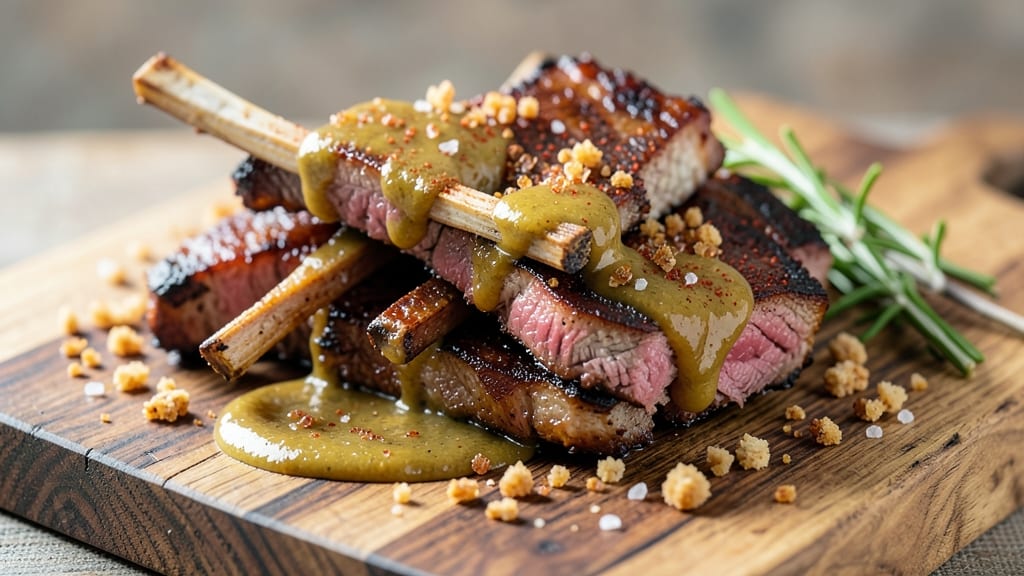
Mastering the beef rib smoke recipe transforms tough cuts into melt-in-your-mouth perfection that rivals any competition-style cook. I spent weeks perfecting this method after burning through three batches of ribs as a new cook—each time learning what went wrong.
The key lies in balancing bark development with tender meat, a lesson I learned the hard way during my first attempt.
This recipe delivers juicy ribs with a deep, smoky flavor and a crackling bark that’s impossible to resist. Using a simple dry rub and low-and-slow smoking technique, you’ll achieve restaurant-quality results without needing a fancy smoker.
The secret? Patience and precise temperature control—no shortcuts here, but the payoff is worth every minute.
By the time you pull these ribs from the smoker, you’ll have a dish that’s tender enough to fall off the bone, with a crust so crisp it shatters at the first bite.
The aroma alone will have everyone gathering around the table, and the flavor—smoky, savory, and perfectly balanced—makes this a showstopper for any occasion.
Serve with classic sides like coleslaw, baked beans, or cornbread to complete the meal. Whether you're cooking for a crowd or treating yourself to a special dinner, these ribs deliver the kind of satisfaction that turns weeknight cooking into a memorable experience.
Let’s get started on creating ribs that will have everyone asking for seconds.
Ingredients for beef rib smoke
Six pounds of meaty ribs, a smoky rub, and patience—this is how you turn tough cuts into fall-off-the-bone perfection.
| Ingredient | Amount | Notes |
|---|---|---|
| Beef Ribs (Back Ribs) 🥩 | 6 lb | Bone-in, meaty cuts preferred |
| Yellow Mustard 🍯 | ½ cup | For binder and flavor base |
| Brown Sugar 🍚 | ½ cup | Light or dark, packed |
| Kosher Salt 🧂 | ½ cup | Diamond Crystal preferred |
| Smoked Paprika 🌶️ | 2 tbsp | For deep smoky flavor |
| Garlic Powder 🧄 | 2 tbsp | Freshly ground preferred |
| Onion Powder 🧅 | 1 tbsp | For balanced sweetness |
| Black Pepper 🌶️ | 1 tbsp | Freshly cracked for heat |
| Ground Cumin 🌿 | 1 tbsp | Toasted for earthy depth |
| Chopped Wood Chips (Hickory or Oak) 🌳 | 4 cups | Soaked for 30 minutes |
| Apple Juice or Cider Vinegar 🍎 | ½ cup | For spritzing during smoke |
| Beef Broth 🥫 | 1 cup | For spritzing, low-sodium |
| Butter (Optional) 🧈 | ¼ cup | Melted for basting |
| Fresh Rosemary 🌿 | ¼ cup | Chopped, for finishing |
The ribs are non-negotiable. Back ribs with a good meat-to-bone ratio are key—Costco or local butchers often have the best quality. Look for vibrant color and marbling; avoid anything with yellowing fat or off smells. If you can't find back ribs, spare ribs work too, but trim excess fat first. The wood chips? Hickory gives bold smoke, oak adds a touch of sweetness—Trader Joe's sells pre-chopped bags that save time. Soak them in water for 30 minutes before using to prevent flare-ups.
No yellow mustard? Dijon mustard or apple cider vinegar work in a pinch, though the flavor won’t be identical. Brown sugar substitutes? Coconut sugar or maple syrup add depth, but adjust to taste. For the rub, Penzeys or bulk bins at natural stores have the best quality spices—avoid pre-mixed packets. The beef broth for spritzing? Low-sodium is critical; Swanson or Pacific Foods are reliable. Fresh rosemary is a game-changer for finishing, but dried at half the amount works if you’re in a hurry. And trust me on the butter baste—it’s worth the extra step for that restaurant-quality shine.
Prep the ribs the night before if possible—pat dry and refrigerate uncovered for 24 hours. This dries the surface, helping the rub stick and the bark form. The rub keeps for 3 months in an airtight container, so make extra for future smokes. Leftover ribs? Store in the fridge for 3 days or freeze for 2 months. Reheat slowly in the oven with a splash of broth—microwaving ruins the texture. And if anyone asks, the 3-2-1 method (3 hours at 225°F, then 2 hours at 250°F, finishing at 275°F) is your secret weapon for perfect bark.
Why You'll Love This Recipe
- I’ll be real: most smoked ribs taste sad the next day. Not these. The mustard keeps them moist, and the sugar adds a caramelized edge that stays crispy. Wrap ’em up, freeze ’em, or reheat ’em—no dry, sad meat here. Budget-friendly too, since a pack of ribs stretches for days.
- Five-Ingredient Magic: Honestly, I swear by this recipe because it’s that simple. Just ribs, mustard, brown sugar, salt, and smoked paprika—no fancy prep, no stress. Slather on the mix, smoke ’em low and slow, and you’re done. That’s it.
- Sweet-Smoky Bomb: Between us, the combo of brown sugar and smoked paprika on these ribs is ridiculously good. The mustard adds a tangy punch, while the sugar caramelizes into a sticky, glossy crust. Every bite has that perfect balance—sweet, smoky, and just a little spicy.
- Tailgate or Tuesday: Here’s what sold me—this works anywhere. Grill it for a backyard cookout, slow-cook it for a lazy Sunday, or even reheat leftovers for a quick weeknight meal. My daughter picks out the ribs for school lunches, and she’s not even a meat lover.
Step-by-step instructions for wood-fired beef ribs
Here's the method that delivers melt-in-your-mouth tenderness with that coveted wood-fired bark.
Prepare the Ribs and Rub
Start by soaking the 4 cups chopped wood chips in water for 30 minutes—this prevents flare-ups and ensures steady smoke. While that soaks, remove the beef ribs from packaging and pat them completely dry with paper towels. I can't stress this enough: dry ribs are essential for that perfect bark.
In a large bowl, combine the 0.5 cup yellow mustard, 0.5 cup brown sugar, 0.5 cup kosher salt, 2 tbsp smoked paprika, 2 tbsp garlic powder, 1 tbsp onion powder, 1 tbsp black pepper, and 1 tbsp ground cumin. Using your hands, work this dry rub into the ribs until every surface is evenly coated. The mustard acts as a binder that helps the rub stick during the long cook, while the sugar and spices create that signature caramelized crust.
Set Up the Smoker
Preheat your smoker to 225°F using the soaked wood chips. I prefer a two-zone setup if possible—keep the ribs in the cooler side of the smoker where the temperature remains most stable. Place a water pan in the smoker to maintain moisture levels, which is crucial for preventing dry ribs.
Once the smoker reaches temperature and you see steady, blue smoke (not white steam), place the ribs bone-side down on the grill grates. The meaty side should face up. This orientation allows the fat to render slowly and baste the meat as it cooks. Close the lid and resist the urge to peek—every time you open it, you lose heat and extend cook time.
Smoke and Spritz for Juicy Perfection
Smoke the ribs for 3 hours before starting the spritzing process. This initial phase allows the rub to form a crust while the meat begins to tenderize. After 3 hours, prepare your spritzing mixture by combining 0.5 cup apple juice or cider vinegar and 1 cup beef broth in a spray bottle. This acidic liquid helps break down collagen and keeps the meat moist.
Every 45 minutes after the initial 3 hours, spritz the ribs generously with this mixture. You'll know it's working when you see the bark darken and the ribs release a tantalizing aroma. Continue smoking until the internal temperature reaches 195-203°F at the thickest part of the meat (about 5-6 hours total). At this point, the ribs should be fork-tender and pull away from the bone with minimal resistance.
Wrap and Finish
When the ribs reach 195°F, it's time for the "Texas crutch"—wrap them tightly in butcher paper (not foil). This technique allows the ribs to finish cooking while preserving that beautiful bark. Return them to the smoker and continue cooking until the internal temperature reaches 203°F, about 1-2 hours more. The paper breathes just enough to let moisture escape while maintaining the crust.
Once done, transfer the ribs to a cutting board and tent loosely with foil. Let them rest for 15-20 minutes before serving. This resting period allows the juices to redistribute, ensuring every bite is as juicy as the first. While resting, melt 0.25 cup butter in a small saucepan and stir in 0.25 cup chopped fresh rosemary to create a simple basting sauce.
Serve with Confidence
Slice the ribs between each bone, cutting through the meat but leaving the bones intact for easy serving. Drizzle each portion with the rosemary butter and serve immediately. The ribs should have a dark mahogany bark on the outside and a pink, tender interior that practically falls off the bone. Each bite should deliver smoky, sweet, and savory flavors in perfect harmony.
Here's the thing—this method guarantees juicy ribs because we're controlling moisture through spritzing and wrapping while building that incredible bark through precise temperature management. Don't rush it; the low and slow approach is what makes these ribs unforgettable.
Pro Tips For Making Beef Rib Smoke
- Trim the Fat First: Cut off the thick silver skin and trim excess fat from the ribs before seasoning—it makes the bark crispier and the smoke cling better. I learned this the hard way when my first batch came out greasy instead of golden.
- Mix Mustard Last: Stir the yellow mustard into the sauce after the brown sugar and smoked paprika dissolve—otherwise, it’ll curdle from the heat. Sounds weird, but it works: the sauce stays smooth and tangy.
- Skip the Crowding: Don’t stack ribs in the smoker or pan—they’ll steam instead of sear. Leave space between them, even if it means two batches. Your future self will thank you when the crust isn’t soggy.
- Use a Meat Thermometer: Pull the ribs at 195°F internal temp, not when they look done. I used to eyeball it and ended up with dry meat—now I check the thickest part between bones. No guesswork.
Common mistakes when making this dish
Skipping the Dry
Nutrition facts
Frequently asked questions
What's the best temperature for smoking beef ribs?
Keep your smoker at a steady 225°F for the first 3 hours, then gradually increase to 250-275°F as you approach 203°F internal temp. This slow approach builds that perfect bark while keeping the meat juicy. A dual-probe thermometer is your best friend for accuracy—don't rely on guesswork!
Can I use a grill instead of a smoker?
Convert your grill to a smoker by adding a water pan and using a smoke tube or electric smoker box filled with soaked wood chips. Maintain 225°F by adjusting vents and monitor closely—grills can get hotter faster than dedicated smokers. The key is patience and temperature control.
How do I know when the ribs are done?
Use a meat thermometer to check the thickest part of the meat—it should read 203°F for perfect tenderness. The ribs should also pull away from the bone with light pressure and have a dark mahogany bark. If they're still tough at 203°F, they need more time (up to 8 hours total). Never rush this step!
What's the difference between back ribs and spare ribs?
Back ribs (rib section) have more meat and less fat, giving you a cleaner eating experience. Spare ribs (belly section) are leaner but require longer cooking. For this recipe, back ribs are ideal, but if you must use spare ribs, trim excess fat first and expect an extra 1-2 hours of cook time. The flavor difference is minimal—it's all about texture.
Can I make this recipe in an oven?
Yes, but it won't taste exactly the same. Use a smoker box or wood pellets in your oven and maintain 225°F with the door slightly ajar for ventilation. Expect 6-8 hours total cook time, and spritz every 45 minutes just like with a smoker. The bark won't be as crispy, but the meat will still be tender.