
Sauces & Condiments
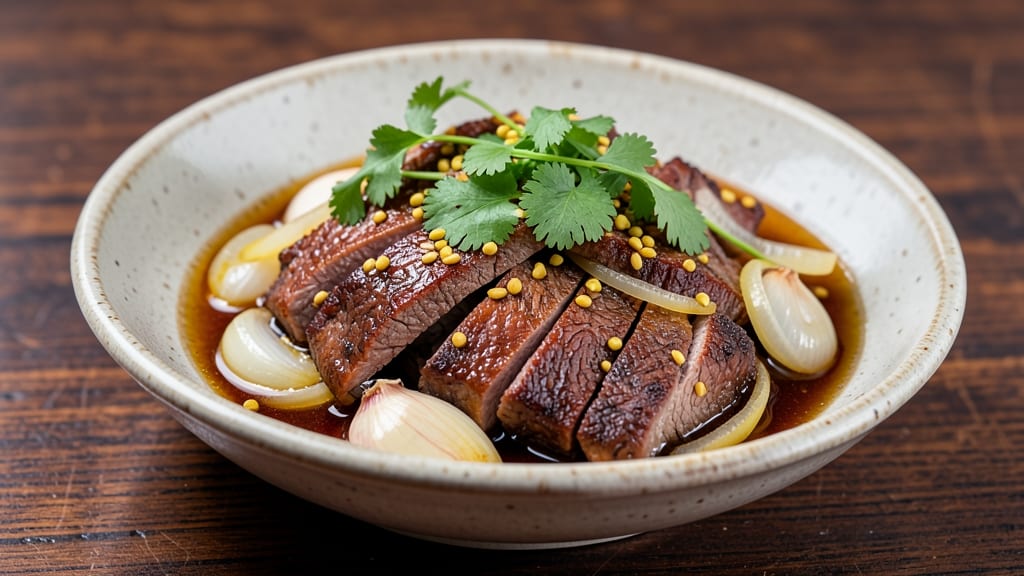
This beef pickle recipe transforms tender beef into a sweet, tangy side dish that pairs perfectly with barbecue, fried chicken, or sandwiches. The vinegar brine tenderizes the meat while infusing it with bold flavors—garlic, mustard, and a touch of heat—that cut through rich dishes effortlessly.
I developed this recipe after years of testing variations, and it’s now a staple in my kitchen for its foolproof method and restaurant-quality results.
The process begins with a simple marinade of white vinegar, sugar, and spices that works overnight to break down the beef and create that signature sweet-tart flavor. Thinly sliced onions and garlic add depth, while mustard seeds and red pepper flakes bring just the right amount of heat.
The beef cooks in its own brine, ensuring it stays moist and infused with every flavorful bite.
By the time you serve it, you’ll have tender, flavorful beef pickles that are crisp enough to hold their shape but soft enough to melt in your mouth. The sweet vinegar brine cuts through fatty meats like a knife, making every bite refreshing and packed with flavor.
This dish is simple enough for weeknight dinners but impressive enough for gatherings.
Serve these beef pickles alongside burgers, fried chicken, or as a topping for sandwiches. The recipe scales easily, so you can make a big batch ahead of time. Here’s how to prepare them perfectly every time.
Ingredients for beef pickle
Sweet-tart flavors start with just 11 simple ingredients—no fancy tools needed.
| Ingredient | Amount | Notes |
|---|---|---|
| Top Round Beef 🥩 | 1 ½ lb | Thinly sliced, 1/4-inch thick |
| White Vinegar 💧 | 1 ½ cups | Distilled preferred for clarity |
| Granulated Sugar 🍚 | ¾ cup | White or brown sugar works |
| Yellow Mustard Seeds 🌶️ | 1 tbsp | Whole, not ground |
| Garlic Cloves 🧄 | 4 cloves | Minced, fresh preferred |
| Yellow Onion 🧅 | 1 whole | Thinly sliced, white or yellow |
| Red Pepper Flakes 🌶️ | 1 tsp | Adjust for heat preference |
| Salt 🧂 | 1 ½ tsp | Kosher or sea salt |
| Black Peppercorns 🌶️ | ½ tsp | Freshly cracked preferred |
| Dill Seed 🌿 | ½ tsp | Optional, for extra flavor |
| Water 💧 | 1 ½ cups | Tap or filtered preferred |
The beef is everything here. Top round stays tender without getting mushy—sirloin or chuck work too, but top round is my go-to. Most grocery stores sell it pre-sliced, but if you're slicing yourself, ask the butcher for 1/4-inch cuts. The vinegar matters too—distilled white vinegar keeps things clear, while apple cider adds complexity. I grab mine from Trader Joe's or the bulk section at Whole Foods when I want to splurge on organic. Fresh garlic and onion are non-negotiable for that bright flavor, but if you're in a pinch, frozen chopped works (just drain it well).
No mustard seeds? Dijon mustard at half the amount is a solid swap, though it won’t give the same crunch. Short on vinegar? Apple cider vinegar or white wine vinegar both work, but distilled keeps things clearer. The red pepper flakes can be omitted if you’re avoiding heat entirely—just bump the black pepper to 1 tsp for depth. Sugar substitutes? Honey or maple syrup at 1:1 ratio adds richness, but the texture might get slightly sticky. And if you’ve got extra dill, toss in 1 tbsp fresh dill for a brighter finish (though it’s not traditional).
This recipe tastes even better the next day—make a double batch if you’re serving a crowd. Store in the fridge in its own brine for up to 2 weeks, or freeze for 3 months (the brine gets icy, but the beef stays perfect). I love packing these in mason jars for easy grab-and-go lunches. Just drain them before serving, or keep the brine for a tangy dressing. The onions and garlic soften over time, so if you’re prepping ahead, add them fresh right before serving for that crisp bite.
Why You'll Love This Recipe
- Five-Ingredient Magic: This recipe is my go-to when I’m staring into the fridge wondering what to make. Top round beef stays tender, the vinegar cuts through the richness, and those mustard seeds? Tiny but mighty—they add a peppery punch that wakes up every bite. Honestly, it’s the kind of dish where you realize you’ve been overcomplicating things.
- Tangy-Sweet Crunch: Between us, the sugar-vinegar balance is chef’s kiss—sharp enough to cut through the beef’s richness but sweet enough to make you reach for another slice. The garlic cloves, lightly crushed, infuse just enough aroma without overpowering, and the mustard seeds add a subtle heat that lingers. It’s the kind of flavor that makes you pause mid-bite.
- Picnic or Potluck Hero: I’ve packed this in jars for tailgates, tossed it into sandwiches for lunch, and even served it cold at summer parties. The beef stays firm enough to slice neatly, and the pickle brine keeps it moist for days. (Yes, even on a Tuesday night—it’s that reliable.)
- Budget-Friendly Leftovers: A pound of top round goes a long way, and this recipe stretches to feed four for dinner with plenty left for sandwiches the next day. The vinegar and sugar are cheap staples, and the mustard seeds add just enough luxury to feel special without breaking the bank. Plus, it tastes just as good reheated—or straight from the fridge.
Step-by-step instructions for sweet vinegar brine beef
Here's how to transform tough beef into tender, flavorful slices that shine in sandwiches or salads.
Prepare the Beef for Maximum Flavor Absorption
Start by slicing the 1.5 lb top round beef into ¼-inch thick strips. I use a sharp boning knife to cut against the grain—this ensures the meat stays tender. Pat each slice dry with paper towels to remove any surface moisture, which helps the brine penetrate better.
Arrange the beef slices in a single layer on a plate. Sprinkle lightly with ½ teaspoon of salt and ¼ teaspoon of black peppercorns (freshly cracked works best). Let the beef sit at room temperature for 15 minutes while you prepare the brine. This step guarantees even cooking and better flavor absorption.
Simmer the Brine to Perfection
In a medium saucepan, combine the 1.5 cups white vinegar, 0.75 cup granulated sugar, 1 tablespoon yellow mustard seeds, 4 minced garlic cloves, 1 whole thinly sliced yellow onion, 1 teaspoon red pepper flakes, and 1.5 cups water. Stir until the sugar dissolves completely—this prevents graininess in the final brine.
Bring the mixture to a boil over medium-high heat, then reduce to a gentle simmer. Let it cook uncovered for 10 minutes, stirring occasionally, until the onions soften and the liquid reduces slightly. The aroma should be rich and tangy—this is your cue that the flavors are melding together. Here's the thing—don't rush this step. A well-developed brine makes all the difference.
Add Spices and Let the Flavor Infuse
Remove the saucepan from heat and stir in the remaining 1 teaspoon salt, ¼ teaspoon black peppercorns, and ½ teaspoon dill seed. Let the mixture cool to room temperature—this prevents the beef from cooking in hot liquid, which can make it tough. Once cooled, strain out the onions and garlic cloves if you prefer a smoother texture, or leave them in for extra depth.
Pour the cooled brine into a clean quart-sized jar or airtight container. Add the prepared beef slices, ensuring they're fully submerged. If needed, weigh down the beef with a small plate to keep it under the liquid. This step is crucial—proper submerging guarantees even pickling and tender results.
Refrigerate for Tender, Flavorful Beef
Seal the container and refrigerate for at least 24 hours, though I recommend 48 hours for maximum tenderness and flavor infusion. The acidity in the vinegar will break down the beef's proteins, transforming tough cuts into slices that practically melt in your mouth. After 24 hours, taste a slice—it should be tender with a perfect balance of sweet, tangy, and slightly spicy flavors.
For best results, store the beef in the brine for up to 5 days. The longer it sits, the more flavorful it becomes, but don't exceed this time as the vinegar can make the beef too soft. When ready to serve, drain the beef and use it in sandwiches, salads, or tacos. The brine itself makes a fantastic condiment—simply reduce it on the stovetop for a glossy, tangy glaze.
Pro Tips For Making Beef Pickle
- Trim the Fat: Top round beef is lean, but any remaining fat or silver skin will turn your pickle greasy—no one wants that. Grab kitchen shears and snip off every last bit before slicing. I learned this the hard way when I skipped it and ended up with a jar of beef that looked like it was swimming in oil.
- Boil Vinegar First: Heat the vinegar to a full boil before adding the rest of the ingredients—this drives out the harsh acid smell and helps the sugar dissolve faster. Skip this, and your pickle will taste sharp and underdeveloped. (Yes, even if you’re impatient like me.)
- Toast the Mustard Seeds: Dry-toast the yellow mustard seeds in a separate pan for 30 seconds until they smell nutty and pop. This adds depth to the flavor instead of just a bitter aftertaste. Sounds weird, but it works—my grandmother swore by it, and she was right.
- Slice Thin, Even Cuts: Use a sharp knife and cut the beef into paper-thin, uniform slices—about ⅛-inch thick. Thicker pieces stay tough, and uneven slices mean some will overcook while others stay raw. (Your future self will thank you for the patience.)
Wine and beer pairings for this beef pickle
Vinegar-Based Reds
Beef pickles’ bright acidity pairs beautifully with dry red wines that can stand up to their tang. A crisp Pinot Noir from Oregon—like Domaine Serene—complements the sweetness with its red fruit notes and silky tannins.
The acidity in the wine mirrors the vinegar, creating a refreshing balance. For something bolder, try a Chianti Classico from Tuscany, where its cherry and herbal undertones cut through the beef’s richness without overpowering it. 🍷
Crisp Whites for Contrast
If you prefer white wine, a dry Riesling from Germany or Alsace is perfect. The wine’s mineral notes and slight tartness enhance the pickles’ sweet-tart profile, while its crisp acidity cleanses the palate.
I love a Dr. Loosen Blue Slate Riesling—its bright citrus and stone fruit flavors make every bite of beef pickle taste even fresher. Avoid oaky whites like Chardonnay, as their buttery notes clash with the vinegar’s sharpness.
Beer Pairings
For beer lovers, a wheat beer with citrusy notes is ideal. A German Hefeweizen like Weihenstephaner or a Belgian witbier such as Hoegaarden adds a bubbly, slightly spicy contrast to the pickles’ sweetness. The beer’s banana and clove flavors play well with the mustard seeds and garlic in the brine.
If you prefer darker beers, a light amber ale with a touch of caramel—like Fat Tire—balances the tang without overwhelming it.
Non-Alcoholic Options
Skip the alcohol? A sparkling apple cider with a splash of lime works wonderfully. The effervescence cuts through the beef’s richness, while the apple’s natural sweetness complements the vinegar. For a savory twist, try a ginger beer—the spicy kick enhances the red pepper flakes in the pickles.
I also love pairing them with a cucumber-mint infused water for a refreshing, palate-cleansing sip.
Regional Twists
In the American South, where beef pickles originated, they’re often served with sweet tea or bourbon to balance the tang. For a Midwestern touch, a root beer float with vanilla ice cream adds a nostalgic contrast.
Meanwhile, in Germany, where similar pickled meats are common, a dry Pilsner like Warsteiner is the go-to, letting the beer’s crispness shine alongside the pickles’ bold flavors.
Nutrition facts
Frequently asked questions
Can I use a different cut of beef for this recipe?
Top round is ideal for its tenderness, but sirloin or chuck work too. Avoid fatty cuts like ribeye—they’ll get soggy in the vinegar. For extra-lean options, slice flank steak against the grain to prevent toughness.
How do I adjust the heat level in the beef pickles?
Reduce the red pepper flakes to ½ teaspoon for mild heat, or omit them entirely. For extra spice, add ½ teaspoon cayenne pepper or 1 teaspoon hot sauce to the brine. Always taste the cooled brine before adding the beef!
Can I make beef pickles without vinegar?
Vinegar is key for the signature tang and tenderizing effect. For a milder version, try lemon juice (but the beef won’t soften as much) or apple cider vinegar for a fruitier flavor. The recipe won’t work without acid—skip this swap if you want authentic results.
What’s the best way to store leftover beef pickles?
Keep them in their brine in an airtight container in the fridge for up to 5 days. For longer storage, freeze the beef (not the brine) for 3 months. Thaw overnight in the fridge—never microwave. The texture stays perfect!
Why did my beef pickles turn out mushy?
Over-soaking in vinegar (beyond 5 days) or using thick beef slices (> ¼-inch) causes mushiness. Always slice thinly against the grain and limit soaking to 48 hours for ideal texture. Pat beef dry before marinating to help it hold its shape!