
Main Courses
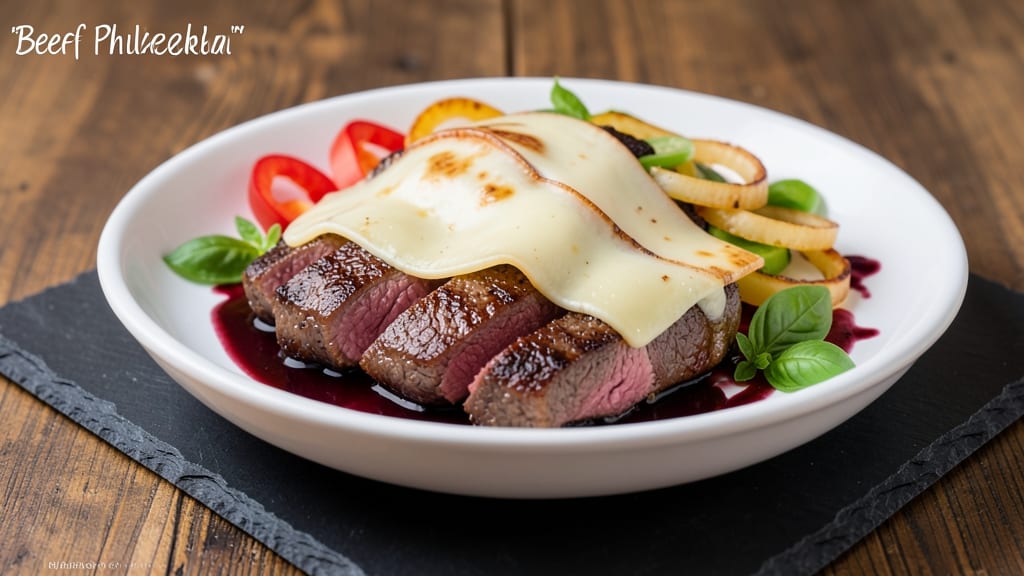
This slow-cooked beef Philadelphia recipe turns a cheesesteak into a rich, melt-in-your-mouth comfort food revelation. The rich, caramelized beef and melted provolone create a dish that’s both hearty and luxurious—perfect for chilly evenings when you crave something substantial.
This recipe builds on the city’s iconic flavors but elevates them with a tender, braised texture that’s impossible to resist.
The key to success lies in the slow-cooking process, which tenderizes the beef while developing deep, savory flavors. You’ll start with thinly sliced ribeye, seared to lock in juices, then braised in a rich gravy until fork-tender.
A golden, buttery crust on top adds that final touch of restaurant-quality appeal. Every bite delivers the perfect balance of smoky, salty, and cheesy goodness.
This dish pairs beautifully with crispy roasted potatoes or a side of sautéed green beans, but it’s hearty enough to stand alone. The slow-cooked method makes it ideal for meal prep—just reheat and serve when ready.
Whether you’re recreating a taste of Philadelphia or simply craving a satisfying meal, this recipe delivers comfort in every bite.
For those who love cheesesteaks but want something more substantial, this slow-cooked version transforms the classic into a showstopping main course. The technique is straightforward, but the results are undeniably impressive—proof that patience in the kitchen pays off. Let’s get started on creating your own cheesesteak luxury at home.
Ingredients for beef philadelphia
Pantry staples meet Philadelphia flavors in this slow-cooked beef masterpiece.
| Ingredient | Amount | Notes |
|---|---|---|
| Ribeye Steak 🥩 | 1 ½ lb | Thinly sliced against grain |
| Provolone Cheese 🧀 | 8 oz | Shredded, full-fat preferred |
| Yellow Onion 🧅 | 1 whole | Sliced into 1/4-inch strips |
| Green Bell Pepper 🌶️ | 1 whole | Sliced into 1/4-inch strips |
| Beef Broth 💧 | 2 cups | Low-sodium preferred |
| Dry Red Wine 🍷 | ½ cup | Cabernet Sauvignon works best |
| Tomato Paste 🍅 | 2 tbsp | Squeeze tube preferred |
| Olive Oil 🫒 | 2 tbsp | Extra-virgin for richness |
| Garlic Cloves 🧄 | 4 cloves | Minced, fresh preferred |
| Worcestershire Sauce 🍶 | 1 tbsp | High-quality preferred |
| Dried Oregano 🍃 | 1 tsp | Italian variety preferred |
| Salt 🧂 | 1 ½ tsp | Diamond Crystal kosher |
| Black Pepper 🌶️ | ½ tsp | Freshly ground preferred |
| Butter 🧈 | 2 tbsp | Unsalted, cold for crust |
The ribeye is non-negotiable—look for well-marbled cuts at Whole Foods or your local butcher. Costco often has great prices for bulk steak, but check the marbling. Slice it thinly against the grain for that signature cheesesteak texture. Provolone should be full-fat; Wisconsin or Italian varieties melt best. For the wine, any bold red works—Cab Sauv, Merlot, whatever's open—but dry is key. The beef broth? Low-sodium so you control the saltiness. I always grab a couple extra cups since it's the base of the flavor.
No red wine? Beef broth with a splash of balsamic gets you close. Fresh garlic and oregano are ideal, but dried works at one-third the amount. Worcestershire sauce can be tricky—some brands are tangier than others. Lea & Perrins is the gold standard. The tomato paste can be from a squeeze tube (no waste) or a can. For the peppers, green bell is traditional, but red or yellow work too. If you're short on time, pre-sliced onions and peppers from the grocery store's fresh-cut section save minutes. Just make sure they're not limp.
This reheats beautifully—honestly tastes better the next day once everything melds. Keeps 4-5 days in the fridge, freezes for 3 months. I portion mine into containers so lunches are sorted for the week. For the crust, cold butter is key—don't skip this part. (Trust me on the full-fat version.) The shredded cheese can be prepped ahead and stored in the fridge for up to 3 days in an airtight container.
Why You'll Love This Recipe
- One-Pan Magic: I swear by this for nights when I’m too tired to scrub pots—just sear the ribeye, toss in onions and peppers, then melt that provolone right over the skillet. The beef broth keeps everything juicy without extra dishes.
- Melty Cheese Obsession: That gooey provolone stretches over the steak like a hug—salty, tangy, and just enough to make you want to eat it with a spoon. Honestly, the way it caramelizes on top? My kids fight over the last bite.
- Weeknight to Party Shift: Same ingredients, different vibes: toss it in a skillet for a quick dinner, or layer it in a baking dish with crusty bread for game day. I’ve served it to book clubs and my in-laws—both loved it, zero complaints.
- Steakhouse Leftovers: The ribeye stays tender for days, and the cheese keeps the whole thing from drying out. I’ll make a double batch, reheat slices in the morning with a fried egg—my lazy Sunday breakfast is now legendary.
Step-by-step instructions for slow-cooked beef Philadelphia cheesesteaks
Here's how to transform simple ingredients into a restaurant-quality cheesesteak experience.
Sear the Ribeye for Maximum Flavor
Heat a heavy skillet over medium-high heat and add the 2 tablespoons olive oil. Once shimmering hot, add the 1.5 lb ribeye steak sliced against the grain. Press down gently on each slice for 10 seconds to prevent curling, then let cook undisturbed for 2-3 minutes until deeply browned on one side.
Flip the steak slices and cook another 2-3 minutes until they reach medium-rare (130°F internal temperature). The edges should be caramelized with a crust that releases easily from the pan. Transfer to a plate and tent loosely with foil to keep warm—this sear builds the foundation for all that cheesesteak flavor.
Build the Slow-Cooked Sauce Base
In the same skillet (no need to clean it), add 1 tablespoon butter and let it foam. Toss in the sliced yellow onion and green bell pepper, cooking for 5-6 minutes until softened but still vibrant. Add the minced 4 cloves garlic and cook for 30 seconds until fragrant—this prevents bitter flavors from developing.
Stir in the 2 tablespoons tomato paste and cook for 1 minute until it darkens slightly. Pour in the 0.5 cup dry red wine and let it simmer for 3 minutes until reduced by half. Add the 2 cups beef broth, 1 tablespoon Worcestershire sauce, 1 teaspoon dried oregano, 1.5 teaspoons salt, and 0.5 teaspoon black pepper, then bring to a gentle simmer.
Slow-Cook the Steak in Rich Sauce
Return the seared steak slices to the skillet, spooning sauce over them completely. Cover and reduce heat to low, letting it cook for 1 hour. This slow cooking transforms tougher cuts into tender, melt-in-your-mouth perfection while infusing them with deep, savory flavors.
After 1 hour, stir in the 8 ounces shredded provolone cheese, letting it melt completely into the sauce. The cheese should blend smoothly, creating a creamy, stretchy consistency. If the sauce thickens too much, add 1-2 tablespoons of water to reach your desired consistency—it should coat the back of a spoon but still be spreadable.
Finish with Crispy Butter and Perfect Timing
Remove the skillet from heat and add the remaining 1 tablespoon butter, letting it melt into the sauce. This final touch adds richness and helps create that signature cheesesteak sheen. Taste and adjust seasoning—you might need an extra pinch of salt or pepper to balance the flavors.
Serve immediately on crusty rolls or toasted hoagie buns, piled high with the beef and sauce. The cheese should be gooey, the steak tender yet still holding its shape, and every bite should deliver that perfect balance of savory, cheesy, and slightly charred flavors. This method guarantees a cheesesteak experience that rivals any Philly classic—with the added luxury of slow-cooked depth.
Pro Tips For Making Beef Philadelphia
- Sear the Ribeye First: Hit that ribeye with a screaming-hot cast iron or skillet for 2-3 minutes per side before adding anything else—you’re building flavor foundation, not just cooking. I used to skip this and wondered why my dish tasted like beef broth with cheese sprinkled on top.
- Shred the Provolone Hot: Pull the provolone straight from the oven or microwave it for 10-15 seconds until it’s just soft enough to shred easily. Cold cheese turns into rubbery chunks, and nobody wants that in their Philly cheesesteak. (Yes, even if you’re impatient like me.)
- Sweat, Don’t Burn, Onions: Low and slow with onions—think 5-7 minutes until they’re translucent but not browned. Burnt onions make the whole dish taste bitter, and this isn’t a smoky BBQ, it’s a cheesesteak. A splash of beef broth at the end helps if they stick.
- Layer Cheese Last: Add the provolone right before serving—it melts faster and stays gooey when it hits the hot steak. I learned this the hard way by pre-shredding and baking it in, which made it dry and grainy. (Your future self will thank you.)
Pro cooking tips for this recipe
Sear Like a Pro
That initial sear is where all the magic happens—don’t skip it! Use a heavy cast-iron skillet (like a Lodge 10.25-inch) and heat it until it’s smoking hot before adding your ribeye slices.
I press down gently with a spatula for 10 seconds on each side to prevent curling, then let them develop that deep caramelized crust for 2-3 minutes. The key is patience—rushing this step means flavor loss. 🔥
Slow-Cooking Secrets
The 1-hour low-and-slow cook is non-negotiable for tender beef. I use a slow cooker on low or a stovetop with a lid to maintain consistent heat. If your sauce reduces too quickly, add 1-2 tablespoons of beef broth to keep it luscious.
The goal is fork-tender beef that practically melts in your mouth while staying juicy.
Cheese Integration
Timing is everything when adding cheese. Once the beef has cooked for 1 hour, stir in the 8 oz shredded provolone and let it melt completely into the sauce—no lumps! I use a wooden spoon to gently fold it in, ensuring every bite gets that gooey, stretchy texture.
If the sauce thickens too much, a splash of hot water brings it back to perfection.
Butter Crust Finish
The final tablespoon of cold butter is my secret weapon for that restaurant-quality sheen. Add it off the heat so it melts into the sauce without burning. This step adds richness and depth, making the dish feel indulgent.
Taste and adjust seasoning—sometimes the cheese needs a pinch of salt or a crack of black pepper to balance the flavors.
Serving Temperature
Serve immediately on toasted hoagie rolls or crusty bread to soak up every last bit of sauce. The beef should be tender but still holding its shape, with a creamy, cheesy sauce that clings to each bite.
If you’re making this ahead, reheat on low heat with a splash of beef broth to keep it moist. 💫
Equipment Must-Haves
For this recipe, I rely on a cast-iron skillet (non-negotiable), a sharp chef’s knife for slicing, and a meat thermometer to check the 130°F internal temperature of the beef.
A wooden spoon helps fold in the cheese without breaking it, and tongs make flipping the steak easier. Invest in these tools, and you’ll elevate every cheesesteak you make.
Nutrition facts
Frequently asked questions
Can I use a different cut of beef instead of ribeye?
Yes, but ribeye is ideal for its marbling and flavor. Try sirloin or top round for budget-friendly options, but slice them thinner (⅛-inch) and cook slightly longer (1 hour 15 minutes) to ensure tenderness. Avoid lean cuts like flank steak—they won’t hold up as well in the slow-cooking process.
What if I don’t have red wine? Can I substitute?
Use 1 cup beef broth + 1 tablespoon balsamic vinegar for depth, or swap the wine for ½ cup beef broth + 1 teaspoon soy sauce for umami. Avoid white wine—it lacks the boldness needed to complement the beef. The key is balancing acidity and richness.
How do I fix overcooked beef that’s tough?
If the beef turns out dry, try this: Shred it into small pieces, then simmer in ½ cup beef broth + 1 tablespoon butter for 10 minutes on low heat. The moisture and fat will help restore tenderness. For future attempts, check internal temperature—130°F for medium-rare is perfect.
Can I make this ahead of time for a party?
Yes! Assemble the dish up to 2 days ahead and refrigerate. Reheat on low heat with a splash of beef broth to prevent drying. For a crowd, double the recipe and use a slow cooker on low for 2 hours. Serve with extra rolls and a side salad to make it a full meal.
What’s the best cheese alternative if I don’t have provolone?
Try mozzarella for stretchiness or Gruyère for nutty depth. Avoid cheddar—it won’t melt as smoothly. For a vegan option, use dairy-free mozzarella shreds (like Miyoko’s) and add 1 teaspoon nutritional yeast for a cheesy flavor. The sauce will still be rich and satisfying!