
Main Courses
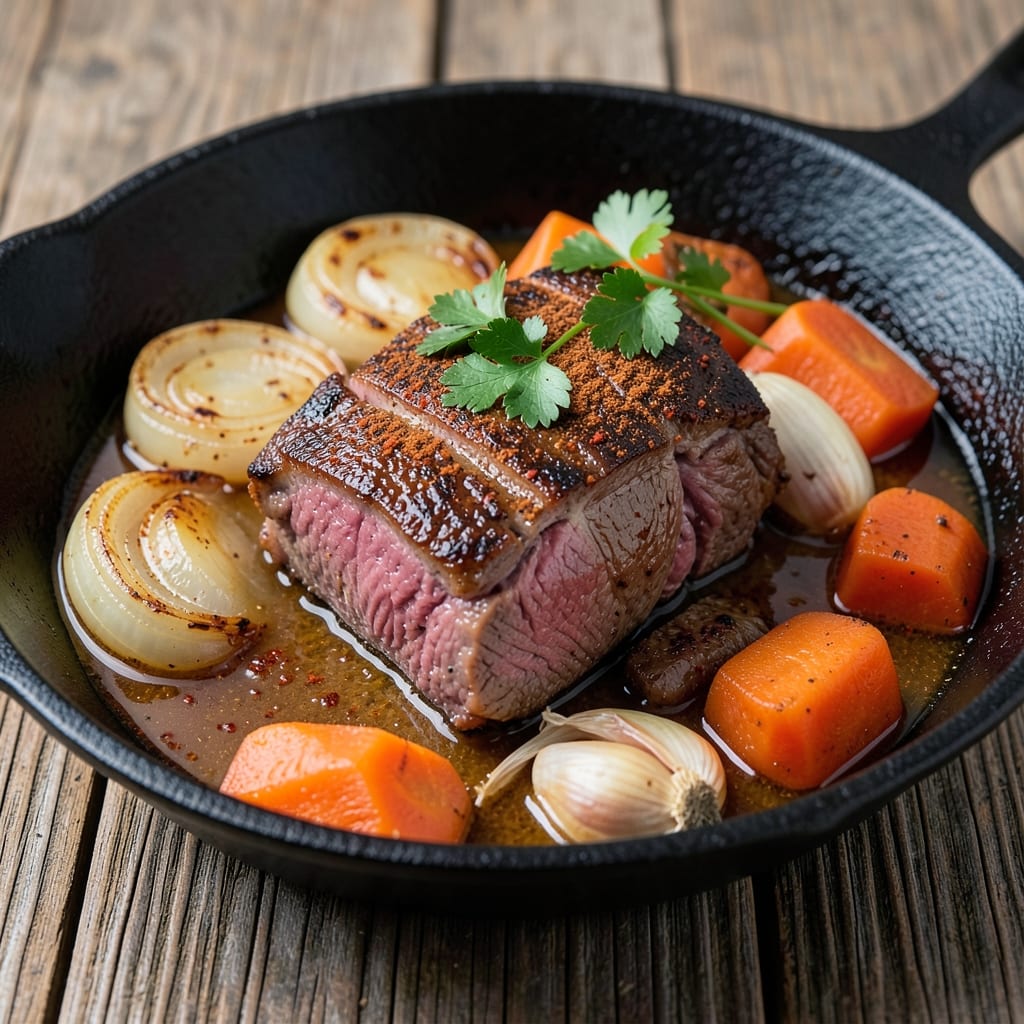
This Beef A Casa Portuguese recipe transforms tough beef into melt-in-your-mouth tenderness through slow cooking with paprika, cinnamon, and garlic—a dish that carries the soul of Portuguese home cooking. The secret lies in the patient simmering that breaks down the meat while developing deep, aromatic flavors that linger long after the last bite. I first discovered this recipe during a trip to Alentejo, where it’s a staple for family gatherings and Sunday dinners.
The dish begins with a rich, spiced base of garlic, paprika, and cinnamon that caramelizes beautifully in the pot, creating a fragrant foundation for the beef. Unlike quick-cooked stews, this recipe rewards patience—slow-cooked for hours until the meat falls apart effortlessly. The result is a dish that feels both rustic and refined, perfect for feeding a crowd or savoring in quiet moments at home.
What makes this recipe stand out is how it balances simplicity with depth—just a handful of ingredients working together to create something extraordinary. The tender beef absorbs the warm spices perfectly, while the sauce thickens into a velvety consistency that coats every bite. This is comfort food at its finest, bringing a taste of Portugal to your dinner table without the fuss.
Serve it with crusty bread to soak up every last drop of that rich sauce, or pair it with roasted potatoes for a complete meal. The leftovers only get better the next day, making it ideal for meal prep. Let’s get cooking—this dish is worth the wait.
Ingredients for beef a casa portuguese
Six aromatic spices and tender beef create this Portuguese comfort dish worth hours of slow cooking.
| Ingredient | Amount | Notes |
|---|---|---|
| Beef Chuck Roast 🥩 | 3 lb | Pre-cubed or cut into 2-inch pieces |
| Sweet Paprika 🌶️ | 2 tbsp | Smoked paprika for deeper flavor |
| Ground Cinnamon 🌿 | 1 tsp | Freshly ground preferred |
| Garlic Cloves 🧄 | 6 cloves | Minced for even distribution |
| Onion 🧅 | 1 whole | Yellow onion, chopped |
| Carrots 🥕 | 4 medium | Peeled and sliced into rounds |
| Tomato Paste 🍅 | ½ cup | High-quality for richness |
| Red Wine 🍷 | 1 cup | Bold dry red like Cabernet |
| Beef Broth 💧 | 3 cups | Low-sodium preferred |
| Olive Oil 🫒 | 2 tbsp | Extra-virgin for flavor |
| Bay Leaves 🍃 | 2 whole | Fresh if possible |
| Salt 🧂 | 1 ½ tsp | Kosher or sea salt |
| Black Pepper 🌶️ | 1 tsp | Freshly ground preferred |
| Fresh Parsley 🌿 | ¼ cup | Chopped for garnish |
The beef is the star—chuck roast delivers that melt-in-your-mouth texture when cooked low and slow. Look for well-marbled cuts at Whole Foods or your local butcher shop. Pre-cubed saves time, but if you're cutting yourself, aim for 2-inch pieces so they cook evenly. The paprika should be sweet or smoked—avoid the hot varieties unless you want extra heat. For the cinnamon, ground is fine, but if you have whole sticks, toast them lightly before grinding for deeper flavor. Garlic and onions form the aromatic base, so don't skimp—6 cloves and 1 whole onion are perfect for this batch.
No red wine? Dry sherry or beef broth works in a pinch, though wine adds that je ne sais quoi. The tomato paste can be swapped for 1 cup crushed tomatoes if you prefer, but paste gives better thickness. Fresh bay leaves elevate the dish, but dried at half the amount is acceptable. If you're short on carrots, parsnips or potatoes work equally well—they just need slightly more cooking time. For the broth, low-sodium is key so you can control the seasoning. And if you're feeling fancy, finish with a splash of Portuguese white wine instead of water to deglaze the pot.
This dish tastes even better the next day—3-4 days in the fridge, covered tightly. For longer storage, freeze portions for up to 3 months. I always make a double batch because the leftovers reheat beautifully with a splash of broth. The sauce thickens as it cools, so add a little water or broth when reheating if it seems too stiff. For serving, I like to sprinkle with fresh parsley and a drizzle of olive oil—trust me, it makes a difference. Pair with crusty bread or roasted potatoes for the full Portuguese experience.
Why You'll Love This Recipe
- One-Pan Magic: I swear by this recipe when I’m too tired to dirty more than one pan. Sear the chuck roast, toss in onions and garlic, then let the paprika and cinnamon work their slow-cooked magic—no flipping, no fuss, just hands-off flavor.
- Spice Bomb Delight: That sweet paprika and cinnamon combo? It’s like a warm hug for your taste buds. The beef ends up tender with a deep, smoky-sweet crust that makes me reach for seconds without thinking.
- Leftovers That Shine: Between us, this dish tastes better the next day. I make a double batch on Sundays—slice it for sandwiches, toss it into salads, or serve it over rice. It’s my go-to for lazy lunches all week.
- Budget-Friendly Feast: A chuck roast stretches across meals, and the spices cost pennies. Honestly, it’s one of those recipes where you get restaurant-quality comfort for a fraction of the price. My wallet thanks me every time.
Step-by-step instructions for slow-cooked Portuguese beef
Transform tough beef chuck into melt-in-your-mouth tenderness using Portuguese techniques and aromatic spices.
Sear the Beef for Deep Flavor
Heat the 2 tablespoons olive oil in a large Dutch oven over medium-high heat until shimmering. Working in batches if needed, add the 3 lb beef chuck roast cut into 2-inch pieces and sear for 3-4 minutes per side until developing a deep golden-brown crust.
This searing step creates the Maillard reaction that builds rich flavor. Don't crowd the pan—sear in batches if necessary. As you work, transfer the browned beef to a plate and set aside. The fond left in the pot will dissolve into the sauce later, adding depth.
Build the Aromatic Base
In the same Dutch oven, add the 1 whole onion chopped and 4 medium carrots sliced into rounds. Cook for 5 minutes until softened. Add the 6 cloves garlic cloves minced and cook for another 30 seconds until fragrant.
Here's where the Portuguese magic begins. Stir in the 2 tablespoons sweet paprika and 1 teaspoon ground cinnamon, letting them toast for 1 minute until you can smell their warm, earthy aromas. This spice blend is what makes beef a casa uniquely comforting.
Develop the Sauce Foundation
Pour in the 1 cup red wine and scrape up any browned bits from the bottom of the pot. Let it simmer for 3 minutes until reduced by half. Stir in the 0.5 cup tomato paste and cook for another 2 minutes until it darkens slightly.
This reduction step concentrates the flavors. The wine's acidity cuts through the richness while the tomato paste adds body. Don't skip this step—it's what creates that velvety sauce characteristic of Portuguese cooking.
Slow Cook to Perfection
Return the beef to the pot along with the 3 cups beef broth, 1.5 teaspoons salt, 1 teaspoon black pepper, and 2 whole bay leaves. Bring to a gentle simmer, then reduce heat to maintain a barely bubbling state. Cover and cook for 2.5 to 3 hours until the beef is fork-tender.
The key here is patience. Portuguese beef a casa requires low, slow cooking that transforms tough muscle fibers into tender, pull-apart meat. Check occasionally to ensure the liquid doesn't evaporate completely—add a splash of water if needed. The beef is done when it easily pulls apart with two forks.
Finish and Serve
Remove the beef from the pot and transfer it to a serving platter. Skim off any excess fat from the sauce, then stir in the 0.25 cup fresh parsley chopped. Taste and adjust seasoning if needed—you might want to add a pinch more salt or pepper.
Serve the beef immediately over crusty bread or with traditional Portuguese sides like rice and sautéed greens. The sauce should coat the beef beautifully, with a perfect balance of smoky paprika, warm cinnamon, and rich beef flavors. Each bite should be tender enough to melt in your mouth while still holding its shape.
Pro Tips For Making Beef A Casa Portuguese
- SEAR THE ROAST LONGER: Don’t rush the initial sear—this isn’t a quick stir-fry. Let that chuck roast sit in a screaming-hot Dutch oven for 5-7 minutes per side until it’s deep brown, almost black in spots. The Maillard reaction here is what builds the rich, smoky base for the paprika and cinnamon to cling to later.
- TOAST THE SPICES DRY: Before mixing sweet paprika and cinnamon into your sauce, toast them in the same pot over medium heat for 30 seconds—just until you smell that earthy aroma. I learned this the hard way: skipping this step leaves the spices tasting flat, like they’re hiding in the background instead of singing.
- DON’T SKIP THE ONION MASH: After caramelizing the onions, smash half of them with the back of a spoon while they’re still in the pot. This releases their sweetness faster and thickens the sauce without extra flour. (Yes, it looks messy—does it work? Absolutely.)
- COVER IT TIGHTLY: Once the meat goes in, crank the heat to medium-high, cover the pot with a lid, and let it scream for 10 minutes. This blasts off any surface moisture, helping the spices stick and the meat render fat properly. After that, drop to low and simmer—no peeking, or you’ll lose all that built-up steam.
Make-ahead tips for beef a casa portuguese
Prep Ahead for Perfect Flavor
Start your beef a casa prep the night before by cubing the 3 lb beef chuck roast and letting it sit at room temperature for 1 hour before cooking. This ensures even cooking and deeper browning. I also chop all vegetables and measure spices ahead of time, storing them in airtight containers in the fridge. This saves 20 minutes of prep time on cooking day. 🌟
Slow Cooker Shortcut
For a hands-off approach, transfer the seared beef and all ingredients (except parsley) to a 6-quart slow cooker. Cook on low for 8 hours or high for 5 hours, then shred the beef directly in the pot. The slow cooker maintains consistent heat, eliminating the need to monitor your stove. Just add fresh parsley at serving time.
Freezer-Friendly Strategy
Make a double batch and freeze half for future meals. Portion the cooked beef and sauce into quart-sized freezer bags, leaving 1 inch headspace for expansion. Label with the date and freeze for up to 3 months. To reheat, thaw overnight in the fridge, then warm on the stove with a splash of broth to restore the sauce's consistency. 💫
Sauce Thickening Hack
If your sauce seems too thin after reheating, mix 1 tablespoon cornstarch with 2 tablespoons cold water to make a slurry. Stir it into the simmering sauce and cook for 2-3 minutes until thickened. This works perfectly for leftovers or when serving the dish cold. For extra richness, stir in 1 tablespoon butter at the end.
Vegetable Prep Flexibility
Swap out carrots for potatoes or parsnips if you prefer. For maximum efficiency, peel and chop all vegetables at once and store them in a glass storage container with a splash of water to keep them fresh. I like to add 1 cup frozen peas during the last 30 minutes of cooking to add color and texture without extra prep.
Portion Control Tips
Use ramekins or small baking dishes to portion individual servings before freezing. This makes reheating effortless—just pop them in the microwave for 2-3 minutes on 50% power. For meal prep, I also set aside extra sauce to use in sandwiches or as a pasta sauce later in the week. The flavors only deepen with time! ⏰
Nutrition facts
Frequently asked questions
Why does this Portuguese beef dish include cinnamon?
The cinnamon in this beef a casa recipe adds warmth and depth that's characteristic of Portuguese home cooking. While it might seem unusual, the spice pairs beautifully with the paprika and garlic, creating a complex flavor profile that's both comforting and sophisticated. This combination is traditional in many Portuguese stews, where spices are used to balance the richness of the beef.
Can I use a different cut of beef for this recipe?
For best results, stick with chuck roast or stew beef—these cuts have the right amount of fat and connective tissue for slow cooking. While you could try brisket or short ribs, they may require additional cooking time (up to 4 hours) to reach the same tenderness. Avoid lean cuts like sirloin, as they won't develop the same rich texture.
How do I know when the beef is fully tender?
The beef is ready when it easily pulls apart with two forks—no need for a meat thermometer since this is a texture-based dish. Test a piece by inserting forks and gently pulling. If it separates cleanly into shreds, it's perfect. The total cooking time should be 2.5 to 3 hours, but this can vary based on your stove and pot size.
What's the best way to reheat leftovers?
Reheat gently on the stove over low heat with a splash of beef broth to restore moisture. For extra tenderness, cover and simmer for 10-15 minutes. Avoid microwaving directly from frozen—thaw overnight first. The sauce will thicken as it cools, so add a little broth if it seems too stiff when reheated.
Can I make this dish in an Instant Pot?
Yes! Sear the beef first, then cook on high pressure for 60 minutes with all other ingredients. After pressure releases, shred the beef and reduce the sauce on the sauté function if needed. The Instant Pot cuts cooking time significantly while still delivering tender meat. Just monitor the liquid level to prevent burning.