
Main Courses
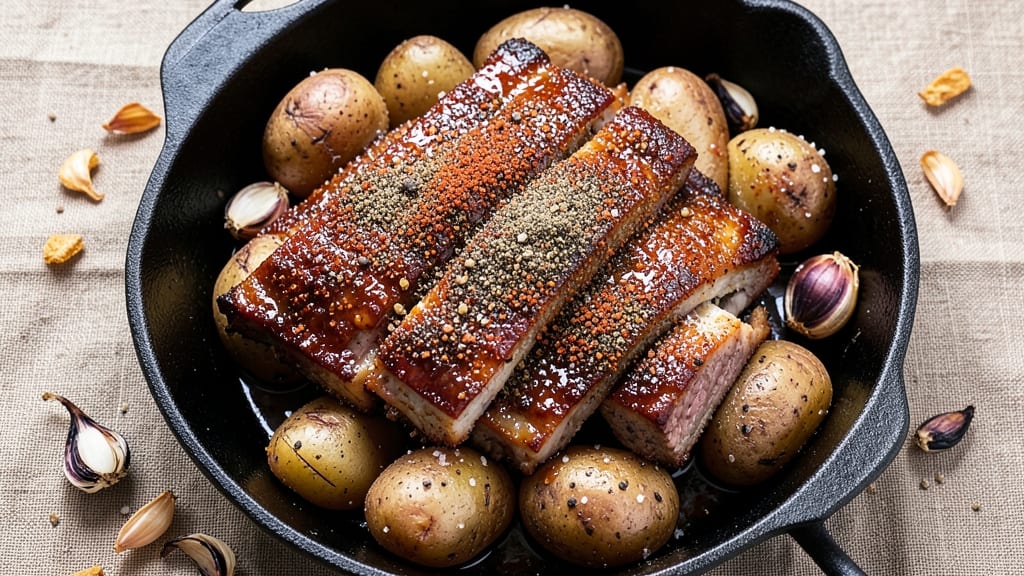
Mastering beef loin ribs recipe starts with a dry rub that transforms tender meat into a smoky, caramelized masterpiece. The secret lies in balancing sweet, spicy, and savory spices while ensuring the ribs develop that coveted crust without drying out.
I perfected this method after years of experimenting with different wood blends and rub combinations—now, you can achieve restaurant-quality results at home.
The process begins with bone-in beef loin ribs, which deliver unmatched flavor and texture when cooked low and slow.
A precise dry rub of brown sugar, smoked paprika, garlic powder, and black pepper creates a crust that's both sweet and smoky, while a blend of apple and cherry wood chips infuses the meat with subtle fruitiness.
The key is patience: letting the rub sit for at least 4 hours (overnight is ideal) allows the spices to penetrate deeply.
By the time you're done, you'll have ribs with a perfect crust—deeply caramelized yet tender inside, infused with layers of smoky aroma that fill your kitchen. The meat should pull apart easily, revealing juicy, flavorful strands that make every bite worth the effort.
This recipe delivers a dish that's impressive enough for dinner guests but simple enough for weeknight cooking.
Serve with classic sides like garlic mashed potatoes or a fresh coleslaw to complete the meal. The rub works equally well for grilling, roasting, or smoking—adjust the method based on your equipment and time constraints. Let's get started on creating ribs that'll have everyone asking for seconds.
Ingredients for beef loin ribs
Sweet, smoky, and perfectly balanced ingredients transform simple beef loin ribs into a showstopper.
| Ingredient | Amount | Notes |
|---|---|---|
| Bone-in Beef Loin Ribs 🥩 | 3 lb | About 2-3 ribs per person |
| Brown Sugar 🍚 | ½ cup | Light or dark preferred |
| Smoked Paprika 🌶️ | 2 tbsp | For authentic smoky flavor |
| Garlic Powder 🧄 | 1 ½ tbsp | Freshly ground preferred |
| Black Pepper 🌶️ | 1 ½ tbsp | Freshly cracked for best flavor |
| Kosher Salt 🧂 | 1 tbsp | For balanced seasoning |
| Onion Powder 🧅 | 1 tbsp | Adds subtle depth |
| Apple Wood Chips 🌳 | 1 cup | Soaked for 30 minutes |
| Cherry Wood Chips 🍒 | 1 cup | Soaked for 30 minutes |
| Yellow Mustard 🍯 | 2 tbsp | For binder in dry rub |
| Apple Cider Vinegar 🍎 | 1 tbsp | Balances sweetness |
| Olive Oil 🫒 | 2 tbsp | For moisture in rub |
| Honey 🍯 | 1 tbsp | Enhances caramelization |
The ribs are the star—bone-in beef loin ribs from a quality butcher make all the difference. Look for marbled meat with good fat coverage (Costco or Whole Foods usually have great options). If you can't find loin ribs, back ribs work too, but they'll need more time. The wood chips? Apple and cherry are my go-tos—they add subtle fruitiness without overpowering. Soak them for at least 30 minutes before using (trust me, it prevents flare-ups). For the rub, smoked paprika from Penzeys gives the most authentic flavor, but store-brand works fine. Just make sure it's not dusty—fresh spices are everything here.
No smoked paprika? Regular paprika plus a pinch of liquid smoke gets you close. Running low on apple wood chips? Pecan or hickory are solid substitutes, but they're more intense. The brown sugar can be swapped for coconut sugar if you're watching carbs (though it'll taste slightly different). For the binder, Dijon mustard works too—just reduce to 1 tbsp. The apple cider vinegar might seem odd, but it cuts through the sweetness and helps the rub stick. If you're short on time, skip the overnight rub and let it sit for at least 4 hours (the minimum for flavor penetration).
The dry rub keeps for 3 months in an airtight container, but the wood chips only last 1 week once soaked. Store leftover ribs in the fridge for 3 days or freeze for 2 months—they reheat beautifully. I like to wrap them in foil with a splash of apple juice to keep them moist. For leftovers, slow-cook for 30 minutes covered, then crisp up in the oven for 5 minutes. These ribs reheat like a dream—just don't microwave them, or you'll lose that perfect crust.
Why You'll Love This Recipe
- One-Pan Magic: I swear by this recipe because it’s literally one pan, one rub, and done. The ribs go from raw to caramelized in the oven while I toss a salad or open a bottle of wine—no flipping, no fuss, just that perfect crust from the brown sugar and smoked paprika.
- Sweet-Smoky Bomb: That balance of brown sugar’s caramelized bite and smoky paprika? It’s like a flavor explosion in your mouth. The garlic powder ties it all together so the ribs taste rich but never heavy—just pure, satisfying beefy goodness.
- Weeknight Crowd-Pleaser: Between us, this is my go-to for game day, family dinners, or when friends drop by unannounced. The ribs feed four easily, and the leftovers? Even better the next day—crispy edges soften just enough for sandwiches or tacos.
- Budget-Friendly Luxury: Honestly, beef loin ribs are cheaper than you’d think, and this recipe stretches them far. A pound of ribs, a handful of spices, and you’ve got a meal that feels fancy but costs less than takeout. Plus, the rub keeps for months—zero waste.
Step-by-step instructions for beef loin ribs with smoky dry rub
Here's how to create ribs with an irresistible smoky crust and tender meat every time.
Prepare the Dry Rub and Soak the Wood Chips
In a medium bowl, combine the 0.5 cup brown sugar, 2 tablespoons smoked paprika, 1.5 tablespoons garlic powder, 1.5 tablespoons black pepper, 1 tablespoon kosher salt, and 1 tablespoon onion powder. Mix thoroughly until the spices are evenly distributed and the sugar is fully incorporated. This blend creates the perfect balance of sweetness and smokiness that will form your crust.
While mixing the rub, place the 1 cup apple wood chips and 1 cup cherry wood chips in separate bowls. Cover each with hot water and let them soak for at least 30 minutes. This soaking process prevents the wood from burning during smoking and ensures a steady stream of flavorful smoke. The combination of apple and cherry woods gives you that classic BBQ profile with just the right balance of sweet and fruity notes.
Coat the Ribs and Rest Before Smoking
Pat the 3 lb bone-in beef loin ribs dry with paper towels, removing any excess moisture. This step is crucial for developing that perfect crust later. In a small bowl, mix the 2 tablespoons yellow mustard, 1 tablespoon apple cider vinegar, 2 tablespoons olive oil, and 1 tablespoon honey until smooth. This mixture acts as a binder and helps the rub stick to the meat while adding moisture and depth of flavor.
Apply the mustard mixture evenly to all sides of the ribs, including the bone sides. Then generously coat the ribs with the dry rub, pressing it firmly into the meat so it adheres well. Place the rubbed ribs on a wire rack set over a baking sheet and refrigerate uncovered for at least 1 hour, or up to 4 hours. This resting period allows the rub to penetrate the meat and develop flavors that will create that perfect crust during smoking.
Smoke the Ribs to Perfect Tenderness
Preheat your smoker to 225°F using the soaked apple and cherry wood chips. Maintain this temperature throughout the entire smoking process, as consistency is key to achieving tender meat with a perfect crust. Place the ribs bone-side down on the smoker grates. This position helps render fat and creates a better bark on the meatier side.
Smoke the ribs for 4 to 5 hours, or until the internal temperature reaches 195°F to 203°F. You'll notice the ribs will hit a stall around 165°F to 170°F, where the temperature stops rising for a period. This is normal and happens as moisture evaporates. Don't be tempted to increase the heat—patience is key. The ribs will eventually push through this stall and continue cooking to the perfect tenderness.
Wrap and Finish for Maximum Juiciness
Once the ribs reach the stall temperature, wrap them tightly in heavy-duty aluminum foil. This step, known as the "Texas crutch," helps the ribs cook through evenly while maintaining moisture. Return the wrapped ribs to the smoker and continue cooking until the internal temperature reaches 203°F. This final stage ensures the connective tissue breaks down completely, resulting in meat that falls off the bone.
Remove the ribs from the smoker and let them rest for 15 to 20 minutes before serving. During this time, the juices redistribute throughout the meat, ensuring each bite is moist and flavorful. The resting period also allows the crust to set slightly, making it easier to handle when you're ready to slice and serve.
Pro Tips For Making Beef Loin Ribs
- Trim the Fat First: Cut the thick silver skin off the ribs before seasoning—it’s the layer that keeps moisture trapped but never crisps. I learned this the hard way when my first batch turned out soggy under the crust, no matter how long I cooked them.
- Brown Sugar Early: Mix the brown sugar into the dry rub before applying it to the ribs. It sticks better and caramelizes faster, giving you that sticky, glossy finish without extra fuss. (Yes, even if you’re impatient like me.)
- Skip the Overcrowding: Cook the ribs in a single layer on the grill or skillet—piling them up steams the meat instead of searing it. After burning three batches of unevenly cooked ribs, I finally got it right by spacing them out.
- Rest Under Foil: After searing, tent the ribs loosely with foil and let them sit for 5-10 minutes before finishing. This keeps them juicy while the crust sets—no more dry, stringy meat when you cut into them. (Your future self will thank you.)
Pro cooking tips for beef loin ribs
Temperature Control
Consistent temperature is everything when smoking beef loin ribs. I maintain my smoker at a steady 225°F using a Traeger Pellet Grill or a dedicated smoker like the Weber Smokey Mountain.
A meat probe thermometer (I use ThermoWorks Smoke) is non-negotiable—it lets me monitor internal temp without opening the smoker and disrupting the process. The goal is to avoid temperature swings, which can dry out the meat. 🌡️
Wood Chip Selection
Apple and cherry wood chips create the perfect balance of sweet and smoky flavors, but don’t overlook the importance of soaking them first. I soak 1 cup each of apple and cherry chips in hot water for at least 30 minutes before using.
This prevents flare-ups and ensures a steady, flavorful smoke. For variety, I sometimes swap in pecan wood chips for a stronger, nuttier profile. Just remember—avoid softwoods like pine, which can impart bitter flavors.
The Texas Crutch
When ribs hit the 165°F stall, wrap them tightly in heavy-duty aluminum foil with a splash of apple juice. This technique, known as the "Texas crutch," helps the ribs push through the stall and reach 203°F without drying out.
I use Reynolds Heavy Duty Foil because it’s sturdy enough to hold its shape. The juice keeps the meat moist while allowing the crust to stay intact. 💡
Resting for Juiciness
Never skip the rest! After removing ribs from the smoker, I let them rest for 15-20 minutes wrapped in foil. This allows juices to redistribute, ensuring every bite is moist and flavorful. I also like to tent them loosely with foil to keep them warm.
Skipping this step results in dry, tough meat—don’t make that mistake. The rest also lets the crust set slightly, making it easier to slice.
Equipment Upgrades
If you’re serious about smoking ribs, invest in a digital thermometer with dual probes—one for the smoker and one for the meat. I also recommend a wire rack placed over a baking sheet to elevate the ribs, allowing smoke to circulate evenly.
For beginners, a charcoal smoker like the Weber Original is a great starting point. Just avoid cheap, flimsy smokers—they can’t maintain consistent temps. 🔥
Troubleshooting Tips
If your ribs aren’t tender enough, they likely didn’t reach 203°F. Extend cooking time and check your smoker’s temperature frequently. For a tough crust, ensure the ribs are dry before applying the rub and maintain steady heat.
If the bark falls off, the rub wasn’t applied thickly enough—press it in firmly next time. And if the meat tastes bitter, avoid softwoods like pine and stick to fruit or nut woods. 💪
Nutrition facts
Frequently asked questions
What's the difference between beef loin ribs and back ribs?
Beef loin ribs come from the short loin section and are smaller, more tender cuts with less connective tissue. They cook faster (about 4-5 hours) and don't need wrapping. Back ribs (from the ribcage) are larger, meatier, and require the Texas crutch technique to tenderize. Loin ribs are ideal for quick smoking sessions, while back ribs deliver more dramatic flavor but need patience.
Can I grill these ribs instead of smoking them?
Use the same dry rub and apply it 1-2 hours before grilling. Cook over medium-low heat (250°F-275°F) with indirect heat, using wood chips in a smoker box. Rotate the ribs every 30 minutes for even cooking. They'll take about 3-4 hours total, with a final 10-minute sear over direct heat for extra crust.
Why did my ribs turn out dry?
Most likely, they didn't reach 203°F internal temp or weren't rested properly. Always use a meat thermometer and let them rest 15-20 minutes after cooking. Another common mistake is opening the smoker too often—keep temperature steady at 225°F and avoid peeking. Wrapping at the 165°F stall also helps retain moisture.
How do I store leftover ribs?
Wrap cooled ribs tightly in aluminum foil and refrigerate for up to 3 days or freeze for 2 months. To reheat, place in a 300°F oven for 15-20 minutes wrapped in foil, then crisp in the broiler for 2-3 minutes. Avoid microwaving—it ruins the crust. For extra flavor, add a splash of apple juice when reheating.
Can I use this rub on other meats?
Yes! This dry rub works perfectly on pork ribs, chicken thighs, or even brisket. For pork, reduce cooking time to 2-3 hours (no wrapping needed). For chicken, cook at 250°F for 3-4 hours until 165°F internal temp. Just adjust the wood chips—stick with fruit woods for poultry to avoid overpowering flavors.