
Main Courses
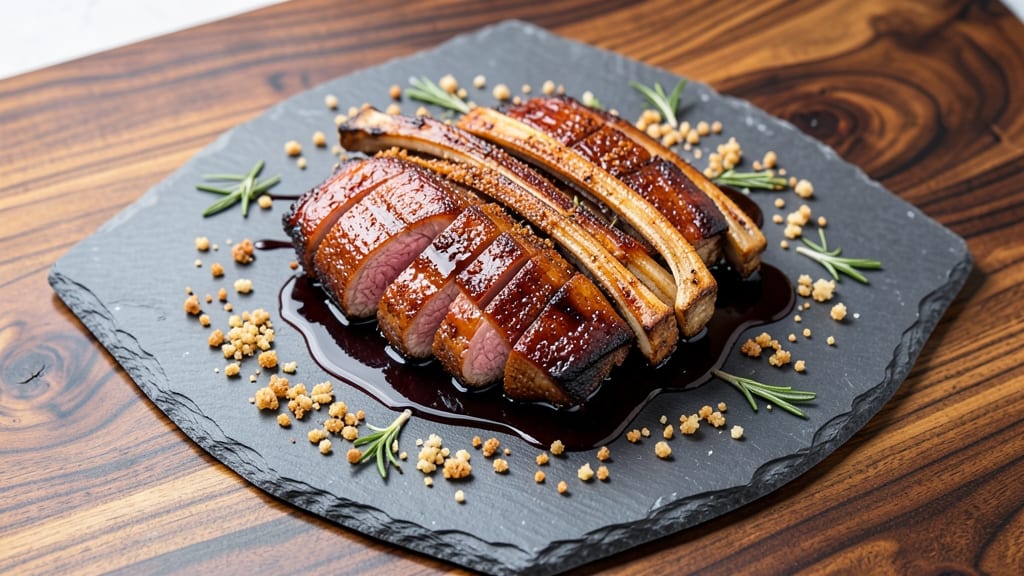
Transforming tough beef loin into fall-off-the-bone tender New York-style boneless ribs requires precision—just the right dry rub, high-heat sear, and low-and-slow cooking. This method delivers restaurant-quality results with a smoky crust and melt-in-your-mouth texture, perfect for impressing guests or elevating a weeknight dinner.
The secret lies in balancing spices and cooking times to achieve that signature tenderness without losing flavor.
What sets this recipe apart is the two-stage cooking process: a quick sear to lock in juices, followed by a slow oven braise that breaks down collagen for unmatched tenderness. You’ll need just 6 simple ingredients—no marinades or complicated techniques—making it accessible yet professional.
The dry rub combines classic New York flavors: brown sugar, smoked paprika, and garlic powder, which caramelize into a sticky, flavorful crust.
By the time you’re done, you’ll have ribs so tender they practically dissolve at the touch, with a deeply caramelized exterior that’s irresistibly crisp. Serve with garlic mashed potatoes or roasted Brussels sprouts to complete the meal.
The leftovers reheat beautifully, making this a meal-prep favorite for busy weeks. Ready to master this technique?
This recipe delivers restaurant-quality ribs at home, proving that high-end results don’t require special equipment—just patience and attention to detail. Whether you’re grilling or oven-braising, the method ensures consistent success every time. Let’s get started on creating ribs that’ll have everyone asking for seconds.
Ingredients for beef loin new york boneless ribs
Six essential ingredients unlock restaurant-quality New York boneless ribs at home.
| Ingredient | Amount | Notes |
|---|---|---|
| Beef Loin (Center Cut) 🥩 | 2 lb | Bone-in preferred, trimmed of excess fat |
| Brown Sugar 🍚 | ½ cup | Light or dark, packed measurement |
| Smoked Paprika 🌶️ | 2 tbsp | High-quality for authentic smoky flavor |
| Garlic Powder 🧄 | 1 ½ tbsp | Freshly ground preferred for depth |
| Kosher Salt 🧂 | 1 ½ tbsp | Diamond Crystal preferred, coarse grind |
| Black Peppercorns 🌶️ | 1 tbsp | Freshly cracked for optimal texture |
| Onion Powder 🧅 | 1 tbsp | For subtle sweetness and depth |
| Extra-Virgin Olive Oil 🫒 | 2 tbsp | High smoke point preferred for searing |
| Beef Broth 💧 | 1 cup | Low-sodium preferred for flavor control |
| Fresh Rosemary 🌿 | 1 sprig | For aromatic depth during braising |
| Fresh Thyme 🌿 | 2 sprigs | Leaves only, for subtle herbal notes |
The beef loin is non-negotiable for this technique—center-cut with bone-in delivers optimal tenderness and flavor. Whole Foods Market or high-end butchers carry premium cuts with proper marbling, which is critical for juiciness. Trim excess fat but leave a thin layer for moisture during cooking. If using pre-cut boneless loin, verify the cut includes connective tissue near the bone for collagen breakdown. For best results, purchase the loin 1-2 days before cooking to allow it to rest at refrigerator temperature, ensuring even cooking.
Substitutions must preserve the balance of sweet, smoky, and savory profiles. Coconut sugar replaces brown sugar at a 1:1 ratio, though it lacks caramelization depth. Sweet paprika can substitute smoked paprika but requires 0.5 tsp liquid smoke to replicate the smoky character. For garlic powder, 3 fresh garlic cloves minced and toasted in olive oil provide superior flavor. The beef broth can be swapped for water plus 1 tbsp Worcestershire sauce for umami, though quality will differ. Fresh herbs can be omitted entirely if needed, but dried thyme at one-third the amount provides a similar profile.
The dry rub blend maintains peak potency for 2 weeks when stored in an airtight container away from light. Fresh herbs should be wrapped in damp paper towels and refrigerated for up to 5 days to preserve vibrancy. The cooked ribs reheat beautifully—350°F for 15 minutes with a splash of beef broth restores moisture. For meal prep, portion ribs into individual servings and store in the freezer for up to 3 months. The caramelized crust may darken further during reheating, which is normal and indicates proper cooking.
Why You'll Love This Recipe
- One-Pan Magic: I swear by this recipe because it’s that simple—no basting, no messy grilling, just a single sheet pan. The beef loin stays juicy while the brown sugar crust caramelizes into something dangerously good, all while I’m free to sip my wine instead of babysitting the stove.
- Smoky-Sweet Obsession: That combo of smoked paprika and brown sugar? It’s the kind of flavor that makes people pause mid-bite. The garlic powder ties it all together, giving you that deep, savory punch without overpowering the natural richness of the beef loin.
- Weeknight Superstar: Between us, this is my go-to when I need something impressive but still quick. Serve it with roasted potatoes and a simple salad for a dinner that feels like a restaurant meal—even when I’m wearing pajamas at 7:30 PM.
- Leftovers That Don’t Suck: Honestly, I make double batches because the ribs reheat like a dream. Cold slices in a sandwich the next day? Still delicious. Or toss them into a stir-fry for lunch—suddenly, you’ve got a whole meal plan covered without extra effort.
Step-by-step instructions for beef loin New York boneless ribs
Master this technique and you'll achieve fall-off-the-bone tenderness with a perfectly balanced smoky-sweet crust.
Prepare and Season the Beef Loin
Begin by trimming any remaining surface fat from the 2 lb beef loin (center cut) until you achieve an even thickness of about 1 inch. This ensures even cooking and prevents uneven browning. Pat the meat dry with paper towels, removing all moisture—this step is critical for developing that coveted crust.
In a small bowl, combine the 0.5 cup brown sugar, 2 tbsp smoked paprika, 1.5 tbsp garlic powder, 1.5 tbsp kosher salt, 1 tbsp freshly cracked black peppercorns, and 1 tbsp onion powder. Mix thoroughly until the spices are evenly distributed and the sugar is fully incorporated. This dry rub creates the perfect balance of sweetness and smokiness that defines New York-style ribs.
Generously coat all sides of the beef loin with the dry rub mixture, pressing it firmly into the meat. This ensures the spices adhere well and penetrate slightly during the initial sear. Place the seasoned loin on a wire rack set over a baking sheet and refrigerate uncovered for at least 4 hours or preferably overnight. The longer it rests, the deeper the flavor penetration and the more intense the crust development will be.
Sear the Beef Loin for Maximum Flavor
Remove the beef loin from the refrigerator and let it sit at room temperature for 30 minutes before cooking. This allows for even heat distribution during the searing process. Preheat your oven to 425°F while you prepare the loin.
Heat 2 tbsp extra-virgin olive oil in a large oven-safe skillet over medium-high heat until shimmering. Place the beef loin in the skillet and sear for 4 minutes per side, pressing down gently with a metal spatula to ensure even contact with the hot surface. You'll see the rub develop a deep caramelization and the edges begin to crisp—this is your signal that the Maillard reaction is working perfectly.
Once seared on both sides, transfer the skillet to the preheated oven. Roast the beef loin for 15 minutes, basting occasionally with any accumulated pan juices. This initial high-heat roasting creates a flavorful crust while beginning the cooking process that will lead to tender results.
Braise for Fall-Off-the-Bone Tenderness
Remove the beef loin from the oven and reduce the heat to 300°F. Carefully pour 1 cup beef broth into the skillet, scraping up any browned bits from the bottom. Add the 1 sprig fresh rosemary and 2 sprigs fresh thyme, then return the skillet to the oven.
Cover the skillet tightly with aluminum foil and braise for 2 hours. The low and slow cooking method breaks down the connective tissue in the beef loin, transforming it into tender, fork-tender meat. Check the internal temperature periodically—it should reach 195-200°F at the thickest part of the meat, indicating perfect tenderness.
During the braising process, the beef will develop a rich, aromatic sauce from the reduced broth and rendered juices. This sauce is essential for keeping the meat moist and adding depth of flavor to each bite. The herbs infuse their aromatic qualities into the liquid, creating a harmonious balance with the smoky-sweet rub.
Rest and Slice for Optimal Texture
Once the beef loin reaches the target internal temperature, remove it from the oven and transfer it to a cutting board. Tent loosely with aluminum foil and let it rest for 15-20 minutes. This resting period is crucial—it allows the juices to redistribute throughout the meat, preventing them from escaping when you slice.
Using a sharp carving knife, slice the beef loin against the grain into ½-inch thick portions. The grain direction will be visible as subtle lines running through the meat. Cutting against the grain shortens the muscle fibers, making each bite more tender and easier to chew.
Serve the sliced beef loin immediately, spooning the reduced braising liquid over the top. The combination of the tender meat, smoky-sweet crust, and flavorful sauce creates a dining experience that perfectly captures the essence of New York-style ribs. Each bite should be moist, flavorful, and effortlessly tender—falling apart with minimal resistance.
Pro Tips For Making Beef Loin New York Boneless Ribs
- Trim the Fat First: Beef loin has a thick fat cap—slice it off before seasoning. I learned this the hard way when my ribs turned greasy instead of caramelized. Use a sharp knife and angle it low; you’ll get cleaner cuts and better browning.
- Dry Before Browning: Pat the beef loin completely dry with paper towels—wet surfaces steam instead of sear. I used to skip this, and my ribs would stay pale. Let them air-dry for 10 minutes if you’re impatient; it makes a real difference.
- Skip the Overcrowding: Cook the ribs in a single layer when searing—crowding drops the pan temp and steams the meat. I once stuffed a pan with three racks and ended up with soggy, unevenly browned ribs. Give them space; they’ll crisp up better.
- Brown Sugar Last: Sprinkle the brown sugar after the ribs are mostly cooked, not at the start. It’ll burn into a bitter mess if added too early. Toss them in the last 5 minutes of cooking—just enough time to melt and stick.
Best sauces and condiments for these flavors
Classic BBQ Sauce
For a traditional New York-style finish, use a tangy-sweet BBQ sauce like Sweet Baby Ray's Original or Stubb's Original. Brush 2 tbsp of sauce over the ribs during the last 10 minutes of braising, or serve it on the side for dipping.
The vinegar in the sauce cuts through the richness of the beef, balancing the smoky-sweet rub perfectly. 🍯
Horseradish Cream
Elevate your dish with a sharp, creamy horseradish sauce that contrasts beautifully with the tender ribs. Mix ½ cup sour cream, 1 tbsp prepared horseradish, 1 tsp Dijon mustard, and ½ tsp lemon juice.
Serve chilled alongside the ribs for a refreshing, spicy kick that cleanses the palate. This sauce pairs especially well with the beef’s richness. 🌶️
Maple-Glazed Reduction
Create a glossy, caramelized glaze by reducing ¼ cup pure maple syrup with 1 tbsp apple cider vinegar and 1 tsp soy sauce in a small saucepan over medium heat for 5-7 minutes.
Brush this sticky glaze over the ribs in the final 5 minutes of cooking to add a deep, molasses-like sweetness that complements the smoky crust. 🍁
Garlic-Herb Butter
Melt ¼ cup unsalted butter with 2 minced garlic cloves, 1 tbsp chopped fresh parsley, and a pinch of kosher salt in a small saucepan. Drizzle this aromatic butter over the sliced ribs just before serving.
The butter adds a luxurious finish while enhancing the garlic and herb notes from the braising process. 🧄
Spicy Sriracha Aioli
For a modern twist, whip ½ cup mayonnaise with 1 tbsp sriracha, 1 tsp lime juice, and ½ tsp honey until smooth. Serve this bold, spicy aioli as a dipping sauce or drizzle it lightly over the ribs for heat lovers.
The creamy texture balances the smoky flavors while adding a fiery kick. 🔥
Red Wine Reduction
Simmer 1 cup dry red wine (like Cabernet Sauvignon) with 1 tbsp balsamic vinegar and 1 tsp brown sugar until reduced by half. Strain and drizzle this rich, velvety sauce over the ribs for an elegant, wine-infused finish.
The acidity brightens the dish, while the wine’s depth adds complexity. 🍷
Nutrition facts
Frequently asked questions
Why does this recipe use beef loin instead of traditional pork ribs?
Beef loin delivers a more elegant, tender texture with deeper beefy flavor compared to pork ribs. The connective tissue in beef loin breaks down beautifully during the low-and-slow braise, creating that signature fall-off-the-bone tenderness. Plus, the leaner cut pairs perfectly with the smoky-sweet dry rub for a restaurant-quality result.
Can I make these ribs in a slow cooker instead of the oven?
Yes, but with adjustments! Sear the loin first as directed, then transfer it to a slow cooker with 1 cup beef broth, 1 sprig rosemary, and 2 sprigs thyme. Cook on low for 6-7 hours until tender. The texture will be slightly less caramelized but still incredibly tender. For best results, finish with a quick broil to crisp the exterior.
What's the best way to store leftovers?
Store sliced ribs in an airtight container with a splash of beef broth to keep them moist. They'll stay fresh in the refrigerator for 3-4 days or freeze for up to 3 months. Reheat gently at 350°F for 15 minutes with extra broth to restore juiciness. The caramelized crust may darken further but won't affect flavor.
How do I adjust the recipe for a larger group?
Scale the recipe proportionally—use 1.5 lbs beef loin per 4 servings and double the dry rub ingredients. For even cooking, increase the braising time by 30-45 minutes for larger cuts. Use a larger oven-safe skillet or Dutch oven to accommodate the extra volume. The two-stage cooking method ensures consistent tenderness regardless of size.
What if my ribs aren't tender enough after cooking?
If the internal temperature didn't reach 195-200°F, return the ribs to 300°F for an additional 30-60 minutes covered with foil. The collagen needs time to fully break down. For extra tenderness, slice against the grain and serve with the reduced braising sauce to keep the meat moist. Avoid overcooking—beef loin is delicate compared to pork ribs.