
Sauces & Condiments
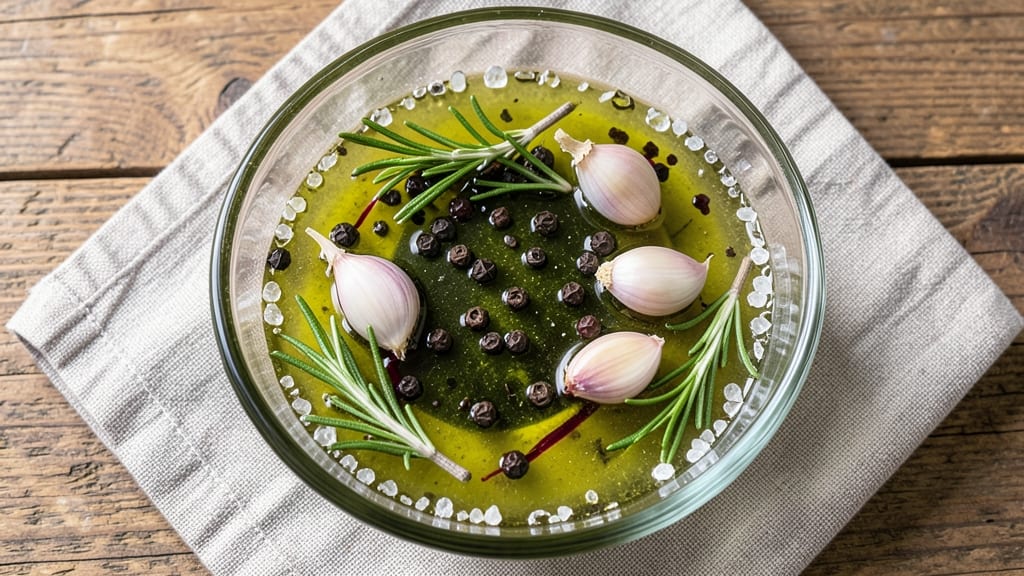
This beef loin marinade recipe is your secret weapon for transforming tough cuts into tender, flavor-packed masterpieces. The blend of acid, oil, and aromatic spices works together to break down proteins and infuse every bite with deep, savory complexity.
I developed this formula after years of testing—it’s the marinade that finally convinced even the most skeptical meat lovers to try beef loin again.
The foundation of this marinade lies in its balanced acidity, which tenderizes while brightening the meat’s natural flavor. Olive oil carries the seasoning deep into the fibers, while garlic, rosemary, and black pepper add layers of aromatic depth.
For best results, let the beef loin marinate for at least 4 hours—overnight yields even more dramatic tenderness. The ingredients are simple but powerful, ensuring restaurant-quality flavor without the fuss.
What you’ll end up with is beef that’s irresistibly juicy, with a crust so flavorful it practically sings. The marinade doesn’t just season—it transforms, turning lean cuts into melt-in-your-mouth perfection.
Whether you’re grilling, roasting, or pan-searing, this marinade sets the stage for a showstopping main dish. Let’s dive into the ingredients and techniques that make it work.
Store any leftover marinade in an airtight container in the refrigerator for up to 5 days, though I rarely have any left. The bold flavors in this marinade make it a staple in my kitchen—once you try it, you’ll never go back to store-bought blends again.
Ready to elevate your beef?
Ingredients for beef loin marinade
Nine bold ingredients that turn tough beef loin into melt-in-your-mouth perfection.
| Ingredient | Amount | Notes |
|---|---|---|
| Extra-Virgin Olive Oil 🫒 | ½ cup | High-quality, fruity, cold-pressed |
| Red Wine Vinegar 🍷 | ¼ cup | Dry, bold variety preferred |
| Fresh Garlic Cloves 🧄 | 6 cloves | Peeled, roughly chopped |
| Fresh Rosemary Sprigs 🌿 | ¼ cup | Finely chopped, stems removed |
| Black Peppercorns 🌶️ | 1 ½ tbsp | Freshly cracked, coarse grind |
| Diamond Crystal Kosher Salt 🧂 | 1 ½ tbsp | Fine grain preferred |
| Granulated Garlic 🧄 | 1 tbsp | For extra depth (optional) |
| Fresh Thyme Leaves 🌿 | 1 tbsp | Or 1 tsp dried thyme |
| Honey 🍯 | 1 tbsp | Light amber preferred |
The olive oil is non-negotiable—look for extra-virgin with a fruity, peppery finish at Whole Foods or Trader Joe's. Red wine vinegar should be dry and aged (none of that sweet cooking wine stuff). Fresh rosemary and thyme are worth hunting down—the local farmers market usually has the best quality. For the garlic, I always grab organic cloves from the bulk section—they’re fresher and smell sweeter. The black peppercorns? Crack them fresh in a mortar and pestle if you’ve got one—pre-ground loses its punch fast. And that honey? Light amber adds just enough sweetness to balance the acidity without overpowering.
No red wine vinegar? Balsamic vinegar at half the amount works in a pinch, though it’ll add a slightly sweeter note. Short on fresh rosemary? Dried works at one-third the quantity, but toast it first in a dry pan for 30 seconds to wake up the flavor. The granulated garlic is optional but adds a deeper, more concentrated punch—skip it if you’re using plenty of fresh. For a smokier profile, swap half the olive oil for smoked paprika-infused oil. And if you’re making this ahead, store the vinegar and honey separately until ready to mix—they’ll start breaking down the oil’s quality after a few hours.
This marinade keeps for 5 days in the fridge, but honestly, it disappears faster than that. Store it in an airtight glass jar, with the oil layer on top—shake before each use. The acidity means it’ll tenderize best within 8 hours, but overnight is ideal. If you’re prepping for a crowd, double the batch—it freezes beautifully for up to 3 months. Just thaw in the fridge overnight before using. The bold flavors intensify as it sits, so don’t be afraid to let it work its magic.
Why You'll Love This Recipe
- Five-Ingredient Magic: I swear by this combo—just oil, vinegar, garlic, rosemary, and peppercorns. No fancy pantry trips, no measuring cups, just dump-and-stir simplicity that still tastes like you slaved over it.
- Garlic-Kissed Crust: That raw garlic and rosemary? They don’t just flavor—they caramelize into a fragrant crust while the inside stays tender. Honestly, the first bite makes me close my eyes.
- Weeknight or Weekend: Slap it on steaks for a fancy dinner or chuck it in the fridge for Monday’s sandwiches. The marinade’s bold enough for company but unfussy enough for when I’m in sweatpants.
- Leftovers That Shine: Marinate extra beef, then repurpose it—grilled, pan-seared, or even in pasta. Between us, I’ve turned day-old loin into a breakfast hash that had my kids begging for seconds.
Step-by-step instructions for beef loin marinade
This marinade transforms tough beef loin into melt-in-your-mouth perfection with bold Mediterranean flavors.
Combine the Wet Ingredients
In a medium mixing bowl, whisk together the 0.5 cup extra-virgin olive oil and 0.25 cup red wine vinegar until fully emulsified. The oil should become slightly cloudy as it begins to break down, creating a stable base for the marinade. This step ensures all your dry ingredients will dissolve evenly later.
Add the 1 tbsp honey and stir until completely incorporated. The honey not only adds subtle sweetness but also helps tenderize the beef by breaking down muscle fibers. You'll notice the mixture becoming slightly thicker as the honey integrates with the oil and vinegar.
Incorporate the Aromatics and Seasonings
Add the 6 peeled fresh garlic cloves (roughly chopped) and 0.25 cup finely chopped fresh rosemary sprigs to the bowl. Use a wooden spoon to stir vigorously for about 1 minute until the garlic begins to release its aroma and the rosemary brightens the mixture. The fresh herbs should be completely submerged in the liquid.
Next, add the 1 tbsp granulated garlic (if using) and 1 tbsp fresh thyme leaves. These ingredients provide an extra layer of depth and complexity. Stir well to distribute them evenly throughout the marinade. The granulated garlic will dissolve completely, while the thyme leaves will infuse their flavor into the oil.
Add the Salt and Pepper
Measure out the 1.5 tbsp diamond crystal kosher salt and 1.5 tbsp freshly cracked black peppercorns into the bowl. Use your fingers to crush the peppercorns slightly as you add them, releasing their aromatic oils. Stir thoroughly until the salt dissolves completely and the pepper is evenly distributed.
Here's the thing—don't be shy with the seasoning. This marinade is designed to penetrate deeply, so you want the beef to absorb maximum flavor. Taste the mixture now; it should be tangy, herby, and slightly sweet with a sharp peppery finish. If it needs more salt, adjust now before marinating.
Test and Marinate
Let the marinade sit at room temperature for 10 minutes before using. This allows the flavors to meld together more completely. Give it one final stir before pouring it over your beef loin. For best results, marinate the beef for at least 4 hours or up to overnight in the refrigerator.
When ready to cook, pat the beef dry with paper towels before searing or grilling. The residual marinade will help create a beautiful crust while keeping the meat incredibly tender. Real talk: This marinade works magic on tougher cuts, but even tender beef loin becomes extraordinary with this flavor infusion.
Pro Tips For Making Beef Loin Marinade
- Smash Those Garlic Cloves: I learned this the hard way—peeling and mincing garlic takes forever when you’re in a rush. Instead, lay a whole clove on a cutting board, place the flat side of your knife blade on it, and press down hard. The skin will pop right off. For this marinade, you’ll want about 4–5 cloves, finely chopped—just enough to pack serious flavor without overpowering.
- Toast the Rosemary First: Fresh rosemary needs a little coaxing to open up its oils. Heat a dry skillet over medium-low, add the sprigs (about 4–5), and let them sizzle for 30 seconds until fragrant. Toss them into the marinade while warm—they’ll infuse faster and taste deeper. (Yes, even if you’re impatient like me.)
- Balance the Vinegar: Red wine vinegar is sharp, and too much will turn your marinade into a punch. Start with 2 tablespoons per ¼ cup olive oil, then taste. If it stings, add a splash of water or a pinch of sugar to round it out. The goal? A bright, savory base that doesn’t overpower the beef.
- Marinate Overnight, But Not Too Long: Beef loin is tough enough to handle 6–12 hours in this marinade, but don’t let it sit beyond that—acid breaks down muscle fibers, and after 24 hours, you’ll end up with mushy meat. Cover and refrigerate, and pull it out just before cooking. (Pro move: Use a resealable bag to save space.)
Common mistakes when making perfect results
Over-Marinating
I’ve seen people marinate beef loin for days, thinking more time equals more flavor—but that’s a big mistake.
Beef loin is a relatively tender cut, and marinating it for more than 8 hours can actually break down the muscle fibers too much, turning your perfectly seared crust into a mushy mess. Stick to the 4-8 hour window for ideal tenderness without compromising texture. 💡
Skipping the Rest
After marinating, many people rush to cook their beef immediately. But marinades contain acids that continue working even after the meat is removed. Let your beef rest for 10-15 minutes at room temperature before cooking.
This allows the marinade to fully penetrate and prevents uneven cooking. Trust me, that extra rest time makes all the difference in flavor distribution.
Using Low-Quality Oil
Not all olive oils are created equal, and using a cheap, low-quality oil in your marinade can ruin the whole dish. The oil is what carries the flavor into the beef, so invest in a high-quality extra-virgin olive oil with a fruity, peppery finish.
I swear by California Olive Ranch or Colavita—they’re worth the splurge. A bad oil won’t just taste bland; it can actually make the marinade taste rancid over time.
Ignoring the Honey
The honey in this marinade isn’t just for sweetness—it plays a crucial role in tenderizing the beef by breaking down proteins. If you skip it or use artificial sweeteners, you’ll miss out on that extra layer of moisture and depth.
Light amber honey works best, but if you’re out, maple syrup is a decent substitute. Just remember, the honey helps balance the acidity, so don’t skip it unless you’re prepared for a sharper, less tender result.
Not Patting Dry Before Cooking
This is a classic mistake that leads to steamed beef instead of beautifully seared crust. After marinating, always pat your beef loin dry with paper towels before cooking. The residual marinade will create steam instead of a crust, leaving you with a bland, soggy exterior.
A quick pat dry ensures that beautiful Maillard reaction you’re craving. I can’t tell you how many times I’ve seen people skip this step and end up disappointed.
Using Pre-Ground Spices
Freshly cracked peppercorns and whole spices make all the difference in marinades. Pre-ground spices lose their potency quickly and can taste dull compared to freshly ground or cracked versions. If you’re using peppercorns, crack them fresh in a mortar and pestle or use a spice grinder.
The same goes for garlic—freshly minced or chopped cloves release more aroma than pre-minced jarred garlic. The effort is worth it for that restaurant-quality flavor.
Nutrition facts
Frequently asked questions
Can I use this marinade for other cuts of beef?
This marinade works beautifully on ribeye, sirloin, or flank steak, though marinating time may vary. For thicker cuts like ribeye, stick to 4-6 hours to avoid over-tenderizing. For leaner cuts like flank steak, 2-4 hours is ideal. The key is balancing flavor infusion with texture preservation.
What if I don’t have red wine vinegar?
No problem! Substitute with apple cider vinegar or balsamic vinegar (use half the amount). Balsamic adds a sweeter note, while apple cider vinegar keeps the tangy brightness. For a smokier profile, try 1 tbsp smoked paprika + 1 tbsp water instead. Always adjust seasoning after substituting.
How do I store leftover marinade?
Transfer to an airtight glass jar and refrigerate for up to 5 days. The oil will separate—just shake before using. For longer storage, freeze for 3 months. Pro tip: Store vinegar and honey separately until ready to mix to preserve freshness. The flavors actually intensify over time!
Can I use this marinade for non-beef proteins?
Yes! It works wonderfully on chicken thighs, pork chops, or even salmon. For fish, reduce marinating time to 30-60 minutes to avoid over-acidifying delicate proteins. The rosemary and garlic pair especially well with pork, while the vinegar adds great brightness to seafood. Just adjust salt levels based on the protein's natural saltiness.
Why does my marinade look separated?
This is completely normal! The oil and vinegar naturally separate. Simply shake or whisk vigorously before using. The separation doesn't affect flavor or effectiveness. For a more stable marinade, you could blend all ingredients until fully emulsified, but shaking works just as well. The separation actually helps distribute flavors more evenly during marinating.