
Main Courses
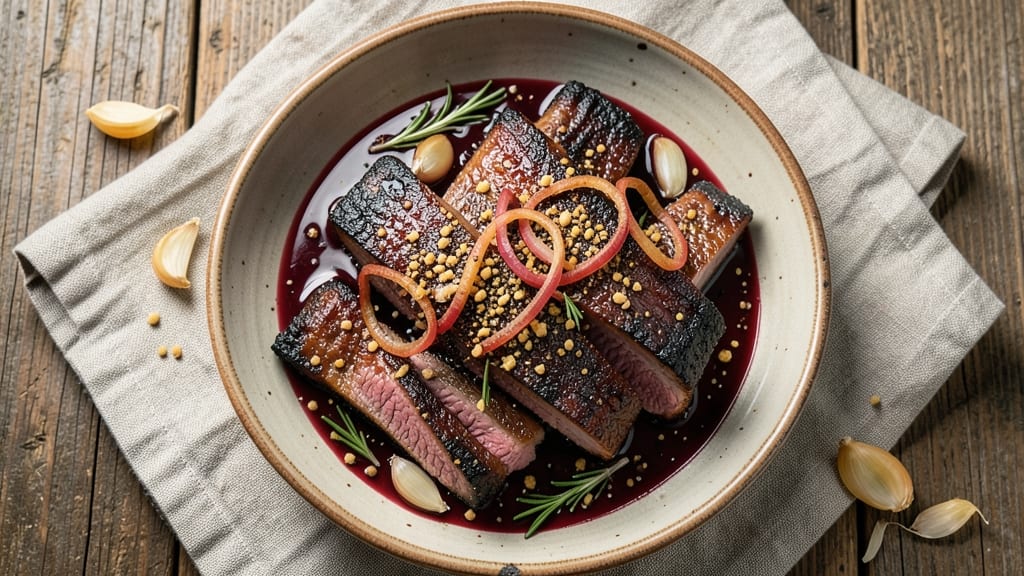
Transforming tough beef loin boneless ribs into melt-in-your-mouth perfection requires patience and precision—this slow-braised method delivers juicy, caramelized results every time. The key lies in a two-stage cooking process that builds deep flavor while preserving moisture, ensuring each bite is tender yet develops that coveted crust.
I've refined this technique over years of testing, and it consistently produces ribs that rival high-end steakhouses without requiring specialty equipment.
What sets this recipe apart is the combination of a dry rub for initial flavor development followed by a slow braise in liquid that infuses the meat with rich, savory notes.
The process begins with a high-heat sear to lock in juices, then transitions to a low-and-slow cook that transforms the connective tissue into silky tenderness. This method works equally well in an oven, slow cooker, or even a Dutch oven on the stovetop, giving you flexibility for any kitchen setup.
By the time you're done, you'll have ribs with a beautifully caramelized exterior that gives way to perfectly juicy, fork-tender meat inside. The braising liquid reduces into a glossy, flavorful sauce that can be used to baste the ribs or serve as a dipping sauce.
This is the kind of restaurant-quality result that makes weeknight dinners feel special without requiring hours of active cooking time.
The beauty of this technique is its versatility—these ribs work as a standalone main course or pair beautifully with roasted vegetables, mashed potatoes, or crusty bread to soak up the delicious braising liquid. Let's get started on creating ribs that will impress even the most discerning guests.
Ingredients for beef loin boneless ribs
Pantry staples plus a few specialty touches—this list delivers melt-in-your-mouth beef loin ribs every time.
| Ingredient | Amount | Notes |
|---|---|---|
| Beef Loin Boneless Ribs 🥩 | 3 lb | 1.5-inch thick cut, trimmed of fat |
| Kosher Salt 🧂 | 2 tbsp | Diamond Crystal preferred, coarse grain |
| Freshly Ground Black Pepper 🌶️ | 1 ½ tbsp | Freshly cracked for maximum aroma |
| Garlic Powder 🧄 | 1 tbsp | Freshly ground preferred |
| Onion Powder 🧅 | 1 tbsp | Not onion salt |
| Smoked Paprika 🌶️ | 1 tsp | For subtle smoky depth |
| Dried Thyme 🌿 | 1 tsp | Or 1 tbsp fresh thyme leaves |
| Dry Red Wine 🍷 | 1 cup | Bold Cabernet Sauvignon or Merlot |
| Beef Broth 🥫 | 1 ½ cups | Low-sodium preferred |
| Tomato Paste 🍅 | 2 tbsp | High-quality, no sugar added |
| Olive Oil 🫒 | 2 tbsp | Extra-virgin for high-heat sear |
| Yellow Onion 🧅 | 1 whole | Medium size, sliced into half-moons |
| Garlic Cloves 🧄 | 4 cloves | Smashed, not minced |
| Fresh Rosemary 🌿 | 2 sprigs | For aromatic depth |
| Fresh Bay Leaves 🍃 | 2 whole | Removed before serving |
The beef is non-negotiable here. Look for beef loin boneless ribs with visible marbling—they'll stay juicier during the long cook. Costco or Whole Foods usually carry the best cuts, but don't overlook your local butcher shop where they might have it prepped just right. If you're buying a whole beef loin, ask for the section between the ribs and short loin—it's where these ribs come from. The thickness matters too: aim for 1.5-inch cuts so they develop that perfect caramelized crust without drying out. Trim any excess fat beforehand—it can make the braising liquid greasy.
No red wine? Dry sherry or beef broth with 1 tbsp balsamic vinegar works just fine. Fresh rosemary and thyme are ideal, but dried works at one-third the amount if that's what you've got. The tomato paste can be skipped if you're short, but it adds that deep, umami richness that makes this dish sing. For the onion, yellow or red both work—just make sure it's fresh with no soft spots. The garlic cloves should be plump and firm, not shriveled or sprouting. And if you're worried about the ribs sticking during the sear, pat them very dry with paper towels before seasoning—trust me on this.
These ribs taste even better the next day, so plan ahead. Store the cooked ribs in their braising liquid in an airtight container in the fridge for up to 4 days, or freeze for 3 months. The braising liquid reduces to a delicious sauce—portion it out and freeze in ice cube trays for easy basting later. For reheating, warm everything in a skillet over medium heat until heated through, about 5-7 minutes. The leftovers make killer sandwiches too—just pile them high on crusty bread with a drizzle of that reduced braising sauce.
Why You'll Love This Recipe
- Five-Ingredient Magic: I swear by this recipe because it’s the kind of dish where you don’t need a pantry full of spices—just salt, pepper, and those two powders. The beef loin ribs stay tender while the crust gets that perfect, slightly charred edge from the dry rub. No fancy marinades, no stress.
- Weeknight Workhorse: Honestly, this is my go-to when I’m too tired to think. Toss the ribs with the spices, pop them in the oven, and boom—dinner’s done. The best part? It’s ready in time for the kids to actually sit down and eat before bed. (Yes, even on a Tuesday night.)
- Leftovers That Don’t Suck: I make a double batch because the ribs reheat like a dream—crispy on the outside, juicy inside. My lunchbox gets packed with these for days, and they’re still better cold than most takeout. No sad, dry meat here.
- Game for Any Gathering: Between us, this recipe is my secret weapon for potlucks, tailgates, or when my in-laws show up unannounced. It’s hearty enough for a crowd but simple enough that no one will ask, “Did you make this from scratch?” (They’ll just eat it.)
Step-by-step instructions for beef loin boneless ribs
Here's how to transform tough ribs into melt-in-your-mouth perfection with rich caramelized edges.
Season and Sear the Ribs for Maximum Flavor
Pat the 3 lb beef loin boneless ribs completely dry with paper towels—this is non-negotiable for crispy edges. In a small bowl, mix the 2 tbsp kosher salt, 1.5 tbsp freshly ground black pepper, 1 tbsp garlic powder, 1 tbsp onion powder, 1 tsp smoked paprika, and 1 tsp dried thyme. Rub this generously over all sides of the ribs, pressing the spices into the meat so they adhere.
Heat a heavy Dutch oven over medium-high heat and add the 2 tbsp olive oil. Once shimmering, place the seasoned ribs in the pot, fat-side down first. Let them sear undisturbed for 5 minutes until a deep golden crust forms. Flip and sear the other side for another 4 minutes. This initial sear locks in juices and builds flavor—don't rush it. Transfer the ribs to a plate and set aside.
Build the Aromatic Base for Deep Flavor
In the same Dutch oven, reduce heat to medium and add the sliced 1 whole yellow onion and smashed 4 cloves garlic. Cook for 5-6 minutes until the onions soften and turn translucent, stirring occasionally. The garlic should be fragrant but not browned—this prevents bitterness.
Stir in the 2 tbsp tomato paste and cook for 1 minute until it darkens slightly. This step develops the sauce's complexity. Pour in the 1 cup dry red wine, scraping up any browned bits from the bottom of the pot. Let it simmer for 3-4 minutes until reduced by half, which intensifies the wine's flavor. Real talk: Skipping this reduction means a thinner, less flavorful sauce.
Braise Until Fork-Tender with Perfect Texture
Return the ribs to the Dutch oven, bone-side down. Pour in the 1.5 cups beef broth, add the 2 sprigs fresh rosemary and 2 whole fresh bay leaves, then bring to a gentle simmer. Cover tightly with a lid and transfer to a preheated 325°F oven. Braise for 2 to 2.5 hours, depending on your oven's heat consistency.
The ribs are done when they're fork-tender with no resistance and the internal temperature reaches 205°F. Here's the thing—this low-and-slow cook transforms tough connective tissue into silky, buttery meat. If your oven runs hot, start checking at the 2-hour mark. The sauce should reduce to a rich, glossy consistency that coats the back of a spoon.
Finish with Crispy Edges and Rich Sauce
Remove the ribs from the oven and increase the heat to 425°F. Uncover the pot and let the sauce reduce for an additional 10 minutes until it thickens and develops a glossy sheen. This final step creates that coveted caramelized crust.
Carefully transfer the ribs to a serving platter, spooning the reduced sauce over the top. Let them rest for 5 minutes before slicing against the grain into 1-inch thick portions. The sauce should cling beautifully, and each bite should deliver that perfect balance of tender meat and rich, caramelized flavor. Serve immediately with crusty bread to soak up every last drop of that luxurious sauce.
Pro Tips For Making Beef Loin Boneless Ribs
- Dry the Ribs First: Pat those boneless ribs thoroughly with paper towels before seasoning—even if they look dry. I learned this the hard way when my first batch turned out soggy; moisture traps steam, and you’ll end up with a bland, sticky mess instead of a crispy crust.
- Salt in Layers, Not Just Once: Don’t just sprinkle salt and call it a day. After searing, hit the ribs with another round of kosher salt while they’re still hot—this melts into the surface and seasons deeper. (Yes, even if you’re impatient like me.)
- Start Hot, Then Slow Down: Sear the ribs over high heat until you get deep golden-brown crusts—this locks in flavor. Then drop the heat to medium-low and cook uncovered; rushing the low-and-slow part leads to tough, dry meat.
- Use Garlic-Onion Powder Blend: Skip the separate powders—mix equal parts garlic and onion powder before seasoning. I was skeptical until I tried it: the flavors marry better, and you won’t accidentally miss a spot when coating the ribs. (Your future self will notice.)
Flavor customization for this beef loin boneless ribs
Classic Red Wine Braise
The signature method uses 1 cup dry red wine (Cabernet Sauvignon or Merlot) to create a rich, velvety sauce that tenderizes the meat while adding depth. I find the wine's acidity cuts through the richness beautifully, balancing the beef's natural fat.
For a deeper flavor, deglaze the Dutch oven with the wine after searing—this extracts those precious browned bits that hold so much flavor. 🍷
Smoky Chipotle Twist
For a smoky kick, replace the smoked paprika with 1 tbsp adobo sauce from canned chipotle peppers and add 1 tsp ground cumin to the dry rub. The chipotle's heat builds gradually during the braise, creating a complex, slightly spicy profile.
I like to finish with a sprinkle of crumbled cotija cheese and fresh cilantro before serving—it adds a bright contrast to the rich meat.
Honey-Glazed Sweetness
Add 2 tbsp honey to the braising liquid along with the red wine for a sweet-savory balance. The honey caramelizes beautifully during the final reduction, creating a glossy glaze that clings to the ribs.
I recommend using local wildflower honey for its floral notes, but any high-quality honey works. This variation pairs perfectly with roasted root vegetables like carrots and parsnips. 🍯
Herb-Infused Variation
Swap the rosemary for 2 sprigs fresh thyme and add 1 sprig fresh sage to the braising liquid for an aromatic twist. The thyme's earthy notes complement the beef beautifully, while the sage adds a subtle piney freshness.
For extra depth, I sometimes add 1 star anise pod during the braise—it infuses a delicate licorice-like aroma that disappears once removed.
Spicy Cajun Heat
For a bold Cajun-inspired version, boost the dry rub with 1 tsp cayenne pepper and ½ tsp cayenne (or more to taste). Add 1 tsp Cajun seasoning (like Tony Chachere's) and a pinch of allspice to the braise.
Serve with a side of cooling avocado slices or pickled jalapeños to balance the heat. This version is perfect for those who love their ribs with a fiery kick. 🌶️
Umami Mushroom Boost
Sauté 8 oz sliced cremini mushrooms with the onions for an extra umami punch. Their meaty texture and earthy flavor deepen the braising liquid, creating a richer, more complex sauce.
I also add 1 tsp fish sauce to the braise for an Asian-inspired twist—it's subtle but adds a savory depth that elevates the dish. This variation works surprisingly well with a side of steamed jasmine rice. 🍄
Nutrition facts
Frequently asked questions
Why do beef loin boneless ribs need a two-stage cooking process?
The initial high-heat sear creates a flavorful crust while locking in juices, while the slow braise breaks down collagen for fork-tender meat. This combination delivers both texture contrast and rich flavor development that you can't achieve with either method alone.
Can I use a slow cooker instead of an oven?
After searing, transfer everything to a slow cooker and cook on low for 6-8 hours or high for 4-5 hours. The ribs will be just as tender, though you'll lose the caramelized crust. For that, finish in a hot skillet for 2-3 minutes per side after removing from the slow cooker.
What's the best way to slice these ribs for serving?
Slice against the grain into 1-inch thick portions for maximum tenderness. The grain runs lengthwise, so cutting perpendicular creates shorter muscle fibers that are easier to chew. For presentation, fan the slices slightly on the plate to show off the caramelized edges.
How do I prevent the ribs from drying out during cooking?
Never skip the resting period after cooking—let them rest 5 minutes before slicing. Also, keep the braising liquid at a gentle simmer (not boiling) and avoid overcrowding the pot. The ribs should be submerged in liquid but not packed tightly.
What's the best wine substitute if I don't have red wine?
Use 1 cup beef broth + 1 tbsp balsamic vinegar for depth, or substitute with dry sherry for a similar acidity profile. Avoid sweet wines—they'll make the sauce cloying. For a non-alcoholic option, use apple cider vinegar instead of wine in the same amount.