
Main Courses
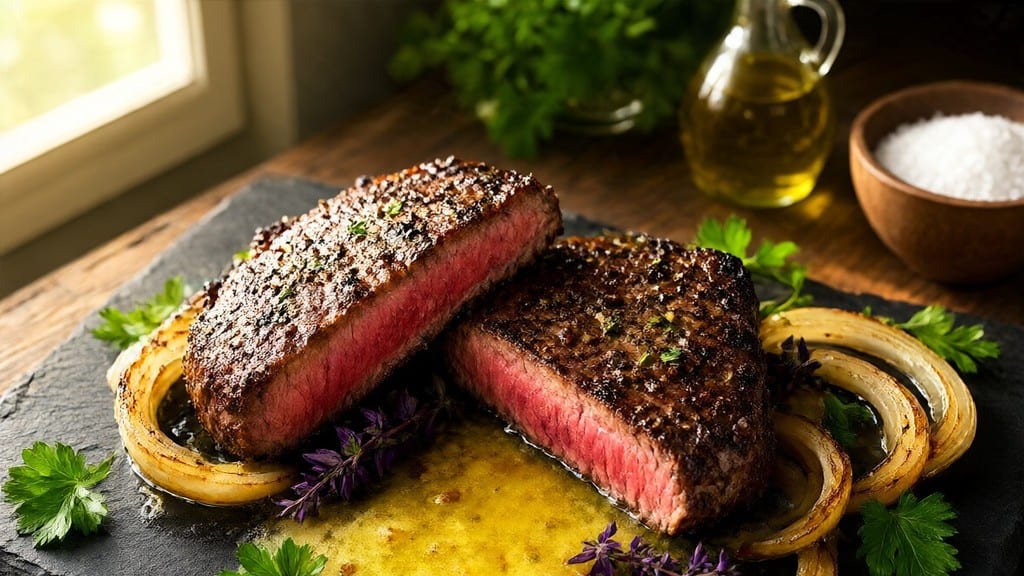
Cooking beef liver steak to perfection requires precision and respect for its rich, iron-packed texture—this recipe delivers a French-inspired method that transforms it into a luxurious centerpiece.
The key lies in proper preparation: soaking to tenderize and trimming to ensure even cooking, followed by a quick sear in a screaming-hot pan. I've perfected this technique over years of testing, balancing traditional methods with modern shortcuts that yield restaurant-quality results every time.
What sets this liver steak apart is the herby butter finish—a blend of garlic, parsley, and thyme that elevates the natural umami without overpowering. The secret to success?
Cooking it rare to medium-rare (never past medium) and serving immediately with a side of caramelized onions or a squeeze of lemon to cut through the richness. This approach ensures the meat remains tender while developing a crisp exterior that seals in all those bold flavors.
By following these steps, you'll achieve a beef liver steak that's impossibly tender inside with a golden crust outside, paired perfectly with its signature herby butter.
The result is a dish that feels equally at home on a weekend brunch table or a special dinner menu—proof that liver can be both nutritious and indulgent when prepared thoughtfully.
For those new to cooking liver, don't let its reputation intimidate you—this method is foolproof once you master the timing. The same technique works for other offal cuts, making it a versatile skill for adventurous home cooks.
Let's get started on creating a dish that transforms a simple ingredient into something extraordinary.
Ingredients for beef liver steak
Precision-cut ingredients transform beef liver steak into a luxurious, restaurant-quality dish with French-inspired technique.
| Ingredient | Amount | Notes |
|---|---|---|
| Beef Liver Steaks 🥩 | 1 ½ lb | Fresh, trimmed of connective tissue |
| Unsalted Butter 🧈 | ½ cup | Cold, cut into 1-inch pieces |
| Fresh Garlic Cloves 🧄 | 6 cloves | Peeled, lightly crushed |
| Fresh Parsley Leaves 🌿 | ½ cup | Stems removed, finely chopped |
| Fresh Thyme Leaves 🌿 | 2 tbsps | From 4 sprigs, finely chopped |
| Yellow Onions 🧅 | 1 whole | Medium size, thinly sliced |
| Extra-Virgin Olive Oil 🫒 | 2 tbsps | High smoke point preferred |
| Diamond Crystal Kosher Salt 🧂 | 1 ½ tsp | For soaking and seasoning |
| Black Peppercorns 🌶️ | ½ tsp | Freshly cracked |
| Lemon Juice 🍋 | 2 tbsps | Freshly squeezed |
| Cold Water 💧 | 2 cups | For soaking liver |
| Heavy Cream 🥛 | ¼ cup | Optional for sauce |
The liver quality is non-negotiable—opt for grass-fed beef liver from a trusted butcher or specialty grocer like Whole Foods or D'Artagnan. Look for vibrant color and firm texture; avoid any with yellowing or off-odors. Trim all visible connective tissue and fat before soaking. For the herby butter, Penzeys or local specialty stores carry premium thyme and parsley that elevate the dish. The onions should be sweet and crisp—Yellow Sweet onions work best when thinly sliced for caramelization. Always use extra-virgin olive oil with a high smoke point (like California Gold) to prevent bitterness during searing.
Substitutions must respect the dish's delicate balance. No fresh thyme? Dried thyme at one-third the amount works, but fresh is ideal for that bright aroma. Short on parsley? Cilantro or chives can substitute, though flavor will differ slightly. For the butter finish, ghee adds a nutty depth if you prefer dairy-free. The lemon juice can be swapped for white wine vinegar at the same quantity, though acidity will vary. If using heavy cream for the optional sauce, half-and-half reduces richness while maintaining texture. The kosher salt is critical—Diamond Crystal dissolves more cleanly than table salt, enhancing flavor without overpowering.
Liver must be cooked immediately after soaking—never refrigerate after trimming. Store prepped ingredients separately: wrapped liver in a sealed container with paper towels for up to 24 hours, herbs in damp paper towels for 3 days, and onions in an airtight container for 5 days. The herby butter mixture keeps for 3 days refrigerated or 3 months frozen in a sealed bag. For leftovers, reheat gently to 165°F—though liver is best consumed fresh. The caramelized onions can be prepped ahead and stored separately for up to 5 days, making this a make-ahead-friendly recipe when organized properly.
Why You'll Love This Recipe
- Five-Ingredient Magic: I swear by this recipe because it’s that simple—just liver, butter, garlic, and herbs. No fancy prep, no last-minute grocery runs. My husband teases me for keeping liver in the freezer, but this takes 15 minutes from frozen to sizzling.
- Butter-Garlic Bliss: That crispy sear with melted butter and fresh thyme? It’s like a hug for your taste buds. The liver stays juicy while the edges get this addictive caramelized crust—honestly, I’ll eat it straight off the pan if no one’s looking.
- Weeknight + Weekend: I make this for tired nights when I don’t want to fuss, but it also feels fancy enough for date night. Slice it thin over toast with a fried egg, or serve it whole with a glass of wine—same effort, totally different vibes.
- Budget Powerhouse: Liver is one of the most affordable protein sources out there, and this recipe stretches it further. Leftovers? Toss them into a skillet with potatoes the next day—no waste, all flavor. My wallet and my family thank me every time.
Step-by-step instructions for beef liver steak preparation
Master this technique for perfectly tender liver with a rich, herby finish every time.
Soak and Prepare the Beef Liver Steaks
Place the 1.5 lb beef liver steaks in a shallow dish and cover completely with the 2 cups cold water. Add the 1.5 tsp diamond crystal kosher salt and 2 tbsps lemon juice, stirring gently to dissolve. Soak for 20-30 minutes in the refrigerator—this removes excess blood and prevents bitterness while tenderizing the meat.
Real talk: Don't skip this step. The acidity from the lemon juice and salt creates a neutral canvas for the flavors. After soaking, pat the liver dry thoroughly with paper towels, pressing firmly to remove all moisture. This ensures a proper sear rather than a steamed texture.
Create the Herbed Butter Compound
In a small bowl, combine the 0.5 cup unsalted butter (cut into 1-inch pieces), 6 cloves fresh garlic cloves (lightly crushed), 0.5 cup fresh parsley leaves (finely chopped), and 2 tbsps fresh thyme leaves. Mix until fully incorporated, then form into a log shape and chill for 15 minutes to firm up. This compound will bast the liver during cooking and add luxurious depth.
The reason we chill this mixture is simple: cold butter creates a protective barrier between the meat and the pan, preventing overcooking while infusing flavor. The garlic and herbs should be finely textured but not pulverized—you want visible flecks that melt into the butter during cooking.
Sear the Liver to Perfect Doneness
Heat 2 tbsps extra-virgin olive oil in a heavy skillet over medium-high heat until shimmering. Working in batches if needed, add the prepared liver steaks and cook for 1 minute 30 seconds per side—you're aiming for medium-rare (internal temperature 125-130°F). Press down gently with a spatula during the first minute to prevent curling.
Here's the moment that matters: The liver should release easily from the pan when ready. Overcooking by even 10 seconds turns tender liver to rubber. Transfer to a warm plate and immediately baste with the herbed butter compound, letting it melt over the surface. Rest for 2 minutes before serving—this ensures clean slices without losing juices.
Finish with Optional Cream Sauce (Optional)
Return the skillet to medium heat and add the 0.25 cup heavy cream, scraping up any browned bits from the bottom. Let it reduce slightly for 1 minute until it coats the back of a spoon. Season with an additional pinch of diamond crystal kosher salt and cracked black peppercorns if desired. The sauce should be velvety, not watery—this balances the richness of the liver.
This step transforms the dish from simple seared liver to a restaurant-worthy presentation. The cream sauce also helps mellow any residual bitterness, creating a harmonious finish. Serve the liver immediately with the sauce spooned over the top and the sliced yellow onions on the side for fresh contrast.
Pro Tips For Making Beef Liver Steak
- Sear First, Butter Later: Get your pan screaming hot before adding the liver—cast iron or stainless steel works best—and sear the steaks for 30 seconds per side until deeply browned. Then pull them out, melt the butter with garlic and herbs, and finish them in that sauce. I used to try to cook them in the butter from the start, and they’d steam instead of sear—big difference in flavor.
- Trim the Gall Bladder: That greenish sac on the liver? That’s the gall bladder, and if it breaks, your dish will turn bitter. Use kitchen scissors or a sharp knife to snip it off before you even think about seasoning. I learned this the hard way after one batch tasted like a chemistry experiment.
- Don’t Overcrowd the Pan: Cook the liver steaks in batches if needed—two at a time max. Piling them on will drop the pan temperature and leave you with sad, gray slabs instead of a crisp crust. The butter needs room to sizzle, not pool.
- Salt the Liver Early: Season the steaks with salt right after trimming, at least 30 minutes before cooking. The salt draws out moisture, which evaporates and concentrates flavor—plus, it helps the crust form better. I skip this now and then, and the difference in texture is noticeable. (Yes, even if you’re impatient like me.)
Essential equipment for perfect results
Heavy-Duty Skillet
You absolutely need a heavy skillet for this recipe—I swear by my Lodge 10.5-inch cast iron for its even heat distribution and ability to handle high temperatures without warping. The thick base prevents hot spots that could burn the liver while keeping the interior tender.
If you don’t own cast iron, a stainless steel skillet like All-Clad works well, though it requires more attention to temperature control. Avoid nonstick pans—they can’t handle the high heat needed for proper searing. 🔥
Precision Thermometer
Beef liver cooks in seconds, so a meat thermometer is your best friend. I use the ThermoWorks Smoke with a probe—it gives me instant feedback when the internal temp hits 125-130°F (medium-rare).
Without one, you’re guessing, and that’s how liver turns tough. For budget-friendly options, the Taylor Precision Digital is reliable and affordable. Always calibrate your thermometer before use to ensure accuracy. ⚡
Butcher’s Knife Set
A sharp butcher’s knife is essential for trimming liver cleanly. I recommend a Wüsthof 8-inch or Victorinox Fibrox—both handle tough connective tissue effortlessly. Dull knives crush the meat, leading to uneven cooking.
Keep your knife sharp with a Whetstone or Sharpie sharpening tool—trust me, the difference is noticeable. Trim all visible fat and connective tissue before soaking to ensure even cooking. 💪
Microplane for Herbs
For the herby butter compound, a microplane is a game-changer. It finely textures the parsley and thyme without pulverizing them, leaving visible flecks that melt beautifully into the butter. My go-to is the Microplane Classic Zester/Grater—it’s durable and does double duty for garlic and citrus zest.
If you don’t own one, a fine grater works in a pinch, though it requires more elbow grease. 🌿
Instant-Read Thermometer
While the meat thermometer monitors doneness, an instant-read thermometer (like the Thermapen ONE) helps gauge pan temperature before adding the liver. The oil should register 375°F—if it’s lower, your liver will steam instead of sear.
Pro tip: Place the probe in the oil and wait 5 seconds for an accurate reading. This small step prevents the most common liver-cooking mistake: under-searing. 🌡️
Optional: Sous Vide Setup
For a foolproof method, consider sous vide before searing. A Anova Precision Cooker or Breville Joule lets you cook liver to 125°F in a water bath for 1 hour, ensuring perfect doneness every time.
After sous vide, sear in the skillet for 30 seconds per side to develop a crust. This technique eliminates guesswork, especially for beginners. The initial investment pays off with restaurant-quality results. 💡
Nutrition facts
Frequently asked questions about beef liver steak
Why does beef liver need to be soaked before cooking?
Soaking removes excess blood and iron, which can create bitterness. The 20-30 minute salt and lemon juice bath tenderizes the meat while creating a neutral flavor base. Skipping this step risks a metallic aftertaste that even perfect cooking can't fix.
Can I cook beef liver steak beyond medium-rare?
Absolutely not! Liver becomes tough and dry at 140°F or above. The ideal window is 125-130°F (medium-rare) for maximum tenderness. Even 10 seconds overcooking turns it rubbery. Use a meat thermometer to avoid this common mistake.
What's the best way to serve beef liver steak?
Pair with bright, acidic elements to balance the richness: try caramelized onions, lemon wedges, or a creamy herb sauce. For a classic presentation, serve with roasted potatoes or sautéed greens. The herby butter in this recipe adds luxurious depth without overpowering.
How do I store leftover beef liver steak?
Liver spoils quickly—consume within 24 hours if refrigerated. Wrap tightly in plastic wrap and store at 40°F or below. For longer storage, freeze for up to 3 months in an airtight container. Always reheat gently to 165°F to preserve texture.
What's the difference between beef liver and chicken liver?
Beef liver has a richer, more robust flavor with a firmer texture, while chicken liver is milder and more delicate. Beef liver requires precise cooking to avoid toughness, whereas chicken liver cooks faster (1-2 minutes per side). The herby butter technique works for both, but beef liver benefits from the extra richness.