
Main Courses
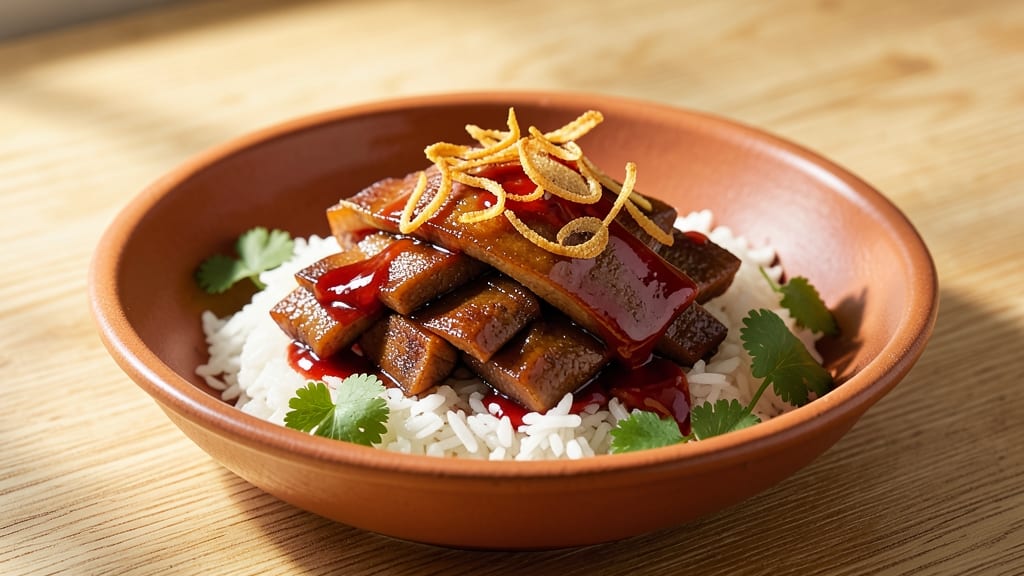
This beef honeycomb tripe recipe delivers the perfect balance of crispy edges and silky, melt-in-your-mouth texture that makes it a standout dish. I first discovered tripe while traveling through Seoul, where street vendors transformed this humble offal into something irresistibly flavorful.
The secret lies in proper preparation—cleaning, simmering, and a precise cooking method that ensures the right texture contrast every time.
The process begins with thorough cleaning and blanching to remove impurities, followed by a flavorful braise that tenderizes the tripe while absorbing rich seasonings. What sets this recipe apart is the final stir-fry step, where the tripe develops those coveted crispy edges while maintaining its tender interior.
This technique transforms tripe from an acquired taste into a crowd-pleasing main course that rivals more familiar cuts of beef.
By the time you serve this dish, you'll have perfectly textured tripe with a glossy sheen and delicate layers of flavor—ideal for pairing with steamed rice, quick-pickled vegetables, or a tangy soy-based dipping sauce.
The contrast between the crispy exterior and silky interior creates an experience that feels both rustic and refined, making it perfect for weeknight dinners or special occasions.
This recipe bridges tradition and modern cooking, proving that offal can be just as exciting as prime cuts. Let's get started with a method that delivers restaurant-quality results at home.
Ingredients for beef honeycomb tripe
Fourteen ingredients transform humble tripe into restaurant-quality crispy-silky perfection.
| Ingredient | Amount | Notes |
|---|---|---|
| Beef Honeycomb Tripe 🥩 | 1 ½ lb | Cleaned, cut into 1-inch strips |
| Kosher Salt 🧂 | 2 tbsp | Diamond Crystal preferred |
| Baking Soda 🧴 | 1 tbsp | For tenderizing tripe |
| Cold Water 💧 | 4 cups | For initial soaking |
| White Vinegar 🍶 | ½ cup | For blanching |
| Soy Sauce 🥢 | ½ cup | Kikkoman preferred |
| Sesame Oil 🫒 | 2 tbsp | Toasted for aroma |
| Honey 🍯 | ¼ cup | Wildflower preferred |
| Garlic Cloves 🧄 | 6 cloves | Minced for marinade |
| Fresh Ginger 🌿 | 2 tbsp | Grated, for depth |
| Green Onions 🧅 | 3 whole | Sliced, for garnish |
| Neutral Oil 🫒 | ½ cup | Avocado or vegetable oil |
| Rice Vinegar 🍶 | 2 tbsp | For finishing |
| Toasted Sesame Seeds 🌾 | 1 tbsp | For garnish |
The tripe is the foundation—honeycomb tripe delivers that signature texture, but any clean, well-prepared tripe works. Source from Asian markets or specialty butchers for the best quality; look for pieces with visible honeycomb patterns. The Diamond Crystal kosher salt and baking soda combination is critical for tenderizing, so don’t substitute with table salt. For the honey, wildflower or clover varieties add subtle floral notes that complement the soy and sesame. Fresh ginger should be vibrant and firm—no woody cores or mold spots—while the garlic should be plump and odorless.
No sesame oil? Avocado oil at half the amount works in a pinch, though it lacks the nutty depth. Substitute honey with maple syrup or agave, but reduce by 10% due to sweetness variations. For the vinegar, rice vinegar is ideal, but apple cider vinegar adds a fruity twist. The green onions can be swapped for scallions or chives if preferred. When mincing garlic, remove the germ and use only the clove—this prevents bitterness. For the oil, high smoke-point oils like avocado or vegetable oil prevent burning during the crisping stage.
Tripe requires three days of refrigerated storage post-purchase to ensure safety. Once cleaned and blanched, it keeps 3 days in the fridge or 3 months frozen in airtight containers. The marinade can be prepped 24 hours ahead—store in an airtight container with the tripe submerged. For the crispy finish, work in small batches to maintain even heat distribution. Garnishes like sesame seeds and green onions should be added just before serving to preserve their freshness.
Why You'll Love This Recipe
- Five-Minute Prep: The tripe soaks overnight—but that’s it. No chopping, no fuss. Just dump it in a bowl with cold water, baking soda, and vinegar, let it sit, and wake up to tripe that’s already half the work done.
- Umami Bomb: That crispy, honeycomb texture? It’s like biting into a perfectly seared steak, but with the deep, savory punch of slow-cooked tripe. The salt and vinegar soak does the heavy lifting—no mystery spices needed.
- Budget Crowd-Pleaser: A pound of tripe feeds four (or five if you’re feeding teenagers). It’s the kind of dish where everyone clears their plates, and you’ll spend half as much as you would on steak.
- Leftovers That Taste Better: Cold tripe? Still delicious. Reheat it in a pan with a splash of water, and it’s just as tender. Honestly, I’ve eaten it straight from the fridge—no shame. It’s that good.
Step-by-step instructions for beef honeycomb tripe preparation
Transform tough tripe into silky perfection with precise technique and patience.
Prepare the Tripe for Soaking
Rinse the 1.5 lb beef honeycomb tripe thoroughly under cold water to remove any surface debris. This step is crucial for removing impurities that could affect flavor. Cut the tripe into 1-inch strips using a sharp knife, working carefully through the fibrous layers. The tripe should yield to the blade without tearing - if it resists, let it soak in cold water for 10 minutes to soften slightly before cutting.
In a large bowl, combine the 2 tbsp kosher salt and 1 tbsp baking soda with the 4 cups cold water. Stir until fully dissolved, creating an alkaline solution that will tenderize the tripe. Add the tripe strips and ensure they're completely submerged. Let soak at room temperature for 2 hours, stirring occasionally. You'll notice the tripe soften noticeably and any impurities rise to the surface - skim these off during soaking for cleaner flavor.
Blanch and Rinse for Maximum Tenderness
After soaking, drain the tripe and rinse thoroughly under cold water to remove the alkaline solution. Transfer the rinsed tripe to a large pot and cover with fresh cold water. Bring to a boil over high heat, then immediately reduce to a simmer for 10 minutes. This blanching step removes any remaining surface impurities and prepares the tripe for the marinade.
Drain the blanched tripe and transfer to a clean bowl. Pour 0.5 cup white vinegar over the tripe and let it sit for 15 minutes. This acid treatment helps break down connective tissues further. Drain again and rinse with cold water one final time. The tripe should now be pliable and ready for marinating - press a strip between your fingers to test tenderness before proceeding.
Create and Apply the Signature Marinade
In a mixing bowl, combine the 0.5 cup soy sauce, 2 tbsp sesame oil, 0.25 cup honey, 6 minced garlic cloves, and 2 tbsp grated fresh ginger. Whisk vigorously until the honey and soy sauce blend completely. The marinade should be smooth with no visible graininess from the garlic or ginger. Add the drained tripe strips to the marinade and coat thoroughly, massaging the mixture into the fibers.
Cover the bowl and refrigerate for at least 4 hours, preferably overnight. The marinade works its magic during this time, infusing the tripe with umami depth while the acid components continue tenderizing. For best results, marinate for 8-12 hours - this extended time ensures maximum flavor penetration and texture transformation. The tripe should absorb the marinade completely, taking on a glossy appearance.
Cook to Crispy Perfection
Preheat a large skillet over medium-high heat and add 0.5 cup neutral oil. When the oil shimmers (around 350°F), add the marinated tripe strips in a single layer. Cook undisturbed for 3-4 minutes until the edges develop a deep golden-brown crust - this is your crispy texture promise being delivered. Flip carefully and cook another 3-4 minutes until both sides achieve that desirable crispness.
Transfer the crispy tripe to a serving platter. In the same skillet, reduce heat to medium and add the 2 tbsp rice vinegar. Let it simmer for 1 minute until slightly reduced, then pour this aromatic liquid over the tripe. Garnish immediately with 3 sliced green onions and 1 tbsp toasted sesame seeds. The finished dish should present with contrasting textures - silky interior meeting crispy exterior, all balanced by the sweet-savory marinade.
Pro Tips For Making Beef Honeycomb Tripe
- SOAK IT LONGER: I used to cut corners with a 30-minute soak in vinegar and salt, but the tripe still tasted tough. Now I let it sit in cold water with 1 tablespoon baking soda per gallon for at least 2 hours—sometimes overnight if I remember. The alkaline break-down makes all the difference, especially for that thick honeycomb texture.
- SCRUB THOSE FOLDS: Don’t just rinse the tripe after soaking—get in there with a stiff brush or your hands and pry open those stubborn folds. The more surface area you expose, the faster it’ll tenderize and absorb flavor. (Yes, it’s messy, but skimp here and you’ll regret it later.)
- START WITH HIGH HEAT: The first 5 minutes in the pot should be rolling boil, no excuses. This sears the outer layer and locks in the gelatin, which keeps the tripe from falling apart as it simmers. After that, you can drop the heat—but don’t skip the initial shock.
- SAVE THE SOAK WATER: That murky liquid after soaking? Don’t dump it. Strain it, add a splash of vinegar, and use it as your initial cooking liquid. It’s got natural enzymes from the tripe that’ll help break it down faster. (Bonus: less waste, less work.)
Storing and reheating your leftovers
Refrigerator Storage
After cooking, let your tripe cool completely before storing—this prevents condensation that can make it soggy. Transfer to an airtight container with a tight-fitting lid, leaving ½ inch headspace to avoid compression. I use glass Pyrex containers because they distribute cold air evenly and don’t absorb odors.
Store at 40°F or below for up to 3 days, though the texture starts breaking down after 2 days. The marinade flavors actually intensify overnight, so I often reheat leftovers for lunch the next day. ❄️
Freezer Storage
For longer storage, freeze cooked tripe in single-serving portions—this prevents defrosting the whole batch. Lay strips flat on a parchment-lined tray and freeze for 1 hour to solidify, then transfer to quart-sized freezer bags with all air removed (use a straw to suck out excess air).
Label with the date—it keeps 3 months without significant texture loss. When ready to eat, thaw overnight in the fridge or use the microwave defrost setting for 2-3 minutes.
Reheating Methods
For best results, reheat in a skillet over medium heat with 1 tbsp neutral oil to restore crispiness. Add 1-2 tbsp water or broth to prevent drying, then cover for 3-4 minutes until heated through.
I avoid the microwave—it turns tripe rubbery. If reheating from frozen, thaw first, then crisp in the skillet. For extra flavor, add a splash of soy sauce or sesame oil during reheating. 🔥
Texture Preservation
The key to reheating is gentle heat and minimal moisture. Overcooking collapses the crispy edges, so keep the temperature below 300°F. If the tripe looks dry after reheating, brush with a little sesame oil and broil for 30 seconds to restore crispness.
I’ve found that reheating in small batches maintains even texture—crowding the pan steams instead of crisps. For large gatherings, reheat in stages and keep warm in a 200°F oven while serving.
Garnish Refresh
Always add fresh garnishes after reheating—they wilt when exposed to heat. Toast sesame seeds in a dry pan for 30 seconds before sprinkling, and slice green onions just before serving. A drizzle of rice vinegar or chili oil brightens reheated tripe instantly.
I keep a small bowl of pickled ginger on the table for guests who want to cut through the richness. The contrast of fresh, tangy elements makes reheated tripe feel like a fresh meal. 🌟
Make-Ahead Marinade
Prep the marinade 2 days ahead and store it in the fridge—it keeps 5 days without losing potency. If you’re short on time, marinate the tripe for just 4 hours instead of overnight, then proceed with cooking. The flavor won’t be as deep, but it’s still delicious.
For a quick weeknight meal, use pre-marinated tripe straight from the fridge—no need to thaw. Just pat it dry before cooking to ensure maximum crispiness. This shortcut saves hours of prep time without sacrificing quality. ⏰
Nutrition facts
Frequently asked questions
What makes beef honeycomb tripe different from regular tripe?
Honeycomb tripe gets its name from the distinctive honeycomb pattern on its surface, which comes from the stomach's natural folds. This specific cut is prized for its delicate texture and melt-in-your-mouth quality when prepared correctly. Unlike tougher tripe varieties, honeycomb tripe responds beautifully to marinades and quick cooking methods, making it perfect for achieving that signature crispy-silky contrast.
Can I substitute baking soda with baking powder in the soaking solution?
No, never use baking powder as a substitute—it won't tenderize the tripe effectively. The baking soda creates an alkaline solution that breaks down the tough fibers, while baking powder contains acid (like cream of tartar) that would actually make the tripe tougher. Stick to the 2 tbsp kosher salt + 1 tbsp baking soda ratio for best results.
How do I know when the tripe is properly blanched?
The tripe is ready when it floats to the surface after 10 minutes of simmering—this indicates impurities have been removed. Press a strip between your fingers: it should be pliable but not mushy. If it still feels firm, simmer 2-3 more minutes. Over-blanching can make it rubbery, so time it carefully.
Can I make this recipe without sesame oil?
Yes, but you'll lose some nutty depth. Use avocado or vegetable oil at half the amount (1 tbsp instead of 2 tbsp) in the marinade. For crisping, use a neutral oil with a high smoke point like peanut or grapeseed oil. The dish will still taste great, just with a slightly different flavor profile.
What's the best way to serve this tripe with rice?
For a complete meal, serve over steamed jasmine or short-grain rice and drizzle with extra marinade. Add quick-pickled vegetables (like cucumbers or carrots) for acidity, or a side of miso soup to balance the richness. The crispy tripe pairs beautifully with sticky rice textures that soak up the savory-sweet sauce.