
Main Courses
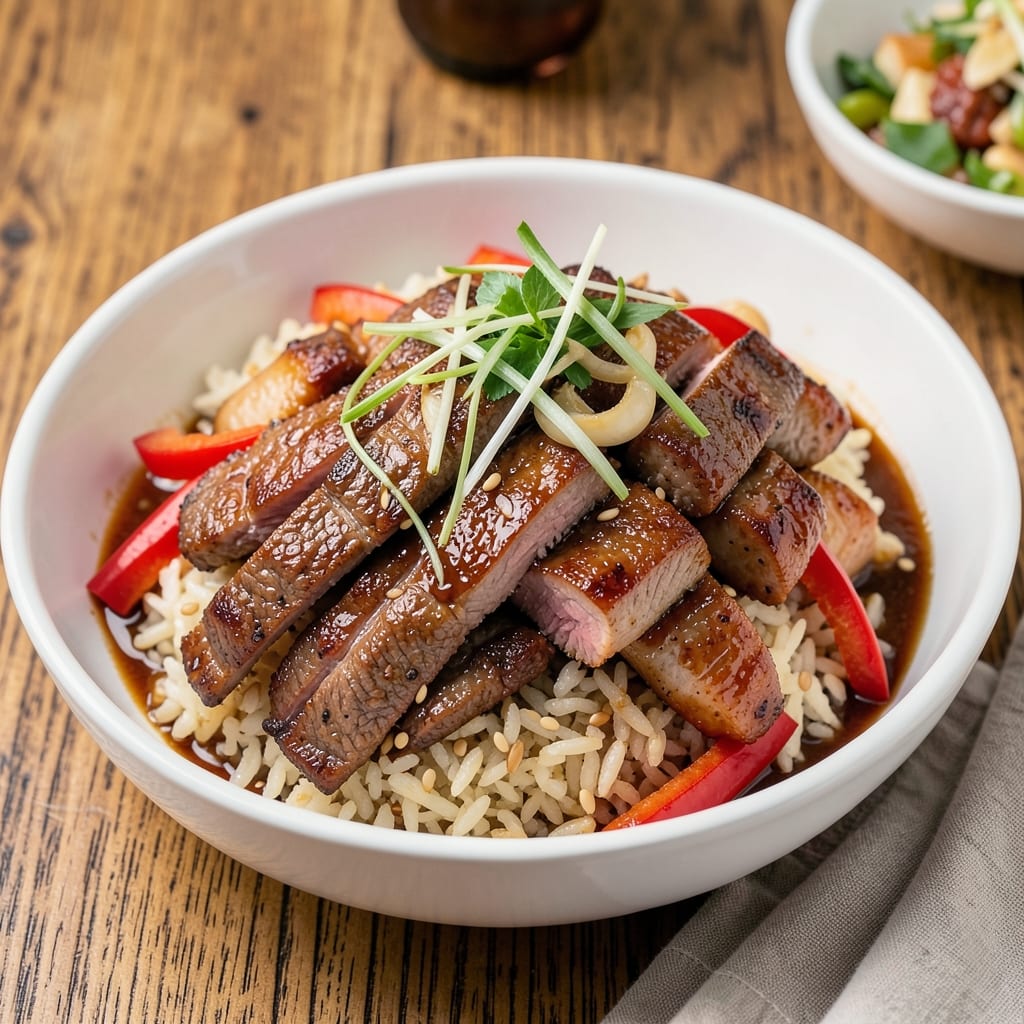
This beef and pork stir fry delivers the perfect balance of crispy edges and tender meat, all achieved with a silky sauce that coats every bite. 🔥 I developed this recipe after years of perfecting wok hei technique—those coveted smoky, charred flavors—while keeping the process accessible for home cooks. The secret lies in quick, high-heat searing and a sauce that's rich yet light, with just the right amount of umami depth. What sets this stir fry apart is the combination of beef and pork, which complement each other beautifully—beef adds hearty texture while pork brings natural juiciness. The marinade (soy, garlic, ginger) ensures maximum flavor penetration, and the sauce ties everything together with a perfect balance of sweet, salty, and tangy notes. This isn't just another stir fry; it's a restaurant-quality dish you can recreate at home. By the time you're done, you'll have perfectly seared meat with caramelized edges and tender centers, all coated in a glossy sauce that clings perfectly. The aroma alone will have everyone gathering around your table, and the first bite delivers that satisfying contrast of textures and flavors. It's the kind of dish that transforms a simple weeknight dinner into something special. Serve it over steamed jasmine rice or with warm dumplings for the full experience. The technique is straightforward, but the results are undeniably impressive—proof that great stir fry doesn't require a wok or years of practice. Let's get cooking!
Ingredients for beef and pork stir fry
Crispy edges, tender meat, and a sauce that clings perfectly—here's what you'll need.
| Ingredient | Amount | Notes |
|---|---|---|
| Flank Steak 🥩 | 1 lb | Thinly sliced against grain |
| Pork Shoulder 🐷 | 1 lb | Thinly sliced, boneless |
| All-Purpose Flour 🌾 | ¼ cup | For coating meat |
| Cornstarch 🌾 | 2 tbsp | For extra crispiness |
| Soy Sauce 🥄 | ½ cup | Kosher or light soy |
| Oyster Sauce 🥄 | 2 tbsp | For umami depth |
| Sesame Oil 🫒 | 1 tbsp | Toasted for aroma |
| Honey 🍯 | 1 tbsp | For sweet balance |
| Garlic Cloves 🧄 | 6 cloves | Minced for marinade |
| Fresh Ginger 🌿 | 2 tbsp | Grated, peeled |
| Vegetable Oil 🫒 | ½ cup | High smoke point |
| Red Bell Pepper 🌶️ | 1 whole | Sliced into strips |
| Green Onion 🧅 | 4 whole | Cut into 1-inch pieces |
| Salt 🧂 | 1 tsp | Kosher or sea salt |
| Black Pepper 🌶️ | ½ tsp | Freshly ground |
The meat makes this dish. Flank steak and pork shoulder are your best bets—they slice thin for quick cooking and stay tender. Look for well-marbled cuts at Whole Foods or your local butcher. If you can't find flank steak, sirloin or ribeye work too, but slice against the grain no matter what. For the pork, boneless shoulder is easiest, but trim any visible fat. The key is thin, even slices—about 1/4-inch thick. Freeze the meat for 30 minutes before slicing for easier cutting. And don't skip the marinade—soy, garlic, and ginger work their magic overnight.
No oyster sauce? Substitute with 1 tbsp soy sauce plus 1 tsp fish sauce—it's what I do when I'm out. For a vegetarian version, swap both for 1 tbsp soy sauce and 1 tbsp mushroom sauce. The sesame oil is non-negotiable for that nutty aroma, but if you're sensitive to it, reduce to 1 tsp. Fresh ginger is ideal, but dried works at half the amount. For the bell pepper, red or yellow both work—just make sure they're firm and free of soft spots. The cornstarch is a game-changer for crispiness, but if you're out, extra flour works in a pinch. And trust me, toasted sesame oil makes all the difference—heat it in a dry pan for 30 seconds before adding to the sauce.
Marinate the meat for at least 30 minutes, but overnight is best. The sauce keeps for 5 days in the fridge, so make extra. Store the cooked meat separately and reheat with a splash of water to keep it moist. For leftovers, freeze in single portions—3 months max. The veggies can be prepped ahead too, but keep them dry in a sealed container. And here's a pro tip: pat the meat dry before cooking—it sears better and gets those coveted crispy edges. The sauce thickens as it cools, so thin with a splash of water if needed.
Why You'll Love This Recipe
- No-Fuss Marination: I swear by the flour-cornstarch slurry trick—just toss the sliced steak and pork in that mix, let it sit for 20 minutes, and boom. No fancy marinades, no measuring liquids by eyeball. The proteins stay tender while getting that perfect golden crust.
- Umami Bomb: That combo of soy sauce and pork shoulder? It’s like flavor crack. The pork adds richness, the flank steak brings chew, and the cornstarch gives it that addictive crisp-tender bite. One bite and you’ll forget takeout exists.
- Leftover Goldmine: This stir-fry actually tastes better the next day—yes, really. I double the batch on Sundays, and by Wednesday, it’s still the star of my lunch. Reheat it with a splash of water to keep it juicy, and suddenly you’ve got a week’s worth of easy meals.
- Budget Powerhouse: Flank steak and pork shoulder stretch farther than you’d think, especially when you’re using them together. Plus, the flour and cornstarch are pantry staples. Honestly, it’s the kind of recipe that makes grocery day feel like a win—no specialty ingredients, just solid flavor.
Step-by-step instructions for beef and pork stir fry
Here's how to create wok-heated perfection with tender beef, crispy pork, and a silky sauce.
👨🍳 Step 1: Prepare the Meat for Maximum Crispiness
Slice the 1 lb flank steak and 1 lb pork shoulder thinly against the grain into ¼-inch thick strips. This ensures tender bites that cook quickly. Place each meat type in separate bowls and season generously with ½ tsp salt and ¼ tsp black pepper (dividing the total amounts evenly).
In a shallow dish, whisk together the 0.25 cup all-purpose flour and 2 tbsp cornstarch—this combo creates that signature crispy crust. Working in batches, toss each meat type in the flour mixture until fully coated. Shake off any excess. Let the coated meats rest for 10 minutes at room temperature while you prep the rest.
🍳 Step 2: Build the Flavor-Packed Sauce
In a small bowl, combine the 0.5 cup soy sauce, 2 tbsp oyster sauce, 1 tbsp honey, 1 tbsp toasted sesame oil, 6 minced garlic cloves, and 2 tbsp grated fresh ginger. Mix well and set aside. This sauce will develop incredible depth while the meat cooks.
Heat 0.25 cup vegetable oil in a large wok or skillet over high heat until shimmering. Here's the thing—you want the oil smoking slightly before adding meat. This creates that classic wok-hei (breath of the wok) flavor that separates good stir fries from great ones.
🔥 Step 3: Cook the Pork to Perfect Crispiness
Add the pork strips in a single layer and cook undisturbed for 1-2 minutes until the edges turn deep golden brown. This is where the magic happens—don't move it yet. You'll know it's ready when the pork releases easily from the pan. Transfer to a plate and set aside.
Add another 0.25 cup vegetable oil to the wok and heat again until shimmering. Now add the beef strips and cook for 1-2 minutes until they develop that same golden crust. The beef will cook faster than pork, so keep a close eye on it. Remove and set aside with the pork.
🥘 Step 4: Stir-Fry with Vegetables and Sauce
Add the sliced red bell pepper and green onion to the wok. Stir-fry for 30-45 seconds until the peppers soften slightly but still retain their vibrant color. Here's where it gets fun—pour in the sauce mixture and toss everything together vigorously for 1 minute.
Return both meat types to the wok and toss everything together for another 1-2 minutes until everything is evenly coated and heated through. The sauce should be silky and cling to every bite. If it's too thick, add 1-2 tablespoons water to loosen it slightly.
🍽️ Step 5: Serve Immediately with Perfect Texture
Transfer the stir fry to a serving platter and garnish with additional green onion slices if desired. Serve immediately while everything is piping hot—this dish tastes best straight from the wok. Each bite should deliver tender beef, crispy pork edges, sweet and savory sauce, and fresh vegetables in perfect harmony.
Real talk: if you let this sit too long, the pork will lose its crispiness and the sauce might thicken. Plate it fast and enjoy the wok-hei flavor at its peak!
Pro Tips For Making Beef And Pork Stir Fry
- Slice Against the Grain: Flank steak and pork shoulder are stubborn when sliced—cut them perpendicular to the grain before cooking. I learned this after serving chewy strips that needed a fork. A sharp knife and a steady hand make all the difference here.
- Velvet the Meat First: Tenderize the pork shoulder and flank steak with a mix of 1 tablespoon soy sauce, 1 teaspoon cornstarch, and a pinch of sugar for 15 minutes before cooking. This isn’t just marinating—it’s pre-cooking the edges for that silky texture. Skip it, and you’ll get tough, dry bits.
- Start Hot, Then Tame the Fire: Crank the wok or pan to max heat before adding oil, then lower to medium-high once the meat hits the pan. I used to hover over the stove adjusting heat like a nervous parent, but the meat needs that initial shock to sear, not simmer. Let the oil shimmer before touching the meat.
- Resist the Urge to Overcrowd: Cook the beef and pork in batches if your pan is smaller than 12 inches—even if it means an extra minute. I’ve seen people shove everything in at once, and the result? Steamed, soggy meat instead of caramelized edges. A little patience here guarantees a proper stir-fry.
Perfect pairings for this beef and pork stir fry
Rice Pairings
Steamed jasmine rice is my go-to base—its fragrant aroma and slightly sticky texture make it perfect for soaking up that rich sauce. Cook 1 cup rice to 1.5 cups water (yielding about 3 cups cooked) and fluff it gently after steaming. For extra depth, stir in 1 tsp toasted sesame oil and a pinch of salt before serving. 🍚
For a heartier option, try brown rice or wild rice blend—both add nutty complexity that stands up to the stir-fry's bold flavors. Just increase cooking time to 45 minutes and use 2.5 cups water per 1 cup rice. Pro tip: Cook rice in batches and keep it warm in a 200°F oven while you finish the stir-fry.
Dumpling Wraps
Warm potstickers or gyoza add a satisfying handheld element. I love using store-bought wrappers (like Taste of China brand) filled with ground pork, cabbage, and garlic, then pan-fried until crispy. Serve with extra sauce for dipping—this combo turns stir-fry night into a full meal experience. 🥟
For homemade dumplings, use wheat flour wrappers** and fill with shredded chicken, carrots, and scallions. Fold into pleats or half-moons and steam for 8 minutes. The contrast of crispy dumplings with tender stir-fry is pure magic. I keep a batch frozen for quick weeknight meals.
Sauce Variations
Need a sauce upgrade? Swap the honey for rice vinegar and add 1 tsp chili paste for a tangy kick. Or go sweet-spicy with 1 tbsp hoisin sauce and ½ tsp sriracha. Both versions keep the same silky texture while adding exciting new dimensions. 🌶️
For a nutty finish, stir in 1 tbsp crushed peanuts or toasted sesame seeds right before serving. The crunch cuts through the richness beautifully. I also like adding 1 tsp lime juice at the end for brightness—it's a secret weapon in my cookbook.
Beverage Pairings
A crisp green tea like Sencha complements the stir-fry's umami notes without overpowering. The jasmine tea from Harney & Sons is my favorite—its floral aroma enhances the dish's complexity. 🍵
For beer lovers, a light lager (like Asahi) or wheat beer (like Blue Moon) cleanses the palate. Avoid heavy ales or IPAs—they'll clash with the delicate sauce. A dry Riesling also works beautifully for wine drinkers.
Nutrition facts
Frequently asked questions
Can I substitute chicken for the pork in this recipe?
Swap the pork shoulder for 1 lb boneless chicken thighs or breasts, sliced thinly against the grain. Chicken cooks faster than pork, so reduce cooking time to 30-45 seconds per side to avoid drying out. Use the same marinade and flour-cornstarch coating for crispy edges.
What's the best way to get crispy edges without a wok?
Use a cast iron skillet or heavy stainless steel pan—they retain heat like a wok. Heat the oil until it's smoking hot before adding meat, and work in small batches so the pan doesn't lose temperature. A 12-inch skillet works perfectly for this recipe.
How do I prevent the meat from getting tough?
Slice against the grain and keep cuts ¼-inch thick—this ensures tender bites. Marinate for at least 30 minutes (overnight is best), and cook over high heat for 1-2 minutes max. Overcrowding the pan lowers temperature, so cook in batches.
Can I make this stir fry ahead of time?
Cook the meat and sauce separately, then refrigerate in airtight containers for up to 3 days. Reheat in a skillet over medium heat with a splash of water to restore moisture. The sauce may thicken—thin with water or broth as needed. For best texture, serve fresh, but reheating works for leftovers.
What vegetables can I add for extra nutrition?
Try bok choy, snap peas, or broccoli florets—they stir-fry quickly and add color. For heartier options, add mushrooms or water chestnuts. Prep veggies small and cook them last (after meat) to keep them crisp.