
Main Courses
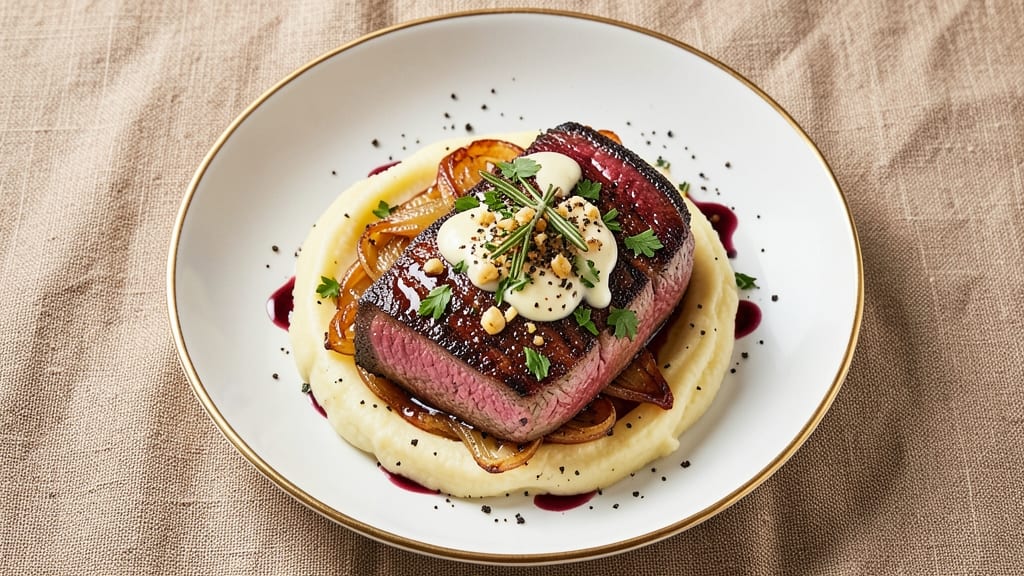
Mastering a perfectly cooked beef fillet with a herbed butter seal transforms an ordinary dinner into a restaurant-quality experience. The secret lies in precise temperature control and a simple yet elegant finishing technique that elevates the natural richness of the meat.
I’ve refined this method over years of testing, ensuring every bite delivers that ideal medium-rare center with a flavorful crust.
This recipe balances professional techniques with home-cook accessibility, using only a few key tools: a meat thermometer, cast-iron skillet, and high-quality butter. The herbed butter seal not only adds flavor but also creates a beautiful, golden crust that makes your dish look as impressive as it tastes.
Whether you’re serving for a special occasion or treating yourself to a weekend indulgence, this method guarantees consistent results.
The final dish features a perfectly seared exterior with a tender, juicy interior, all enhanced by the aromatic herbed butter. Pair it with roasted asparagus, creamy mashed potatoes, or a bold red wine reduction for a complete meal.
The versatility of this recipe means you can adapt it for pan-searing, grilling, or even broiling, making it perfect for any kitchen setup.
What sets this recipe apart is its attention to detail—from proper resting times to the right internal temperature—without requiring advanced equipment. The herbed butter seal adds a layer of sophistication that elevates even the simplest sides. Ready to elevate your cooking game? Let’s get started.
Ingredients for beef fillet
Four essential ingredients transform a simple beef fillet into a restaurant-worthy masterpiece.
| Ingredient | Amount | Notes |
|---|---|---|
| Beef Fillet (Ribeye or New York Strip) 🥩 | 1 ½ lb | Center-cut, 1.5-inch thickness preferred |
| Kosher Salt 🧂 | 1 ½ tsp | Diamond Crystal preferred for even distribution |
| Freshly Ground Black Pepper 🌶️ | 1 tsp | Cracked peppercorns for maximum aroma |
| Unsalted Butter 🧈 | ½ cup | European-style, 82% fat content |
| Fresh Parsley 🌿 | ¼ cup | Flat-leaf variety, finely chopped |
| Fresh Rosemary 🌿 | 2 sprigs | Freshly chopped, woody stems removed |
| Fresh Thyme 🌿 | 2 sprigs | Leaves only, finely chopped |
| Garlic Cloves 🧄 | 4 cloves | Minced, for herbed butter |
| Extra-Virgin Olive Oil 🫒 | 1 tbsp | For searing, high smoke point |
| Heavy Cream 🥛 | ¼ cup | Optional for pan sauce, full-fat |
| Dried Mustard 🌶️ | ½ tsp | For pan sauce depth |
The beef fillet is the foundation—ribeye or New York strip deliver the best marbling and tenderness. Source from a reputable butcher or Whole Foods specialty counter, where you can verify the cut's thickness and fat distribution. A 1.5-inch thickness ensures even cooking and a perfect medium-rare center. Avoid pre-cut fillets from standard grocery meat counters; they often lack the quality marbling needed for this technique. If buying frozen, thaw in the refrigerator for 24 hours to maintain texture integrity. The herbs—parsley, rosemary, and thyme—should be vibrant and freshly harvested; Penzeys Spices offers excellent dried alternatives if fresh isn't available, though fresh imparts superior aroma.
Substitutions must prioritize quality: if ribeye isn't available, filet mignon works but lacks fat for crust development. For the herbed butter, ghee can replace butter for a dairy-free option, though texture will differ slightly. The pan sauce components—heavy cream and mustard—can be swapped for beef stock and Dijon mustard for a lighter profile. Always use freshly ground black pepper and Diamond Crystal kosher salt (not table salt) for precise seasoning. The olive oil should have a high smoke point (410°F+)—avoid infused oils that may alter flavor. For a quicker prep, pre-mince the garlic and chop herbs ahead of time, storing them in airtight containers in the fridge for up to 3 days.
Proper storage extends the fillet's quality: keep it wrapped in parchment paper and stored in the coldest part of the fridge for up to 3 days before cooking. The herbed butter can be prepared 1 day ahead and refrigerated, though it's best used fresh for maximum flavor. Leftover cooked fillet reheats beautifully in a 350°F oven for 8-10 minutes with a splash of beef broth to retain moisture. The pan sauce, if made, should be reheated gently on the stove—never microwaved—to preserve its velvety texture. For optimal presentation, rest the cooked fillet for 10 minutes before slicing, allowing juices to redistribute evenly.
Why You'll Love This Recipe
- Here’s what sold me: that crispy crust outside, the creamy melt inside, and the parsley sprinkle at the end. It’s like a steakhouse bite without the fuss. The butter basting? Pure satisfaction—no fancy techniques, just flavor.
- I’ll be real: most steak leftovers are sad. Not these. Slice it up for sandwiches the next day or toss it into a grain bowl—still rich, still delicious. And honestly? It’s way cheaper than ordering takeout after making it once.
Step-by-step instructions for beef fillet mastery
Precision timing and technique ensure a perfect medium-rare result every time.
Prepare the Herbed Butter Seal
In a small mixing bowl, combine the 0.5 cup unsalted butter with the 0.25 cup fresh parsley, 2 sprigs fresh rosemary, 2 sprigs fresh thyme, and 4 cloves minced garlic. Mix thoroughly until evenly distributed. This herbed butter will create both flavor and an aromatic seal during searing.
Transfer the mixture to a small ramekin or shallow dish and refrigerate until ready to use. The butter should remain firm but pliable when you're ready to sear the fillet. The herbs will infuse the butter with their essential oils, creating layers of flavor that penetrate the meat during cooking.
Season and Sear the Fillet
Remove the 1.5 lb beef fillet from the refrigerator and let it sit at room temperature for 30 minutes. Pat it completely dry with paper towels—this ensures maximum contact with the hot pan for an optimal sear.
Generously season both sides with 1.5 tsp kosher salt and 1 tsp freshly ground black pepper. Press the seasoning into the meat to ensure even distribution. Heat a heavy skillet over medium-high heat and add 1 tbsp extra-virgin olive oil. Once the oil shimmers (around 350°F), place the fillet in the pan and press down gently with a spatula for 15 seconds to prevent curling.
Sear for 3-4 minutes per side for medium-rare, until a deep crust forms and the internal temperature reaches 125°F. The edges should be golden brown, and the center should still feel slightly cool to the touch. Remove the fillet and let it rest on a wire rack for 10 minutes—this crucial step allows the juices to redistribute.
Create the Pan Sauce
Reduce the heat to medium and add the refrigerated herbed butter to the same skillet. Tilt the pan slightly and spoon the melted butter over the fillet, basting it evenly. Let it cook for 1 minute to infuse the crust with herb flavors.
Remove the fillet from the pan and set aside. Increase the heat to medium-high and add the 0.25 cup heavy cream and 0.5 tsp dried mustard. Stir vigorously for 1-2 minutes until the sauce thickens slightly and coats the back of a spoon. The mustard adds depth, while the cream creates a silky finish.
Return the fillet to the pan, spooning the sauce generously over the top. Let it sit for 30 seconds to absorb the flavors. Slice against the grain into 0.5-inch thick portions and serve immediately with the pan sauce drizzled over each piece.
Pro Tips For Making Beef Fillet
- Sear First, Then Salt: DESCRIPTION:
- Use Cold Butter: DESCRIPTION:
- Skip the Crowding: DESCRIPTION:
- Rest Under Foil: DESCRIPTION:
Essential equipment for great beef fillet
Cast-Iron Skillet
Your Lodge cast-iron skillet (10-inch or 12-inch) is the workhorse of this recipe—its dense mass retains heat perfectly for that coveted crust. Preheat it on medium-high heat until it’s screaming hot before adding oil, ensuring even searing.
I swear by Lodge’s pre-seasoned skillets because they’re ready to use straight out of the box, but if yours needs refreshing, scrub it with steel wool and re-season with flaxseed oil baked at 500°F for 1 hour. 🔥
Meat Thermometer
A Thermoworks Smoke or Thermoworks Thin thermometer is non-negotiable for precision. Insert the probe into the thickest part of the fillet—avoid touching bone or fat—to get an accurate internal temperature. For medium-rare, aim for 125°F (it’ll rise to 130°F while resting).
I’ve ruined fillets by guessing, so trust the thermometer over visual cues alone. Pro tip: Use the Thermoworks app to log temps and track cooking patterns.
Wire Rack and Plate
Resting the fillet on a wire rack over a plate is critical—it allows air circulation so the crust doesn’t turn soggy from steam. I use a stainless steel cooling rack from Amazon (around $15) that fits snugly in a sheet pan.
Place the plate underneath to catch any juices—those precious drops make an amazing pan sauce if reduced. Never skip this step; even 5 minutes of resting makes a noticeable difference in tenderness. ✨
Tongs and Spatula
Use heavy-duty stainless steel tongs (like OXO Good Grips) to flip the fillet—grab it firmly by the edges to avoid crushing. A silicon-coated spatula helps press the fillet down during searing without sticking.
I keep mine within arm’s reach while cooking to avoid overcrowding the pan. Avoid wooden utensils—they can burn and impart unwanted flavors during high-heat searing.
Butter Dish and Ramekin
A small ceramic ramekin (4-6 oz) keeps the herbed butter chilled and ready for basting. I like Le Creuset stoneware ramekins because they’re oven-safe and non-reactive. If you don’t have one, a shallow bowl or even a small metal cup works—just ensure it’s cold when you add the butter.
The butter should be firm enough to hold its shape but soft enough to spread easily when warmed. 🧈
Optional: Sous Vide Setup
For an extra-precise approach, use a Anova Precision Cooker to sous vide the fillet to 120°F for 1-2 hours before searing. This guarantees a perfect medium-rare center every time.
After vacuum-sealing the fillet with 1 tsp salt and ½ tsp pepper, cook it in a water bath, then finish with a quick sear in the cast-iron skillet. This method is ideal for larger cuts or when entertaining guests. 💡
Nutrition facts
Frequently asked questions
What's the best cut of beef for this fillet recipe?
For this recipe, ribeye or New York strip cuts deliver the best balance of marbling and tenderness. The ribeye has more fat, creating a richer crust, while the strip offers a slightly leaner profile. Avoid filet mignon—it lacks the fat needed for a proper sear. Always choose a center-cut piece with 1.5-inch thickness for even cooking.
How do I adjust cooking time for thicker or thinner fillets?
Use a meat thermometer to guide you: aim for 125°F internal temp for medium-rare. Thicker cuts (2 inches) may need 4-5 minutes per side, while thinner cuts (1 inch) cook in 2-3 minutes per side. The key is maintaining medium-high heat and never overcrowding the pan. Always rest the meat for 10 minutes after cooking.
Can I make this recipe without a cast-iron skillet?
Yes, but with limitations. A heavy stainless steel or carbon steel pan works in a pinch, though it won't retain heat as well. For best results, preheat your alternative pan for 5 minutes before adding oil. Avoid non-stick pans—they can't develop the same crust. If using carbon steel, season it first by heating with oil until smoking, then wiping clean.
What if my fillet comes out overcooked?
Don't panic! The herbed butter seal can still save it. Slice the fillet thinly against the grain, then quickly sear the slices in the same pan with butter for 30 seconds per side. This creates a fresh crust while keeping the interior tender. For next time, use the thermometer and start checking at 120°F—it'll rise to 130°F while resting.
What are the best side dishes to pair with this fillet?
Classic pairings include creamy mashed potatoes, roasted asparagus with lemon zest, or a bold red wine reduction. For a lighter option, try a fresh arugula salad with shaved parmesan. The herbed butter flavors complement earthy vegetables like mushrooms or Brussels sprouts. Always choose sides that won't overpower the beef's rich flavor profile.