
Sauces & Condiments
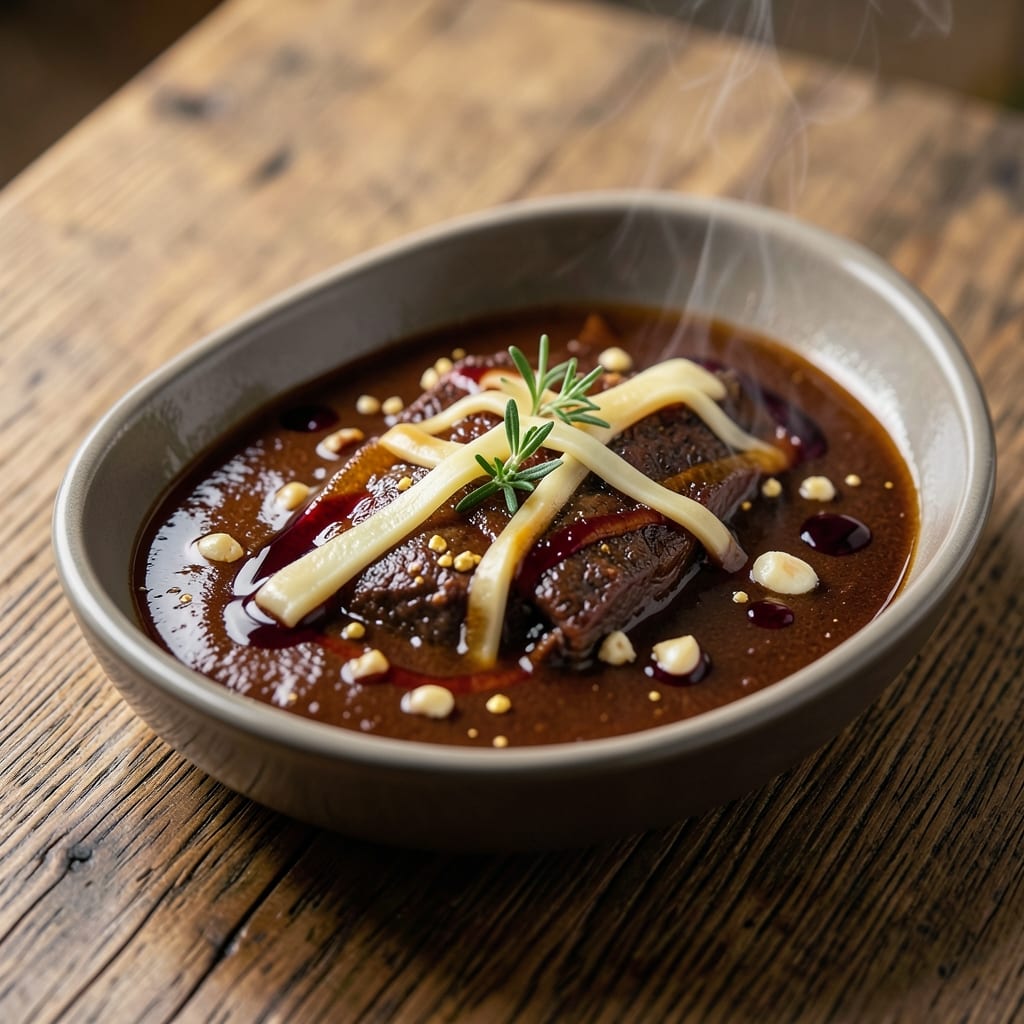
This beef basting sauce recipe transforms ordinary grilled meats into showstopping masterpieces with its deep caramelized glaze. The secret lies in reducing rich ingredients—red wine, beef broth, and butter—into a velvety sauce that locks in moisture while creating that coveted golden crust. I developed this after years of experimenting with restaurant-quality techniques at home, and it never fails to impress.
The beauty of this sauce is its dual purpose: it bastes the meat during cooking, infusing every bite with layers of flavor, then becomes the finishing glaze that ties everything together. No special equipment is needed—just a saucepan and a brush. The combination of red wine's acidity and beef broth's depth creates a sauce that's both complex and balanced, with just the right amount of richness from the butter.
What you'll achieve is meat that's perfectly seared on the outside with tender, juicy centers—all thanks to this basting sauce working its magic. The caramelized glaze adds both visual appeal and depth of flavor, making even simple cuts of beef taste like they came from a high-end steakhouse. This is the kind of sauce that elevates any grilling session from ordinary to extraordinary.
Once you've mastered the technique, you'll want to make a double batch—this sauce keeps beautifully in the refrigerator for up to 5 days, ready to transform your next grilling adventure. The key is patience during the reduction, allowing the flavors to develop fully for that restaurant-quality result every time.
Ingredients for beef basting sauce
Six simple ingredients transform ordinary grilling into restaurant-worthy perfection.
| Ingredient | Amount | Notes |
|---|---|---|
| Dry Red Wine 🍷 | 1 cup | Bold and dry variety preferred |
| Beef Broth 🍲 | 1 cup | Low-sodium preferred |
| Unsalted Butter 🧈 | 4 tbsp | Cold, cut into small cubes |
| Garlic Cloves 🧄 | 4 cloves | Minced for even distribution |
| Fresh Thyme Leaves 🌿 | 1 tbsp | Or 1 tsp dried thyme |
| Tomato Paste 🍅 | 1 tbsp | Smooth, no sugar added |
| Kosher Salt 🧂 | ½ tsp | Diamond Crystal preferred |
| Black Pepper 🌶️ | ¼ tsp | Freshly cracked |
The red wine is non-negotiable here—Cabernet Sauvignon or Merlot work best, whatever's open in your cabinet. Trader Joe's or Total Wine carry solid budget options if you're stocking up. For beef broth, low-sodium is key—you'll add salt later. I always grab the Pacific Foods brand, but any quality low-sodium broth works. The butter? Cold cubes are crucial—they melt beautifully as the sauce reduces, creating that luscious caramelized glaze. Skip the salted butter unless you're adjusting seasoning later.
No red wine? Beef broth with 1 tbsp balsamic vinegar gets you close, though it won't have the same depth. Fresh thyme is ideal, but dried works at one-third the amount—just make sure it's culinary-grade, not the stuff from the spice rack that's been sitting there for years. For tomato paste, squeeze tubes from Trader Joe's are perfect—no waste, and they keep forever. Want more richness? Add 1 tbsp heavy cream at the end. The garlic can be pre-minced, but freshly minced gives that extra punch worth the 30 seconds.
This sauce is all about patience—let it reduce slowly on the grill or stovetop for maximum caramelization. Keeps 3-4 days in the fridge, covered tightly. I double the batch and freeze half in ice cube trays—perfect for future grill sessions. Reheat gently in a small saucepan over low heat, stirring occasionally. Never microwave—you'll kill that beautiful caramelized depth.
Why You'll Love This Recipe
- I’ll be real: beef broth and a decent bottle of wine won’t break the bank, and a little goes a long way. Stretch it over two meals, freeze half, and suddenly you’ve got a fancy-sounding sauce that costs next to nothing.
- One-Pot Magic: I swear by this sauce—just toss everything into a single pan, let it simmer, and walk away. No extra bowls, no mess, and honestly? That rich wine-broth reduction happens almost without thinking.
- Wine-Lover’s Dream: Between us, the dry red wine cuts through the richness of the butter and beef broth like a breath of fresh air. That garlic-thyme punch? It’s the kind of flavor that makes you pause mid-bite and go, "Wait, is this even real?"
- Leftovers That Shine: This sauce doesn’t just taste better the next day—it transforms. Drizzle it over roasted veggies, toss it with pasta, or even use it to deglaze a pan for breakfast hash. I’ve had it three times this week already.
Step-by-step instructions for beef basting sauce
Here's how to create a rich, caramelized glaze that'll elevate any grilled beef to restaurant-quality.
Melt Butter and Bloom Aromatics
In a medium saucepan over medium heat, melt the 4 tablespoons unsalted butter until it foams but doesn't brown. Add the 4 cloves minced garlic and 1 tablespoon fresh thyme leaves, stirring constantly for 30 seconds until fragrant. This step builds the flavor foundation—don't rush it or the garlic will burn before releasing its aroma.
Next, stir in the 1 tablespoon tomato paste and cook for 1 minute until it loses its raw taste and darkens slightly. The tomato paste adds depth that cuts through the richness of the butter. Keep the heat at medium—too high and you'll burn the paste before it develops its caramelized flavor.
Deglaze with Wine and Reduce
Pour in the 1 cup dry red wine and scrape up any browned bits from the bottom of the pan with a wooden spoon. These bits, called fond, are packed with flavor. Let the wine simmer uncovered for 3-4 minutes until reduced by half and slightly syrupy in texture.
Watch for the alcohol to cook off—you'll notice the aroma change from sharp and wine-like to more mellow and caramelized. This reduction concentrates the flavors and creates the perfect base for the sauce. If you smell raw alcohol after 3 minutes, keep simmering until it disappears completely.
Incorporate Broth and Season
Add the 1 cup beef broth, 0.5 teaspoon kosher salt, and 0.25 teaspoon black pepper to the pan. Stir well to combine, then bring to a gentle simmer over medium-low heat. Let it reduce for 8-10 minutes until the sauce thickens enough to coat the back of a spoon.
The sauce should coat the spoon smoothly but still have a glossy sheen—this indicates it's at the perfect consistency for basting. If it thickens too quickly, add 1-2 tablespoons water to adjust. Taste and adjust seasoning if needed, remembering that the sauce will reduce further when used.
Finish and Strain for Smooth Texture
Remove the pan from heat and let it sit for 2 minutes to allow any remaining alcohol to cook off. Then, strain the sauce through a fine-mesh sieve into a clean bowl to remove any thyme stems or garlic bits. This ensures a silky, professional finish that'll coat your beef beautifully.
The sauce should now have a deep, caramelized color with a rich, complex aroma. For best results, use it immediately while still warm. If you need to reheat, do so gently over low heat, stirring constantly to prevent scorching. This sauce is perfect for basting steaks, chops, or even roasted vegetables for that restaurant-quality finish.
Pro Tips For Making Beef Basting Sauce
- Sear the Garlic First: I used to toss minced garlic straight into the wine and butter—big mistake. Instead, heat the butter over medium-low until it foams, then add whole garlic cloves (peeled, yes, whole) and let them sizzle just until golden, about 2 minutes. Remove them immediately (they’ll crisp up later) so the sauce doesn’t turn bitter. The flavor’s deeper this way, and you won’t taste raw garlic.
- Deglaze with Wine Heat: Pouring cold wine into a hot pan is how you waste alcohol and dull the sauce. Let the pan cool for 30 seconds after searing (or use a splash of broth first), then add the wine. Scrape up every browned bit—those are the flavor bombs. If you’re impatient, heat the wine slightly in a separate cup before adding, but don’t boil it.
- Simmer, Don’t Boil: After adding broth, keep the heat at a gentle simmer—tiny bubbles, not a rolling boil. I learned this after my sauce turned cloudy and flat. A fast boil burns off the wine’s delicate aromas and makes the butter separate. If it reduces too quickly, lower the heat or cover it loosely. Patience here makes the sauce rich, not thin.
- Strain for Smoothness: Thyme stems and garlic bits ruin an otherwise perfect sauce. After simmering, strain the mixture through a fine-mesh sieve directly into a bowl or saucepan. No fancy tools? Nestle a coffee filter inside the sieve for extra smoothness. I skip this sometimes, but the texture’s noticeably better when I don’t—especially if you’re basting meat.
Creative variations of this dish
Red Wine Reduction Twist
Swap the red wine for 1 cup balsamic vinegar and ½ cup beef broth for a tangy, sweet variation that works beautifully with lamb or pork. The balsamic adds depth while cutting through richness—perfect for those who prefer less alcohol in their cooking. I've used this version for grilled pork chops with stunning results. 🍷
Herb Variations
Swap thyme for 1 tbsp fresh rosemary (finely chopped) for a piney, aromatic twist ideal for ribeye steaks. For a Mediterranean touch, use 1 tbsp fresh oregano and add ½ tsp smoked paprika—this pairs wonderfully with flank steak. Always adjust seasoning after herb swaps, as different herbs have varying salt content.
Umami Boost Options
Add 1 tbsp soy sauce or 1 tsp fish sauce for an umami-packed sauce that works brilliantly with Asian-inspired beef dishes. For a vegetarian-friendly version, replace beef broth with mushroom broth and add 1 tsp miso paste. The umami depth remains, but the sauce becomes more versatile for non-meat applications.
Sweet Heat Fusion
Incorporate 1 tbsp honey or 1 tbsp maple syrup along with ½ tsp chili flakes for a sweet-and-spicy glaze. This variation elevates skirt steak tacos or grilled beef short ribs. For extra heat, add a dash of hot sauce at the end—just enough to complement without overwhelming the rich beef flavors. 🌶️
Creamy Finish
Stir in 2 tbsp heavy cream or 2 tbsp crème fraîche during the final reduction for a velvety texture. This works exceptionally well with tender cuts like filet mignon or beef tenderloin. For a lighter option, use 2 tbsp Greek yogurt—it adds tanginess while keeping the sauce rich and glossy.
Global Flavor Infusions
For an Italian touch, add 1 tsp dried basil and ½ tsp red pepper flakes—ideal for grilled beef skewers. A Mexican-inspired version swaps red wine for 1 cup beef broth and adds 1 tsp cumin and ½ tsp cinnamon. These global twists keep the sauce's core technique intact while introducing exciting new flavor profiles. 🌎
Nutrition facts
Frequently asked questions
Can I make this beef basting sauce ahead of time?
Yes! This sauce actually improves when made a day ahead. Store it in an airtight container in the refrigerator for up to 5 days. The flavors meld beautifully, and you'll appreciate having it ready for spontaneous grilling. Reheat gently over low heat—never microwave, as it can break the sauce's delicate texture.
What's the best way to use this sauce for basting?
Use a pastry brush or silicone baster to apply the sauce every 2-3 minutes during the last 10 minutes of cooking. Focus on the edges first to prevent flare-ups. For extra flavor, pour ¼ cup into the grill's drip pan to infuse the smoke. The sauce should caramelize slightly when it hits the hot meat—this creates that perfect crust.
Can I use this sauce for other meats besides beef?
It works wonderfully on lamb chops, pork tenderloin, and even chicken thighs. For poultry, reduce the cooking time to 5-7 minutes to prevent overcooking. The rich flavors complement game meats like venison too. Just adjust seasoning slightly—pork benefits from a touch more thyme, while lamb pairs beautifully with rosemary.
Why did my sauce turn out too thin?
This usually happens from two common issues: either the heat was too high during reduction, or the sauce wasn't simmered long enough. Next time, use medium-low heat and let it reduce uncovered for 12-15 minutes total. If it's still too thin, simmer uncovered for another 3-5 minutes—don't add flour or cornstarch as that changes the sauce's texture completely.
How can I make this sauce more flavorful?
For an extra depth of flavor, add 1 tsp Worcestershire sauce when you incorporate the beef broth, or a pinch of smoked paprika for a subtle smokiness. Another pro trick is to toast 1 tsp whole peppercorns in the butter before adding the garlic—this infuses subtle warmth. For umami, stir in ½ tsp fish sauce at the very end. These small tweaks create restaurant-quality results.