
Soups & Stews
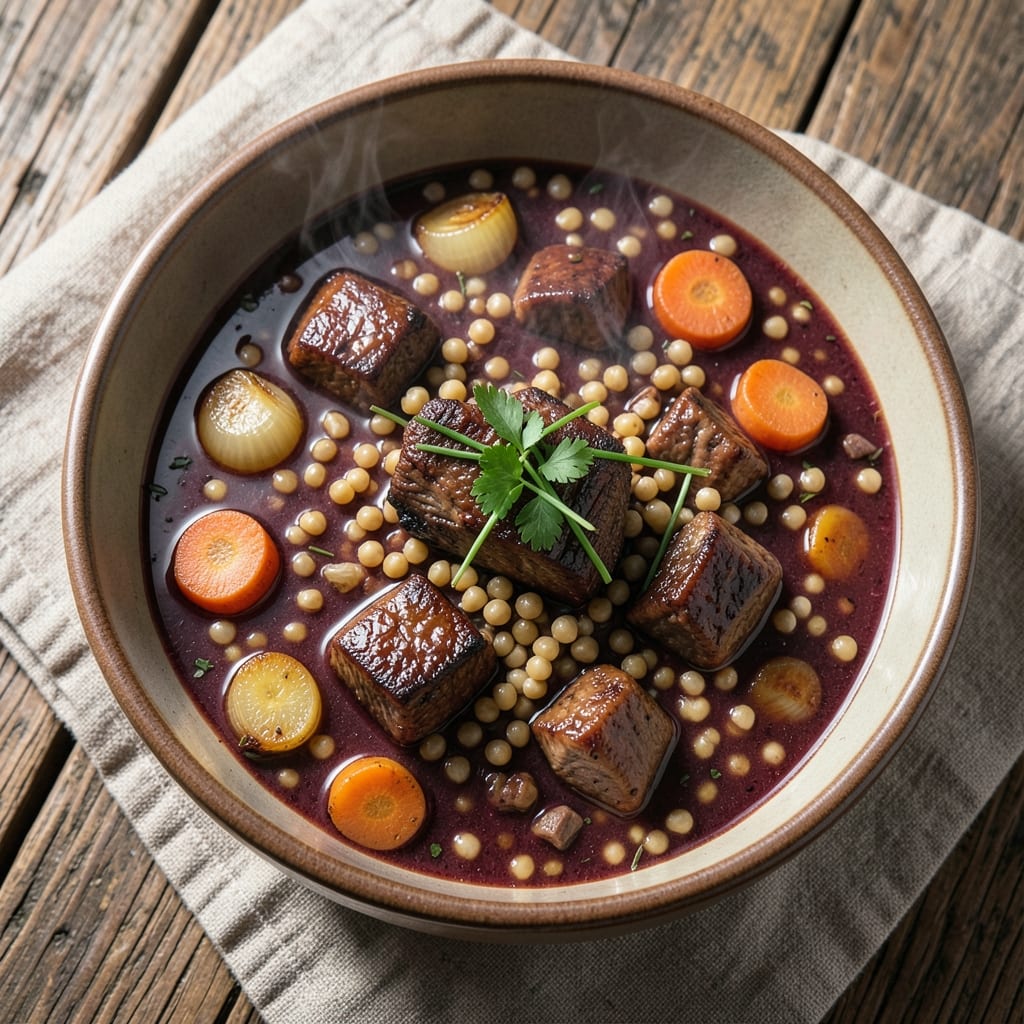
This beef barley soup recipe with red wine transforms humble ingredients into a restaurant-worthy dish that simmers with rich umami and aromatic depth. The red wine isn’t just an ingredient—it’s the soul of the soup, adding layers of complexity that store-bought broths can’t match. I’ve perfected this version over years of testing, ensuring the barley stays tender, the beef melts effortlessly, and every spoonful delivers that perfect balance of savory, earthy, and slightly tangy notes.
The secret lies in the slow simmer: letting the wine reduce and meld with the vegetables before adding the beef creates a broth so flavorful it’ll have everyone asking for seconds. No fancy techniques here—just a heavy pot, a few hours on the stove, and ingredients you likely already have on hand. The result? A hearty soup that’s as comforting as it is impressive, with a texture that’s creamy from the barley and robust from the wine-infused broth.
What sets this recipe apart is how the red wine elevates the dish without overpowering it. A splash of dry red—like Cabernet or Merlot—adds depth, while the barley softens into a velvety consistency that thickens the soup just enough. The beef becomes fork-tender, and the vegetables retain their natural sweetness, all coming together in a harmonious blend that’s perfect for chilly evenings or when you need a meal that feels like a hug.
Serve it with crusty bread to soak up every drop of that wine-infused broth, or pair it with a simple green salad to cut through the richness. The beauty of this recipe is its versatility—it’s hearty enough for a family dinner but elegant enough for company. Let’s get started on creating a soup that tastes like a labor of love, even if it’s just a weeknight supper.
Ingredients for beef barley soup recipe with red wine
Sixteen ingredients for a soup that tastes like a labor of love, not a weeknight shortcut.
| Ingredient | Amount | Notes |
|---|---|---|
| Chuck Roast 🥩 | 2 lb | Cut into 1-inch cubes |
| Pearl Barley 🌾 | 1 cup | Uncooked, rinsed well |
| Dry Red Wine 🍷 | 1 cup | Cabernet or Merlot preferred |
| Beef Broth 🥫 | 6 cups | Homemade or high-quality store-bought |
| Yellow Onion 🧅 | 1 whole | Medium size, chopped |
| Carrots 🥕 | 4 whole | Medium size, peeled and sliced |
| Celery Stalks 🌿 | 4 whole | Trimmed and chopped |
| Garlic Cloves 🧄 | 4 cloves | Minced for depth |
| Tomato Paste 🍅 | 2 tbsp | Smooth, not chunky |
| Fresh Thyme 🌿 | 1 tbsp | Leaves only, chopped |
| Bay Leaves 🍃 | 2 whole | Dried, for aroma |
| Salt 🧂 | 1 ½ tsp | Kosher or sea salt |
| Black Pepper 🌶️ | 1 tsp | Freshly ground |
| Olive Oil 🫒 | 2 tbsp | For initial searing |
The chuck roast is non-negotiable here—its marbled fat renders down beautifully, creating a rich, velvety broth. Look for cuts with visible fat marbling at Costco or your local butcher shop, where they often have it pre-cut for convenience. If you're buying a whole roast, trim off any large fat deposits before cubing. The pearled barley should be rinsed thoroughly to remove any dust or debris—this prevents cloudiness in the broth. For the wine, Cabernet Sauvignon or Merlot work best; avoid sweet varieties as they’ll overpower the dish. The broth is where the magic happens—homemade is ideal, but Kirkland Signature or Pacific Foods brands are solid store-bought options that won’t skimp on flavor.
No red wine? Beef broth with 1 tbsp balsamic vinegar mimics the depth, though it’ll lack the wine’s complexity. Fresh thyme is ideal, but dried thyme at one-third the amount works in a pinch. The tomato paste can be swapped for 1/4 cup crushed tomatoes if you prefer a smoother texture. For the vegetables, baby carrots or pre-sliced celery from Trader Joe’s save time without sacrificing quality. The garlic should be minced finely—garlic press works fastest, but a knife gives you better control. If you’re using dried bay leaves, crush them lightly between your palms before adding to release their oils. The olive oil matters too—use something with a medium-high smoke point like avocado or light olive oil for searing.
This soup tastes even better the next day as flavors meld—plan ahead. Store in an airtight container in the fridge for up to 5 days, or freeze for 3 months in portions. For freezing, let it cool completely first to prevent ice crystals. The barley will thicken slightly upon reheating, so add a splash of broth if it seems too stiff. Double the batch and freeze half—it’s perfect for lazy weeknights. The wine-infused broth freezes beautifully, so you can even make it ahead of time and assemble later.
Why You'll Love This Recipe
- Slow-Cooker Simplicity: I swear by throwing everything in the slow cooker—chuck roast, onions, wine, broth—then walking away. The barley softens just enough to soak up that deep, savory wine flavor without needing to babysit it.
- Wine-Infused Magic: That splash of red wine isn’t just for show—it tenderizes the beef while adding a rich, earthy depth that cuts through the barley’s chewiness. Honestly, the first sip of broth alone makes me pause mid-stir.
- Leftovers That Shine: This soup only gets better the next day as flavors meld, and it reheats like a dream. I’ll be real: my freezer is packed with containers of it, because even a quick microwave session turns it into a cozy bowl of heaven.
- Budget-Friendly Feast: Chuck roast on sale? Barley in the pantry? This recipe stretches every ingredient into hearty portions without breaking the bank. Between us, it’s my go-to when grocery money’s tight but I refuse to skimp on flavor.
Step-by-step instructions for beef barley soup with red wine
This method delivers rich, wine-infused depth with perfectly tender beef and chewy barley.
Sear the Chuck Roast for Maximum Flavor
Heat the 2 tablespoons olive oil in a large Dutch oven over medium-high heat until shimmering. Pat the 2 lb chuck roast dry with paper towels and cut into 1-inch cubes. Working in batches to avoid crowding, sear the beef for 3-4 minutes per side until deeply browned and caramelized on all sides. This step develops the Maillard reaction, creating deep umami flavor that forms the soup's foundation.
As you sear, remove the beef with a slotted spoon and set aside on a plate. Don't drain the browned bits from the pot—these flavorful fondes will dissolve into the wine and broth later. Real talk: if you skip this step, your soup will taste bland no matter how long you simmer.
Build the Aromatic Base with Vegetables and Wine
In the same Dutch oven, add the chopped 1 whole yellow onion, sliced 4 whole carrots, chopped 4 whole celery stalks, and minced 4 cloves garlic. Cook over medium heat for 8-10 minutes, stirring occasionally, until the vegetables soften and the onion becomes translucent. You'll notice the aromatics release their natural oils and the kitchen fills with an inviting herbal scent—this is when you know you're on the right track.
Stir in the 2 tablespoons tomato paste and cook for 1 minute to deepen the flavor. Pour in the 1 cup dry red wine, scraping up any browned bits from the bottom of the pot. Let the wine simmer for 3-4 minutes until it reduces by about half and the alcohol cooks off. This reduction intensifies the wine's flavor and removes any harsh notes.
Simmer the Soup with Barley and Seasonings
Return the seared beef to the pot. Add the 6 cups beef broth, 1 cup rinsed pearl barley, 1 tablespoon chopped fresh thyme, 2 whole bay leaves, 1.5 teaspoons salt, and 1 teaspoon black pepper. Bring to a boil over high heat, then immediately reduce to a gentle simmer. The soup should bubble softly—if it boils vigorously, it will splatter and lose flavor.
Cover the pot and simmer for 1.5 hours. Check occasionally to ensure the liquid level hasn't dropped too low. If it does, add ½ cup water to maintain the proper consistency. The barley should be tender but still hold its shape—it should be al dente, not mushy. The beef should be fork-tender, easily shredding with a fork.
Adjust Seasoning and Finish the Soup
Remove the 2 whole bay leaves and discard them. Taste the soup and adjust the seasoning as needed. You might need an additional ½ teaspoon salt or more black pepper to taste—this depends on the saltiness of your broth. The wine should contribute a subtle, earthy depth, not a harsh taste. If the soup tastes too acidic, a pinch of sugar can balance it.
Let the soup sit off the heat for 5 minutes before serving. This resting period allows the flavors to meld completely. Ladle into bowls and garnish with additional fresh thyme if desired. Each spoonful should deliver rich beef flavor, chewy barley, and the complex notes of the red wine infusion.
Pro Tips For Making Beef Barley Soup Recipe With Red Wine
- Sear the Chuck Roast First: Walk away from that slow cooker or pot for 10 minutes and get your chuck roast screaming hot in a dry skillet—no oil needed. The crust locks in flavor and keeps the meat from turning into mush later. I used to skip this, and the soup always tasted like it needed more salt.
- Deglaze with Wine Immediately: As soon as you pull that seared meat out, pour in the red wine and scrape every last bit of browned goodness from the pan with a wooden spoon. Let it simmer for 2 minutes before adding anything else—this builds the foundation of your soup’s depth. Trust me, that 60-second wait makes a real difference.
- Rinse the Barley: Pearl barley collects dust and grit like a magnet, and you don’t want that in your soup. Give it a quick rinse under cold water before adding it to the pot. I learned this the hard way after spitting out a mouthful of tiny rocks in my first batch.
- Simmer Low and Slow: Barley needs time—think 45 minutes to an hour, not 20. Keep the heat at a gentle simmer, or you’ll end up with mushy barley and tough beef. If it’s boiling hard, lower the heat and cover it. Patience here guarantees tender meat and perfectly chewy barley.
Storing and reheating your leftovers
Refrigerator Storage
Let your soup cool completely before transferring to an airtight container—I use glass Pyrex with tight-sealing lids for best results. Store in the fridge at 40°F or below for up to 5 days, but honestly, it tastes even better the second day as flavors meld. The barley thickens slightly when chilled, so stir in ¼ cup water or broth when reheating if it seems too stiff. 🌡️
Freezer Prep Tips
For long-term storage, freeze in portion-sized containers—this way, you can thaw just what you need. Leave 1-inch headspace to prevent ice crystals from bursting the container. I like quart-sized freezer bags because they stack neatly and thaw faster than rigid containers. Label with the date—this soup keeps its quality for 3 months in the freezer. 📅
Stovetop Reheating
My preferred method is stovetop reheating—it preserves texture better than microwaving. Transfer the soup to a pot and heat over medium-low heat, stirring occasionally. Add ¼ cup water or broth if it thickens too much. Bring to a gentle simmer (not boiling) for 10-15 minutes, stirring frequently to prevent scorching. Taste and adjust seasoning—you might need a pinch more salt or pepper. 🔥
Microwave Quick Fix
For a fast option, microwave in 2-minute intervals on 50% power, stirring between each interval. Cover with a damp paper towel to retain moisture. If the soup looks dry, add 2-3 tablespoons water and stir. This method works best for single servings—just be careful not to overheat, or the barley may turn mushy. ✨
Broth Boost Trick
If reheated soup tastes flat, revive it by adding 1 tablespoon red wine (the same type you used originally) or a splash of beef broth. The wine adds depth instantly, while broth restores richness. For extra umami, stir in ½ teaspoon Worcestershire sauce—it’s a game-changer for tired flavors. 🍷
Make-Ahead Strategy
Double the recipe and freeze half for lazy days. I like to prep the wine-infused broth separately—simmer the wine, vegetables, and broth without the beef or barley, then cool and freeze it. When ready to serve, thaw and add the cooked beef and barley. This shortcut saves 30 minutes of simmering time. 💡
Nutrition facts
Frequently asked questions
Can I substitute white wine for red wine in this recipe?
While you can use white wine, it won't deliver the same rich depth of flavor. The acidity in red wine helps tenderize the beef and adds a subtle earthiness that complements the barley perfectly. If you must substitute, use 1/4 cup apple cider vinegar or 1/4 cup balsamic vinegar plus 3/4 cup beef broth to mimic the wine's complexity. The soup will still be delicious, but the wine's signature umami notes will be missing.
How do I prevent the barley from turning mushy?
Pearl barley needs gentle cooking to avoid mushiness. Simmer the soup at a gentle bubble (not a rolling boil) and check the barley after 1 hour. It should be tender but still hold its shape. If it's too soft, reduce the simmer time next batch. For extra insurance, use 1/2 cup barley instead of 1 cup—it'll absorb more liquid and stay firm. Stirring occasionally prevents sticking to the pot bottom, which can lead to uneven cooking.
What's the best way to make this soup in a slow cooker?
Transfer all ingredients except the barley to the slow cooker and cook on LOW for 6 hours or HIGH for 3 hours. Add the barley and cook an additional 1-2 hours until tender. The wine will reduce more slowly, so the flavor will be milder. For deeper flavor, deglaze the pot with 1/4 cup red wine after removing the beef, then add it back with the broth. The slow cooker method works well but requires more monitoring to prevent overcooking the barley.
Why does my soup taste too acidic?
Acidity often comes from using too much wine or not letting it reduce enough. If the wine taste is overpowering, balance it with a pinch of sugar (1/4 teaspoon) or a splash of beef broth. The tomato paste also adds acidity—reduce it to 1 tablespoon if needed. For extra richness, stir in 1/2 teaspoon Worcestershire sauce or a pat of butter at the end. The wine should enhance, not dominate—the goal is a harmonious blend of savory and subtle fruitiness.
Can I use instant barley instead of pearl barley?
Instant barley cooks much faster (5-10 minutes vs 45-60 minutes for pearl barley), but it loses texture and absorbs less liquid. For best results, use 1/2 cup instant barley and add it during the last 10 minutes of simmering. The soup will be thinner, so reduce the broth by 1 cup or add 1/4 cup cornstarch mixed with water as a thickener. Pearl barley gives the soup its signature hearty texture—if you love the convenience, consider using wild rice blend instead for a similar chewiness.