
Soups & Stews
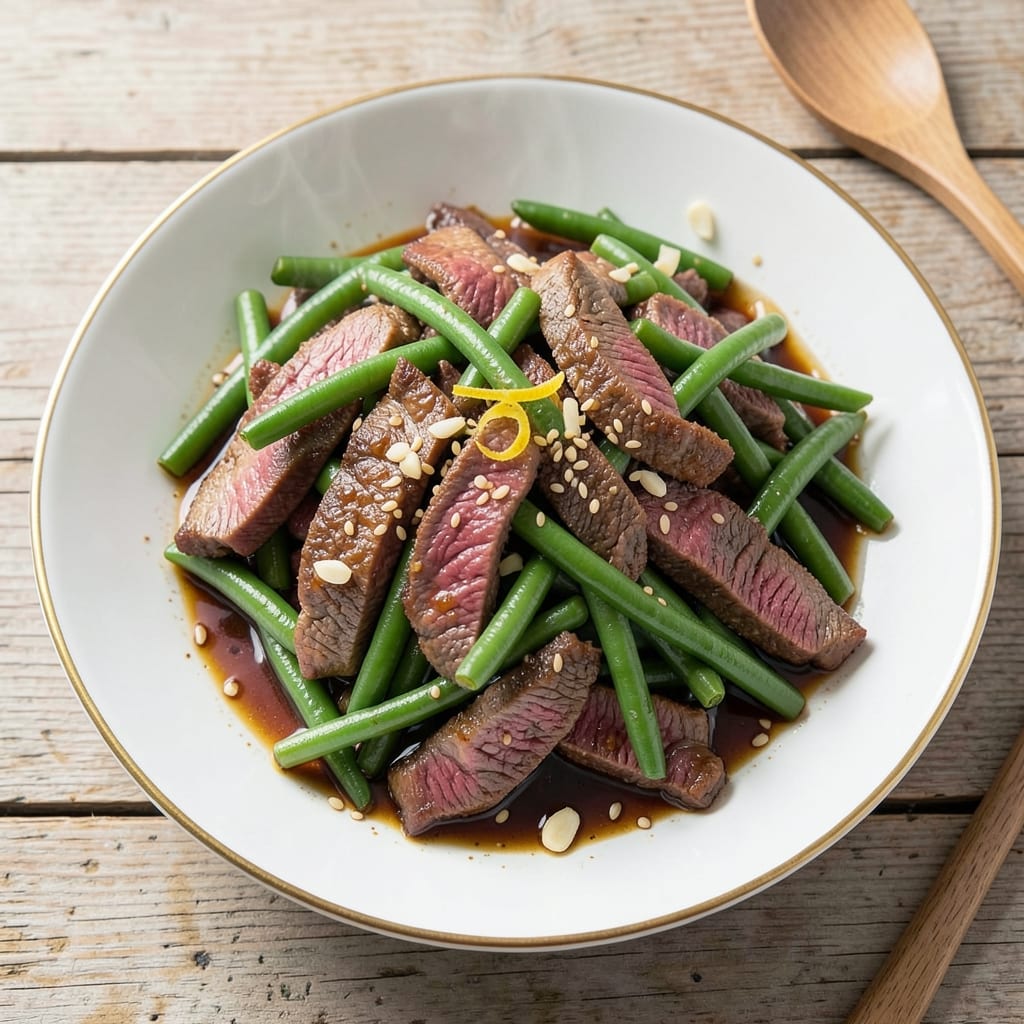
This beef and string bean stir fry delivers wok-hei crispy beef with snappy green beans that stay vibrant and crunchy. The secret lies in high-heat searing and proper timing—beef that's tender yet crispy on the edges, paired with green beans that blanch just enough to snap. I've perfected this technique after countless test batches, ensuring every bite delivers that signature restaurant-quality texture.
The process starts with thinly sliced beef marinated in a simple soy-ginger sauce, then quickly seared in a screaming-hot wok or cast-iron skillet. Meanwhile, the string beans get a quick blanch to soften slightly while maintaining their signature snap. The key is working fast—once the beef hits the pan, it needs constant motion to develop that coveted crust without overcooking.
What you'll end up with is a dish that balances rich, savory beef with fresh, bright green beans, all coated in a glossy sauce that ties everything together. The aroma alone will have everyone gathering around the table, and the contrast of textures—crispy beef, snappy beans—makes every bite exciting. This is the kind of stir fry that transforms a simple weeknight dinner into something memorable.
Serve immediately over steamed rice for the full experience, or garnish with toasted sesame seeds and sliced green onions for extra flavor and presentation. The method works equally well in a wok or skillet, so don't let equipment hold you back. Let's get cooking!
Ingredients for beef and string bean stir fry
Pantry staples plus a few fresh ingredients for restaurant-quality stir fry at home.
| Ingredient | Amount | Notes |
|---|---|---|
| Flank Steak 🥩 | 1 lb | Thinly sliced against grain |
| String Beans 🥦 | 1 ½ lbs | Trimmed and cut into 2-inch pieces |
| Soy Sauce 🍶 | ½ cup | Low-sodium preferred |
| Sesame Oil 🫒 | 1 tbsp | Toasted, for aroma |
| Ginger 🧄 | 1 tbsp | Freshly grated |
| Garlic Cloves 🧄 | 4 cloves | Minced finely |
| Honey 🍯 | 1 tbsp | For balance |
| Neutral Oil 🫒 | 2 tbsp | Peanut or vegetable oil |
| Green Onions 🧅 | 4 whole | Sliced for garnish |
| Toasted Sesame Seeds 🌾 | 1 tbsp | For garnish |
| White Rice 🍚 | 2 cups | Cooked, for serving |
| Salt 🧂 | 1 tsp | Kosher or sea salt |
| Black Pepper 🌶️ | ½ tsp | Freshly ground |
| Cornstarch 🌾 | 1 tbsp | For beef coating |
The beef makes or breaks this dish—flank steak is ideal because it's lean yet flavorful when sliced thin. Look for cuts with good marbling at Whole Foods or your local butcher shop. Slice it against the grain for maximum tenderness. If you can't find flank steak, sirloin or ribeye work too, but trim any excess fat. The string beans should be crisp and vibrant—Trader Joe's or local farmers markets usually have the freshest. Avoid wilted or yellowing beans, and trim the ends before cutting into 2-inch pieces for even cooking.
No soy sauce? Coconut aminos or even a mix of balsamic vinegar and brown sugar works in a pinch. Fresh ginger is best, but if you're using powdered, double the amount—it's way more concentrated. The honey adds balance, but maple syrup is a great 1:1 swap if you're avoiding refined sugar. For the sesame oil, toasted is key for that nutty aroma, but regular will work if you toast it yourself in a dry pan for 30 seconds. The cornstarch coating is non-negotiable—it's what gives the beef that crispy wok-hei texture. Mix it with the sliced beef before searing.
Prep the beans first—they only need a quick blanch in boiling water for 1 minute before shocking in ice water. This keeps them snappy without overcooking. The beef marinade keeps for 2 days in the fridge, but the longer it sits, the more flavor it absorbs. For leftovers, store the stir fry separately from the rice in airtight containers for 3-4 days. Reheat gently in a skillet to restore that crispy texture. Freezing isn't recommended—the beans get mushy, and the beef loses its snap.
Why You'll Love This Recipe
- One-Pan Magic: I swear by this for nights when I’m too tired to wash dishes. Flank steak slices and string beans hit the pan together—no separate bowls, no extra pots—just sizzle and stir.
- Umami Bomb: That first bite? The soy sauce caramelizes right into the beef while the ginger adds a zing, and the sesame oil finishes it with a nutty punch. Honestly, it’s the kind of flavor that makes you pause mid-bite.
- Lunchbox Hero: Here’s what sold me—this keeps perfectly for days. Toss leftovers in a container, and suddenly you’ve got a protein-packed lunch that’s still restaurant-worthy. My kids even ask for it cold.
- Budget Powerhouse: Flank steak stretches further than you’d think, and string beans? They’re cheap and crunchy. I make this twice a month, and it’s always the dish that feeds everyone without breaking the bank. (Yes, even on a Tuesday night.)
Step-by-step instructions for wok-hei crispy beef with snappy green beans
Here's how to get that perfect wok-hei finish—crispy beef edges and snappy green beans every time.
Prep the Beef for Maximum Crispiness
Slice the 1 lb flank steak thinly against the grain into ¼-inch thick strips. Place them in a bowl and mix with 1 tbsp cornstarch, 1 tsp salt, and 0.5 tsp black pepper. Let them sit for 10 minutes while you prep the rest—this coating is what creates those irresistible crispy edges.
Don't skip this step. The cornstarch acts like a shield, keeping the beef tender inside while creating a golden crust outside. If you're impatient, at least let the beef sit for 5 minutes—it makes a difference.
Cook the Rice and Blanch the String Beans
Cook the 2 cups white rice according to package instructions—it should be fully done and fluffy before the stir-fry. While it cooks, trim the ends from the 1.5 lbs string beans and cut them into 2-inch pieces. Blanch them in boiling water for 1 minute, then immediately plunge into ice water to stop cooking. Drain well and set aside.
Blanching removes the raw taste and keeps the beans vibrant. If they're too soft after cooking, they'll turn mushy in the stir-fry. Drain them thoroughly so they sizzle nicely in the wok.
Build the Stir-Fry Sauce and Aromatics
In a small bowl, whisk together the 0.5 cup soy sauce, 1 tbsp honey, and 1 tbsp sesame oil. Set aside. In a large wok or skillet, heat 2 tbsp neutral oil over high heat until shimmering. Add the 1 tbsp grated ginger and 4 minced garlic cloves, cooking for 30 seconds until fragrant.
Watch the heat carefully—ginger and garlic burn fast. You want them just aromatic, not browned. If they darken, start over with fresh aromatics. This is the flavor foundation for your stir-fry.
Cook the Beef to Wok-Hei Perfection
Add the cornstarch-coated beef in a single layer to the hot wok. Let it sear undisturbed for 1 minute until the edges turn golden brown. Stir-fry for another 1-2 minutes until the beef is 80% cooked—it'll finish in the sauce. Remove and set aside.
Here's the secret: high heat and minimal stirring. You want those crispy edges from the cornstarch, not tender beef. If the beef sticks, it's not hot enough—let the wok recover before adding more.
Finish with Green Beans and Sauce
Add the blanched string beans to the wok and stir-fry for 2 minutes until they're bright green and slightly blistered. Pour in the sauce mixture and toss everything together for 1 minute until the beans are glossy and coated. Return the beef to the wok and toss gently to combine.
Taste and adjust seasoning—add a splash of water if the sauce is too thick. Garnish with 4 sliced green onions and 1 tbsp toasted sesame seeds before serving over the cooked rice.
Pro Tips For Making Beef And String Bean Stir Fry
- Slice Thin, Slice Fast: Flank steak fights back when you cut against the grain, so grab a sharp knife and slice it paper-thin—about ⅛-inch thick—before cooking. I used to waste time fighting tough slices, but this ensures tender bites every time, even if you’re not a pro with the knife.
- Blanch Those Beans: Toss your string beans in boiling water for 30 seconds, then shock them in ice water. This softens them just enough to cook through without turning mushy—no more sad, limp beans at the bottom of your pan.
- Start Hot, Finish Low: Crank your wok or skillet to max heat for the first 30 seconds to sear the beef, then drop it to medium-high. After burning two batches, I learned high heat at the start builds flavor, but too much later turns your stir-fry into a sad, greasy mess.
- Ginger Matters—Use It Right: Peel and finely mince your ginger (no, a microplane won’t cut it here) and add it last with the soy sauce. Fresh ginger adds depth, but if you skip it or add it too early, the flavor fades into the background—like forgetting the salt in a cake.
Troubleshooting this recipe
Beef Too Tough
If your beef ends up chewy instead of tender, it’s likely not sliced thin enough or cooked too long. Always slice against the grain into ¼-inch strips—this shortens the muscle fibers for a tender bite. Overcrowding the pan also causes steaming instead of searing. Cook in small batches if needed, and remove beef when it’s 80% done—it’ll finish in the sauce. 🌡️
For extra insurance, marinate the beef for at least 30 minutes (or up to 2 days) in the soy-ginger sauce. The acidity helps break down fibers. If using frozen beef, thaw it completely before slicing—frozen slices release moisture unevenly, leading to uneven cooking.
Beans Too Soft
Mushy beans usually mean overcooking during the stir-fry or blanching for too long. Stick to exactly 1 minute in boiling water, then shock immediately in ice water. Drain thoroughly before adding to the wok—wet beans release steam instead of crisping. For extra snap, add them to the pan just before the sauce to minimize cooking time. 🥦
If your beans were already soft before cooking, they might be old. Look for bright green, crisp beans at the store—avoid yellowing or wilted ones. For extra crunch, toss blanched beans with ½ tsp cornstarch before stir-frying. This creates a light coating that holds up better to high heat.
Sauce Too Thin
A watery sauce often means the beef released too much moisture during cooking. Reduce the sauce on its own for 1-2 minutes before adding to the wok. Alternatively, swap ½ cup soy sauce for ⅓ cup soy sauce + 2 tbsp reduced soy sauce (simmer ½ cup soy sauce until thickened). 🍶
If the sauce still seems thin after cooking, stir in 1 tsp cornstarch mixed with 1 tbsp water to thicken it. For a glossier finish, add ½ tsp sesame oil at the end. Avoid overcrowding the pan—this forces the beef to release more liquid, thinning the sauce further.
No Wok-Hei Crisp
That signature crispy crust comes from the cornstarch coating and high, even heat. Make sure your pan is screaming hot before adding beef—test with a drop of water (it should sizzle instantly). Use a heavy-bottomed skillet or carbon steel wok (like Made In or De Buyer) for even heat distribution. 🔥
If your pan isn’t hot enough, the cornstarch won’t crisp—it’ll just dissolve. Let the pan recover between batches if needed. For extra crispiness, sear the beef in small batches so it touches the pan surface. Avoid stirring too soon—let it develop color for 30-60 seconds before tossing.
Nutrition facts
Frequently asked questions
Can I substitute flank steak with another cut of beef?
Yes! Sirloin or ribeye work well, but trim excess fat first. For leaner cuts like top round, marinate for at least 1 hour to prevent dryness. Avoid tough cuts like chuck—they won't tenderize enough in stir-fry time.
How do I make this recipe without a wok?
Use a heavy-bottomed cast-iron skillet or large stainless steel pan—they distribute heat evenly. Preheat on high heat until smoking hot (test with a drop of water). A griddle works too, but stir constantly to prevent sticking. The key is high, even heat for that wok-hei effect.
Why are my green beans turning mushy?
Overcooking is the #1 culprit! Blanch for exactly 1 minute, then shock in ice water immediately. Drain thoroughly before stir-frying. Add beans to the pan last (after beef is mostly cooked) to minimize cooking time. For extra snap, toss blanched beans with ½ tsp cornstarch before adding.
Can I make this ahead of time?
Store components separately: cooked beef (raw or cooked), blanched beans, and sauce in airtight containers for 2 days. Reheat beef and beans separately in a hot pan with 1 tsp oil to restore crispiness, then combine with sauce. Avoid freezing—beans lose texture and beef gets soggy.
What's the best way to reheat leftovers?
Reheat beef and beans separately in a dry skillet over medium-high heat for 2-3 minutes until piping hot. Add sauce at the end to prevent sogginess. For extra crispiness, sprinkle with ½ tsp cornstarch before reheating. Never microwave—it destroys the wok-hei texture.