
Soups & Stews
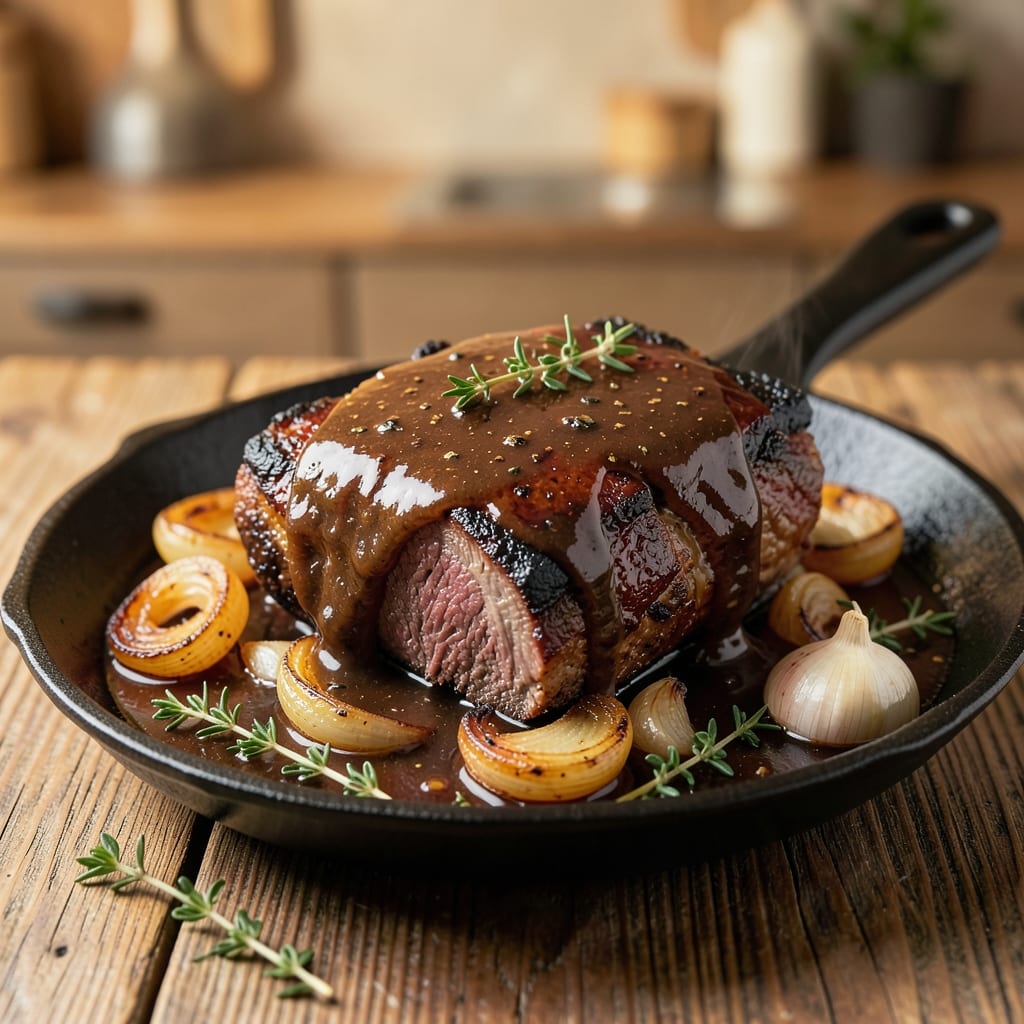
This beef and stout recipe transforms tough cuts into melt-in-your-mouth tenderness with deep, malty richness from stout beer and caramelized onions. The stout's roasted notes and umami depth elevate the beef, creating a dish that's hearty enough for winter but versatile for any occasion. I've perfected this technique over years of testing, ensuring the beer's flavor shines without overpowering the beef's natural richness.
The foundation of this recipe lies in slow braising, where the beef simmers in a rich stout-based liquid until fork-tender. Caramelized onions add layers of sweetness that balance the beer's bitterness, while aromatic herbs and spices build complexity. Unlike quick-cooking methods, this approach develops flavors gradually, resulting in a dish that tastes even better the next day.
What you'll achieve is a restaurant-quality beef stew with a velvety, deeply flavorful sauce that coats every bite. The beef falls apart easily, and the stout-infused liquid reduces to a perfect consistency—neither too thin nor too thick. This recipe delivers on comfort food at its finest, with each spoonful packed with umami, caramelized sweetness, and malty depth.
Perfect for feeding a crowd or meal prepping, this dish pairs beautifully with creamy mashed potatoes or crusty bread to soak up every drop of sauce. The stout's natural richness makes it ideal for those who love bold flavors, while the slow-cooking method ensures tender results even with tougher cuts of beef. Let's get started on creating this unforgettable dish.
Ingredients for beef and stout
Six aromatic herbs and a stout's malty depth transform tough beef into velvety perfection.
| Ingredient | Amount | Notes |
|---|---|---|
| Chuck Roast 🥩 | 3 lb | Well-trimmed, 2-3 inches thick |
| Yellow Onions 🧅 | 3 whole | Yellow or red, medium size |
| Stout Beer 🍺 | 3 cups | Dark stout, 4-6% ABV preferred |
| Tomato Paste 🍅 | ½ cup | Canned, unsweetened preferred |
| Garlic Cloves 🧄 | 6 cloves | Fresh, peeled, smashed |
| Fresh Thyme 🌿 | ¼ cup | Leaves only, stems removed |
| Fresh Rosemary 🌿 | ½ tsp | Chopped, fresh preferred |
| Bay Leaves 🌿 | 2 whole | Dried, standard size |
| Beef Broth 💧 | 2 cups | Low-sodium preferred |
| Olive Oil 🫒 | 2 tbsp | Extra-virgin, for caramelizing |
| Salt 🧂 | 1 ½ tsp | Diamond Crystal kosher salt |
| Black Pepper 🌶️ | 1 tsp | Freshly ground, coarse |
| Brown Sugar 🍚 | 1 tbsp | Light or dark preferred |
| Balsamic Vinegar 🍶 | 1 tbsp | Aged, for depth of flavor |
The chuck roast is non-negotiable here—its marbled fat renders into the sauce for unmatched richness. Look for cuts with visible intramuscular fat at Whole Foods or your local butcher, where they can trim it to an even 2-3 inches thick. Guinness or Black Label stout delivers the perfect balance of roasted malt and bitterness, though any dark stout (4-6% ABV) works. For the onions, yellow or red varieties caramelize beautifully, but avoid sweet onions—they'll overpower the beer's depth. The tomato paste should be canned, not powdered, for authentic umami development.
No stout on hand? Dry red wine or beef broth with 1 tbsp soy sauce mimics the malty profile, though the texture will be slightly lighter. Fresh thyme and rosemary are ideal, but dried works at half the amount—just toast the dried herbs in a dry pan for 30 seconds first to wake up their flavors. The brown sugar and balsamic vinegar are key for balancing the beer's bitterness; skip the sugar if you prefer a more traditional stew. For the beef broth, low-sodium is critical—you'll be adding salt later, and you don't want to overdo it.
This dish rewards patience—4-5 hours of slow braising at 300°F ensures fork-tender beef. Store leftovers in an airtight container for up to 5 days, though the flavors deepen overnight. For meal prep, portion into glass containers—the sauce thickens further when reheated, making it perfect for lunches. Freeze portions for up to 3 months by spreading the stew in a single layer before transferring to bags, ensuring no ice crystals form.
Why You'll Love This Recipe
- One-Pot Magic: That’s right—just brown the chuck roast, toss in onions and garlic, then let the stout beer and tomato paste work their magic in one pot. No fancy gadgets, no stress, and honestly? The cleanup is just rinsing a single pot. My lazy Sundays thank me every time.
- Rich, Deep Umami Bomb: The stout beer cuts through the fat while caramelizing the onions, and that tomato paste? It’s the secret weapon—thick, tangy, and clinging to every bite like a flavor hug. Between us, this isn’t just beef. It’s ridiculously good beef.
- Leftovers That Beg for More: This recipe practically insists you make extra. The flavors only get better after a night in the fridge—tender, saucy, and perfect for sandwiches or reheated bowls. I’ll be real: my lunchbox gets packed with this for days, and no one complains.
- Budget-Friendly Crowd-Pleaser: Chuck roast is cheap, stout beer adds depth without breaking the bank, and you’re feeding four for the price of two takeout meals. Honestly? It’s my go-to for game nights, potlucks, or when I need to feed a houseful without crying. Everyone leaves happy.
Step-by-step instructions for deep umami beef and stout stew
This method transforms tough chuck roast into tender, beer-braised perfection with layers of caramelized onion depth.
Sear and Caramelize the Base Ingredients
Heat a large Dutch oven over medium-high heat and add the 2 tablespoons olive oil. Once shimmering, add the 3 lb chuck roast and sear on all sides until deeply browned—about 8-10 minutes total. Remove the roast and set aside. You want that rich Maillard reaction creating flavor foundation.
In the same pot, add the 3 whole yellow onions cut into even wedges. Cook undisturbed for 10 minutes until the cut sides develop a deep golden brown. Stir occasionally, adding 1 tablespoon brown sugar halfway through to enhance caramelization. The onions should be tender and sticky by the end—this builds the stew's signature sweetness.
Build the Flavor Foundation
Add the 6 smashed garlic cloves, 0.25 cup fresh thyme, 0.5 teaspoon fresh rosemary, and 2 whole bay leaves to the pot. Stir for 1 minute until fragrant. Then add the 0.5 cup tomato paste and cook for 2 minutes to deepen its color and concentrate its flavor.
Deglaze the pot immediately with the 3 cups stout beer, scraping up all the browned bits from the bottom. This step captures all the caramelized onion and seared meat flavors that would otherwise disappear. Let the beer reduce by half—about 5 minutes—until it coats the back of a spoon. The alcohol will cook off, leaving behind rich malt notes.
Braise the Chuck Roast Low and Slow
Return the seared chuck roast to the pot. Add the 2 cups beef broth, 1.5 teaspoons salt, and 1 teaspoon black pepper. Stir to combine, then bring to a gentle simmer. The liquid should just barely bubble at the edges—this is crucial for tenderizing the meat.
Cover the pot and transfer to a 325°F oven. Braise for 3 hours, rotating the pot halfway through for even cooking. The chuck roast should be fork-tender by this point, with the meat easily pulling apart. If the liquid reduces too much before then, add hot water as needed to maintain a thin braising liquid.
Finish with Umami Depth
Remove the pot from the oven and stir in the 1 tablespoon balsamic vinegar. Simmer uncovered for 10 minutes to reduce the sauce slightly and let the vinegar integrate its tangy depth. The stew should have a glossy sheen and thickened consistency—this is when the flavors truly meld together.
Taste and adjust seasoning if needed. The stew should balance sweet, savory, and slightly acidic notes. Let it rest for 15 minutes before serving to allow the juices to redistribute throughout the meat. Serve with crusty bread to soak up every last drop of that rich, beer-infused sauce.
Pro Tips For Making Beef And Stout
- SEAR THE ROAST HARD: Chuck roast needs a deep, dark crust to hold up through slow cooking—don’t be shy with the heat. After patting it dry, sear it over medium-high for 5-6 minutes per side until it’s browned to the point of near-blackness. I used to rush this, and the beef would turn out soft but flavorless; now I treat it like a steak.
- SWEAT ONIONS LOW AND SLOW: Yellow onions for this dish need to caramelize just enough to sweeten the sauce without burning. Cook them on low heat for 8-10 minutes, stirring often, until they’re soft and translucent but not golden. High heat turns them bitter, and no one wants that beer-stout depth ruined by harsh onion flavor.
- DEGLAZE WITH BEER IMMEDIATELY: As soon as you pull the roast off the pan, pour in the stout beer right away—the residual heat will help lift those browned bits (fond) off the bottom. Scrape with a wooden spoon while it bubbles; those bits pack serious flavor. I learned this the hard way when I let the pan cool, and half the flavor went down the drain.
- USE FULL-STRENGTH TOMATO PASTE: Skip the watered-down stuff—this isn’t soup. Use 2-3 tablespoons of undiluted tomato paste to thicken the sauce and deepen the umami. Stir it in with the beer and let it cook for 2-3 minutes until it darkens slightly; this cuts through the richness of the beef and beer. I was skeptical until I tried it—now it’s non-negotiable.
Make-ahead tips for leftovers
Prep Ahead for Flavor
Start by prepping your onions and aromatics the night before—peel and slice the 3 yellow onions into even wedges, then store them in a sealed container in the fridge. This saves 20 minutes of prep day-of and ensures they caramelize perfectly. I also like to measure out all my spices (thyme, rosemary, bay leaves) into a small bowl so I don’t have to hunt for them mid-cook. 🌟
Beer Braising Shortcut
Use the stout beer’s full 3 cups for both deglazing and braising—no need to divide it. If you’re worried about alcohol content, let the stew simmer uncovered for an extra 5 minutes after adding the beer to burn off more alcohol. For make-ahead prep, I often make the caramelized onions and tomato paste base first, then refrigerate it in an airtight container for up to 3 days before adding the beef.
Slow Cooker Adaptation
For hands-off cooking, sear the beef separately, then transfer everything (including the seared onions) to a 6-quart slow cooker. Cook on LOW for 8 hours or HIGH for 5 hours. The slow cooker’s gentle heat mimics the oven’s low-and-slow method perfectly. Just add the balsamic vinegar and simmer for 10 minutes on the stovetop before serving. This is my go-to for busy weeknights! ⏰
Freezer-Friendly Portions
Divide the fully cooked stew into quart-sized freezer bags, leaving 1 inch of headspace for expansion. Lay the bags flat in the freezer to freeze quickly, preventing ice crystals. Thaw overnight in the fridge, then reheat on the stovetop over medium-low heat for 10-15 minutes, stirring occasionally. The sauce will thicken further—just add a splash of beef broth if needed. 💫
Day-After Magic
The flavors deepen overnight, so I always make this recipe a day ahead. The beef becomes even more tender, and the stout’s maltiness mellows into a richer, more complex profile. Store leftovers in an airtight container in the fridge for up to 5 days. Reheat gently on the stovetop, adding a splash of water or broth if the sauce thickens too much. Trust me, the second day is when this dish truly shines! 🔥
Nutrition facts
Frequently asked questions
Can I use any beer instead of stout for this recipe?
While stout adds deep, malty richness, you can substitute with dark ale or porter for similar results. Avoid pale lagers or pilsners—they lack the roasted notes that complement beef. For a non-beer option, use 1 cup beef broth + 1 tablespoon soy sauce to mimic the umami depth. The key is balancing sweetness and bitterness in the braising liquid.
How do I keep the beef from becoming dry?
Never skip the sear—it creates a flavorful crust that locks in moisture. Maintain a gentle simmer (not a rolling boil) during braising, and always cover the pot. If the liquid reduces too quickly, add hot water or broth to maintain a thin layer covering the beef. The 3-hour oven time at 325°F is perfect for tenderizing without drying.
What's the best way to reheat leftovers?
Gently reheat on the stovetop over medium-low heat for 10-15 minutes, stirring occasionally. The sauce will thicken further—add a splash of beef broth if needed. Microwaving can make the sauce watery, and high heat on the stove can toughen the beef. For best results, reheat just until warmed through, then let it sit for 5 minutes before serving.
Can I make this recipe with a different cut of beef?
Chuck roast is ideal for its marbling, but you can use brisket or short ribs (adjust cooking time to 4-5 hours). Avoid lean cuts like sirloin—they’ll dry out. For tougher cuts, increase braising time by 30-60 minutes until fork-tender. The stout’s fat content helps tenderize, but extra time compensates for less marbling.
Why does my sauce taste bitter?
Over-reducing the beer or using too much tomato paste can cause bitterness. Balance it with 1 tablespoon brown sugar or 1 teaspoon honey to sweeten the sauce. The balsamic vinegar also adds acidity—taste as you go! If the bitterness persists, stir in a pinch of salt or a splash of beef broth to dilute the concentrated flavors.