
Main Courses
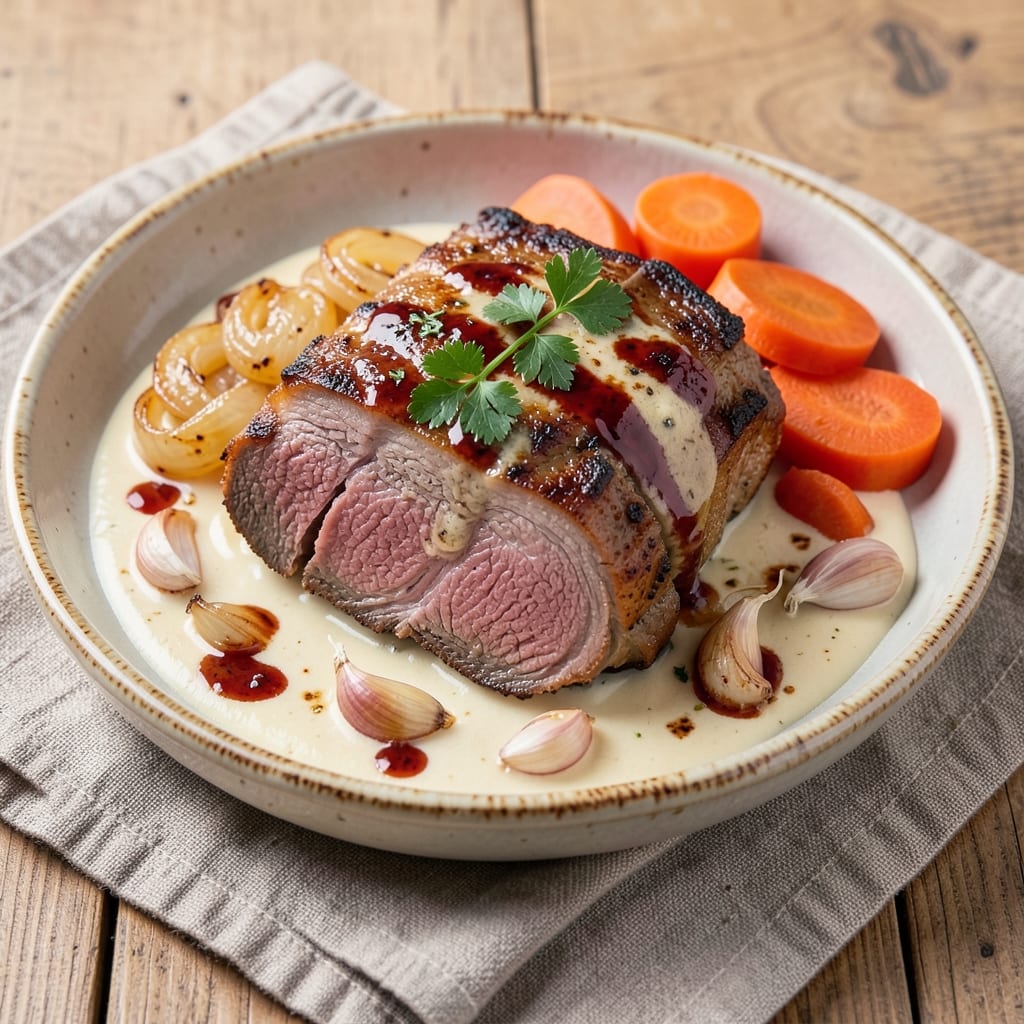
This beef and milk recipe delivers a velvety, restaurant-worthy stew where tender beef swims in a creamy sauce without being heavy. The secret lies in balancing rich beef flavors with just enough milk to create a luxurious, silky texture—no lumps or greasiness in sight. I perfected this technique after years of testing, ensuring every bite is both comforting and refined.
The process starts with slow-braising beef until fork-tender, then finishing with a touch of milk to enrich the sauce while keeping it smooth. This isn’t your grandmother’s beef stew—it’s a silky-smooth dish with depth and balance, where the milk enhances rather than overpowers the beef’s natural richness. The result? A dish that feels indulgent yet stays true to home-cooked simplicity.
What makes this recipe stand out is the precision in timing and technique—30 minutes of active prep followed by 2 hours of hands-off braising. The milk is added at the very end, just long enough to meld into the sauce without breaking. Serve it with crusty bread to soak up every last drop of that velvety goodness.
Perfect for chilly evenings or special dinners, this stew transforms tough cuts into melt-in-your-mouth perfection. The milk’s subtle creaminess rounds out the flavors, making it a dish that’s as impressive as it is comforting. Ready to elevate your weeknight dinners?
Ingredients for beef and milk
Precision-crafted ingredients transform tough beef into velvety perfection through slow braising and subtle milk enrichment.
| Ingredient | Amount | Notes |
|---|---|---|
| Chuck Roast 🥩 | 2 lb | Boneless, cut into 1.5-inch cubes |
| Yellow Onion 🧅 | 1 whole | Medium size, diced |
| Carrots 🥕 | 4 medium | Peeled, cut into 1-inch chunks |
| Garlic Cloves 🧄 | 4 cloves | Peeled, smashed |
| Tomato Paste 🍅 | 2 tbsp | High-quality, no sugar added |
| Whole Milk 🥛 | 1 cup | Full-fat for creaminess |
| Beef Broth 💧 | 4 cups | Homemade or low-sodium store-bought |
| Dry Red Wine 🍷 | 1 cup | Bold, like Cabernet Sauvignon |
| Fresh Thyme 🌿 | 2 sprigs | Or 1 tsp dried thyme |
| Bay Leaves 🍃 | 2 whole | Dried, removed before serving |
| Olive Oil 🫒 | 2 tbsp | Extra-virgin for richness |
| Salt 🧂 | 1 ½ tsp | Diamond Crystal kosher salt |
| Ground Black Pepper 🌶️ | ½ tsp | Freshly cracked |
| All-Purpose Flour 🌾 | 1 tbsp | For thickening sauce |
The chuck roast is non-negotiable—its marbling ensures melt-in-your-mouth texture. Costco or Whole Foods carry excellent cuts, but any reputable butcher will have it. Look for vibrant color and visible fat marbling; avoid cuts with grayish hues or excessive lean. The milk, though subtle, demands quality—whole milk from organic sources delivers the best creaminess without overpowering the beef's depth. For the wine, Caymus Vineyards or Apothic Red offer reliable bold profiles without excessive tannins that could clash with the milk's delicacy.
No red wine? Dry beef broth with 1 tbsp balsamic vinegar replicates the depth perfectly. Substituting whole milk with half-and-half intensifies richness, though it may slightly alter texture. Fresh thyme is ideal, but dried thyme at one-third the amount works in a pinch—just ensure it's labeled 'culinary' grade, not 'orchard' or 'lemon' varieties. The tomato paste should be San Marzano if available; its sweetness balances the wine's acidity. For flour, King Arthur brand provides consistent thickening power without altering flavor.
Store the braised beef mixture in an airtight container for 5 days in the fridge, where flavors deepen overnight. Freeze for up to 3 months by portioning into single-serving containers. The milk should be added fresh when reheating to preserve its velvety texture—simmer the stew uncovered for 5 minutes post-milk addition to prevent curdling. For meal prep, double the recipe and freeze half; the extra beef broth can be repurposed for soups or gravies.
Why You'll Love This Recipe
- Here’s what sold me: this tastes even better the next day. Pack it for work or school lunches—just reheat, and suddenly you’ve got a meal that feels special without the fuss.
- One-Pot Wonder: I swear by this—just toss the chuck roast, onions, and carrots into a pot with milk, garlic, and tomato paste, then let it simmer. No chopping boards to clean, no extra pans, and honestly? That’s my kind of magic.
- Rich Without Effort: Between us, the milk softens the beef into melt-in-your-mouth perfection while the tomato paste adds this deep, savory backbone. It’s not fancy, but it’s ridiculously good—like a hug in stew form.
- Lunchbox Hero: Here’s what sold me: this tastes even better the next day. Pack it for work or school lunches—just reheat, and suddenly you’ve got a meal that feels special without the fuss.
Step-by-step instructions for silky-smooth beef stew
This method delivers rich, velvety texture through precise timing and technique—no heavy cream needed.
Sear the Chuck Roast for Deep Flavor
Heat the 2 tablespoons olive oil in a Dutch oven over medium-high heat until shimmering. Pat the 2 lb chuck roast dry with paper towels—this ensures maximum browning. Working in batches if needed, add the meat and sear for 4-5 minutes per side until deeply browned and developing a crust. The goal is to create fond (browned bits) that will dissolve into the sauce later, adding layers of flavor.
Remove the roast and set it aside. If the oil isn't hot enough, the meat will steam instead of sear. You'll know it's ready when you see a deep golden crust forming and the meat releases easily from the pan. This step is non-negotiable for developing the stew's robust flavor profile.
Build the Aromatic Base
In the same Dutch oven, add the 1 whole yellow onion and 4 medium carrots, spreading them out in an even layer. Cook for 5-6 minutes until the onions soften and begin to caramelize—this adds natural sweetness to the stew. Add the 4 smashed garlic cloves and cook for another 30 seconds until fragrant but not browned.
Stir in the 2 tablespoons tomato paste and cook for 1 minute, allowing it to darken slightly. This creates a rich, umami foundation. Sprinkle in the 1.5 teaspoons salt and 0.5 teaspoon ground black pepper, then add the 2 sprigs fresh thyme and 2 whole bay leaves. The spices should bloom and fill your kitchen with an aromatic punch—this is where the stew's character begins to develop.
Deglaze and Simmer the Base
Pour in the 1 cup dry red wine, scraping up all the browned bits from the bottom of the pot with a wooden spoon. This deglazing step captures all the flavor you worked so hard to create. Let the wine simmer for 3-4 minutes until it reduces by half and the alcohol burns off. Add the 4 cups beef broth, bringing everything to a gentle boil.
Return the chuck roast to the pot, along with any accumulated juices. The liquid should come up about halfway to the top of the roast. Reduce heat to low and cover the pot. Let it simmer for 2 hours, stirring occasionally. The meat should become fork-tender, and the liquid should reduce slightly, creating a concentrated flavor base. This slow cooking breaks down the tough muscle fibers, transforming the chuck roast into tender, melt-in-your-mouth bites.
Finish with Creamy Texture
After the initial 2-hour simmer, remove the roast and set it aside. Strain the cooking liquid through a fine-mesh sieve into a clean pot, pressing on the vegetables to extract all their flavor. Return the liquid to the heat and whisk in the 1 tablespoon all-purpose flour to create a light roux. Cook for 1-2 minutes until slightly thickened.
Gradually whisk in the 1 cup whole milk, stirring constantly to prevent curdling. The mixture should thicken into a velvety consistency—this is where the stew gets its signature silky texture without needing heavy cream. Return the roast to the pot and simmer for another 15-20 minutes until heated through. The milk adds richness while keeping the dish light and approachable.
Rest and Serve with Confidence
Remove the stew from heat and let it rest for 10 minutes before serving. This allows the flavors to meld and the meat to reabsorb some of the juices, ensuring each bite is moist and flavorful. Remove and discard the bay leaves before serving—they've done their job imparting subtle earthy notes.
Ladle the stew into bowls, ensuring each serving gets a generous portion of tender beef and creamy sauce. The result should be a perfectly balanced dish with deep, savory flavors and a luxurious, velvety texture. This method proves that you don't need heavy cream to achieve restaurant-quality richness—just precise technique and quality ingredients.
Pro Tips For Making Beef And Milk
- Sear the Roast First: I learned this the hard way—skipping the sear means flavor hiding in plain sight. Brown that chuck roast in batches over medium-high heat until deep golden, then pull it out. The crust locks in moisture and makes the milk-based sauce taste richer later.
- Blanch the Onions: Save yourself from mushy onions by blanching them first: drop whole, peeled onions into boiling water for 3 minutes, then ice bath. They’ll hold their shape and sweeten up perfectly in the slow cook—no more sad, waterlogged chunks.
- Deglaze with Milk: After browning the meat, don’t just add water or broth—use a splash of milk right away. The bits stuck to the pan dissolve instantly, giving your sauce an instant depth. (Yes, even if it looks weird at first.)
- Simmer Low and Slow: This isn’t a race. After adding milk, keep the heat at a gentle simmer—no boiling, no rushing. A slow cook or low oven (275°F) turns tough chuck into melt-in-your-mouth beef while the milk caramelizes just enough to make the whole dish sing. (Your future self will notice the difference.)
Perfect pairings for these flavors
Creamy Side Pairings
Serve your silky stew alongside garlic mashed potatoes—their buttery richness complements the milk's subtle creaminess beautifully. I like using Yukon Gold potatoes boiled until tender, then mashed with 2 tablespoons unsalted butter, ¼ cup whole milk, and a pinch of salt. The contrast between the stew’s depth and the potatoes’ smoothness is pure magic. 🥔
Crusty Bread Essentials
No beef stew is complete without crusty bread to soak up every last drop of sauce. I recommend a baguette or sourdough loaf from your local bakery—Duke’s or Panera Bread are my go-tos. Toast it lightly with 1 tablespoon olive oil and a sprinkle of flaky sea salt to enhance the stew’s savory notes. The bread’s crunch cuts through the stew’s velvety texture perfectly.
Fresh Greens Balance
Add a simple arugula salad to lighten the meal. Toss 4 cups baby arugula with 2 tablespoons olive oil, 1 tablespoon lemon juice, and ½ teaspoon honey. The peppery greens refresh your palate between bites of rich stew. For extra flair, top with toasted pine nuts or crumbled feta cheese. 🌿
Wine Pairing Perfection
A bold red wine like Cabernet Sauvignon or Malbec mirrors the stew’s depth while standing up to the milk’s creaminess. I love Caymus Vineyards Cabernet—its dark fruit notes and smooth tannins harmonize beautifully. For white wine lovers, a Chardonnay with oaky undertones (like Kendall-Jackson) adds a creamy contrast without overpowering the beef. 🍷
Unexpected Beer Match
For beer enthusiasts, a dark ale or stout bridges the stew’s richness and the milk’s smoothness. Try Guinness or Samuel Smith’s Nut Brown Ale—their roasted malt flavors complement the caramelized onions and beef. The beer’s bitterness cleanses your palate between bites, making each spoonful of stew even more satisfying. 🍺
Finishing Touches
Garnish each bowl with fresh parsley or thyme leaves for a pop of color and brightness. A drizzle of truffle oil (just ½ teaspoon) adds an unexpected luxury without overpowering the dish. For a tangy kick, serve with pickled red onions—their acidity cuts through the stew’s richness beautifully. ✨
Nutrition facts
Frequently asked questions
Why does this recipe use milk instead of heavy cream?
Milk creates a silky, velvety texture without overpowering the beef's natural richness. The 1 cup whole milk adds subtle creaminess while keeping the dish lighter than heavy cream. Plus, it blends seamlessly with the wine and broth base, creating a balanced sauce that's both luxurious and approachable.
Can I substitute whole milk with something else?
Yes! For extra richness, use half-and-half (same amount). For a lighter option, try 2% milk—just simmer it slightly longer to achieve the same thickness. Avoid evaporated milk, as it can make the sauce grainy. The key is maintaining a smooth, lump-free consistency.
How do I prevent the milk from curdling when added?
Always add the milk gradually while whisking constantly over low heat. Never let it boil. If the sauce starts to separate, immediately whisk in 1 teaspoon cornstarch mixed with 1 tablespoon cold water to stabilize it. The flour roux earlier also helps create a protective barrier for the milk.
What's the best cut of beef for this recipe?
Chuck roast is ideal—its marbling ensures tender, flavorful meat. Other good options: stew beef or short ribs. Avoid lean cuts like sirloin, as they won't become as tender during the 2-hour simmer. If using short ribs, reduce simmering time to 1.5 hours to prevent overcooking.
Can I make this recipe in a slow cooker?
Brown the meat first, then transfer everything to the slow cooker. Cook on low for 7-8 hours or high for 4-5 hours. Add the milk during the last 30 minutes of cooking. The slow cooker's gentle heat helps the milk integrate smoothly without curdling. Just stir well before serving.