
Main Courses
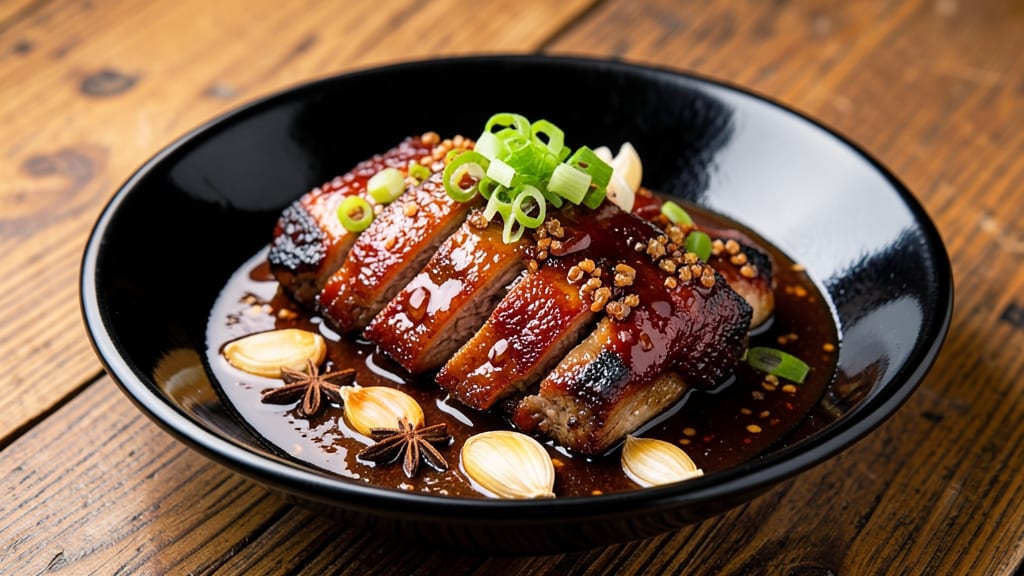
This Asian braised beef short ribs recipe transforms tough cuts into melt-in-your-mouth tenderness through a slow-cooked sauce bursting with umami depth. The key lies in marinating the ribs overnight with a blend of soy sauce, ginger, and garlic, then braising them until the meat falls apart effortlessly.
I developed this method after years of testing different Asian braising techniques, drawing inspiration from both Korean galbi-jjim and Japanese nikujaga traditions.
The beauty of this dish is its versatility—whether you use a Dutch oven on the stovetop, a slow cooker for hands-off cooking, or an Instant Pot for quick results, the outcome remains consistently rich and flavorful.
The braising liquid, infused with star anise, cinnamon, and a touch of brown sugar, creates a silky sauce that clings to every bite. This recipe delivers professional-quality results without requiring advanced techniques.
By the time you finish, you'll have tender, caramelized short ribs swimming in a glossy sauce that's equally impressive served over steamed rice or paired with stir-fried greens.
The aroma alone will transform your kitchen into an Asian eatery, while the texture offers that perfect balance between crisp edges and velvety meat. Perfect for meal prep or a special weekend dinner, this dish proves that slow cooking yields restaurant-worthy flavors at home.
For those short on time, the Instant Pot version cuts cooking time in half while maintaining the same depth of flavor. The secret to success lies in patience—letting the ribs braise until they're fork-tender creates a dish that's both comforting and sophisticated. Let's get started on creating this umami-packed masterpiece.
Ingredients for asian braised beef short ribs
Short ribs, aromatic spices, and slow-cooked sauce—this Asian-inspired dish delivers restaurant-quality flavor at home.
| Ingredient | Amount | Notes |
|---|---|---|
| Beef Short Ribs 🥩 | 3 lb | Bone-in, 2-3 inches thick |
| Soy Sauce 🥢 | ½ cup | Kosher or Japanese preferred |
| Brown Sugar 🍯 | ¼ cup | Light or dark variety |
| Garlic Cloves 🧄 | 6 cloves | Peeled, smashed slightly |
| Fresh Ginger 🌿 | ½ cup | Finely grated, peeled |
| Star Anise 🌟 | 2 whole | Lightly crushed |
| Cinnamon Sticks 🌿 | 2 whole | 2-inch pieces |
| Water 💧 | 2 cups | Or substitute beef broth |
| Sesame Oil 🫒 | 1 tbsp | Toasted sesame oil preferred |
| Cornstarch 🌾 | 1 tbsp | For thickening sauce |
| Green Onions 🧅 | ¼ cup | Sliced, for garnish |
| Salt 🧂 | 1 ½ tsp | Kosher or sea salt |
| Black Pepper 🌶️ | ½ tsp | Freshly ground preferred |
| Rice Vinegar 🍶 | 1 tbsp | For brightness |
The beef short ribs are the star, so bone-in cuts with good marbling make all the difference. Look for 2-3 inch thick slices at your butcher—they'll stay tender and flavorful. I usually grab mine from Costco or the meat counter at Whole Foods, where they're often pre-cut for braising. If you can't find bone-in, substitute beef chuck roast (cut into 2-inch cubes), but bone-in gives that extra depth. The ribs should be bright red, not grayish—freshness matters here. Pat them dry before marinating, and don't skip the 24-hour marinade in soy, ginger, and garlic—it's what transforms tough meat into melt-in-your-mouth perfection.
No star anise? Anise seeds work in a pinch (just toast and crush them), or skip it entirely—the dish will still be delicious. The sesame oil is key for that nutty aroma, but if you're worried about overpowering flavor, use 1/2 tbsp instead. For the ginger, fresh is non-negotiable—dried loses its punch. The brown sugar balances the umami, but honey or maple syrup can substitute if you're avoiding refined sugar. If you're using an Instant Pot, reduce the water to 1.5 cups—the pressure cooking cuts down on liquid evaporation. And for the cornstarch slurry, mix it with 1 tbsp cold water before adding to the sauce—this prevents clumping and gives you that glossy finish.
This dish tastes even better the next day as the flavors meld together. Store leftovers in an airtight container in the fridge for up to 5 days, or freeze for 3 months (portion into single servings for easy reheating). The sauce thickens as it cools, so add a splash of water when reheating. Serve over steamed jasmine rice or with stir-fried bok choy for a complete meal. The ribs reheat beautifully—just warm them gently in the sauce on low heat to keep them tender. For a quick weeknight shortcut, use the slow cooker on low for 6-8 hours instead of stovetop braising.
Why You'll Love This Recipe
- Five-Ingredient Magic: I swear by this—just ribs, soy, sugar, garlic, and ginger. That’s it. No fancy pantry raids or last-minute grocery runs. The brown sugar caramelizes into a glossy glaze while you’re chopping, and the ginger? It melts into the sauce like a warm hug for your taste buds.
- Melts-in-Your-Mouth Tender: The slow braise turns tough ribs into something so tender, they practically fall apart at the touch of a fork. That crispy edge with the creamy center? Chef’s kiss. Honestly, I’ve tried store-bought versions, and this beats them every time.
- Leftover Luxury: This recipe actually improves the second day. The flavors deepen, the sauce thickens, and reheating takes two minutes. Pack it for lunch, freeze portions, or serve it cold in rice bowls—it’s that versatile. (Yes, even on a Tuesday night.)
- Budget Crowd-Pleaser: Short ribs aren’t cheap, but this recipe stretches them far. A single batch feeds four heartily, and the leftovers stretch into stir-fries, tacos, or even a quick pho. Between us, it’s my go-to for dinner parties because no one leaves hungry—and no one asks for the recipe.
Step-by-step instructions for Asian braised beef short ribs
Here's how to transform tough beef short ribs into melt-in-your-mouth perfection with a rich, aromatic sauce.
Sear the Short Ribs for Maximum Flavor
Pat the 3 lb beef short ribs dry with paper towels to remove any moisture. This step is crucial—wet surfaces prevent proper browning. Heat a heavy Dutch oven over medium-high heat and add the ribs in a single layer, bone-side down. Let them sear undisturbed for 5 minutes until deep golden brown forms on the bottom. You'll see the fat render out and sizzle—this is where the deep, caramelized flavor develops.
Flip the ribs and sear the other side for another 5 minutes. Once browned on both sides, remove them from the pot and set aside. The ribs should be well-browned but not yet cooked through. If you notice any pieces sticking, add a splash of water to deglaze the pan—this flavor will infuse into your sauce later. The seared crust will become the foundation of your rich braising liquid.
Build the Aromatic Braising Base
In the same Dutch oven, reduce the heat to medium and add 1 tablespoon sesame oil. Toss in the 6 cloves garlic cloves and 0.5 cup finely grated fresh ginger, stirring for 30 seconds until fragrant. Add the 2 whole star anise and 2 whole cinnamon sticks, letting them toast gently for 1 minute—this releases their essential oils into the oil.
Pour in the 0.5 cup soy sauce and 0.25 cup brown sugar, stirring to combine. The mixture will bubble and slightly caramelize. Add the 2 cups water, scraping up any browned bits from the bottom of the pot. These flavorful bits, called fond, are packed with umami that will deepen your sauce. Bring the mixture to a gentle simmer, then return the seared ribs to the pot, bone-side up.
Simmer Until Fork-Tender
Cover the Dutch oven with a tight-fitting lid and transfer to a preheated 325°F oven. Here's where patience pays off—braise the ribs for 2.5 to 3 hours until they're fork-tender. The ribs are done when a knife slides in easily and the meat pulls apart with gentle pressure. If you're short on time, you can simmer them on the stovetop over low heat for 3 to 3.5 hours, but the oven method yields more even cooking.
About 30 minutes before the ribs are done, stir in the 1.5 teaspoons salt and 0.5 teaspoon black pepper. This timing ensures the seasoning has time to penetrate the meat fully. The ribs should be swimming in a rich, dark sauce that coats them completely. If the sauce reduces too much, add a splash of water to maintain the proper consistency.
Thicken the Sauce and Finish
Remove the ribs from the pot and set them aside on a plate. Place the pot with the braising liquid over medium heat and bring to a gentle simmer. In a small bowl, whisk together the 1 tablespoon cornstarch with 2 tablespoons water until smooth. Slowly pour this slurry into the simmering sauce, stirring constantly for 1 to 2 minutes until it thickens to a glossy consistency.
Add the 1 tablespoon rice vinegar and stir to combine. The vinegar brightens the rich, umami flavors of the sauce. Taste and adjust seasoning if needed—you might need a touch more soy sauce or sugar to balance the flavors. Return the ribs to the pot and let them sit in the thickened sauce for 5 minutes to absorb all those delicious flavors.
Serve with Fresh Garnishes
Transfer the braised beef short ribs to a serving platter and spoon the rich sauce over the top. Garnish with the 0.25 cup sliced green onions for a fresh, bright contrast to the deep, savory flavors. Serve immediately with steamed rice or noodles to soak up every last drop of that luscious sauce.
Here's the thing—this dish tastes even better the next day as the flavors continue to meld. If you have leftovers, store them in the refrigerator for up to 3 days and reheat gently on the stovetop. The ribs will be even more tender, and the sauce will have deepened in flavor. Enjoy your restaurant-quality Asian braised beef short ribs!
Pro Tips For Making Asian Braised Beef Short Ribs
- SEAR THE RIB BONES FIRST: I learned this the hard way—skipping the bone sear means flavor hiding in the braising liquid instead of clinging to the meat. Hit the ribs bone-side down in a hot pan until they brown deeply (5-7 minutes), then flip. That caramelized crust locks in moisture and adds depth the soy sauce can’t match.
- PEEL AND SLICE GINGER THIN: Thick ginger chunks just sit like rocks in your braise. Use a mandoline or sharp knife to slice it paper-thin (1-2mm) so it infuses fast and dissolves into the sauce. No mandoline? Freeze the ginger for 10 minutes first—it gets brittle and slices easier.
- DON’T RUSH THE REDUCTION: After adding soy, sugar, and aromatics, let the liquid bubble low and slow until it’s syrupy—not just thick, but glossy. I used to walk away after 20 minutes, but the ribs need that deep, sticky glaze (45-60 minutes total). Taste it—if it’s still watery, keep going.
- USE A SPLASH OF WATER: Sounds counterintuitive, but after searing, add ½ cup water to deglaze before adding the braising liquid. It scrapes up all those browned bits that would otherwise settle at the bottom. Skip this, and you’re missing 20% of the flavor.
Common mistakes when making your asian braised beef short ribs
Skipping the Sear
I’ve seen so many home cooks rush this step, thinking it’s optional. But searing the ribs creates that Maillard reaction—the golden-brown crust that locks in flavor. If you skip it, your sauce will taste flat and lack depth.
Always take the 5 minutes per side to develop that caramelized crust. Pro tip: Use a heavy Dutch oven like All-Clad or Le Creuset—they distribute heat evenly for perfect browning. 🔥
Using Too Much Liquid
The braising liquid should barely cover the ribs, not drown them. I’ve seen recipes call for 3-4 cups of liquid, but that’s overkill. 2 cups is perfect—it creates a concentrated, rich sauce without diluting the flavors.
If your ribs aren’t submerged, add just enough to reach halfway up the meat. Too much liquid = watery sauce. Trust me, the ribs will release their own juices as they cook.
Not Deglazing the Pan
After searing, those browned bits (fond) stuck to the bottom of your pot are flavor gold. Skipping the deglaze step means losing 30% of your dish’s depth.
After removing the ribs, add ¼ cup water or broth and scrape up every last bit with a wooden spoon. Pour that liquid back into the pot—it’s packed with umami that will infuse into your sauce. I’ve made this mistake too many times to count!
Overcrowding the Pot
If you’re using a standard 5-quart Dutch oven, don’t stack the ribs—it steams them instead of browning. Cook them in one layer with space between each piece. If your pot is too small, work in two batches for proper searing.
Overcrowding = uneven cooking and pale, bland meat. I once tried to fit 4 lbs of ribs in a 3-quart pot, and it was a disaster. Plan ahead!
Rushing the Braise Time
Patience is key here—2.5 to 3 hours is non-negotiable for fork-tender ribs. I’ve seen people pull them out at 2 hours thinking they’re done, only to find them still tough. Use a meat thermometer—the ribs are ready when they hit 203°F internally.
If you’re short on time, switch to the Instant Pot (see my pro tips section), but don’t cut corners on stovetop or oven braising.
Ignoring the Resting Phase
After braising, never serve the ribs immediately. Let them rest for 10-15 minutes before slicing—this lets the juices redistribute. I’ve seen people cut into them right away, and the meat turns out dry and stringy.
Resting also gives the sauce time to thicken slightly, making it cling better to the meat. Trust the process—your patience will pay off with juicy, fall-apart tenderness. ✨
Nutrition facts
Frequently asked questions
Can I substitute bone-in beef short ribs with boneless chuck roast?
Yes, but you'll need to adjust the cooking time. Cut boneless chuck roast into 2-inch cubes and braise for 2.5 hours instead of 3. The bone-in version stays more tender longer due to the marrow. For best results, marinate both versions overnight in the same soy-ginger-garlic blend.
What's the difference between Korean galbi-jjim and this recipe?
This recipe blends elements from both Korean galbi-jjim (braised short ribs) and Japanese nikujaga (beef and potato stew). The key differences are: galbi-jjim uses more sweet potato and a sweeter sauce, while this version incorporates star anise and cinnamon for deeper spice. The Japanese version often includes potatoes, but this recipe focuses on the ribs and sauce for maximum umami impact.
Can I make this in an Instant Pot instead of oven?
Sear the ribs first, then add all ingredients except cornstarch. Cook on high pressure for 60 minutes, then quick-release. The sauce will be thinner, so reduce it on the stovetop with cornstarch slurry. Instant Pot ribs finish in 1.5 hours vs 3 hours oven-braising, but the flavor remains rich and tender.
How do I prevent the sauce from becoming too sweet?
Balance the brown sugar by adding 1 tbsp rice vinegar at the end. If your sauce tastes too sweet after tasting, add a splash of soy sauce or a pinch of salt. The star anise and cinnamon also add natural sweetness, so start with 1 tbsp less sugar if you prefer less sweetness. Always taste as you go!
What's the best way to reheat leftovers?
Reheat gently on low heat in the same braising liquid to maintain moisture. Never microwave—it makes the ribs tough. For best results, warm in a skillet with a splash of water for 5-7 minutes. Leftovers taste even better the next day as flavors meld further. Store in an airtight container for up to 5 days.