
Main Courses
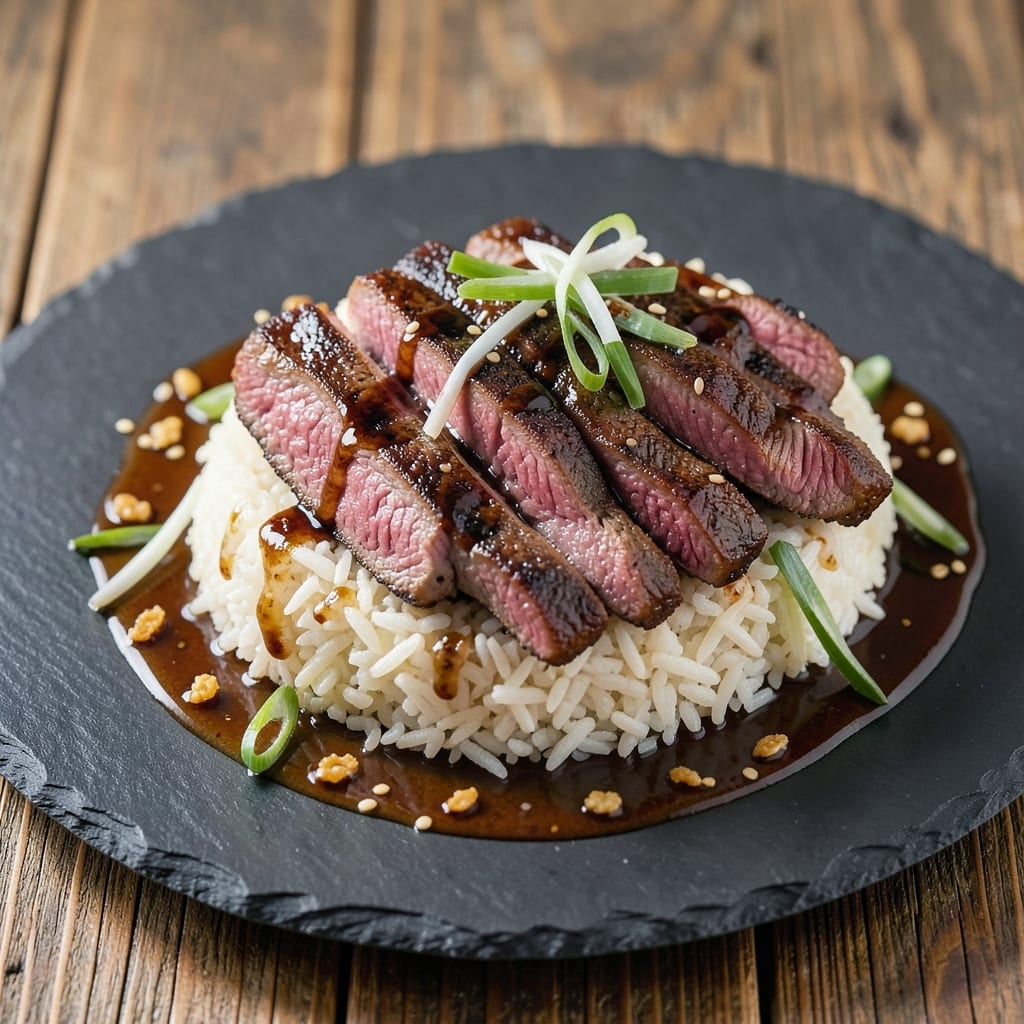
This beef and jasmine rice recipe transforms simple ingredients into a fragrant, restaurant-worthy meal with caramelized beef bites and perfectly steamed rice. The secret lies in high-heat wok cooking that creates deep, savory flavors while keeping the rice light and aromatic. I developed this recipe after years of testing—balancing tender beef with fragrant jasmine rice is an art, but the technique is straightforward once you know the key steps.
The beef gets marinated in a blend of soy sauce, garlic, and ginger, then seared to perfection in a hot wok, creating those coveted caramelized edges. Meanwhile, the jasmine rice steams to fluffy perfection with a subtle hint of fragrance that pairs beautifully with the rich beef. This method ensures every bite delivers both texture and flavor—crispy beef against tender, fragrant rice.
What makes this dish truly special is how quickly it comes together. With just 30 minutes of active cooking time, you’ll have a meal that feels indulgent yet remains simple enough for weeknights. The aroma alone—wok-heated beef mingling with jasmine rice—will have everyone at the table asking for seconds. The plating is just as important: serve the beef over the rice, garnished with green onions for freshness and a drizzle of sesame oil for extra depth.
This recipe works equally well for family dinners or meal prep—leftovers reheat beautifully, making it perfect for busy schedules. Whether you're cooking for two or a crowd, the balance of flavors and textures ensures satisfaction every time. Let’s get started on creating this fragrant, comforting dish that tastes like a home-cooked masterpiece.
Ingredients for beef and jasmine rice
Transform simple pantry staples into restaurant-quality beef and jasmine rice with these carefully chosen ingredients.
| Ingredient | Amount | Notes |
|---|---|---|
| Flank Steak 🥩 | 1 ½ lb | Thinly sliced against grain |
| Jasmine Rice 🍚 | 1 ½ cups | Uncooked, long-grain |
| Soy Sauce 🥢 | ½ cup | High-quality, preferably Japanese |
| Garlic Cloves 🧄 | 6 cloves | Minced, fresh preferred |
| Fresh Ginger 🌿 | 2 tbsp | Grated, peeled |
| Sesame Oil 🫒 | 1 tbsp | Toasted, for aroma |
| Vegetable Oil 🫒 | 2 tbsp | High smoke point |
| Green Onions 🧅 | ¼ cup | Thinly sliced, white and green parts |
| Water 💧 | 2 ½ cups | Filtered preferred |
| Cornstarch 🌾 | 1 tbsp | For tenderizing beef |
| Brown Sugar 🍯 | 1 tbsp | Light, for caramelization |
| Black Peppercorns 🌶️ | ½ tsp | Freshly cracked |
| White Pepper 🌶️ | ¼ tsp | For subtle seasoning |
| Salt 🧂 | 1 ½ tsp | Diamond Crystal kosher |
The flank steak is non-negotiable for this dish—its lean yet tender texture caramelizes perfectly when sliced against the grain. Look for USDA Choice or Prime at Whole Foods or your local butcher shop, where they can slice it thinly for you. If you're buying a whole cut, ask for it to be pre-sliced; Costco often carries pre-sliced flank steak in the seafood section. For the jasmine rice, Lotus Foods brand is my go-to—it’s consistently fragrant and fluffy. Avoid basmati or long-grain white rice; jasmine’s subtle floral notes are essential for this recipe. The soy sauce should be Japanese-style, like Kikkoman or S&B Golden Mountain**—avoid the thicker American varieties, which can make the dish too salty.
No flank steak? Sirloin or ribeye work in a pinch, but slice them thinner than flank steak to compensate for their higher fat content. Running short on fresh ginger? Ginger powder at half the amount will work, though it lacks the bright, zesty kick. The sesame oil is purely for aroma—if you’re avoiding sesame allergies, use an extra 0.5 tbsp of toasted vegetable oil instead. For the rice, if you can’t find jasmine, Thai jasmine or even basmati will do, though the fragrance will be milder. The cornstarch is key for tenderizing the beef; if you don’t have it, arrowroot powder is a direct substitute. The brown sugar adds a subtle caramel depth—white sugar works too, but it won’t caramelize as beautifully.
Store the flank steak in an airtight container in the fridge for up to 3 days or freeze for 3 months. The jasmine rice keeps indefinitely in a cool, dark place, but once cooked, it’s best eaten within 2 days or frozen for 1 month. Prep the marinade ingredients ahead—the minced garlic and grated ginger can sit in the fridge for 3 days in a sealed container. The cooked beef reheats beautifully; portion it into containers with a thin layer of sesame oil on top to keep it moist. The rice reheats best in a steamer basket over simmering water—never microwave it, or it’ll turn rubbery. Leftovers keep for 4 days in the fridge or 3 months frozen.
Why You'll Love This Recipe
- One-Pan Magic: I swear by this trick—cook the rice and beef together in one pot. No switching pans, no extra dishes, just done. The rice soaks up all that garlic-ginger-soy sauce while the steak gets tender, and honestly? It’s the kind of meal that makes me want to cook more often.
- Umami Bomb: That first bite of caramelized flank steak with the fragrant jasmine rice? Chef’s kiss. The soy sauce and fresh ginger cut through the richness, and the garlic? It’s like a little flavor explosion in every mouthful. My kids fight over the last piece—yes, even on a Tuesday night.
- Lunchbox Hero: Between us, this is my go-to for meal prep. Cook a big batch, and you’ve got lunches for days. Pack the rice and beef separately, and it stays fresh in the fridge. I’ll be real: my coworkers think I’m a saint when I bring this to work.
- Budget Win: Flank steak stretches far when you slice it thin, and jasmine rice is cheap but feels fancy. A single pound of beef feeds four, and the leftovers? Even better the next day. It’s the kind of dish that makes grocery money go further without sacrificing taste.
Step-by-step instructions for wok-heated beef and jasmine rice
Here's the method to achieve restaurant-quality caramelized beef and fragrant jasmine rice at home.
Tenderize the Flank Steak
Place the 1.5 lb flank steak between two sheets of plastic wrap. Using a meat mallet, pound the steak to an even ¼-inch thickness against the grain. This ensures even cooking and maximum tenderness. After pounding, slice the steak thinly against the grain into ¼-inch strips—this creates the signature bite-sized beef pieces.
In a small bowl, combine 1 tablespoon cornstarch, 1 tablespoon brown sugar, 1.5 teaspoons salt, 0.5 teaspoon black peppercorns, and 0.25 teaspoon white pepper. Mix well to create a dry marinade. Toss the sliced steak strips with this mixture until fully coated. Let the steak marinate for 15 minutes at room temperature while you prepare the remaining ingredients.
Prepare the Jasmine Rice
Rinse the 1.5 cups jasmine rice under cold water until the water runs clear. This removes excess starch and prevents the rice from becoming gummy. Drain well in a fine-mesh strainer. In a medium saucepan, combine the drained rice with 2.5 cups water and bring to a boil over high heat. Once boiling, reduce heat to low, cover tightly with a lid, and simmer for 15 minutes. Remove from heat and let the rice steam, covered, for an additional 10 minutes. Fluff with a fork before transferring to a serving dish.
While the rice cooks, mince the 6 cloves garlic and grate the 2 tablespoons fresh ginger. These aromatics will form the flavor base for the beef. Keep them at room temperature until ready to use.
Cook the Beef in the Wok
Heat a 14-inch wok or large skillet over high heat until smoking hot. Add 2 tablespoons vegetable oil and swirl to coat the bottom evenly. Working in batches if necessary (to avoid crowding), add the marinated steak strips. Cook undisturbed for 1-2 minutes until the beef develops a deep caramelized crust. Stir and cook for an additional 1-2 minutes until the beef is cooked through and slightly charred on the edges.
Remove the beef from the wok and set aside. In the same wok, add 1 tablespoon sesame oil and swirl to coat. Add the minced garlic and grated ginger, cooking for 30 seconds until fragrant. Pour in the 0.5 cup soy sauce and stir to deglaze the wok, scraping up any browned bits from the bottom. Return the beef to the wok and toss to coat in the sauce. Cook for an additional 1 minute to meld the flavors.
Finish and Serve
Stir in the 0.25 cup green onions, cutting them with a pair of kitchen shears for even distribution. Taste and adjust seasoning if needed—you may need an additional splash of soy sauce or a pinch of salt. Transfer the beef to a serving platter and arrange the jasmine rice underneath or alongside.
Garnish with extra green onions and serve immediately. The beef should be tender with a caramelized exterior, and the rice should be fragrant and fluffy. This dish is best enjoyed fresh, as the flavors continue to develop while the rice absorbs the aromatic beef juices.
Pro Tips For Making Beef And Jasmine Rice
- Slice Against the Grain: Flank steak’s fibers run long—cutting perpendicular to them turns every bite from a chewy mouthful into tender, restaurant-quality strips. Use a sharp knife and take your time; this is the step that makes or breaks the dish.
- Toast the Ginger: Fresh ginger’s sharp bite mellows when toasted—rub it on the steak while searing, then toss the pieces into the rice. Sounds weird, but it works: the aroma deepens, and the rice soaks up the flavor like a sponge.
- Salt the Steak Early: Season the flank steak at least 30 minutes before cooking. The salt penetrates deeper, and the crust forms better. I used to skip this, and the meat always tasted bland no matter how much soy sauce I added.
- Use Less Soy Sauce: Start with half the amount called for and taste as you go. Soy sauce is salty, and you’ll want the rice to shine—not compete with the beef. A splash at the end is often enough to tie everything together.
Pro cooking tips for great beef and jasmine rice
Wok Heating Mastery
Your wok needs to be scorching hot before adding the beef—this creates the perfect caramelized crust. I heat my 14-inch carbon steel wok over high heat for 3-5 minutes until it's smoking slightly. A high-heat source like a gas burner works best; electric coils struggle to maintain consistent heat. If your wok isn't hot enough, the beef will steam instead of sear, resulting in bland, rubbery pieces. 🔥
Batch Cooking Secret
Never overcrowd the wok—cook the beef in two batches if needed. I use a slotted spoon to remove the first batch after 1-2 minutes of searing, then add the second batch to the same wok. This maintains the high heat needed for proper caramelization. Crowding the wok lowers the temperature and steams the beef instead of browning it.
Deglaze Like a Pro
The soy sauce deglaze is where flavor magic happens. After removing the beef, immediately add 1 tablespoon sesame oil to the wok, then pour in the ½ cup soy sauce. Use a wooden spatula to scrape up every browned bit from the bottom—these fond bits contain concentrated beef flavor. Let the sauce reduce by half before returning the beef to coat it evenly.
Rice Steaming Perfection
Jasmine rice needs precise water control—use 2.5 cups water for 1.5 cups uncooked rice (a 1:1.67 ratio). After bringing to a boil, reduce to low heat and simmer uncovered for 1 minute to release excess steam, then cover and cook for 15 minutes. The 10-minute resting period after cooking is crucial—it allows steam to redistribute, resulting in fluffy, separate grains. 🌟
Marinade Timing
The 15-minute marinade at room temperature is non-negotiable. Cold beef releases less moisture when seared, leading to uneven cooking. Take the beef out of the fridge 30 minutes before cooking to bring it to room temperature. The cornstarch in the marinade creates a tenderizing crust while the brown sugar promotes caramelization during searing.
Garnish for Freshness
Fresh green onions should be cut with kitchen shears for even distribution. Add them last to maintain their vibrant color and crisp texture. A final drizzle of toasted sesame oil (just ½ teaspoon) adds aroma without overpowering. For extra flair, sprinkle with toasted sesame seeds—they add both visual appeal and nutty depth to each bite.
Nutrition facts
Frequently asked questions
Can I substitute flank steak with another cut of beef?
For best results, use sirloin or ribeye, but slice them thinner than flank steak since they're fattier. If you prefer leaner options, top round works too—just marinate it for 20-30 minutes to ensure tenderness. Avoid tough cuts like chuck or brisket, as they won't caramelize as beautifully.
How do I prevent my jasmine rice from becoming mushy?
Rinse the rice thoroughly until the water runs clear to remove excess starch. Use the 1:1.67 rice-to-water ratio (1.5 cups rice to 2.5 cups water) and simmer uncovered for 1 minute after boiling before covering. Never stir the rice while cooking—this breaks the grains. Let it steam for 10 minutes after cooking for perfect texture.
Can I make this recipe in a regular skillet instead of a wok?
Yes, but you'll need to adjust the cooking method. Heat your skillet over medium-high heat (not high) and reduce the oil to 1 tablespoon. Cook in smaller batches to avoid crowding, and stir frequently to achieve caramelization. The beef won't get quite as crispy, but it'll still be delicious. For extra flavor, deglaze with 1 tablespoon soy sauce and a splash of water.
Why does my beef turn out tough instead of tender?
This usually happens when the beef isn't sliced against the grain or cooked at too low a temperature. Always slice thinly (¼-inch strips) and sear in a very hot wok/skillet for 1-2 minutes per side. The cornstarch in the marinade helps tenderize, but don't skip the 15-minute marinade time—it's essential for breaking down fibers.
What's the best way to reheat leftovers?
Reheat the beef and rice separately to maintain texture. Warm the beef in a hot skillet with 1 teaspoon sesame oil over medium heat for 2-3 minutes. For rice, steam it in a bamboo steamer over simmering water for 5 minutes—this prevents it from drying out. Never microwave, as it makes the rice rubbery.