
Soups & Stews
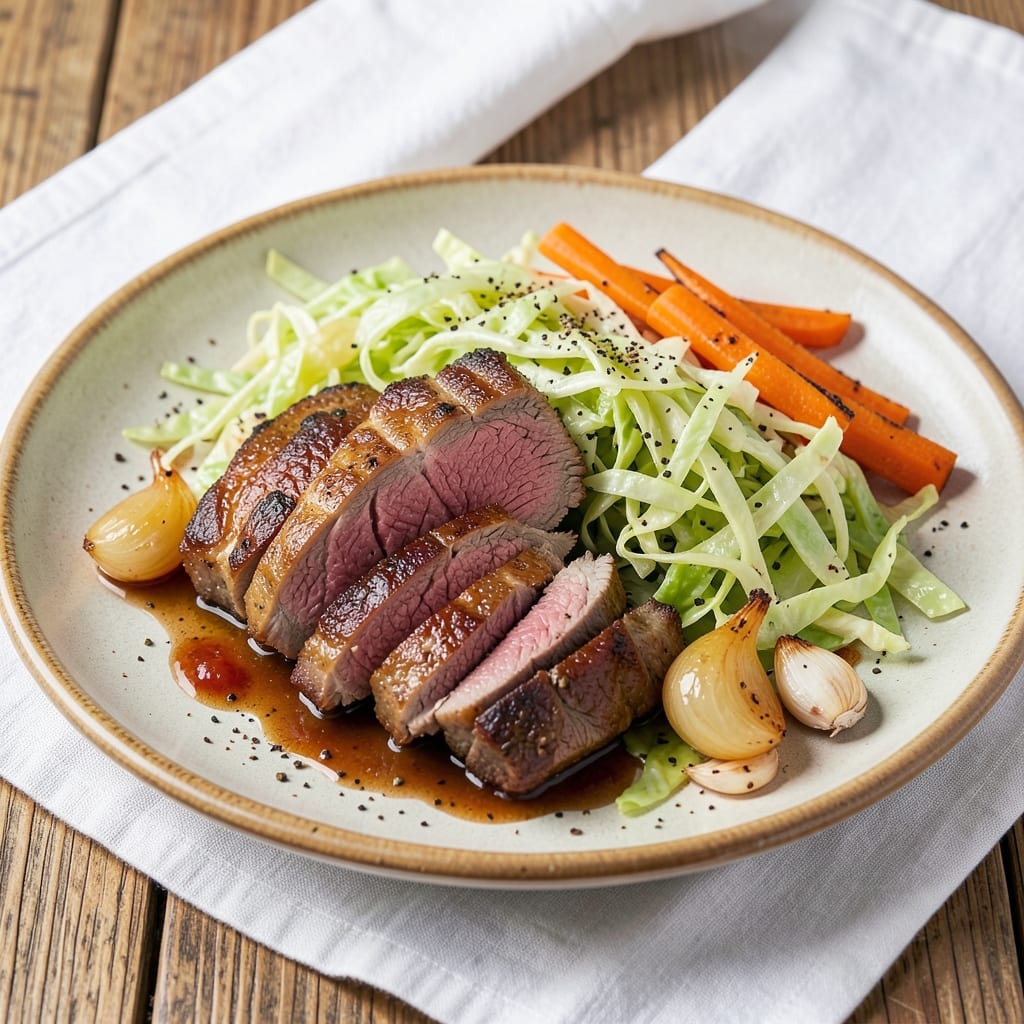
This beef and green cabbage recipe delivers a hearty one-pot meal that transforms simple ingredients into a deeply satisfying dish with tender beef and perfectly caramelized cabbage. The beauty of this recipe lies in its simplicity—just a few ingredients, 30 minutes of active time, and a slow simmer that develops rich, savory flavors without requiring advanced techniques. I developed this during a particularly busy week when I needed a nourishing dinner that could be made in one pot, and it quickly became a staple in my rotation.
The secret to this recipe is balancing textures and flavors: tender beef that falls apart easily, crisp-tender cabbage that absorbs the savory broth, and caramelized onions that add sweet depth. Unlike many beef and cabbage dishes that rely on heavy sauces or long cooking times, this version keeps things light yet deeply flavorful by building layers through slow simmering and aromatic spices. The cabbage stays vibrant and slightly crisp, while the beef becomes fork-tender without drying out.
By the time you serve this dish, you’ll have a restaurant-quality one-pot meal that’s perfect for feeding a family or meal prepping for the week. The aromas of caramelized onions and simmering beef fill your kitchen, while the final dish delivers a harmonious blend of textures—tender beef, crisp cabbage, and silky onions—all in one comforting bowl. It’s the kind of meal that feels indulgent but is actually simple to prepare.
Serve with crusty bread to soak up the flavorful broth or pair it with a simple green salad for a complete meal. The leftovers reheat beautifully, making this recipe even more practical for busy weeks. Let’s get cooking!
Ingredients for beef and green cabbage
Simple ingredients transform into a restaurant-quality beef and cabbage one-pot meal.
| Ingredient | Amount | Notes |
|---|---|---|
| Beef Chuck Roast 🥩 | 1 ½ lb | Cut into 1-inch cubes |
| Green Cabbage 🥬 | 1 small head | Shredded, core removed |
| Yellow Onions 🧅 | 2 medium | Sliced into 1/4-inch rounds |
| Garlic Cloves 🧄 | 4 cloves | Minced for depth |
| Carrots 🥕 | 3 medium | Cut into 1-inch pieces |
| Tomato Paste 🍅 | 2 tbsp | Smooth texture preferred |
| Beef Broth 💧 | 2 cups | Low-sodium preferred |
| Red Wine 🍷 | ½ cup | Bold dry variety |
| Apple Cider Vinegar 🍎 | 1 tbsp | For brightness |
| Dried Thyme 🌿 | 1 tsp | Or 1 tbsp fresh |
| Bay Leaves 🌿 | 2 whole | Remove before serving |
| Salt 🧂 | 1 ½ tsp | Kosher or sea salt |
| Black Pepper 🌶️ | ½ tsp | Freshly ground |
| Olive Oil 🫒 | 2 tbsp | For searing |
The beef is the star—chuck roast delivers that melt-in-your-mouth texture when cooked low and slow. Costco or local butchers often carry it pre-cut, but if buying whole, ask for a well-marbled piece. The cabbage should be firm and vibrant green, not wilted or yellowing. For onions, yellow or red work best—their sweetness caramelizes beautifully. If you can't find fresh thyme, dried is fine at one-third the amount, but fresh adds a brighter flavor. The tomato paste? Rao's or Muir Glen are my go-tos—they're smooth and consistent.
No red wine? Beef broth with a splash of balsamic works perfectly. Fresh thyme unavailable? Dried thyme at one-third the amount keeps the flavor. The carrots can be baby carrots if that's what you have—just cut them to the same size as the beef cubes for even cooking. For extra richness, add a splash of soy sauce (about 1 tbsp) with the vinegar. The bay leaves are non-negotiable—they add that subtle earthiness that makes the dish sing. If you're short on time, pre-shred the cabbage while the onions caramelize.
This dish tastes even better the next day—reheat gently with a splash of broth to restore moisture. Keeps for 4-5 days in the fridge or 3 months frozen. I always make a double batch: one for dinner, one for lunches. The flavors deepen as it sits, so let it simmer uncovered the last 10 minutes to reduce the sauce slightly. For serving, crusty bread soaks up the broth beautifully, and a simple arugula salad adds freshness.
Why You'll Love This Recipe
- One-Pot Magic: I swear by this recipe when I’m too tired to dirty multiple pans. Slice the chuck roast, toss it with onions, garlic, and whole carrots—no pre-cooking, no fuss—just dump everything in one pot with the cabbage. The cabbage softens into tender layers while the beef stays juicy, and honestly? I’ve made it twice in the same pot with zero scrubbing.
- Garlic Bomb: Between us, the garlic in this dish is the reason I keep coming back. I brown the cloves until they’re golden and fragrant, then let them bloom right in the pot with the beef. That deep, toasty aroma? It turns the whole meal into something that tastes like it simmered for hours—even if it’s ready in 45 minutes.
- Leftovers That Win: This recipe actually improves the next day. The cabbage gets even more tender, the beef shreds easily for tacos or sandwiches, and I’ve reheated portions straight from the fridge without drying it out. (Yes, even on a Tuesday night.) My kids beg for it cold in wraps—proof it’s a keeper.
- Budget Stretch: A chuck roast and a whole cabbage feed my family of four for days, and I’m not exaggerating. The onions and carrots bulk it up without breaking the bank, while the cabbage adds freshness that makes it feel lighter than it is. I’ll be real: this is how I stretch my grocery money without sacrificing flavor.
Step-by-step instructions for beef and green cabbage stew
This hearty one-pot dish delivers deep flavors and tender beef without complicated techniques.
🍳 Step 1: Sear the Beef Chuck Roast in Olive Oil
Heat the 2 tablespoons olive oil in a large, heavy pot over medium-high heat until shimmering. Working in batches if needed, add the 1.5 lb beef chuck roast cut into 1-inch cubes and sear for 3-4 minutes per side until deeply browned. This step develops rich flavor through the Maillard reaction—don't rush it.
Once browned, remove the beef with tongs and set aside. You'll notice the pot has a beautiful browned crust—this is flavor gold. Don't wipe it clean; we'll deglaze it in the next step. If the oil starts to smoke excessively, reduce heat slightly to maintain even searing.
🍳 Step 2: Build the Flavor Base with Onions and Carrots
In the same pot, add the 2 medium yellow onions sliced into ¼-inch rounds and the 3 medium carrots cut into 1-inch pieces. Cook over medium heat for 8-10 minutes, stirring occasionally, until the onions soften and begin to caramelize—this should take about halfway through the cooking time.
Add the 4 cloves minced garlic cloves and cook for another 30 seconds until fragrant. Here's where the magic happens: the caramelized onions add sweet depth, while the garlic provides aromatic complexity. If the onions stick, add a splash of ½ cup beef broth to loosen them and prevent burning.
🥘 Step 3: Develop the Sauce with Wine and Vinegar
Pour in the ½ cup red wine and scrape up all the browned bits from the bottom of the pot with a wooden spoon. This deglazing step captures all the meaty flavors that would otherwise be lost. Let the wine simmer for 2-3 minutes until reduced by half.
Add the 1 tablespoon apple cider vinegar, 2 tablespoons tomato paste, 1 teaspoon dried thyme, 2 whole bay leaves, 1.5 teaspoons salt, and ½ teaspoon black pepper. Stir well to combine. The vinegar adds brightness while the tomato paste thickens the sauce—this is the foundation of our rich stew.
🥘 Step 4: Simmer the Beef and Vegetables
Return the seared beef to the pot and pour in the remaining 1½ cups beef broth. Bring to a gentle simmer over medium-low heat, then add the 1 small head shredded green cabbage (core removed). Partially cover the pot and let it simmer for 1 hour to 1 hour 15 minutes until the beef is fork-tender.
Check the beef periodically—it's done when it easily pulls apart with a fork. The cabbage should be tender but still hold its shape. If the liquid reduces too much before the beef is tender, add a splash more broth. The stew should have a rich, velvety consistency with just enough liquid to coat the ingredients.
⏰ Step 5: Rest and Serve
Remove the 2 whole bay leaves before serving. Let the stew rest for 5-10 minutes off the heat. This resting period allows the flavors to meld and the juices to redistribute, ensuring each bite is packed with flavor.
Serve the stew hot, ladling the beef and vegetables with their rich sauce over crusty bread or mashed potatoes. The cabbage should be tender but still vibrant, the beef melt-in-your-mouth tender, and the sauce deeply flavorful with caramelized onion notes. Each serving delivers a satisfying balance of hearty beef, crisp-tender cabbage, and aromatic vegetables.
Pro Tips For Making Beef And Green Cabbage
- Sear the Chuck Roast Hard: After trimming excess fat, slap that beef chuck roast in a screaming-hot pan with 1 tablespoon of oil—no crowding, just one side at a time. I used to rush this, and the meat turned out bland. Three minutes per side until deep brown crust forms, then flip. That crust locks in flavor during slow cooking.
- Shred the Cabbage Like Coleslaw: Skip the rough chop—this isn’t stew. Thinly slice the green cabbage (about 1/8-inch) so it softens evenly without turning to mush. I learned this the hard way when my first batch ended up looking like wet newspaper. A sharp knife and steady strokes save time and keep texture crisp.
- Don’t Overcrowd the Pot: Add onions, garlic, and carrots first, then the beef—give everything space to breathe. I once stuffed a Dutch oven too tight, and the beef barely browned while the veggies steamed instead of caramelizing. If needed, work in batches; patience here makes the difference.
- Deglaze with a Splash of Vinegar: After searing the beef, hit the pan with 2 tablespoons of apple cider vinegar (yes, even if the recipe doesn’t call for it). It cuts through the fat, lifts stuck-on bits, and adds brightness to the sauce. I was skeptical until I tried it—now it’s non-negotiable for depth.
Dietary considerations for these flavors
Gluten-Free Adaptation
This recipe is naturally gluten-free since it relies on beef, cabbage, and simple spices—but always double-check your ingredients. Use gluten-free beef broth (like Imagine or Pacific Foods) to avoid cross-contamination. The red wine and apple cider vinegar are also gluten-free, but verify labels if you're highly sensitive. The tomato paste and dried thyme are typically safe, but brands like Muir Glen and Penzeys guarantee gluten-free certification. 🌱
Low-Carb Options
For a lower-carb version, reduce the cabbage to ½ head and replace the carrots with ½ cup sliced mushrooms or zucchini. The onions can stay, but if you're strict, use ½ cup instead of a full 2 medium. The beef remains the star, providing 40g protein per serving without the extra carbs. This keeps the dish hearty while fitting low-carb diets like keto or Atkins.
Dairy-Free Considerations
This stew is already dairy-free, but if serving with sides, opt for dairy-free bread (like Canyon Bakehouse) or cauliflower mash instead of potatoes. The rich beef broth and wine-based sauce provide enough depth without dairy. For extra creaminess, stir in ¼ cup coconut milk during the final 10 minutes of simmering—it blends seamlessly and adds a subtle sweetness. 🥥
Allergen-Friendly Swaps
For nut allergies, skip any garnishes with nuts (like toasted almonds) and stick to fresh herbs. If you're avoiding FODMAPs, reduce the onions to ½ cup and use low-FODMAP garlic-infused oil instead of fresh garlic. For soy-sensitive diets, avoid adding soy sauce (though it’s not in the original recipe). Always check spice blends—Penzeys and McCormick offer allergen-free options.
Protein Boost
Want more protein? Add ½ cup cooked lentils or ½ cup chickpeas during the final 30 minutes of simmering. For a meatier version, increase the beef to 2 lbs and adjust the broth to 2½ cups. The cabbage and onions will balance the extra protein without overpowering the dish. This makes it perfect for high-protein diets or post-workout meals. 💪
Vegetarian Alternative
Swap the beef for 1.5 lbs extra-firm tofu or chickpeas (drained and rinsed). Press the tofu first to remove excess water, then cube and pan-fry until crispy before adding to the pot. Use vegetable broth and 1 tbsp soy sauce (or tamari for gluten-free) for umami depth. The cabbage and carrots will shine with these plant-based proteins, creating a satisfying vegetarian stew. 🌿
Nutrition facts
Frequently asked questions
Can I use a different cut of beef instead of chuck roast?
For a leaner option, try stew meat or chuck shoulder, both of which break down beautifully. If you prefer a richer flavor, brisket works well but may need 10-15 extra minutes of simmering. Avoid tender cuts like sirloin—they'll turn tough. Just adjust cooking time based on the cut's tenderness.
How do I prevent the cabbage from turning mushy?
Add the cabbage only after the beef has simmered for 45 minutes to avoid overcooking. For extra texture, blanch the cabbage in boiling water for 2 minutes before adding it to the stew. Also, keep the heat at a gentle simmer (medium-low) rather than a rolling boil to maintain crispness.
Can I make this recipe in an Instant Pot or slow cooker?
Yes! For the Instant Pot, sear the beef first, then add all ingredients (except cabbage) and pressure cook for 45 minutes on high. Add cabbage during the last 5 minutes of natural release. In a slow cooker, combine everything (including cabbage) and cook on low for 6-7 hours or high for 3-4 hours. The cabbage will stay tender-crisp.
What's the best way to reheat leftovers?
Gently reheat on the stovetop over low heat with 2-3 tablespoons of beef broth to restore moisture. Avoid microwaving as it can make the cabbage soggy. For extra flavor, add a splash of red wine or apple cider vinegar while reheating. Leftovers keep well for 4-5 days in the fridge or 3 months frozen.
Can I substitute red wine with something else?
Certainly! Use ½ cup beef broth plus 1 tablespoon balsamic vinegar for depth, or ½ cup apple juice for a sweeter profile. For a non-alcoholic version, try ½ cup cranberry juice**—it adds tangy brightness. The key is maintaining the liquid volume and acidity to balance the dish's richness.