
Soups & Stews
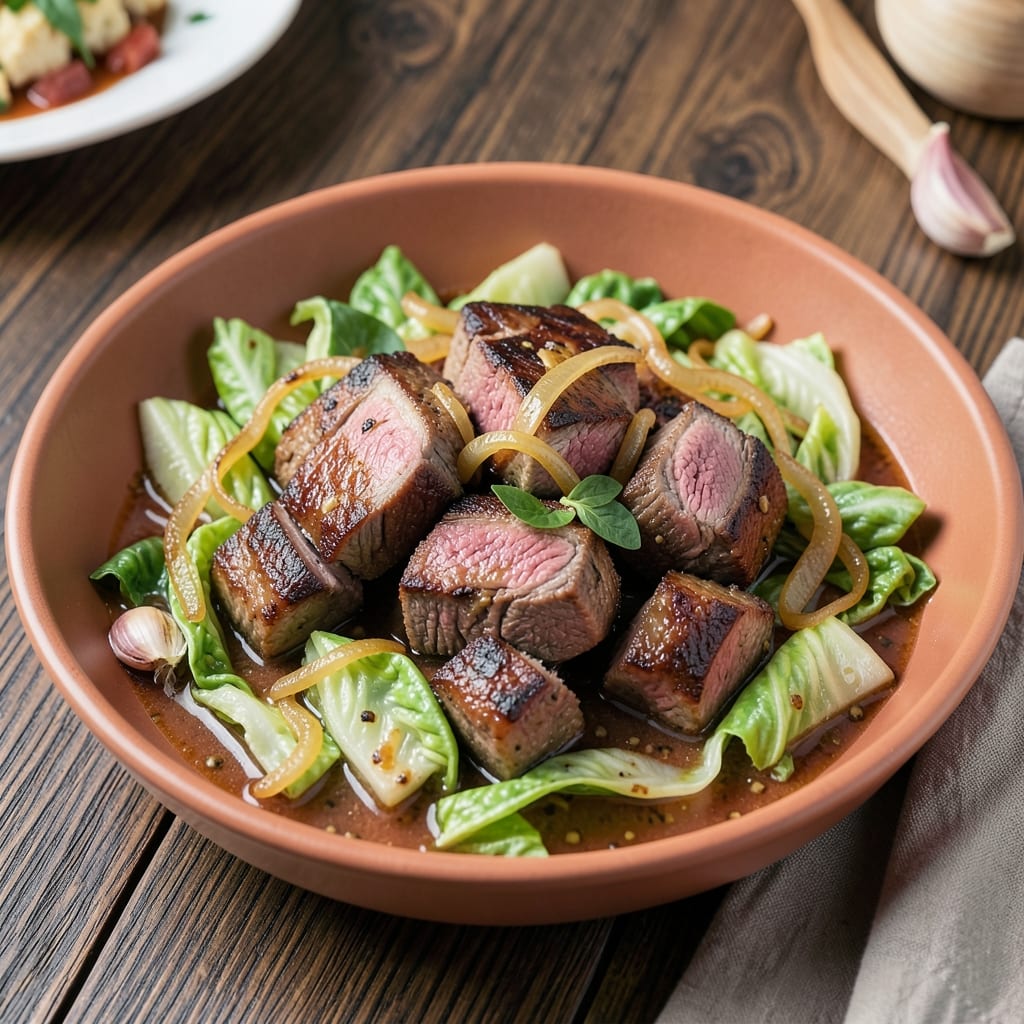
This beef and cabbage keto recipe transforms a classic comfort dish into a low-carb masterpiece that keeps all the hearty satisfaction without the carbs. The secret lies in slow-cooking tender beef with cabbage until it's fork-tender, then finishing with a rich, savory sauce that clings to every bite—no starchy thickeners needed. What makes this version work is the careful balance of flavors and textures, ensuring it feels indulgent while staying firmly in keto-friendly territory.
The recipe starts with searing beef chuck in a Dutch oven to develop deep, meaty flavors, then braises it with cabbage and a blend of aromatic spices until everything is meltingly tender. The sauce thickens naturally from the beef's rendered juices, creating a velvety consistency without any flour or cornstarch. For an extra keto-friendly twist, we'll serve it over cauliflower rice, which soaks up all that delicious sauce while adding a satisfying crunch.
By the time you're done, you'll have a dish that's rich, flavorful, and completely compliant with your keto lifestyle—net carbs under 5g per serving. The beef will be fork-tender, the cabbage perfectly softened but still holding its shape, and the sauce will be thick enough to coat every bite. This is the kind of meal that proves keto eating doesn't mean sacrificing flavor or texture—just smart techniques and the right ingredients.
Pair it with a simple side salad or extra cauliflower rice if you're watching your portions, and you've got a complete, satisfying meal that's perfect for weeknight dinners or meal prep. The best part? This recipe scales easily, so you can make a big batch and enjoy leftovers for days. Let's get started on creating this keto-friendly classic that tastes like comfort food reimagined.
Ingredients for beef and cabbage recipe keto
This hearty keto-friendly lineup delivers all the comfort of beef and cabbage without the carbs.
| Ingredient | Amount | Notes |
|---|---|---|
| Beef Chuck Roast 🥩 | 1 ½ lb | Cut into 1.5-inch cubes |
| Green Cabbage 🥬 | 1 head | About 1.5 lbs, cored and chopped |
| Yellow Onion 🧅 | 1 whole | Chopped into wedges |
| Garlic Cloves 🧄 | 4 cloves | Minced, fresh preferred |
| Extra-Virgin Olive Oil 🫒 | 2 tbsp | For searing beef |
| Beef Bone Broth 💧 | 2 cups | Low-sodium preferred |
| Tomato Paste 🍅 | 2 tbsp | No sugar added |
| Apple Cider Vinegar 🍏 | 1 tbsp | For tangy depth |
| Dried Thyme 🌿 | 1 tsp | Or 1 tbsp fresh |
| Bay Leaves 🌿 | 2 whole | Remove before serving |
| Mustard Powder 🌶️ | ½ tsp | For subtle tang |
| Salt 🧂 | 1 ½ tsp | Kosher or sea salt |
| Black Pepper 🌶️ | 1 tsp | Freshly ground |
| Cauliflower Rice 🥬 | 3 cups | Fresh or frozen, thawed |
| Xanthan Gum 🧪 | ¼ tsp | For sauce thickening (optional) |
The beef chuck is non-negotiable here—it's the secret to that melt-in-your-mouth texture. Look for well-marbled cuts at your local butcher shop or the meat department at Whole Foods or Costco for the best quality. If you're buying a whole roast, ask them to cube it for you (1.5-inch pieces). The cabbage should be firm and crisp—avoid any with yellowing leaves. For the cauliflower rice, Trader Joe's frozen riced cauliflower is my go-to because it's prepped and ready to use, but fresh works too if you've got the time to pulse it in a food processor.
No bone broth? Beef stock works in a pinch, but try to find a low-sodium version. Short on tomato paste? Sun-dried tomatoes packed in oil (drained and chopped) add great flavor. The apple cider vinegar might seem odd, but it cuts through the richness beautifully—white wine vinegar works too. If you're avoiding xanthan gum, extra beef broth or a splash of coconut cream can help thicken the sauce naturally. For the cabbage, if you prefer it more tender, add it 15 minutes before the beef is done. And trust me, fresh thyme is worth the extra minute—it makes all the difference.
This dish reheats beautifully—just add a splash of broth if it's dried out. Keeps for 4-5 days in the fridge, and freezes for 3 months (sauce may thicken further when frozen). I always make extra cauliflower rice and freeze it separately for quick sides. For meal prep, portion the beef and cabbage into containers, then reheat with a splash of water to keep everything moist. The sauce will thicken as it cools, so you can always thin it with a little more broth when reheating.
Why You'll Love This Recipe
- One-Pan Magic: I swear by this—just sear the beef, toss in chopped cabbage and onions, and let the garlic sizzle in olive oil. No flipping pans, no mess, and honestly? That crispy beef edge with the tender cabbage? It’s the kind of dish that makes you question why you ever cooked anything else.
- Garlic Bomb: Between us, the garlic here isn’t just flavor—it’s a moment. A few cloves smashed into the olive oil while the beef browns? That’s the secret. The cabbage soaks it up, and suddenly you’ve got this deep, savory punch that sticks with you. (Yes, even on a Tuesday night.)
- Leftovers That Win: This recipe begs to be made extra. The beef stays juicy for days, and the cabbage? It gets better the next day—almost like a slow-cooked surprise. I’ll be real: I make it on Sunday, then eat it for lunch all week. Zero guilt, all satisfaction.
- Budget Beef Powerhouse: A chuck roast is cheap, and cabbage is practically free. You’re feeding a crowd for the price of takeout, and it’s still keto-friendly. Honestly, this is my go-to when I need to stretch a meal without sacrificing taste—or my diet. No compromises.
Step-by-step instructions for slow-cooked beef and cabbage with cauliflower rice
Here's how to create a hearty, keto-friendly beef and cabbage dish that's surprisingly simple to make.
Sear the Beef Chuck Roast
Heat a large Dutch oven over medium-high heat and add the 2 tablespoons extra-virgin olive oil. Once the oil shimmers, add the 1.5 lb beef chuck roast cut into 1.5-inch cubes and sear for 3-4 minutes per side until golden brown. You're looking for a deep caramelization on each piece—this builds rich flavor.
Remove the beef from the pot and set it aside. If you notice any browned bits sticking to the bottom, don't scrape them yet—those flavorful bits will form the base of your sauce. This searing step is crucial for developing depth in your dish without adding any extra fat.
Build the Flavor Base
In the same Dutch oven, add the chopped yellow onion wedges and cook for 3-4 minutes until softened and slightly caramelized. Add the 4 minced garlic cloves and cook for 30 seconds until fragrant—don't let it burn, just release that wonderful aroma.
Stir in the 2 tablespoons tomato paste, 1 tablespoon apple cider vinegar, 1 teaspoon dried thyme, 0.5 teaspoon mustard powder, 1.5 teaspoons salt, and 1 teaspoon black pepper. Cook for 1 minute to toast the spices slightly, which enhances their flavor. This aromatic base forms the flavor foundation for your entire dish.
Simmer the Beef and Vegetables
Return the seared beef to the pot and pour in the 2 cups beef bone broth. Add the cored and chopped green cabbage and 2 whole bay leaves. Bring everything to a gentle boil, then reduce heat to low and cover. Let it simmer for 2-2.5 hours until the beef is fork-tender and the cabbage is soft.
Check occasionally to ensure there's enough liquid—if it reduces too much, add a splash of water. The beef should be falling apart easily when pierced with a fork. This slow cooking process ensures tender meat while maintaining the cabbage's natural sweetness without needing added sugar.
Thicken the Sauce and Prepare the Cauliflower Rice
Once the beef is tender, remove the bay leaves. Stir in the 0.25 teaspoon xanthan gum (if using) and simmer for 5 minutes to thicken the sauce slightly. This optional step creates a more cohesive dish without adding carbs.
In a separate skillet, heat 1 tablespoon extra-virgin olive oil over medium heat and sauté the 3 cups cauliflower rice for 5-6 minutes until lightly golden. The cauliflower rice should be tender but still hold its shape—don't overcook it or it'll turn mushy.
Combine and Serve
Divide the cauliflower rice among serving plates. Spoon the beef, cabbage, and sauce over the top, making sure each serving gets a good portion of the flavorful liquid. The combination of tender beef, slightly sweet cabbage, and the rich sauce creates a satisfying, keto-friendly meal.
This dish serves perfectly as a complete meal with its protein-rich beef and low-carb vegetables. The cauliflower rice absorbs the delicious sauce while providing that satisfying texture we all love. Enjoy while warm for the best experience!
Pro Tips For Making Beef And Cabbage Recipe Keto
- SEAR THE ROAST FIRST: I learned this the hard way—skipping the sear means flavorless beef. Pat that chuck roast dry, crank the heat to medium-high, and let it brown for 3-4 minutes per side before adding anything else. That crust locks in juices and builds depth you won’t get with slow cooking alone.
- SHRED THE CABBAGE SMALL: Thin slices won’t caramelize properly in the keto timeframe. Cut the cabbage into ½-inch chunks—big enough to hold shape but small enough to soften evenly. I used to overthink this and end up with mushy, sad cabbage. Don’t overthink it: uniform size is everything.
- SALT THE MEAT 24 HOURS EARLY: Chuck roast needs time to tenderize. Sprinkle a generous pinch of kosher salt (about 1 tsp per pound) before you even think about cooking. Let it sit uncovered in the fridge—this isn’t just for flavor, it’s for texture. I skipped this once and got chewy beef. Never again.
- USE GARLIC BUTTER FOR FINISHING: Ditch the plain olive oil at the end. Melt 1 tbsp of butter with 2 minced garlic cloves and a pinch of salt, then spoon it over the beef and cabbage in the last 5 minutes. The fat coats everything, and the garlic sings. Yes, it’s an extra step—but it’s the thing that makes people ask for seconds.
Storing and reheating your leftovers
Refrigerator Storage
Store your keto beef and cabbage in an airtight container for up to 4-5 days—the flavors actually deepen overnight. I always let the dish cool completely before transferring to prevent condensation. Use glass containers (like Pyrex) to maintain freshness, and press plastic wrap directly on the surface to minimize exposure. The sauce may thicken further in the fridge, so add a splash of beef broth when reheating. 💪
Freezer Prep Tips
This dish freezes beautifully for up to 3 months—just portion it into quart-sized freezer bags with 1-inch headspace for expansion. I like to freeze the beef and cabbage separately from the sauce to prevent mushy textures. Label with the date and reheat directly from frozen (no thawing needed). The sauce may separate slightly, but stir in extra broth when reheating. 🧊
Stovetop Reheating
For best texture, reheat on the stovetop over medium-low heat with 2-3 tablespoons beef broth to restore moisture. Cover and simmer for 10-15 minutes, stirring occasionally, until reaching 165°F internal temperature. If the sauce thickens too much, thin it with additional broth. I always taste and adjust seasoning—sometimes it needs a pinch more salt after reheating. 🔥
Microwave Method
For quick reheating, transfer to a microwave-safe dish with a splash of broth, cover loosely, and heat on 50% power in 2-minute intervals until hot. Stir between intervals to distribute heat evenly. Avoid overcooking the cabbage—it can become rubbery. If the sauce separates, whisk in 1 tablespoon broth to re-emulsify. 💫
Cauliflower Rice Handling
Reheat cauliflower rice separately in a dry skillet over medium heat for 3-4 minutes to restore crispness. If using frozen, thaw in the fridge overnight for best results. For meal prep, store cauliflower rice in a separate container to maintain texture. When reheating the full dish, add the cauliflower rice last to prevent sogginess. ✨
Sauce Thickening Fix
If your sauce seems too thin after reheating, stir in ½ teaspoon xanthan gum or 1 tablespoon cornstarch slurry (mix cornstarch with cold water). Simmer for 2-3 minutes until thickened. For extra richness, add 1 tablespoon coconut cream—it blends seamlessly and adds a subtle sweetness that complements the beef. 💡
Nutrition facts
Frequently asked questions
Can I substitute ground beef for chuck roast in this keto recipe?
You can try, but chuck roast is ideal for its rich flavor and melt-in-your-mouth texture when slow-cooked. Ground beef would work better for a quick stir-fry version—just use 80/20 ground beef and cook it until browned, then add cabbage and broth to simmer for 30-40 minutes. The texture will be different but still delicious!
How do I make this recipe more flavorful without adding carbs?
Boost flavor with keto-friendly additions like 1 tablespoon Worcestershire sauce (check for no added sugar), ½ teaspoon smoked paprika, or a splash of red wine (1-2 tablespoons) when searing the beef. For umami depth, add 1 teaspoon fish sauce or ½ cup mushrooms with the cabbage. The key is building layers of flavor through spices and aromatics!
Can I use red cabbage instead of green in this keto dish?
Yes! Red cabbage works beautifully and adds vibrant color. Just note it has a slightly sweeter, more robust flavor. For best results, use the same amount as green cabbage and add it 15 minutes before the beef is fully tender to preserve its color. The cooking time remains the same—just watch for doneness.
Why did my cabbage turn mushy while cooking?
Mushy cabbage usually means it cooked too long or had too much liquid. For perfect texture, add cabbage 30-45 minutes before the beef is done, and reduce heat if the liquid boils vigorously. If using a Dutch oven, cover tightly to trap steam. For extra structure, add 1 tablespoon apple cider vinegar when simmering—it helps maintain crispness!
What are the best keto-friendly sides to serve with this beef and cabbage?
Try these low-carb pairings: roasted Brussels sprouts with bacon, zucchini noodles with garlic butter, or a simple spinach salad with olive oil and lemon. For extra heartiness, serve with cheesy cauliflower mash or crispy pork rinds on the side. The key is balancing textures—creamy, crunchy, or leafy greens all work well!