
Soups & Stews
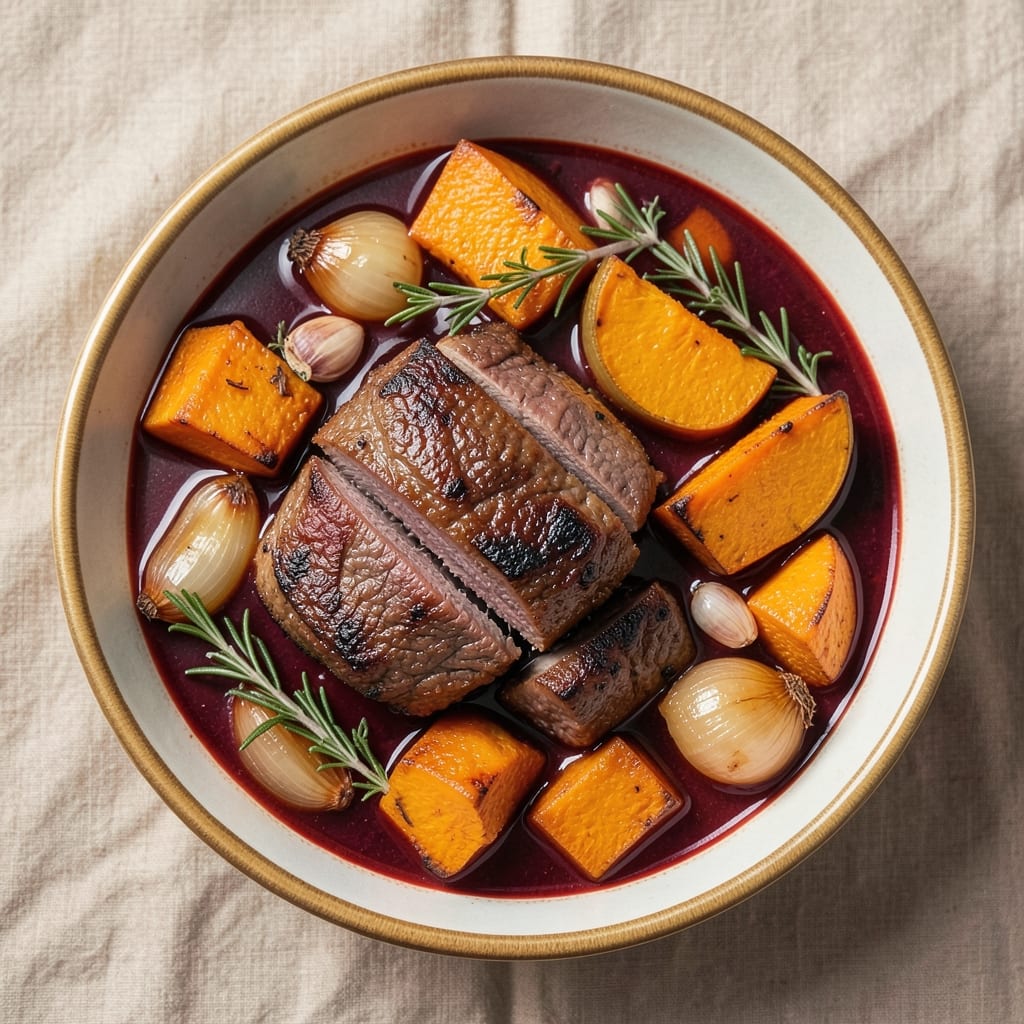
This beef and butternut squash stew recipe delivers restaurant-quality depth with rich umami and natural sweetness in every spoonful. The secret lies in searing beef for deep flavor, then braising it with cubed squash until tender—creating a silky, hearty broth that tastes even better the next day. Perfect for chilly evenings when you crave a meal that warms both body and soul.
The beauty of this one-pot stew is its versatile technique: sear the beef first for a caramelized crust, then simmer everything together until the squash melts into the sauce. A splash of red wine adds complexity, while aromatic herbs and a touch of sweetness from the squash balance the savory beef. It’s the kind of dish that transforms simple ingredients into something extraordinary with minimal effort.
What you’ll end up with is a deeply satisfying stew—tender beef, velvety squash, and a broth so flavorful it deserves its own bowl. The aromas alone will have everyone gathering around the table, and the texture is just right: fork-tender beef and creamy squash in a sauce that clings to every bite. This is comfort food at its finest, made even better by the fact that it’s foolproof and foolhardy-free.
Pair it with crusty bread to soak up every last drop of that rich sauce, or serve it alongside a simple green salad for balance. The leftovers reheat beautifully, making this the ultimate make-ahead meal for busy weeks. Let’s get cooking—your taste buds will thank you.
Ingredients for beef and butternut squash stew
Rich beef and sweet squash—just 15 ingredients for a stew that tastes like home.
| Ingredient | Amount | Notes |
|---|---|---|
| Beef Chuck Roast 🥩 | 1 ½ lb | Cubed into 1-inch pieces |
| Butternut Squash 🎃 | 2 cups | Cubed, skin removed |
| Yellow Onion 🧅 | 1 whole | Diced, medium size |
| Garlic Cloves 🧄 | 4 cloves | Minced, fresh preferred |
| Red Wine 🍷 | ½ cup | Dry, bold variety |
| Beef Broth 💧 | 2 cups | Low-sodium preferred |
| Tomato Paste 🍅 | 1 tbsp | Squeeze tube or can |
| Olive Oil 🫒 | 2 tbsp | Extra-virgin for richness |
| Fresh Thyme Leaves 🌿 | ¼ cup | Or 1 tsp dried thyme |
| Fresh Rosemary 🌿 | 1 tbsp | Chopped, stems removed |
| Salt 🧂 | 1 ½ tsp | Kosher or sea salt |
| Black Pepper 🌶️ | ½ tsp | Freshly ground preferred |
| Brown Sugar 🍯 | 1 tbsp | Light or dark variety |
| Bay Leaves 🌿 | 2 whole | Remove before serving |
| Crusty Bread 🍞 | 4 slices | For serving, optional |
The beef is where the magic happens. Chuck roast is the gold standard here—it stays tender while developing deep flavor. Grab the pre-cubed kind from the meat counter (usually near the steaks) to save time, or ask the butcher to cut it for you. Costco or Trader Joe's often have great deals on pre-cubed beef, and it's already portioned perfectly. If you're buying a whole roast, cube it yourself into 1-inch pieces—this size ensures it cooks through without turning to mush. The squash should be firm with no soft spots, and local fall markets often have the sweetest varieties if you're cooking in season.
No red wine? Substitute with extra beef broth plus a splash of balsamic vinegar—it adds depth without the alcohol. Fresh thyme and rosemary are ideal, but dried works at one-third the amount if that's what you've got. The tomato paste can be skipped if you're not a fan, but it adds a nice umami punch. For the squash, canned butternut squash purée works in a pinch (just add 1/2 cup), though fresh is always better. The brown sugar balances the acidity from the wine—coconut sugar works too if you're avoiding refined sugar. And if you're short on time, pre-chopped frozen squash cubes save you from peeling and dicing.
This stew tastes even better the next day—plan ahead and make a double batch. Store leftovers in airtight containers for up to 5 days, or freeze for 3 months in portions. The crusty bread is optional but highly recommended; baguettes or sourdough work perfectly. If you've got extra broth, freeze it separately for future soups. And trust me, the aromas while it's cooking will have everyone in the house gathering in the kitchen—worth every minute.
Why You'll Love This Recipe
- One-Pot Magic: I swear by this recipe when I’m too tired to scrub pots—just brown the beef, toss everything in the same pot, and let it simmer. The squash caramelizes right in the sauce, so no extra bowls or pans to wash. (Yes, even on a Tuesday night.)
- Deep, Rich Layers: That slow-cooked chuck roast falls apart like a dream, while the butternut squash soaks up the red wine and garlic until it’s tender with just a hint of bite. Honestly, the first time I tasted this, I thought, “Wait, is this fancy or just really good?”—turns out, it’s both.
- Leftovers That Win: This stew only gets better the next day, which means I make a double batch and freeze half for lazy Sundays. My kids actually ask for it—no sad desk lunches here, just hearty portions that reheat like a hug.
- Budget-Friendly Feast: A chuck roast stretches for a crowd, and butternut squash is cheaper than you’d think when you buy it whole. Between us, I’ve served this at potlucks, game days, and even a last-minute dinner for my in-laws—no one ever questions the ingredients, just the seconds.
Step-by-step instructions for beef and butternut squash stew
Here's how to build layers of rich umami and natural sweetness in one comforting pot.
Sear the Beef Chuck Roast for Deep Flavor
Heat the 2 tablespoons olive oil in a heavy Dutch oven over medium-high heat until shimmering. Pat the 1.5 lb beef chuck roast dry with paper towels and cut it into 1-inch cubes—this ensures even cooking. Working in batches if needed, add the beef to the pot and sear undisturbed for 3-4 minutes per side until deeply browned.
This step is non-negotiable—browning creates the Maillard reaction that builds the stew's deep, savory foundation. Don't crowd the pan or the temperature will drop. Once all beef is browned, transfer it to a plate and set aside. You'll notice the beef releases easily when properly browned—this is your cue that it's ready to move.
Build the Aromatic Base with Onion, Garlic, and Herbs
In the same Dutch oven, reduce heat to medium and add the 1 whole yellow onion (diced) and 4 cloves garlic (minced). Cook for 5-6 minutes, stirring occasionally, until the onions soften and turn translucent. Add the 1 tablespoon tomato paste, stirring to coat the onions completely—this helps thicken the stew later.
Next, stir in the 0.25 cup fresh thyme leaves, 1 tablespoon fresh rosemary (chopped), 1.5 teaspoons salt, and 0.5 teaspoon black pepper. Cook for another 1 minute until fragrant. This aromatic trio forms the flavor backbone of the stew, so don't skip this step—it's where the magic happens. You'll smell the herbs release their essential oils, filling your kitchen with warmth.
Deglaze and Simmer with Wine and Broth
Pour in the 0.5 cup red wine, scraping up any browned bits from the bottom of the pot with a wooden spoon—this captures all the flavor you've built. Let the wine simmer for 3-4 minutes until reduced by half. Then, add the 2 cups beef broth and the 1 tablespoon brown sugar, stirring to combine. Bring to a gentle boil, then reduce heat to low and return the beef to the pot.
The brown sugar here balances the acidity of the wine and enhances the natural sweetness of the butternut squash later. Let the stew simmer uncovered for 1 hour, stirring occasionally. This initial simmer breaks down the beef's connective tissue, transforming it into tender, fork-friendly pieces. You'll see the liquid reduce slightly, concentrating the flavors.
Add Butternut Squash and Finish Cooking
Peel and cube the 2 cups butternut squash (skin removed) into 1-inch pieces for even cooking. Add them to the stew along with the 2 whole bay leaves. Return the heat to medium-low and simmer uncovered for another 20-25 minutes, until the squash is tender when pierced with a fork. The stew should have a thick, velvety consistency—if it's too thin, simmer uncovered for an extra 5 minutes to reduce.
Taste and adjust seasoning if needed—you might want to add a pinch more salt or pepper to balance the flavors. The butternut squash should be fork-tender with just a slight resistance, and the beef should pull apart easily. Remove and discard the bay leaves before serving.
Serve with Crusty Bread
Ladle the stew into bowls and serve immediately with the 4 slices crusty bread on the side. The bread soaks up the rich, umami-packed sauce beautifully, turning every bite into a hearty, satisfying meal. The stew should be thick enough to coat the back of a spoon but still have a silky texture—this balance is what makes it truly special.
Let the stew sit for 5 minutes before serving to allow the flavors to meld even further. The aroma alone will have everyone at the table eager to dig in. This one-pot wonder delivers comfort in every spoonful, with the deep beef flavor perfectly complemented by the natural sweetness of the squash.
Pro Tips For Making Beef And Butternut Squash Stew
- SEAR THE BEEF FIRST: I learned this the hard way—skipping the sear means flavorless beef. Sear the chuck roast in batches over high heat until deeply browned (about 3-4 minutes per side) before adding anything else. That crust locks in juices and builds the stew’s depth.
- CUBE THE SQUASH UNEVENLY: Butternut squash cooks faster in some spots. Cut it into rough, uneven chunks—some larger, some smaller—so every bite finishes at the same time. No one wants mushy bits mixed with al dente pieces.
- DEGLAZE WITH RED WINE IMMEDIATELY: Don’t let those browned bits go to waste. As soon as you remove the beef, pour in the red wine right away while the pan is still hot. Scrape every last bit from the bottom—this is where the magic happens, and skipping it means losing half the flavor.
- SIMMER LOW AND LONG: This isn’t a race. After adding all ingredients, reduce heat to a gentle simmer (small bubbles, occasional skimming of foam) and let it cook uncovered for at least 2.5–3 hours. The beef needs time to tenderize, and rushing it turns the stew into a sad, stringy mess.
Serving suggestions for leftovers
Crusty Bread Essentials
Nothing beats serving this stew with warm, crusty bread to soak up every last drop of that rich sauce. I always reach for a baguette or sourdough—their sturdy crusts hold up beautifully while absorbing the velvety broth. For extra flair, brush the bread with garlic-infused olive oil and sprinkle with sea salt before baking at 375°F for 10 minutes. The aroma alone will make your stew taste even more inviting. 🍞
Simple Green Salad
A bright, crisp salad cuts through the heartiness of the stew beautifully. Toss 4 cups mixed greens (arugula, spinach, romaine) with 1 tbsp lemon vinaigrette and 2 tbsp shaved Parmesan. The acidity from the lemon and peppery arugula balance the stew’s richness, while the Parmesan adds a salty contrast. Serve on the side for a complete meal. 🥗
Roasted Root Vegetables
For a vegetarian-friendly side, roast carrots, parsnips, and sweet potatoes at 400°F for 25 minutes with 1 tbsp olive oil, 1 tsp thyme, and ½ tsp smoked paprika. Their caramelized sweetness pairs perfectly with the stew’s savory depth. Toss with a sprinkle of toasted pecans for crunch. 🎃
Warm Polenta
Creamy polenta adds a comforting texture that complements the stew’s heartiness. Cook 1 cup polenta in 4 cups boiling water with ½ tsp salt over medium-low heat for 15 minutes, stirring constantly. Stir in 2 tbsp butter and ¼ cup grated Parmesan before serving. The mild, buttery flavor lets the stew shine. 🥄
Cheese Board Pairing
Turn your meal into a shared experience with a cheese board featuring aged cheddar, brie, and goat cheese. Add walnuts, dried apricots, and honey drizzle to contrast the stew’s savory notes. The cheeses add richness, while the nuts and fruit bring balance. Perfect for a cozy dinner with friends. 🧀
Wine and Beer Pairings
A bold Cabernet Sauvignon or Malbec enhances the stew’s deep flavors, while a crisp German Riesling cuts through the richness. For beer lovers, try a Belgian-style witbier or a malty amber ale. The effervescence cleanses your palate between bites. 🍷
Nutrition facts
Frequently asked questions
Can I substitute beef with another protein?
Yes! For a lighter option, try chicken thighs (bone-in for extra flavor) or pork shoulder. If you prefer seafood, firm white fish like cod or halibut works well—just reduce cooking time to 15 minutes after adding the squash. For vegetarian, swap beef for mushrooms or lentils and increase broth to 2.5 cups.
Why does my stew turn out watery?
Watery stews usually happen from too much liquid or undercooked squash. Simmer uncovered for 5-10 extra minutes to reduce the broth, or mash some squash against the pot sides to thicken naturally. If using canned squash, drain excess liquid before adding. A 1 tablespoon cornstarch slurry (mixed with cold water) thickens instantly.
How do I make this ahead of time?
This stew tastes even better the next day! Cook completely, then store in an airtight container in the fridge for up to 5 days or freeze for 3 months. Reheat gently on the stove over low heat with a splash of broth or water to restore thickness. The flavors deepen as the ingredients meld overnight.
Can I use frozen butternut squash?
Thaw frozen squash cubes first, then pat dry with a paper towel to prevent excess moisture in the stew. You may need to reduce cooking time by 5 minutes since frozen squash starts softer. For convenience, pre-chopped frozen squash works perfectly—just follow package instructions for thawing.
What herbs can I swap if I don't have thyme or rosemary?
Fresh oregano or sage work beautifully—use 1 tablespoon each for similar earthy notes. For a brighter flavor, try 1 teaspoon dried marjoram or ½ teaspoon smoked paprika. Bay leaves are essential for depth, but if you're out, add ½ teaspoon ground allspice instead.