
Main Courses
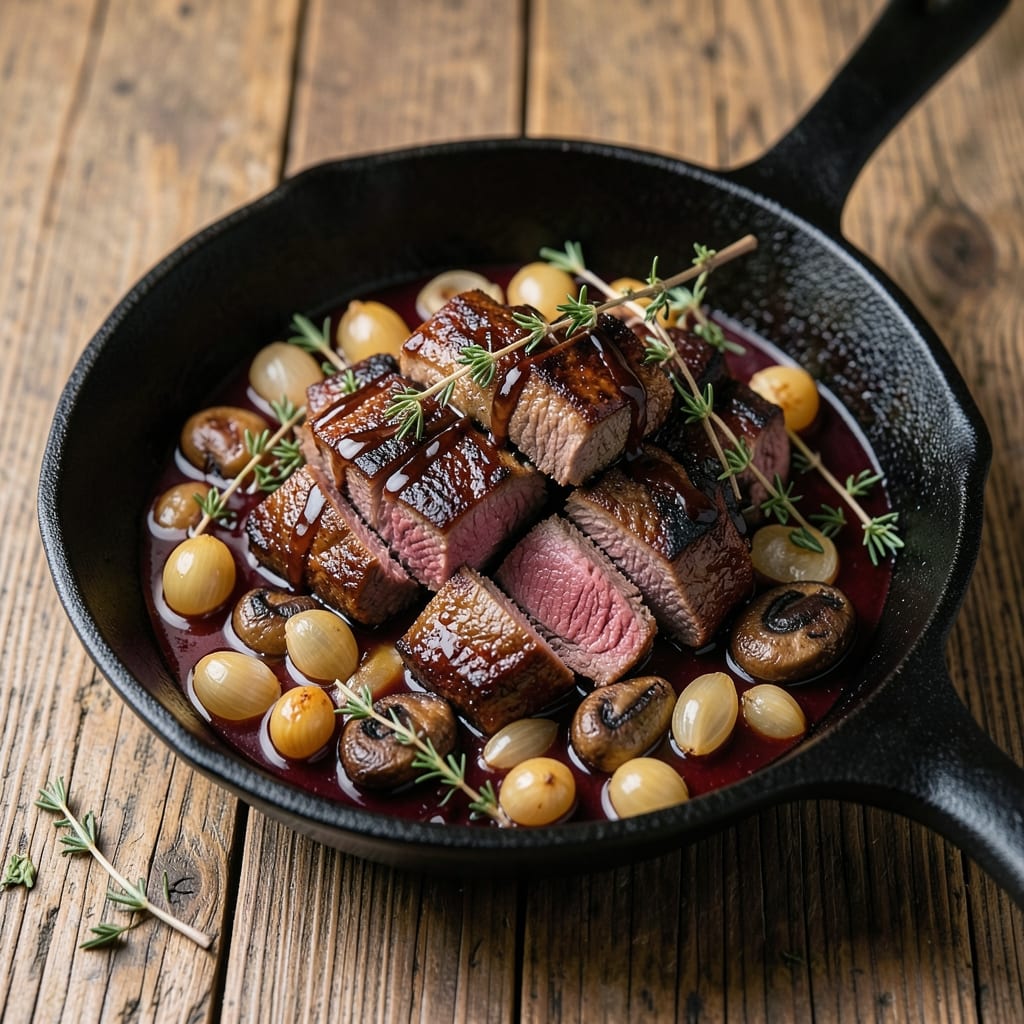
This Barefoot in Paris beef bourguignon recipe delivers restaurant-quality depth in a single pot—rich, wine-infused flavors that transform tough beef into melt-in-your-mouth perfection. The secret lies in slow braising, where red wine and aromatics meld into a velvety sauce that clings to every bite. I’ve adapted Ina Garten’s approach to make it approachable yet luxurious, with no shortcuts that compromise flavor.
The process begins with searing beef until deeply browned, locking in flavor before it’s submerged in red wine, mushrooms, and onions. As it simmers, the wine reduces into a glossy, aromatic sauce that’s balanced—never overpowering. This isn’t just a stew; it’s a celebration of French technique made simple, with herbs added at the end to brighten the dish without overpowering its depth.
By the time you serve it—over creamy mashed potatoes or crusty bread—you’ll have a dish that tastes like it simmered all day, even if it only took a few hours. The beef will be fork-tender, the mushrooms perfectly soft, and the sauce so rich it coats every spoonful. It’s the kind of meal that makes weeknights feel special.
Perfect for impressing guests or treating yourself to a cozy dinner, this bourguignon proves that classic French cooking can be both elegant and effortless. Let’s get started—your kitchen will smell like Paris in no time.
Ingredients for barefoot in paris beef bourguignon
Rich, wine-kissed beef meets earthy mushrooms and aromatic herbs in this one-pot French classic.
| Ingredient | Amount | Notes |
|---|---|---|
| Chuck Roast 🥩 | 2 lb | Pre-cut into 1.5-inch cubes |
| Dry Red Wine 🍷 | 2 cups | Bold, like Cabernet Sauvignon |
| Beef Broth 💧 | 2 cups | Low-sodium preferred |
| Yellow Onion 🧅 | 1 whole | Thinly sliced, about 2 cups |
| Garlic Cloves 🧄 | 4 cloves | Minced, about 1 tbsp |
| Fresh Thyme 🌿 | 2 sprigs | Or 1 tsp dried |
| Fresh Rosemary 🌿 | 1 sprig | Or 1 tsp dried |
| Cremini Mushrooms 🍄 | 16 oz | Sliced, about 2 cups |
| Tomato Paste 🍅 | 2 tbsp | Squeeze tube works |
| All-Purpose Flour 🌾 | 2 tbsp | For sauce thickening |
| Unsalted Butter 🧈 | 2 tbsp | Cold, for finishing |
| Fresh Parsley 🌿 | ¼ cup | Chopped, for garnish |
| Kosher Salt 🧂 | 1 ½ tsp | Adjust to taste |
| Freshly Ground Black Pepper 🌶️ | ½ tsp | Freshly cracked |
The beef is non-negotiable—chuck roast delivers that signature fall-apart texture. Grab a 2-pound cut from the butcher counter (or pre-cubed from the meat section) for convenience. Whole Foods or local butchers often have the best quality, but any reputable grocery store’s chuck roast works. Look for good marbling—the fat renders down into the sauce, adding richness. If you're buying a whole roast, cube it yourself for even cooking. Costco’s pre-cubed chuck is a solid budget-friendly option, but trim any large fat chunks before searing.
No bold red wine? Substitute with beef broth plus 1 tbsp balsamic vinegar—it won’t be identical, but it’ll save you from a sad, flat sauce. Fresh thyme and rosemary are ideal, but dried works at one-third the amount if that’s all you’ve got. Mushrooms can be swapped for shiitakes or oyster mushrooms if you’re feeling fancy, or cremini substitutes perfectly. The tomato paste is crucial—Trader Joe’s squeeze tubes are my go-to for no-mess convenience. If you’re making this ahead, let the wine reduce completely before adding the flour slurry to avoid a gummy texture. Diamond Crystal kosher salt is my preferred brand, but any kosher salt will do.
This dish tastes even better the next day—plan to make it a day ahead if possible. Store leftovers in an airtight container in the fridge for up to 5 days, or freeze for 3 months. The sauce thickens as it cools, so add a splash of broth when reheating. I always make a double batch—half for dinner, half for lunches the following week. For serving, keep the beef and sauce separate until ready to plate, so the sauce doesn’t get soggy. Garnish with fresh parsley right before serving to keep those bright notes popping.
Why You'll Love This Recipe
- One-Pot Magic: I swear by this recipe because it’s actually hands-off after the initial sear. The chuck roast browns in the pan while you dice onions—no extra pots, no fuss. Just let the wine and broth do their thing while you sip your glass of the same red you’re cooking with. (Yes, I’ve done it. Yes, it’s worth it.)
- Wine-Infused Richness: That first sip of the beef broth simmered with red wine? It’s like liquid velvet. The chuck roast melts into tender perfection, and the garlic cloves? They caramelize just enough to add this deep, savory punch that makes every bite feel like a little French bistro moment. (Even if your kitchen looks like a college dorm.)
- Weeknight to Weekend: Between us—this dish is my answer to “What’s for dinner?” on a Tuesday, but it also impresses when I serve it with crusty bread and a fancy bottle of wine. Honestly, the same recipe works for both. Just adjust the wine quality and your mindset.
- Budget-Friendly Luxury: A chuck roast is cheap, but it tastes like a steakhouse cut when braised properly. The wine and broth stretch into leftovers that taste even better the next day—reheated with a splash of water or straight from the fridge. My freezer is packed with portions because it’s that good, and that practical.
Step-by-step instructions for beef bourguignon
Here's how to create this classic French dish with deep wine flavors and tender beef.
Sear the Chuck Roast for Maximum Flavor
Heat a large Dutch oven over medium-high heat until very hot. Add the 2 lb chuck roast, cut into 1.5-inch cubes, in a single layer without crowding. Let each piece sear undisturbed for 3-4 minutes until deeply browned on all sides. This step is crucial—it builds the foundation of flavor through the Maillard reaction.
As you work, resist the urge to move the meat around. Let it develop that beautiful crust. Once all pieces are golden brown, remove them from the pot and set aside. You'll notice the meat releases easily when properly seared. This indicates the crust has formed and the meat is ready for the next stage.
Build the Wine-Reduced Base
In the same Dutch oven, reduce heat to medium and add 2 tablespoons unsalted butter. Let it melt completely, then add the 1 whole yellow onion, sliced into ¼-inch rounds. Cook for 5-6 minutes until softened and beginning to caramelize.
Add the 4 cloves minced garlic, 2 sprigs fresh thyme, and 1 sprig fresh rosemary, stirring for 30 seconds until fragrant. Pour in the 2 cups dry red wine and scrape up all the browned bits from the bottom of the pot. This deglazing captures all the flavor that would otherwise be lost. Let the wine simmer for 5-6 minutes until reduced by half.
Develop the Rich Sauce Foundation
Add the 2 tablespoons tomato paste and stir to combine. Sprinkle the 2 tablespoons all-purpose flour over the mixture and stir vigorously for 1 minute to cook out the raw flour taste. Pour in the 2 cups beef broth and bring to a gentle simmer.
Return the seared beef to the pot along with any accumulated juices. Add the 16 oz sliced cremini mushrooms and stir gently to combine. The sauce should coat the back of a spoon at this point. Cover the pot and let it simmer gently for 1 hour, stirring occasionally, until the beef is fork-tender.
Finish and Adjust Seasoning
After the initial simmering, uncover the pot and increase heat to medium-high to reduce the sauce further. Simmer uncovered for 15-20 minutes until the sauce has thickened to your desired consistency. You're looking for a glossy, velvety sauce that coats the beef beautifully.
Season to taste with the 1.5 teaspoons kosher salt and 0.5 teaspoon freshly ground black pepper. Remove the thyme and rosemary sprigs before serving. The dish should have a rich, wine-forward flavor with tender beef and mushrooms in a deep, glossy sauce.
Garnish and Serve
Just before serving, stir in the 2 tablespoons cold unsalted butter to add richness and shine. Ladle the beef bourguignon into warm bowls and garnish with the 0.25 cup chopped fresh parsley. Serve immediately with crusty bread or over mashed potatoes to soak up every last bit of that luxurious sauce.
This dish tastes even better the next day as the flavors continue to meld. The beef should be fork-tender with a rich, wine-infused sauce that coats every bite. The mushrooms should be tender yet still hold their shape, adding earthy depth to the dish.
Pro Tips For Making Barefoot In Paris Beef Bourguignon
- SEAR THE ROAST RIGHT: Walk away after the first sear—let that crust build for 3-4 minutes on high heat before touching it. I used to flip it too soon, and the meat just turned gray instead of golden. A hot pan and patience make all the difference.
- DEGLAZE WITH WINE IMMEDIATELY: As soon as you remove the roast, pour in that red wine right away—the residue clinging to the pan is pure flavor. Let it bubble for 2 minutes before adding anything else. Skipping this step means missing out on the richest part of the sauce.
- USE COLD BROTH: Chill your beef broth overnight (or at least 30 minutes) before adding it to the wine mixture. The cold liquid keeps the sauce from curdling or turning cloudy, and it cooks more evenly. Sounds weird, but it works—trust me.
- CRUSH GARLIC WITH SALT: Mash those garlic cloves with a pinch of salt before adding them to the pot. It prevents them from burning and makes them release flavor faster. I skip this sometimes, but the dish is noticeably better when I don’t.
Common mistakes when making perfect results
Skipping the Sear
Never rush the searing step—this is where all the magic happens through the Maillard reaction. I’ve seen beginners skip this or sear at too low heat, resulting in bland beef. Heat your Dutch oven until it’s smoking hot before adding the 1.5-inch beef cubes. Let each piece develop a deep brown crust without stirring for 3-4 minutes. This builds the flavor foundation that wine and herbs can’t replicate. 🔥
Using the Wrong Wine
Don’t grab just any red wine from your rack—this is where many bourguignons fail. The wine should be bold and dry, like Cabernet Sauvignon or Pinot Noir. I’ve used cheap wine in a pinch, but it results in a flat, vinegary sauce. If you must substitute, use 2 cups beef broth + 1 tbsp balsamic vinegar, but expect less depth. The wine should reduce by half, so start with quality to avoid bitterness.
Overcrowding the Pot
Adding all the beef at once leads to steaming instead of searing. Work in batches if needed—your Dutch oven should fit half the beef at a time without crowding. I’ve made this mistake and ended up with pale, undercooked beef. Once properly seared, remove each batch to a plate and repeat. This ensures maximum browning and flavor development before the wine deglazing step.
Skipping the Deglaze
Many home cooks forget to scrape up the browned bits after removing the beef. These fond contain concentrated flavor that dissolves in wine. After searing, pour in the 2 cups red wine immediately and scrape vigorously with a wooden spoon. Let it simmer until reduced by half—this builds the sauce’s depth. Skipping this step means a much weaker flavor profile. 🍷
Adding Herbs Too Early
Fresh thyme and rosemary should be added after the onions caramelize but removed before serving. Adding them too early can make the dish taste bitter. I’ve seen recipes call for simmering herbs for hours, which extracts their resinous compounds. Add them with the garlic and remove them after the initial simmer. For dried herbs, use ⅓ the amount and add them with the tomato paste.
Rushing the Braise Time
The 1-hour covered simmer is non-negotiable for tender beef. I’ve tried cutting it to 45 minutes for convenience, but the beef remained tough. Use a meat thermometer—beef should reach 203°F internally. If it’s not tender, extend the braise time. The mushrooms will soften during this process, adding earthy depth to the wine sauce. Patience here makes all the difference. ⏰
Nutrition facts
Frequently asked questions
Can I substitute chuck roast with another cut of beef?
Yes, but choose wisely! Chuck roast is ideal because of its marbling and connective tissue, which break down beautifully during braising. Beef short ribs or stew beef work well too—they add even more richness. Avoid lean cuts like sirloin or tenderloin, as they’ll dry out. If using short ribs, reduce the braising time to 45 minutes since they cook faster.
How do I make this dish ahead of time?
This bourguignon tastes even better the next day! Cook it completely, then let it cool to room temperature and refrigerate in an airtight container for up to 5 days. The sauce will thicken as it cools—add a splash of beef broth when reheating. For freezing, portion into containers and store for 3 months. Thaw overnight in the fridge before reheating gently on the stove.
What’s the best way to reheat leftovers?
Gently reheat on the stove over low heat with a splash of beef broth to loosen the sauce. Avoid microwaving, as it can make the sauce watery. If the sauce is too thick after refrigeration, stir in 1-2 tablespoons broth while warming. For extra richness, add a pat of cold butter at the end. The beef should be piping hot and the sauce glossy.
Can I make this dish in a slow cooker?
Sear the beef as directed, then transfer everything to a 6-quart slow cooker. Cook on low for 8 hours or high for 4-5 hours, stirring occasionally. The slow cooker’s gentle heat ensures tender beef without drying it out. Finish by reducing the sauce on the stove as instructed to achieve the same velvety texture.
Why does my sauce taste bitter?
Bitterness usually comes from over-reducing the wine or using poor-quality wine. Use a bold, dry red wine like Cabernet Sauvignon, and reduce it only until it’s half its original volume. If the sauce tastes bitter, stir in 1 teaspoon sugar or a pinch of salt to balance it. Avoid adding herbs too early—they can release bitter compounds when simmered too long.