
Main Courses
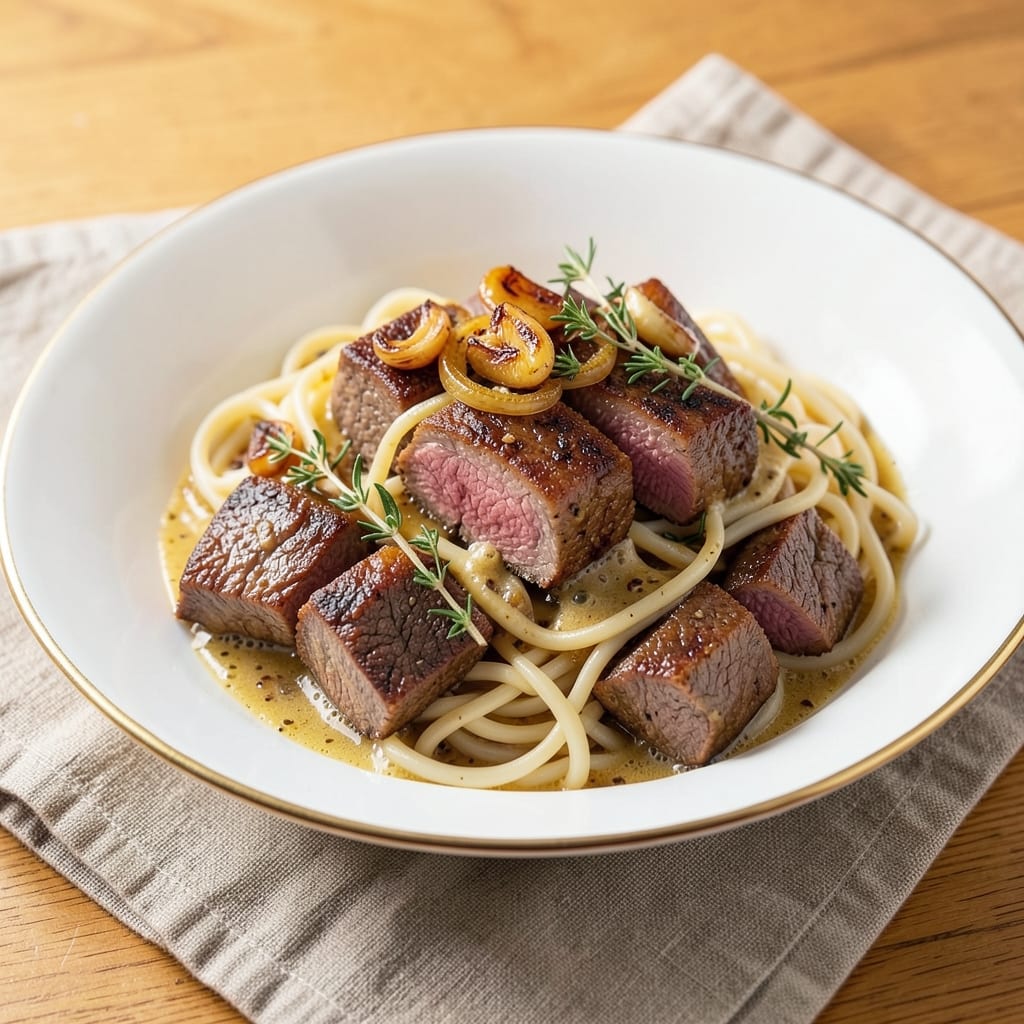
This beef and butter noodles recipe delivers restaurant-quality comfort in under 30 minutes, where tender beef and rich, velvety butter sauce transform simple noodles into a hearty meal. The secret lies in searing the beef to perfection and building layers of flavor through a foolproof butter sauce that clings to every strand. I developed this dish after years of perfecting the balance between savory beef and creamy butter—no heavy cream needed, just pure, luxurious richness.
What sets this recipe apart is the technique: high-heat searing creates a caramelized crust on the beef while keeping the interior juicy, and the butter sauce is built gradually to prevent separation. You'll start with just a few simple ingredients—beef, noodles, butter, and aromatics—but the result is a dish that feels indulgent yet remains approachable for weeknight dinners. The sauce is silky, not greasy, and coats the noodles evenly, ensuring every bite is packed with flavor.
The best part? This recipe is endlessly adaptable. Keep it classic with a simple garlic butter finish, or elevate it with a splash of soy sauce and sesame oil for an Asian-inspired twist. The beef stays tender, the noodles absorb the sauce perfectly, and the butter adds a luxurious finish that makes this dish feel like a special occasion—even on a busy Tuesday night. Ready to transform basic ingredients into a standout meal?
Whether you're serving a family dinner or meal prepping for the week, this beef and butter noodles recipe delivers restaurant-quality results with minimal effort. The key is patience in the searing and sauce-building stages, but once you master those steps, you'll have a go-to dish that's always a hit. Let's get started on creating that perfect buttery, beefy bite.
Ingredients for beef and butter noodles
Restaurant-quality richness starts with these 12 simple yet transformative ingredients.
| Ingredient | Amount | Notes |
|---|---|---|
| Beef Chuck Roast 🥩 | 1 ½ lb | Pre-cubed or cut into 1-inch pieces |
| Unsalted Butter 🧈 | ¾ cup | Cold, cut into 1-inch pieces |
| Egg Noodles 🍜 | 12 oz | Fresh or dried, medium width |
| Garlic Cloves 🧄 | 4 cloves | Minced, fresh preferred |
| Yellow Onion 🧅 | 1 whole | Diced, medium size |
| Fresh Thyme 🌿 | ¼ cup | Leaves only, chopped |
| Kosher Salt 🧂 | 1 ½ tsp | Diamond Crystal preferred |
| Ground Black Pepper 🌶️ | ½ tsp | Freshly cracked |
| Vegetable Oil 🫒 | 2 tbsp | High smoke point |
| Beef Broth 💧 | 1 cup | Low-sodium preferred |
| Dry Sherry 🍷 | ½ cup | Or substitute with beef broth |
| Fresh Parsley 🌿 | ⅛ cup | Chopped, for garnish |
The beef is non-negotiable—chuck roast delivers that melt-in-your-mouth texture when cubed and seared properly. Costco or Whole Foods carry pre-cubed versions, but if you're cutting your own, aim for 1-inch pieces—they'll cook evenly. The butter matters just as much: unsalted gives you full control over seasoning, and cold cubes prevent the sauce from breaking. Fresh thyme and parsley add aromatic depth, but dried thyme at one-third the amount works in a pinch. Pro tip: Look for organic beef if you're concerned about marbling—it's worth the extra dollar for this dish.
No sherry? Beef broth works perfectly—just reduce it slightly before adding. The garlic and onion are flavor anchors, so don't skimp on freshness. If you're short on time, frozen chopped onions (thawed and drained) get the job done without sacrificing flavor. For the noodles, fresh egg noodles absorb the sauce better, but dried fettuccine is a solid backup. The vegetable oil is just for searing—the butter handles all the sauce-building magic. And if you're feeling adventurous, swap the sherry for a splash of soy sauce and sesame oil for an Asian-inspired twist (just reduce the broth by half).
This sauce is best made fresh, but it reheats beautifully—just add a splash of water or broth to prevent drying out. Store leftovers in an airtight container for up to 4 days in the fridge, or freeze for 3 months. I always double the sauce and freeze half in ice cube trays—perfect for quick weeknight dinners. The beef stays juicy when reheated if you cover it tightly, and the noodles? Toss them with a little extra butter and broth to revive that silky texture. Garnish with parsley right before serving—it keeps the dish looking restaurant-worthy.
Why You'll Love This Recipe
- One-Pot Wonder: I swear by this recipe because the beef and noodles cook together—no fussing with separate pans or timers. Just brown the chuck roast, toss in everything, and let it simmer. My counter stays clean, and my stress level drops.
- Rich, Buttery Magic: That slow-cooked beef falling off the bone, swimming in a sauce thickened with butter and caramelized onions? It’s the kind of dish that makes you pause mid-bite. The garlic hits just right—fragrant but not overpowering—while the butter keeps every strand of noodle velvety.
- Leftovers That Shine: Honestly, I make this on Sundays because the leftovers are even better the next day. The flavors meld overnight, and reheating it? Just a splash of water, a quick stir. My kids beg for it at school lunches—no one complains about the simplicity.
- Budget-Friendly Feast: A chuck roast stretches farther than you’d think, and egg noodles are cheap but satisfying. I feed four people hearty portions for under $15, and somehow, it still feels like a restaurant meal. (Yes, even on a Tuesday night.)
Step-by-step instructions for beef and butter noodles
Here's how to create a rich, velvety sauce that clings perfectly to every noodle strand.
Brown the Beef Chuck Roast
Heat the 2 tablespoons vegetable oil in a large Dutch oven over medium-high heat until shimmering. Add the 1.5 lb beef chuck roast cut into 1-inch pieces, working in batches if needed to avoid crowding. Let the beef brown undisturbed for 3-4 minutes per side until deeply golden and developing a crust.
This initial browning creates the Maillard reaction that forms the foundation of your sauce's deep flavor. Stir occasionally to ensure even browning, but resist the urge to move the pieces too frequently. You'll know it's ready when the beef releases easily from the pan and has a rich caramelized color. Remove the beef and set aside on a plate.
Build the Butter Sauce Base
Reduce the heat to medium and add the 1 whole yellow onion and 4 cloves garlic cloves to the Dutch oven. Cook for 5-6 minutes until the onion softens and becomes translucent. Add the 0.25 cup fresh thyme and cook for another 30 seconds to release its aromatic oils.
Push the vegetables to one side of the pan and add the 0.75 cup cold unsalted butter cut into 1-inch pieces. Let it melt slowly, whisking constantly to create a smooth, emulsified butter sauce. This step is crucial—don't rush it. The butter should foam and then settle into a glossy, golden sauce that coats the back of a spoon.
Deglaze and Simmer the Sauce
Pour in the 0.5 cup dry sherry and scrape up all the browned bits from the bottom of the pan with a wooden spoon. This deglazing step captures all the flavor you've built. Let the sherry simmer for 3-4 minutes until it reduces by half and the alcohol smell dissipates.
Add the 1 cup beef broth and bring to a gentle simmer. Return the beef to the pot along with any accumulated juices. Partially cover and let it simmer for 1 hour until the beef is fork-tender. The sauce should thicken slightly as it reduces, creating a luxurious consistency that will coat your noodles perfectly.
Cook and Combine the Noodles
While the beef simmers, cook the 12 oz egg noodles according to package directions in salted boiling water until al dente. Reserve 1 cup of the pasta water before draining. Add the drained noodles to the beef mixture and toss gently to coat with the sauce.
If the sauce appears too thick, add pasta water 1 tablespoon at a time until it reaches a silky consistency that clings to the noodles. The goal is to create a sauce that coats each noodle strand completely without being watery. Taste and adjust seasoning with 1.5 tsp kosher salt and 0.5 tsp ground black pepper as needed.
Finish and Serve
Remove from heat and let the dish rest for 5 minutes to allow the flavors to meld. Stir in the 0.125 cup fresh parsley just before serving. The parsley adds a bright contrast to the rich, buttery sauce and beef.
Serve immediately, ensuring each serving gets an ample portion of beef and sauce. The noodles should be perfectly coated in the velvety butter sauce with tender beef pieces throughout. The dish should be warm and inviting, with each bite delivering a perfect balance of rich beef flavor and creamy butter sauce.
Pro Tips For Making Beef And Butter Noodles
- Sear the Chuck Roast First: I learned this the hard way—skipping the sear means flavorless beef. Pat the chuck roast bone-dry with paper towels, then hit it with high heat in a cold pan for 3-4 minutes per side until deep brown. That crust locks in juices and makes the butter sauce taste like it belongs in a fancy restaurant.
- Slice the Onion Thinly: Sounds basic, but I used to chop onions like I was prepping for a stew. For this dish, you want paper-thin slices—almost translucent—so they melt into the butter instead of sitting as chewy chunks. Use a sharp knife and rock it gently over the cutting board like you’re slicing sushi.
- Don’t Overcook the Noodles: Egg noodles go from perfect to gluey fast. Start them in salted boiling water, but pull them when they’re just al dente—about 2 minutes before package instructions. They’ll finish cooking in the beef’s residual heat, and you’ll avoid that sad, mushy texture.
- Use Cold Butter for Finishing: Here’s the weird but crucial part: take the pan off heat before adding the butter. Cold butter emulsifies better into the beef juices, creating a silky sauce instead of a greasy mess. Stir in 2-3 tablespoons at the end, and let the residual heat melt it slowly—no splattering, no stress.
Common mistakes when making this dish
Overcrowding the Pan
One of the most common mistakes is adding too much beef to the pan at once. When you crowd the pan, the beef steams instead of searing, leading to pale, flavorless pieces. I've learned this the hard way—my first attempt resulted in beef that tasted more like boiled meat than caramelized perfection. Work in batches of 1-inch beef cubes to ensure each piece gets that golden crust. 🔥
Skipping the Resting Time
After cooking the beef, many people rush to combine everything immediately. But letting the beef rest for 10 minutes before adding it back to the sauce prevents it from overcooking and losing its juices. I now make it a point to set the beef aside while I build the sauce—it makes all the difference in tenderness. The sauce continues cooking while the beef rests, and when they come back together, it's pure harmony.
Using Salted Butter
This is a rookie mistake that can throw off your seasoning. Salted butter contains hidden sodium that can make your dish taste bland or overly salty. Stick with unsalted butter and control the seasoning yourself. I always keep a small bowl of Diamond Crystal kosher salt nearby to adjust to taste—it's the secret to balancing flavors perfectly.
Not Deglazing Properly
Many people pour in the sherry or broth without scraping up all those delicious browned bits from the bottom of the pan. Those bits are flavor gold! Use a wooden spoon to scrape every last bit—this is called deglazing, and it's what transforms a good sauce into a great one. I've seen people miss this step and wonder why their sauce tastes flat. Don't be one of them! 💡
Adding Noodles Too Early
Some people add the noodles to the beef mixture while it's still simmering at a high heat. This can turn your perfect sauce into a mushy mess. Noodles should be cooked separately and added just before serving, or at the very end of the cooking process. I always cook the noodles al dente and add them to the beef just to warm through—this keeps them firm and ensures they absorb the sauce beautifully.
Ignoring Pasta Water
If your sauce looks too thick after adding the noodles, don't panic—just add a splash of the reserved pasta water. This magical liquid contains starch that helps emulsify the sauce, making it silky and clingy. I keep a cup of pasta water on hand whenever I cook noodles, and it's become my secret weapon for perfect sauce consistency. Start with 1 tablespoon at a time and adjust as needed.
Nutrition facts
Frequently asked questions
Can I substitute ground beef for chuck roast in this recipe?
Ground beef works beautifully for a quicker version. Use 1 lb of lean ground beef (85/15 blend) and brown it thoroughly over medium-high heat for 5-6 minutes until fully cooked. The texture will be different—more tender than chuck—but the rich butter sauce will still shine. Just be sure to drain excess fat before building the sauce to avoid a greasy result.
How do I make this recipe without alcohol (no sherry)?
No problem! Replace the 0.5 cup dry sherry with an equal amount of beef broth or apple cider vinegar. For depth of flavor, add 1 teaspoon soy sauce or a pinch of Worcestershire sauce along with the broth. The vinegar adds brightness, while the soy sauce enhances umami—both work perfectly in this buttery sauce.
Can I make this dish ahead of time for meal prep?
Yes, but with a few adjustments. Cook the beef and sauce completely, then let it cool. Store in an airtight container for up to 4 days in the fridge. When reheating, add 2-3 tablespoons of water or broth to prevent drying out. Cook the noodles fresh and toss them with the reheated beef mixture just before serving—this keeps them al dente and prevents mushiness.
What's the best way to add extra flavor without heavy cream?
Try these simple upgrades: Add 1 tablespoon of Dijon mustard when building the sauce for tang, or stir in 2 tablespoons of grated Parmesan cheese at the end for umami. For an Asian twist, swap the sherry for 2 tablespoons soy sauce + 1 teaspoon sesame oil and add 1 teaspoon grated ginger with the garlic. The butter sauce stays rich without needing cream!
Why did my sauce separate when I added the noodles?
This usually happens when the sauce cools too quickly or when cold noodles are added to a hot sauce. To fix it, whisk in 1 tablespoon of cold butter or 1 tablespoon of pasta water while stirring vigorously. For prevention, keep the sauce at a gentle simmer until the very end, and add the noodles when both are piping hot. The starch in the pasta water helps re-emulsify the sauce naturally.