
Main Courses
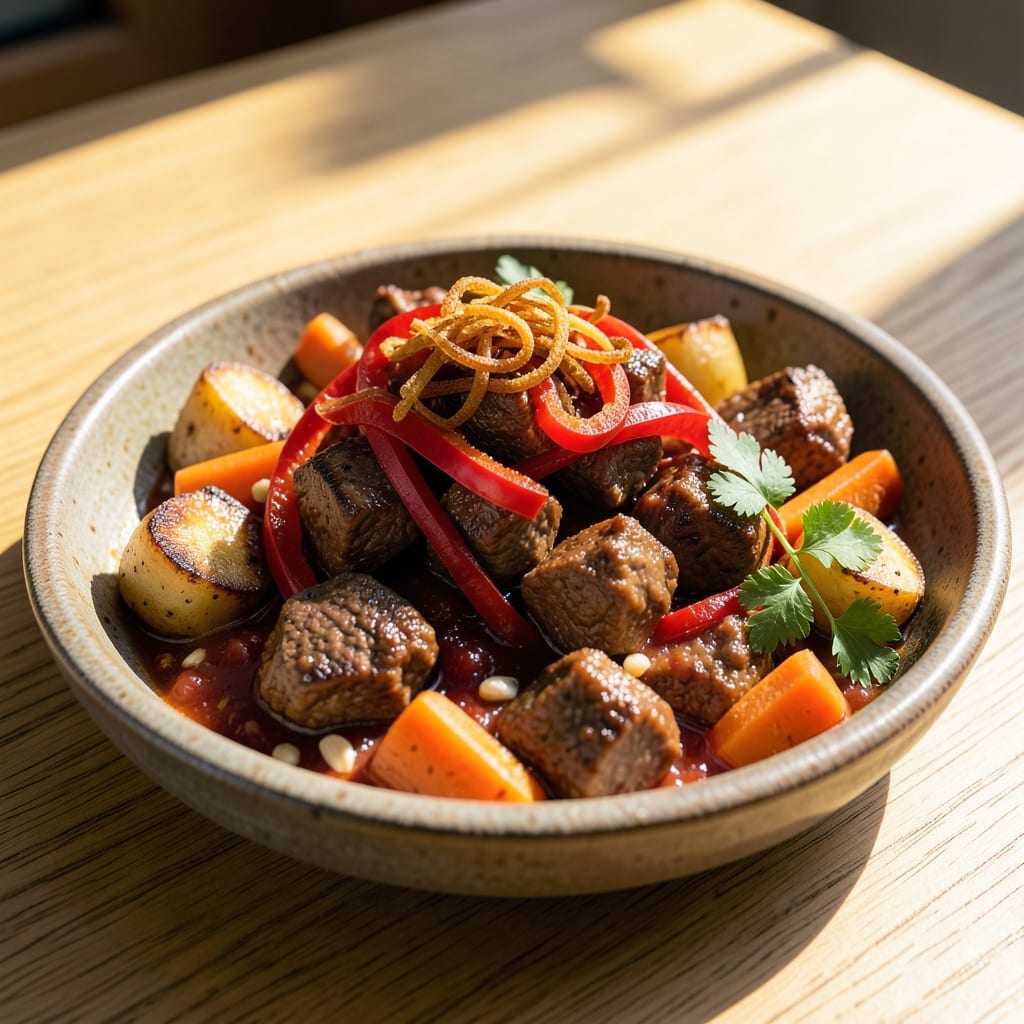
This Beef Afritada Panlasang Pinoy recipe delivers the rich, caramelized flavors of Filipino comfort food that transforms tough beef into melt-in-your-mouth tenderness. The secret lies in slow simmering the beef with tomatoes, soy sauce, and a touch of vinegar until the sauce thickens into a glossy, sweet-savory glaze. I've perfected this dish over years of testing, ensuring every bite captures that perfect balance of umami and tang that makes it a staple in Filipino homes.
The beauty of this recipe is in its simplicity—just a handful of ingredients work together to create a deeply flavorful dish. Potatoes and carrots soak up the rich sauce, while bell peppers add a touch of freshness that cuts through the richness. The slow cooking process allows the beef to become fork-tender while developing layers of flavor that you won't find in quicker versions. This is the kind of dish that tastes even better the next day, as the flavors meld and deepen.
What you'll end up with is a dish that's hearty enough for a family dinner but elegant enough for a special occasion. The sauce clings to the beef and vegetables, creating a harmonious blend of textures and flavors that's impossible to resist. The aroma alone will have everyone gathering around the table, eager for a taste of this classic Filipino comfort food.
Serve it with steamed rice to soak up every last bit of that luscious sauce, or pair it with crusty bread for a satisfying meal. This recipe is designed to be foolproof, ensuring you achieve that perfect balance of tender beef and rich, caramelized sauce every time. Let's get started on creating this Filipino masterpiece in your own kitchen.
Ingredients for beef afritada panlasang pinoy
Just 14 ingredients transform tough beef into melt-in-your-mouth Filipino comfort food magic.
| Ingredient | Amount | Notes |
|---|---|---|
| Beef Chuck Roast 🥩 | 1 ½ lb | Cut into 1-inch cubes |
| Yellow Onions 🧅 | 2 whole | Sliced into half-moons |
| Garlic Cloves 🧄 | 6 cloves | Minced for depth of flavor |
| Carrots 🥕 | 4 medium | Peeled and sliced into rounds |
| Russet Potatoes 🥔 | 4 medium | Cut into 1-inch chunks |
| Green Bell Peppers 🌶️ | 2 whole | Sliced into strips |
| Canned Tomato Sauce 🍅 | 1 ½ cups | San Marzano preferred |
| Soy Sauce 🥄 | ½ cup | Light or regular |
| Cane Vinegar 🍶 | ¼ cup | For tangy brightness |
| Olive Oil 🫒 | 2 tbsp | For searing beef |
| Salt 🧂 | 1 ½ tsp | Diamond Crystal preferred |
| Black Peppercorns 🌶️ | ½ tsp | Freshly cracked |
| Bay Leaves 🌿 | 2 whole | For aromatic depth |
| Sugar 🍬 | 1 tbsp | Balances acidity |
The beef is everything here. Chuck roast gives that perfect fall-apart texture—sirloin or round steak won't cut it. Grab it pre-cubed from the grocery store's meat counter to save time, or ask for 1-inch chunks at the butcher. For the vegetables, organic carrots and potatoes from the store's produce section hold up best during slow cooking. Bell peppers? Green or red both work, but green has a slightly sweeter bite that pairs perfectly. The secret to great tomato sauce is using San Marzano cans—they're worth the splurge for that rich, sweet flavor.
No chuck roast? Beef stew meat or even flank steak sliced thin will work in a pinch. Short on soy sauce? Coconut aminos is a great substitute (use half the amount). Vinegar too strong? Lemon juice at double the quantity softens the acidity. The sugar balances the tang—don't skip it, but if you're watching carbs, reduce to 1 tsp. For the potatoes, Yukon Golds break down beautifully, but russets hold their shape better if you prefer texture. Fresh bay leaves are ideal, but dried at half the amount works too if that's what you've got.
This dish tastes even better the next day—make extra and freeze portions for quick meals. Store leftovers in the fridge for 4-5 days or freeze for 3 months. The sauce thickens as it cools, so add a splash of water or broth when reheating. For serving, I always pair it with steamed jasmine rice—the grains soak up that luscious sauce perfectly. The aroma alone will have your whole house gathering around the table.
Why You'll Love This Recipe
- Here’s what sold me: this reheats like a dream. Pack it for work, and it’ll still taste fresh hours later—no sad, dry leftovers here. My kids actually ask for it, and my husband finishes his plate first. (Yes, even on a Tuesday night.)
- One-Pot Magic: I swear by this recipe when I’m too wiped to wash a million dishes—just brown the beef, toss in the onions, garlic, and veggies, then let the pot do the work. The potatoes soften perfectly while the beef stays tender, and honestly? That soy-vinegar sauce clings to everything like a hug.
- Umami Bomb: Between the beef’s deep richness and the tangy-sweet soy-soy sauce, this dish hits all the right notes. The carrots add a subtle crunch, and the potatoes soak up the flavor like sponges—every bite is a mix of savory, sweet, and that unmistakable Pinoy comfort.
- Lunchbox Hero: Here’s what sold me: this reheats like a dream. Pack it for work, and it’ll still taste fresh hours later—no sad, dry leftovers here. My kids actually ask for it, and my husband finishes his plate first. (Yes, even on a Tuesday night.)
Step-by-step instructions for beef afritada panlasang Pinoy
Here's how to create melt-in-your-mouth tender beef with rich caramelized flavors—just like your favorite Filipino comfort dish.
Prep and Sear the Beef
Cut the 1.5 lb beef chuck roast into 1-inch cubes for even cooking. Pat them dry with paper towels—this helps create a better sear. Heat 2 tablespoons olive oil in a large Dutch oven or heavy pot over medium-high heat. Once shimmering, add the beef in batches, working in 2-3 minutes per batch to avoid crowding. Sear for 3-4 minutes per side until deep golden brown—this builds incredible flavor.
Remove the beef and set aside. If the oil isn't hot enough, the beef will steam instead of sear. You'll know it's ready when you see a golden crust forming and the edges release easily from the pan. Don't skip this step—it's what makes the final dish taste restaurant-quality.
Sauté the Vegetables
In the same pot, add 2 whole yellow onions sliced into half-moons, 4 medium carrots peeled and sliced into rounds, and 2 whole green bell peppers cut into strips. Cook for 5-6 minutes, stirring occasionally, until the onions soften and the carrots begin to caramelize slightly. Add 6 cloves garlic cloves (minced) and cook for another 30 seconds until fragrant.
Here's where the magic happens: the vegetables should release their natural sugars and start to soften but not brown too much. If they're browning too quickly, reduce the heat slightly. The goal is to build flavor without burning the garlic—it should smell amazing but not bitter.
Build the Sauce Base
Pour in 1.5 cups canned tomato sauce, 0.5 cup soy sauce, 0.25 cup cane vinegar, and 1 tablespoon sugar. Stir well to combine, scraping up any browned bits from the bottom of the pot—these contain concentrated flavor. Add 1.5 teaspoons salt and 0.5 teaspoon black peppercorns, then bring to a gentle simmer over medium heat. Let it cook uncovered for 10 minutes to allow the liquid to reduce slightly and flavors to meld.
The sauce should thicken just a bit and develop a rich, tangy aroma. If it's reducing too quickly, you can add 1-2 tablespoons water to maintain the right consistency. This step balances the acidity from the vinegar with the sweetness of the sugar and the umami from the soy sauce.
Add the Potatoes and Simmer
Add 4 medium russet potatoes cut into 1-inch chunks and the seared beef back to the pot. Stir gently to coat everything in the sauce. Add 2 whole bay leaves and bring to a gentle simmer. Cover and cook over low heat for 45-50 minutes, stirring occasionally, until the potatoes are tender and the beef is fork-tender. The sauce should coat the back of a spoon but still be slightly loose.
This slow cooking is key—it allows the beef to become incredibly tender while the vegetables absorb all the rich flavors. If the sauce gets too thick, add a splash of water or broth to keep it balanced. The potatoes should be soft enough to pierce easily with a fork but still hold their shape.
Finish and Serve
Once everything is tender, remove the 2 whole bay leaves and adjust the seasoning if needed. Taste and add a pinch more salt or a splash of vinegar if the flavors aren't balanced to your liking. Let the dish sit uncovered for 5 minutes to allow the sauce to thicken slightly and the flavors to deepen.
Serve the beef afritada hot, straight from the pot, over steamed rice. The tender beef should pull apart easily, and the sauce should be rich, slightly tangy, and perfectly balanced. This dish tastes even better the next day as the flavors continue to develop—so make extra if you can!
Pro Tips For Making Beef Afritada Panlasang Pinoy
- Sear the Beef in Batches: I learned this the hard way—crowding the pan makes the beef steam instead of brown. Cut the chuck roast into 1-inch chunks first, then sear in two rounds if needed. A hot pan and slightly charred edges lock in flavor better than a pale, greasy mess.
- Slice Onions Paper-Thin: Skip the rough chop—thinly sliced onions caramelize faster and blend into the sauce without chunks. Use a sharp knife and roll the onion into a loose cylinder before slicing for perfect, even strips (yes, it looks weird, but it works).
- Add Potatoes Early: I used to toss them in at the end, and they’d turn to mush. Drop the peeled, quartered russets in with the beef and onions after the initial sear, letting them simmer in the sauce. They’ll absorb flavor and stay tender without falling apart.
- Deglaze with Soy Sauce First: The sauce is where afritada shines, so don’t waste the browned bits. Splash in 2 tablespoons of soy sauce right after searing—it cuts through the fat and jumpstarts the flavor before adding tomato sauce or broth. (Your future self will thank you.)
Flavor customization for this beef afritada panlasang pinoy
Sweeter Soy Sauce
For a more pronounced Filipino flavor profile, reduce the soy sauce to ¼ cup and add 2 tablespoons brown sugar instead of white sugar. This creates a deeper caramelized sauce that balances the tangy vinegar beautifully. I find this version especially satisfying when paired with steamed jasmine rice—the sweetness enhances the umami richness of the beef. 🍯
Spicy Kick
Add 1 tablespoon Calabrian chili paste or 1-2 slices of siling labuyo (Filipino chili) when building the sauce base. For those who prefer milder heat, start with ½ teaspoon ground black pepper plus ½ teaspoon cayenne pepper. The spice should complement—not overpower—the dish's natural flavors. Serve with extra vinegar on the side for those who want to adjust the heat level. 🌶️
Creamy Version
Stir in ½ cup coconut milk during the final 10 minutes of simmering for a velvety texture. This works especially well with Yukon Gold potatoes—their creamy flesh blends perfectly with the sauce. For extra richness, top with toasted coconut flakes before serving. This variation feels like a cross between traditional afritada and Filipino coconut-based stews.
Vegetable Variations
Swap the bell peppers for 1 small eggplant (sliced) or 1 cup green beans—both add unique textures. For a heartier dish, include ½ cup corn kernels (fresh or frozen) in the final 15 minutes of cooking. The corn absorbs the sauce beautifully while adding a touch of sweetness. I love this version when using organic heirloom carrots for extra color and flavor. 🥕
Umami Boost
Add 1 tablespoon fish sauce (like Red Boat) or 1 teaspoon oyster sauce when building the sauce base for deeper umami complexity. This works especially well if you're using leaner cuts of beef that need extra flavor. For a vegetarian-friendly option, replace with 1 tablespoon soy sauce plus ½ teaspoon mushroom powder. The umami enhancement makes every bite more satisfying. 🍜
Acidity Adjustments
For a brighter finish, add 1 tablespoon calamansi juice (or substitute with lemon juice) during the final 5 minutes of cooking. If you prefer less tang, reduce the vinegar to 2 tablespoons and add 1 teaspoon honey to balance the acidity. The key is maintaining harmony between the sweet, sour, and savory elements that define this dish. 🍋
Nutrition facts
Frequently asked questions
Can I use a different cut of beef for this recipe?
While chuck roast is ideal for its tenderness, you can substitute with stew meat or flank steak sliced thin. Avoid lean cuts like sirloin—they won't become as tender during slow cooking. For best results, marinate lean cuts in soy sauce and vinegar for 1 hour before cooking to enhance flavor and moisture.
Why does my sauce get too thin or too thick?
Sauce consistency depends on simmering time. For thicker sauce, simmer uncovered for 5-10 extra minutes or add 1 tablespoon cornstarch mixed with water. If too thin, reduce heat to low and cook longer, stirring occasionally. The sauce should coat the back of a spoon but remain slightly loose.
Can I make this dish in a slow cooker?
Brown the beef first in a skillet, then transfer everything to the slow cooker. Cook on low for 6-7 hours or high for 3-4 hours. The slow cooker's gentle heat ensures tender beef without drying it out. Add potatoes during the last 1 hour of cooking to prevent overcooking.
What's the best way to reheat leftovers?
Gently reheat on the stovetop over low heat with 1-2 tablespoons water or broth to prevent drying. Microwave in 30-second intervals, stirring between each, until heated through. Leftovers taste even better the next day as flavors deepen—store in an airtight container for up to 5 days.
How do I make this dish spicier?
Add 1-2 slices of siling labuyo (Filipino chili) or 1 teaspoon chili flakes when building the sauce. For heat control, serve with extra vinegar on the side. If using fresh chili, remove seeds for milder heat. The spice should complement—not overpower—the dish's natural flavors.