
Main Courses
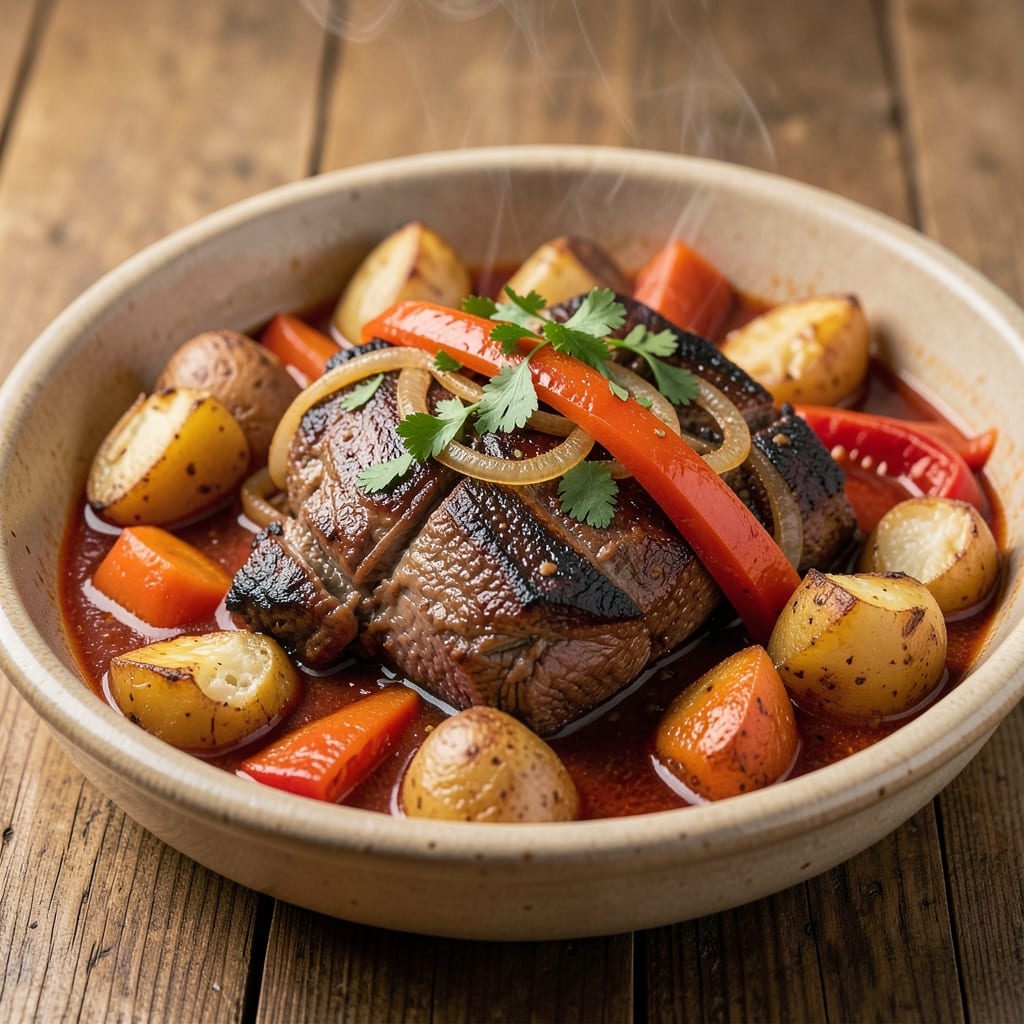
This beef afritada Pinoy recipe brings the heart of Filipino home cooking to your table with its rich, caramelized tomato sauce and tender beef. The dish transforms simple ingredients like potatoes, carrots, and bell peppers into a deeply flavorful meal that pairs perfectly with steamed rice. What makes this recipe special is the slow-cooked tomato base, which develops a natural sweetness and depth that’s hard to replicate with shortcuts.
The secret lies in the technique: simmering the beef and vegetables in a thick tomato sauce until the flavors meld together. This method ensures the beef stays tender while absorbing all the savory, slightly sweet notes from the sauce. The potatoes and carrots soften just enough to soak up the rich flavors, creating a dish that’s both comforting and satisfying. It’s the kind of meal that feels like a warm embrace—familiar, hearty, and full of love.
By the time you’re done, you’ll have a dish that’s packed with layers of flavor—juicy beef, tender vegetables, and a sauce that’s thick enough to coat every bite. The aroma alone will have everyone at the table asking for seconds. This recipe is perfect for family gatherings, special occasions, or even a cozy weeknight dinner when you want something that feels truly special.
Serve it with steamed rice to soak up every last drop of that delicious sauce. The combination is classic Filipino comfort food at its finest—simple yet unforgettable. Let’s get cooking!
Ingredients for beef afritada pinoy
Simple ingredients, slow-cooked magic—Filipino comfort food at its finest.
| Ingredient | Amount | Notes |
|---|---|---|
| Beef Chuck Roast 🥩 | 1 ½ lb | Cut into 1-inch cubes |
| Russet Potatoes 🥔 | 2 lb | Peeled and cut into chunks |
| Carrots 🥕 | 1 lb | Peeled and cut into rounds |
| Yellow Bell Peppers 🌶️ | 2 whole | Sliced into strips |
| Canned Tomato Sauce 🍅 | 28 oz | San Marzano preferred |
| Onion 🧅 | 1 whole | Yellow, diced |
| Garlic Cloves 🧄 | 6 cloves | Minced |
| Olive Oil 🫒 | ½ cup | Extra-virgin for richness |
| Soy Sauce 🍶 | 2 tbsp | Regular or light |
| Black Peppercorns 🌶️ | 1 tsp | Freshly ground |
| Bay Leaves 🍃 | 2 whole | Dried |
| Salt 🧂 | 1 ½ tsp | Kosher or sea salt |
| White Vinegar 💧 | 1 tbsp | For brightness |
The beef is key here—chuck roast delivers that melt-in-your-mouth texture when cooked low and slow. Look for well-marbled cuts at your local butcher shop or the meat department at Whole Foods or Trader Joe's. If you can't find chuck, sirloin or round steak work in a pinch, but they'll be slightly tougher. The potatoes and carrots should be firm and free of soft spots—Russets for potatoes and bright orange carrots are your best bets. For the tomato sauce, San Marzano cans are worth the splurge—they're sweeter and less acidic, which lets the natural caramelization shine through. If you're short on time, store-brand crushed tomatoes work fine, but add a pinch of sugar to balance the acidity.
No San Marzano tomatoes? Crushed tomatoes in a 28-ounce can will do, just add 1 tsp sugar to mimic the natural sweetness. Running low on soy sauce? Coconut aminos or Worcestershire sauce (check for anchovies if vegetarian) work in a bind. The white vinegar might seem odd, but it's essential—apple cider vinegar is a great substitute if you prefer. For the peppers, red or green bell peppers swap one-for-one, but yellow gives that classic Filipino touch. The bay leaves? Dried is fine, but fresh adds a subtle floral note if you're feeling fancy. Pro tip: Toast the garlic in the olive oil for 30 seconds before adding it to the pot—this deepens the flavor without overpowering.
This dish tastes even better the next day as the flavors meld. Store leftovers in an airtight container in the fridge for up to 5 days, or freeze portions for 3 months. The sauce thickens as it cools, so a splash of water or broth brings it back to perfect consistency when reheating. For meal prep, double the recipe and freeze half—individual portions reheat beautifully straight from frozen. The rice? Cook a big batch while the afritada simmers—it’ll be ready just as you finish plating. Trust me, the aroma alone will have everyone rushing to the table.
Why You'll Love This Recipe
- One-Pot Magic: I swear by this—just dump everything in one pot, let it simmer, and walk away. The beef chuck roast practically melts into tender perfection while the potatoes and carrots soak up that rich tomato sauce without any extra fuss.
- Sauce That Sticks: That canned tomato sauce isn’t just a base—it’s the star. The moment the beef releases its juices into the simmering mix, the sauce thickens into a glossy, slightly sweet, umami-packed blanket. Honestly, I’ve tried fancy reductions, but this? It’s foolproof and ridiculously flavorful.
- Leftovers That Win: This dish tastes even better the next day—yes, really. The flavors meld overnight, and the beef gets even more fork-tender. I make a double batch on Sundays just to have it for lazy weeknight dinners or packed lunches. (My coworkers still ask where I get my "gourmet" leftovers.)
- Budget Meal, Big Impact: Beef chuck roast is affordable, and the veggies stretch the filling factor without skimping on taste. Between us, I’ve fed six people for under $20 with this recipe—and no one complains about the portions. It’s the kind of meal that makes you look like a hero, even on a tight budget.
Step-by-step instructions for beef afritada Pinoy recipe
Master this Filipino classic with rich slow-cooked flavors and tender beef every time.
Sear the Beef Chuck Roast
Heat the 0.5 cup olive oil in a large Dutch oven over medium-high heat until shimmering. Add the 1.5 lb beef chuck roast cut into 1-inch cubes and sear undisturbed for 3-4 minutes until deeply browned on all sides. This step develops the deep, caramelized flavor that forms the base of the dish.
Real talk: Don't overcrowd the pot. Work in batches if needed, but searing properly ensures maximum flavor. Once browned, remove the beef and set aside temporarily. You'll notice the oil will darken slightly—this is the Maillard reaction at work, creating complex flavors that infuse the entire dish.
Sauté Vegetables and Aromatics
In the same Dutch oven, add the 1 whole onion (diced) and 1 lb carrots (cut into rounds). Cook for 5 minutes until the onions soften and begin to caramelize. Add the 6 cloves garlic cloves (minced) and 2 whole yellow bell peppers (sliced into strips), cooking for another 3-4 minutes until the peppers soften slightly.
This layered cooking technique builds flavor progressively. The onions should turn golden brown before adding the garlic—this ensures sweetness rather than bitterness. If you notice the garlic starts to brown too quickly, reduce heat slightly to medium to prevent burning. The peppers will soften but retain their shape, adding texture to the final dish.
Build the Tomato Base
Pour in the 28 oz canned tomato sauce, 2 tbsp soy sauce, 1 tbsp white vinegar, and 1.5 tsp salt. Stir well to combine, scraping up any browned bits from the bottom of the pot. Add the 2 lb russet potatoes (peeled and cut into chunks) and 2 whole bay leaves, then return the seared beef to the pot.
Bring the mixture to a gentle simmer over medium-low heat. Here's the thing—you want the liquid to bubble softly, not boil vigorously. Cover the pot and let it cook for 1 hour, stirring occasionally to prevent sticking. The potatoes should begin to soften and the sauce should thicken slightly as it reduces.
Slow-Cook for Tender Perfection
After the initial hour, uncover the pot and continue simmering for another 45-60 minutes until the beef is fork-tender and the sauce has thickened to a rich consistency. The potatoes should be easily pierced with a fork, and the carrots should be soft throughout. You'll know it's ready when the sauce coats the back of a spoon and the beef pulls apart easily with two forks.
I press down gently on the beef with a spoon during the last 15 minutes of cooking to help break down any remaining connective tissue. This ensures maximum tenderness. If the sauce becomes too thick before the beef is done, add 2-3 tablespoons of water to maintain moisture. The final dish should have a glossy, slightly thickened sauce that clings beautifully to the beef and vegetables.
Finish and Season
Once everything is tender, remove the bay leaves and adjust seasoning if needed. Add the 1 tsp black peppercorns (freshly ground) and give everything a final stir. Taste and add a pinch more salt if necessary—Filipino flavors often rely on a balance of sweet, sour, and savory, so don't be afraid to adjust to your preference.
Let the afritada rest for 10 minutes before serving. This resting period allows the flavors to meld completely and the juices to redistribute throughout the beef. Serve hot over steamed rice, and you'll have a restaurant-quality Filipino classic that's sure to impress.
Pro Tips For Making Beef Afritada Pinoy
- Brown the Beef First: I learned this the hard way—skipping the sear means you’ll end up with mushy beef instead of tender, flavorful chunks. Sear the chuck roast in small batches over medium-high heat until deep brown (about 3-4 minutes per side), then deglaze with a splash of soy sauce or calamansi juice. That crust locks in moisture and builds the sauce’s depth.
- Cut Potatoes Evenly: Uneven potato pieces mean some will turn to mush while others stay undercooked. Use a mandoline or sharp knife to slice russet potatoes into ½-inch chunks—no smaller, or they’ll disintegrate in the sauce. Soak them in cold water for 10 minutes first to remove excess starch, then drain well.
- Don’t Crowd the Peppers: After burning three batches of charred bell peppers, I finally figured out: cut them into 1-inch strips and spread them out in a single layer on the pan. Cook them for 5-6 minutes until slightly softened but still bright—overcrowding steams them instead of caramelizing.
- Simmer Low and Slow: High heat now means a watery sauce later. Once the beef, potatoes, and veggies are in the pot with tomato sauce, reduce heat to low and let it bubble gently for at least 45 minutes. The longer it simmers, the richer the flavors—just stir occasionally to prevent sticking. (Yes, even if you’re impatient like me.)
Essential equipment for perfect results
Dutch Oven Essentials
The Dutch oven is your secret weapon for this recipe, and I can't recommend one enough. Look for a 5-6 quart enameled cast iron like the Lodge 6-Quart Dutch Oven—it distributes heat evenly and retains moisture beautifully. The heavy-duty construction ensures your beef stays tender while the sauce caramelizes perfectly. If you're on a budget, the Le Creuset Stoneware Dutch Oven is a great alternative, though it's heavier. Avoid non-stick Dutch ovens—they can't handle the high heat needed for proper searing. 🔥
Knife Skills Matter
Invest in a sharp chef's knife (I use a Wüsthof 8-inch) and a cutting board to make prep efficient. The beef should be cut into 1-inch cubes for even cooking, while the potatoes and carrots need uniform chunks. A mandoline speeds up prep if you're making this for a crowd, but it's not essential. For the onions and garlic, a microplane creates finer textures that dissolve beautifully into the sauce. Sharp tools make chopping safer and more precise—never substitute dull knives! 💪
Measuring Tools
Precision matters when balancing flavors, so grab a stainless steel measuring cups set and a digital kitchen scale for accuracy. The 28 oz tomato sauce and 2 tbsp soy sauce need exact measurements—too much soy sauce can overpower the dish. A fine-mesh strainer helps remove excess liquid from canned tomatoes if you prefer a thicker base. For spices, a spice grinder ensures freshly ground black peppercorns add depth. I keep my tools within arm's reach while cooking to avoid interruptions. ✨
Heat Control Accessories
Controlled heat is key to tender beef, so a thermometer (like the Thermoworks Smoke) helps monitor the pot's temperature. Keep it between 325-350°F for slow cooking. A wooden spoon prevents scratching the Dutch oven while stirring, and a heat-resistant spatula helps lift delicate vegetables. For the stove, an induction burner gives precise temperature control, but gas works fine too—just watch the flame closely. Avoid sudden temperature spikes that can toughen the beef. 🌡️
Storage Solutions
Leftovers deserve proper storage. Use glass airtight containers (like Pyrex) to preserve flavors for up to 5 days in the fridge. For freezing, quart-sized freezer bags with labels save space and thaw faster than containers. A vacuum sealer extends freshness to 3 months, but even regular storage works if you squeeze out excess air. Label containers with the date to track freshness—trust me, you'll thank yourself later! ❄️
Nutrition facts
Frequently asked questions about beef afritada
Can I use a different cut of beef for this recipe?
While chuck roast is ideal for its marbling and tenderness, you can substitute with sirloin or round steak if needed. For tougher cuts like round, increase cooking time by 15-20 minutes and add 1 tbsp soy sauce to help tenderize. Avoid lean cuts like flank steak—they won't absorb enough sauce and may dry out.
What makes this sauce different from regular tomato sauce?
The secret lies in the slow reduction and natural caramelization. Unlike store-bought tomato sauce, this recipe simmers for 1.5-2 hours, allowing the sugars in the tomatoes to break down and create a deep, slightly sweet flavor. The addition of white vinegar and soy sauce balances acidity and adds umami depth that regular tomato sauce lacks.
Can I make this dish in a slow cooker?
Brown the beef first in a skillet, then transfer everything to a 6-quart slow cooker. Cook on low for 6-7 hours or high for 3-4 hours until the beef is tender. The slow cooker's gentle heat creates similar results, though you may need to add 2-3 tablespoons of water if the sauce becomes too thick. Stir occasionally to prevent sticking.
Why do my potatoes turn mushy?
Mushy potatoes usually mean they cooked too long or were cut too small. Use 1.5-inch chunks and check for doneness after 45 minutes of simmering. If the sauce is too watery, uncovered simmering will concentrate the flavors. For extra firmness, add potatoes 20 minutes before the beef is fully cooked, or remove them earlier and return them just before serving.
What's the best way to reheat leftovers?
Reheat gently in a skillet over low heat with 1-2 tablespoons of water or broth to restore moisture. Avoid microwaving—it can make the sauce watery. For best results, reheat just until steaming (5-7 minutes on low), then let it sit covered for 5 minutes to thicken. The flavors actually improve the next day as the sauce melds further!