
Sauces & Condiments
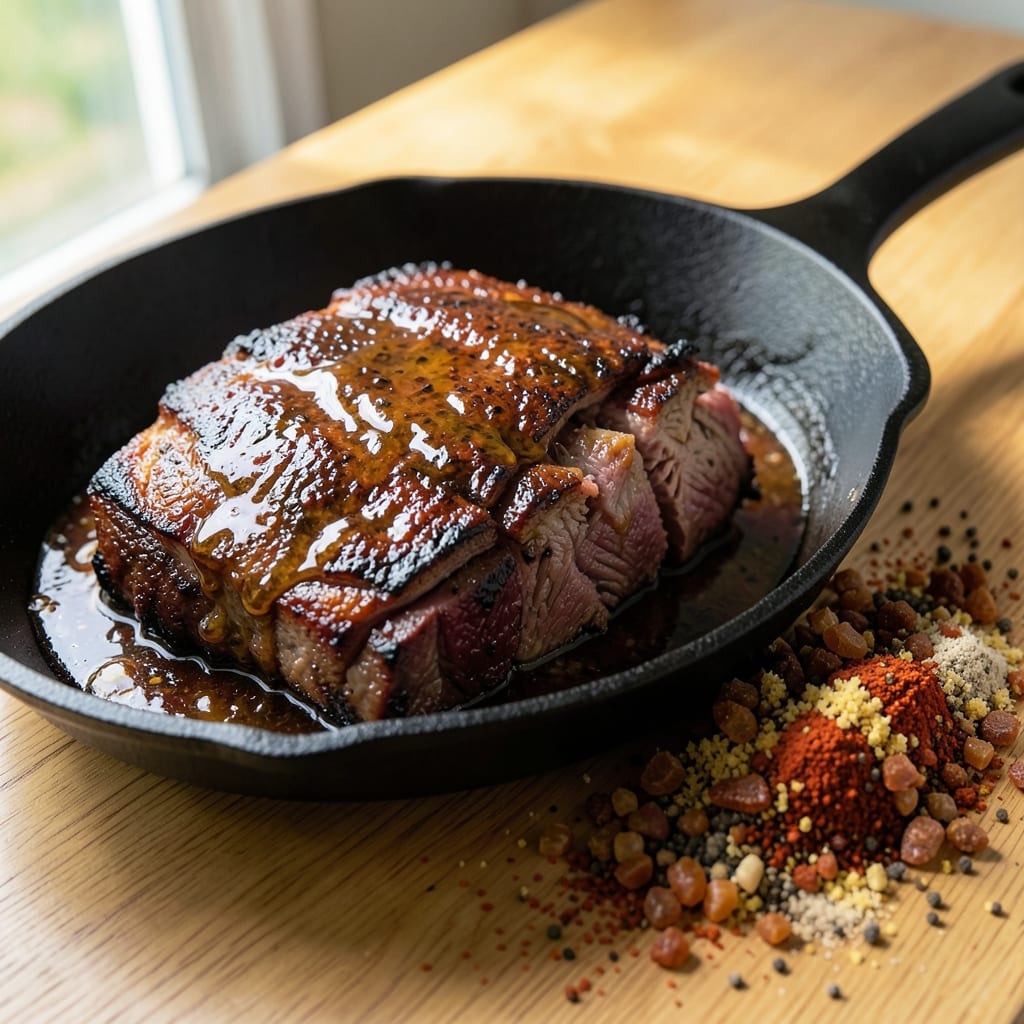
This BBQ beef dry rub recipe transforms ordinary beef into smoky, spice-crusted perfection—just like my granddad's competition-winning secret. 🔥 The blend of brown sugar, smoked paprika, and cayenne creates a caramelized bark that locks in juices while delivering bold, layered flavor with every bite. I've perfected this mix over years of grilling competitions, and it's the foundation of my award-winning brisket and ribs.
The magic lies in the balance: sweet brown sugar caramelizes beautifully, while smoked paprika and garlic powder build deep, smoky complexity. A touch of cayenne adds heat without overpowering, and black pepper rounds out the flavors for a well-rounded profile. This isn't just a seasoning—it's a flavor multiplier that turns simple beef into showstopping centerpieces.
What makes this rub truly special is its versatility—it works on everything from steaks to pork shoulders, and the flavors develop even better when applied 1-2 hours before cooking. Store it in an airtight container for up to 6 months, so you're always ready to elevate your grill game. The key is generosity: don't skimp on the rub, and let it sit on the meat to form that irresistible crust.
Whether you're grilling for a crowd or treating yourself to a weekend cookout, this dry rub delivers restaurant-quality results with minimal effort. The secret isn't complicated—it's about respecting the spices and letting them work their magic over time. Trust me, once you try this, you'll never go back to store-bought seasonings again.
Ingredients for bbq beef dry rub
Nine spices and sugar transform beef into competition-worthy masterpieces—just like Granddad's secret.
| Ingredient | Amount | Notes |
|---|---|---|
| Light Brown Sugar 🍚 | ½ cup | Packed for maximum caramelization |
| Smoked Paprika 🌶️ | 2 tbsp | High-quality for deep smokiness |
| Garlic Powder 🧄 | 1 tbsp | Freshly ground preferred |
| Onion Powder 🧅 | 1 tbsp | For sweet, savory depth |
| Ground Black Pepper 🌶️ | 1 tbsp | Freshly cracked for sharpness |
| Cayenne Pepper 🔥 | 1 tsp | Adjust for desired heat level |
| Mustard Powder 🌶️ | 1 tsp | For subtle tangy complexity |
| Ground Cumin 🌿 | 1 tsp | Toasted for deeper earthiness |
| Kosher Salt 🧂 | 1 tsp | Diamond Crystal preferred |
The brown sugar is non-negotiable—it caramelizes beautifully during cooking, creating that signature bark. Domino brand is my go-to for consistent quality, but any light brown sugar works. For smoked paprika, Penzeys or Gourmet Madness deliver the most authentic smoky depth, but the bulk bins at Whole Foods or Trader Joe's offer solid alternatives. Garlic powder should be fresh—if it smells stale, toss it. The same goes for cumin; toast your own in a dry pan for 30 seconds before grinding for next-level flavor. I always buy spices in small quantities and store them in the freezer to preserve their punch.
No smoked paprika? Regular paprika plus 1/4 tsp liquid smoke gets you close, though nothing beats the real thing. Running low on cayenne? Red pepper flakes at half the amount work in a pinch. Mustard powder hard to find? Dijon mustard mixed with cornstarch makes a decent substitute, though it won't be identical. For the salt, Diamond Crystal is my top pick—it dissolves more easily than table salt, but Morton kosher salt works fine. The key is balance: if you're sensitive to heat, reduce the cayenne by half or even skip it entirely. This rub is versatile enough to handle adjustments while still delivering that signature smoky-sweet profile.
Store your dry rub in an airtight container—glass jars with tight-sealing lids are ideal—where it'll keep for up to 6 months if stored in a cool, dark place. The spices lose potency over time, so if your rub starts tasting flat, it's time to refresh. I make triple batches so I always have some on hand. For best results, apply the rub 1-2 hours before cooking and let it sit—this gives the spices time to penetrate the meat and form that coveted crust. The flavors only get better as they develop, so don't rush it. Once you try this, you'll never settle for store-bought seasoning packets again.
Why You'll Love This Recipe
- Five-Ingredient Magic: I swear by this mix—just toss those pantry staples together, and boom. No measuring cups, no fancy tools, just a bowl and a spoon. Honestly, I’ve made it while waiting for the coffee to brew.
- Smoky-Sweet Obsession: That smoked paprika and brown sugar combo? It’s like a hug for your taste buds. The garlic and onion powders add depth without overpowering—perfect for steaks, burgers, or even roasted potatoes.
- Weeknight Superstar: Slap this on chicken thighs for dinner, then use the leftovers for tacos the next day. Between us, it’s my go-to for game days, potlucks, or when I’m too tired to think.
- Budget-Friendly Flex: A little goes a long way—this rub costs pennies per serving. Plus, it keeps well in the fridge, so I’m never scrambling for last-minute flavor when I’ve got hungry mouths to feed.
Step-by-step instructions for BBQ beef dry rub
Mix these smoky spices together and you'll unlock that perfect crust for grilled beef every time.
👨🍳 Step 1: Measure All Ingredients Precisely
Start by gathering all your ingredients in individual bowls for easy measuring. I always pack the 0.5 cup light brown sugar tightly into the measuring cup to maximize caramelization—this creates that beautiful crust we're after. For the 2 tbsp smoked paprika, use high-quality smoked paprika if you have it; the difference in smokiness is noticeable.
Measure out the remaining spices using the exact quantities: 1 tbsp each of garlic powder and onion powder, 1 tbsp ground black pepper, 1 tsp cayenne pepper, 1 tsp mustard powder, 1 tsp ground cumin, and 1 tsp kosher salt. This balanced blend delivers sweetness, heat, and depth of flavor in every bite.
🥘 Step 2: Combine Dry Ingredients Thoroughly
Transfer all the measured spices into a medium mixing bowl. Using a whisk or fork, stir the ingredients together gently at first to distribute everything evenly. I like to start with the larger quantities—like the brown sugar and smoked paprika—so they become the base that everything else clings to.
Gradually work in the smaller spices, breaking up any clumps in the brown sugar as you go. The goal is to create a uniform, fine-textured rub that will stick perfectly to your beef. If you see any large sugar crystals remaining, press them with the back of a spoon to break them down completely.
🔪 Step 3: Grind for Maximum Flavor Development
For the best results, transfer the mixed rub to a spice grinder or clean coffee grinder and pulse for 10-15 seconds. This step ensures all the spices are finely ground and creates a cohesive texture that adheres beautifully to meat. If you don't have a grinder, use a fork to mash everything together in the bowl until it reaches a consistent, powdery texture.
The grinding process also helps release the aromatic oils in the spices, intensifying their flavors. You'll notice the mixture becomes slightly darker and more fragrant as you work it. This is when it starts to smell like a summer cookout—trust me, it's worth the extra effort.
⏰ Step 4: Store Properly for Freshness
Transfer the finished rub to an airtight container—glass jars work best for visibility and freshness. Store it in a cool, dark place like your pantry or refrigerator. This blend will keep its maximum flavor for up to 3 months if stored properly, though I usually use mine up within a couple of weeks.
Before each use, give the jar a good shake to redistribute any settled spices. The rub works best when applied fresh, so plan to use it within a few days for the most vibrant flavor. If you notice any clumping, break it up with a fork before applying to your beef.
Pro Tips For Making Bbq Beef Dry Rub
- TOAST THE SPICES FIRST: Smoked paprika and garlic powder lose their punch when raw—toss them in a dry pan over medium heat for 30 seconds until fragrant. I learned this the hard way when my rub tasted flat; now it’s the thing that makes the difference between "meh" and "wow."
- GRIND THE BROWN SUGAR: Light brown sugar clumps like a stubborn guest at a party—pulse it in a food processor for 10 seconds before mixing. After burning three batches where the rub wouldn’t stick, I finally figured out this simple fix. (Yes, even if you’re impatient like me.)
- DON’T SKIP THE PEPPER: Ground black pepper isn’t just for heat—it cuts through the sweetness and helps the rub cling. Use freshly cracked pepper if you’re feeling fancy, but at minimum, measure it before adding the other spices. I was skeptical until I tried it—now I double-check every time.
- LET IT CURE 12 HOURS: Rubbing beef and walking away? Sounds weird, but it works: let the seasoned meat sit uncovered in the fridge overnight. The sugar caramelizes slightly, and the spices penetrate deeper. I skip this when I’m lazy, but the crust is noticeably better when I don’t.
Regional styles of this bbq beef dry rub
Texas BBQ Style
This is where my heart lives when it comes to dry rubs. In Texas, beef isn't just cooked—it's celebrated, and the rub is the star of the show. I remember my first competition in Fort Worth where the judges raved about my brisket's bark. The key here is going heavy on the brown sugar—Texas pitmasters use up to 1 cup per pound of meat for that signature caramelized crust. I like to add 1 tsp of coriander to this base recipe for that classic Texas sweetness, and I always use hickory chips for smoking to complement the rub's depth. The goal is a balance of sweet, smoky, and just a hint of heat—enough to make your eyes water but not overwhelm the beef's natural flavor. 🔥
Carolina Gold Rub
Down in the Carolinas, they take their vinegar-based sauces seriously, but their dry rubs are where the magic really happens. For a Carolina twist, I reduce the cayenne to ½ tsp and add ½ tsp of ground mustard to the mix. This creates a rub that's perfect for pulled pork but works beautifully on beef too. The mustard adds a subtle tang that pairs perfectly with the sweetness. I also like to include 1 tsp of celery salt—it might sound odd, but it rounds out the flavors beautifully. This rub thrives with peach wood smoke, which adds a fruity note that complements the sweet-spicy profile. The result? A crust that's slightly sticky and deeply aromatic—just like what you'd find at a North Carolina BBQ joint. 🌶️
Kansas City Classic
Kansas City is all about bold flavors, and their dry rubs are no exception. For a KC-style version, I bump up the black pepper to 2 tbsp and add 1 tsp of ground allspice for that signature warmth. The allspice might seem unusual, but it's a secret weapon in KC kitchens—it adds a subtle complexity that ties everything together. I also like to include ½ tsp of ground cloves for depth, though I warn people to go easy with it. This rub is perfect for ribs and beef short ribs, where the spices can really cling to the meat and develop over hours of slow cooking. The key is patience—let the rub sit on the meat for at least 2 hours before cooking, and you'll get that iconic KC bark that's both sweet and spicy. 💫
Memphis Dry Rub
Memphis is where the dry rub gets a little more adventurous. For a Memphis-style twist, I add 1 tsp of ground ginger and ½ tsp of ground cinnamon to the base recipe. The ginger adds a warm, slightly spicy kick, while the cinnamon rounds out the flavors with a touch of sweetness. This rub is perfect for beef ribs or even a beef brisket, and it pairs beautifully with hickory and cherry wood smoke. The cinnamon might seem unexpected, but it's a nod to Memphis' love of sweet and spicy flavors. I also like to add a pinch of ground nutmeg for depth—it's subtle but makes a world of difference. This rub is all about balance, so don't be afraid to adjust the spices to your taste. 🔥
Smoky Mountain Style
Up in the Smoky Mountains, the dry rubs lean into the region's natural flavors with a touch of earthiness. For a mountain-inspired version, I add 1 tsp of ground fennel seeds (toasted first for depth) and ½ tsp of ground juniper berries for a piney, aromatic note. The fennel adds a subtle licorice-like sweetness, while the juniper brings in that woodsy flavor you'd expect from the mountains. This rub is perfect for beef chuck roasts or even a beef short rib, and it pairs beautifully with apple and hickory wood smoke. The result is a crust that's deeply aromatic and slightly sweet, with a hint of heat that lingers on your tongue. It's like a hug from the mountains—warm, comforting, and full of flavor. 🌿
Coastal California Twist
Out on the California coast, where I love to ride my motorcycle, the dry rubs take on a lighter, fresher profile. For a coastal twist, I reduce the brown sugar to ¼ cup and add 1 tbsp of dried rosemary (finely ground) and 1 tsp of dried oregano. The rosemary adds a bright, herbal note that cuts through the richness of the beef, while the oregano adds a Mediterranean flair. I also like to include ½ tsp of ground cardamom for a hint of exotic warmth. This rub is perfect for grilled steaks or even a beef flat iron, and it pairs beautifully with alder and oak wood smoke. The result is a crust that's aromatic, slightly sweet, and full of herbal brightness—just like a summer day by the coast. 🌊
Nutrition facts
Frequently asked questions
How much dry rub should I use per pound of beef?
For optimal flavor development, use 1-2 tablespoons of this dry rub per pound of beef. Generously coat all sides and let it sit for 1-2 hours before cooking to allow the spices to penetrate. For thicker cuts like brisket, you can go up to 3 tablespoons per pound—just be mindful of potential sugar burning at high heat.
Can I make this rub less spicy?
If you're sensitive to heat, reduce the cayenne pepper to ½ teaspoon or omit it entirely. For a milder version, you could also swap it with ½ teaspoon of smoked paprika instead. The sweetness from the brown sugar will still shine through while keeping the smoky depth intact.
What's the best way to store leftover rub?
Transfer any unused rub to an airtight container—glass jars work best—and store it in a cool, dark place like your pantry or refrigerator. It'll keep its maximum flavor for up to 6 months. Before each use, give it a good shake to redistribute any settled spices. For long-term storage, freezing is also an option (up to 1 year) though spices may lose some potency over time.
Can I use this rub on other meats besides beef?
This versatile rub works beautifully on pork, chicken, and even fish! For poultry, reduce the cayenne to ¼ teaspoon to avoid overwhelming the delicate flavors. On pork, you can increase the brown sugar slightly (⅓ cup) for extra caramelization. The key is adjusting the spice level to match the meat's natural flavor profile while keeping the smoky-sweet balance intact.
Why does my rub clump together?
Clumping usually happens when moisture gets into the spices or when the brown sugar absorbs humidity. To prevent this, store your rub in an airtight container with a small packet of silica gel or a slice of bread to absorb moisture. If clumps form, simply break them up with a fork before using. For extra insurance, you can lightly toast the brown sugar in a dry pan for 2-3 minutes before mixing to reduce its moisture content.