
Sauces & Condiments
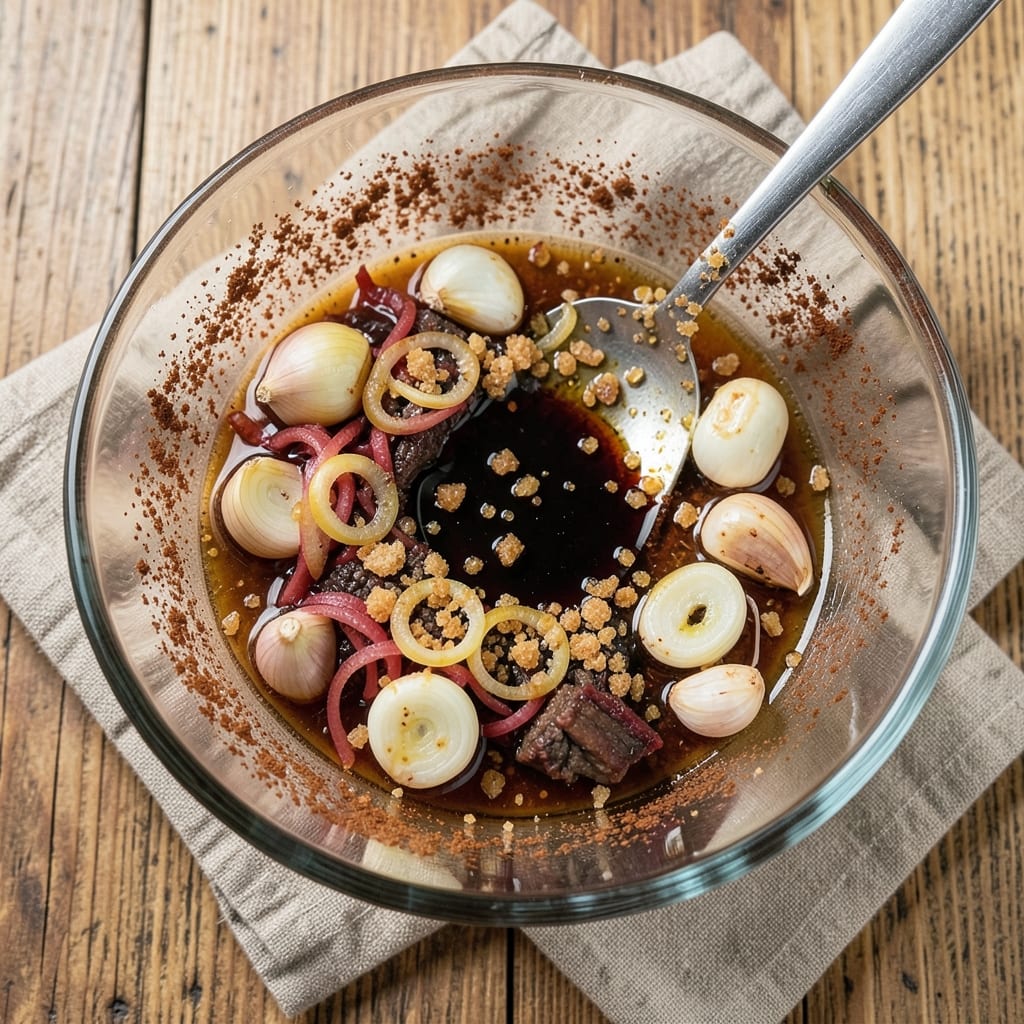
This BBQ beef short ribs marinade transforms tough cuts into melt-in-your-mouth tenderness with just 24 hours of magic. As a pitmaster who's spent years perfecting slow-cooked meats, I know the secret lies in balancing acid, fat, and bold spices to break down collagen while building layers of smoky depth. The marinade's tangy-sweet profile ensures your ribs won't just cook tender—they'll develop that signature bark and complex flavor that makes every bite unforgettable.
The foundation starts with apple cider vinegar and Worcestershire sauce, working together to tenderize while adding depth. Fresh garlic, onion, and smoked paprika create that unmistakable BBQ aroma, while brown sugar caramelizes during the marinating process for natural sweetness. I developed this blend specifically for beef short ribs because their thick connective tissue needs both time and the right flavor punch to become truly fall-apart tender.
What makes this marinade special is its dual-purpose design—it works as both a tenderizer and flavor infusion, ensuring your ribs develop that perfect balance of smoky, sweet, and savory notes. The acidity breaks down tough fibers while the fat and spices penetrate deeply, creating a crust that locks in moisture during cooking. This isn't just any marinade; it's the professional pitmaster's secret weapon for restaurant-quality results at home.
Use this marinade for 24 hours maximum (never longer, as the acid can start breaking down the meat fibers too much), then proceed with your preferred cooking method. Store any leftovers in the refrigerator for up to one week—perfect for meal prepping or when you need to get a head start on your BBQ project. The flavors only get better with time, making this marinade worth every minute of the wait.
Ingredients for bbq beef short ribs marinade
Nine ingredients, 24 hours of magic—this marinade turns tough ribs into restaurant-quality perfection.
| Ingredient | Amount | Notes |
|---|---|---|
| Apple Cider Vinegar 🍎 | ½ cup | Raw, unfiltered preferred |
| Worcestershire Sauce 🍶 | ¼ cup | High-quality, anchovy-free if vegan |
| Brown Sugar 🍚 | ½ cup | Light or dark, packed |
| Smoked Paprika 🌶️ | 2 tbsp | High-smoke variety preferred |
| Garlic Cloves 🧄 | 8 cloves | Fresh, peeled, smashed |
| Yellow Onion 🧅 | 1 whole | Medium, finely chopped |
| Olive Oil 🫒 | ¼ cup | Extra-virgin for richness |
| Black Peppercorns 🌶️ | 1 tsp | Freshly cracked, coarse |
| Salt 🧂 | 1 ½ tsp | Diamond Crystal kosher |
| Fresh Thyme Leaves 🌿 | 1 tbsp | Or 1 tsp dried thyme |
The apple cider vinegar is non-negotiable—it's the acid that breaks down collagen while adding depth. Bragg or Texas Pete are my go-tos, but any raw, unfiltered brand works. Worcestershire sauce? Lea & Perrins is the gold standard, but check for anchovies if you need vegan. The brown sugar caramelizes beautifully during marinating, creating that signature bark. For smoked paprika, Penzeys or Gourmet Madness deliver that authentic smoky punch. Fresh garlic and onion are essential—they're the aromatic foundation that makes this marinade sing. I always use yellow onions for their sweetness, but red adds a nice color contrast if you're feeling fancy.
No apple cider vinegar? Red wine vinegar or lemon juice work in a pinch, though the flavor profile shifts slightly. Worcestershire unavailable? Soy sauce plus a pinch of sugar mimics the umami depth. Short on brown sugar? Maple syrup or agave adds sweetness, though it won't caramelize the same way. Smoked paprika too expensive? Regular paprika plus a pinch of liquid smoke gets you close. The thyme can be swapped for rosemary or oregano, but thyme's earthy notes are perfect for BBQ. For extra richness, add 1 tbsp molasses—it deepens the smoky-sweet balance without overpowering. Always taste before applying to ribs, and adjust sweetness or acidity as needed.
This marinade works best when made fresh, but it keeps beautifully in the fridge for up to 1 week in an airtight container. For maximum flavor development, apply it to ribs 24 hours before cooking—no longer, as the acid can start breaking down the meat fibers. I like to portion it into ziplock bags with the ribs for easy storage. The leftovers make an incredible glaze when reduced by half—simply simmer on the stove until thickened. Store any unused marinade in the fridge, and use within 7 days. Freezing isn't recommended, as the texture changes when thawed.
Why You'll Love This Recipe
- Fridge-to-Pan Magic: I swear by this marinade—just dump everything in a bowl, stir, and let the ribs soak while I chop veggies for dinner. No fancy steps, no measuring cups out of reach.
- Tangy-Sweet Crunch: That apple cider vinegar cuts through the richness while the brown sugar caramelizes into a sticky, smoky glaze. The Worcestershire? It’s the secret sauce—deep, umami magic in every bite.
- Game Day or Weeknight: Slap this on ribs for a tailgate, slow-cook for a Sunday supper, or throw them in the Instant Pot when you’re starving at 8 PM. Same marinade, endless excuses to make it.
- Leftovers That Beg for More: The flavors only get better after reheating—crispy edges, tender meat, and that smoky paprika kick. I make a double batch just so I can eat it twice. (No judgment.)
Step-by-step instructions for BBQ beef short ribs marinade
Here's how to create a marinade that transforms tough short ribs into melt-in-your-mouth perfection.
Prepare the Aromatics and Base Ingredients
In a medium bowl, combine the 0.5 cup apple cider vinegar and 0.25 cup Worcestershire sauce. The vinegar will start to mellow out the sharpness of the Worcestershire, creating a balanced foundation for your marinade. Let these two ingredients sit together for 5 minutes while you prepare the remaining components—this brief resting period allows the flavors to begin melding.
Finely chop the 1 whole yellow onion into small dice, about ¼-inch in size. I like to use the small dice because it maximizes surface area for flavor infusion. Peel and smash the 8 cloves garlic with the flat side of your knife—this releases their oils and intensifies their flavor. Add both to the bowl with the vinegar mixture.
Incorporate the Dry Seasonings and Sweetener
Add the 0.5 cup brown sugar, 2 tbsp smoked paprika, 1.5 tsp salt, and 1 tsp black peppercorns to the bowl. The smoked paprika will give your marinade its signature smoky depth, while the brown sugar adds a caramelized sweetness that pairs beautifully with the beef's natural richness. Stir everything together until the brown sugar dissolves completely and the mixture becomes smooth.
For the peppercorns, I like to use a mortar and pestle to crush them slightly before adding—this releases their essential oils and ensures even distribution throughout the marinade. The mixture should now have a thick, syrupy consistency with visible flecks of paprika and herbs.
Finish with Olive Oil and Fresh Herbs
Drizzle in the 0.25 cup olive oil while stirring continuously. The oil helps emulsify the mixture, creating a cohesive marinade that will cling beautifully to the short ribs. Add the 1 tbsp fresh thyme leaves, giving everything a final stir. The thyme adds an earthy, slightly floral note that complements the smoky and sweet elements perfectly.
Taste the marinade at this point—it should be tangy, slightly sweet, and deeply aromatic. Adjust the seasoning if needed: add a pinch more salt if it tastes flat, or a splash more vinegar if it needs more acidity. This marinade works best when it's balanced—neither too sweet nor too sharp.
Marinate the Short Ribs for Maximum Tenderness
Place the 4 beef short ribs in a large resealable plastic bag or a shallow dish. Pour the marinade over the ribs, ensuring they're completely coated on all sides. If using a bag, seal it tightly and massage the marinade into the meat to ensure even coverage. For best results, marinate the ribs in the refrigerator for at least 12 hours, but I recommend 24 hours for fall-off-the-bone tenderness.
Turn the ribs occasionally during marinating to ensure even flavor penetration. The acidity in the vinegar and Worcestershire sauce will begin breaking down the tough connective tissues in the meat, while the sugar and spices create a flavorful crust. This marinade doesn't just add flavor—it transforms the texture of the ribs, making them incredibly tender and juicy.
Pro Tips For Making Bbq Beef Short Ribs Marinade
- CRUSH THE GARLIC: Don’t just chop those cloves—smash them with the flat side of your knife first. That releases more flavor and blends faster into the marinade. I used to mince them normally, and the sauce always tasted like it was missing something until I tried this.
- BALANCE THE SWEET: Brown sugar can turn your marinade into syrup if you’re not careful. Start with 2 tablespoons and taste—then adjust. I learned this the hard way when my ribs ended up sticky but not smoky enough. The vinegar and Worcestershire will help cut through it if needed.
- MARINATE COLD: Refrigerate the ribs in the marinade for at least 4 hours, but overnight is better. Warmth speeds up bacterial growth, and you don’t want that. I skipped this once and ended up with a funky-tasting batch—no shortcuts here.
- SKIP THE PRE-COOK: Let the ribs sit in the marinade, then sear them dry in a screaming-hot pan before slow-cooking. The crust locks in flavor and keeps them from turning into mush. I used to par-cook them, and the texture was always off—this is the non-negotiable step.
Common mistakes when making great bbq beef short ribs marinade
Over-Marination
I've seen too many home cooks leave their ribs in the marinade for days, thinking "more time equals more flavor." But here's the truth: after 24 hours, the acid in apple cider vinegar starts breaking down the meat fibers, turning your tender ribs into mushy disappointment. The collagen breakdown that makes ribs tender becomes collagen destruction. Trust me, 24 hours max is perfect—any longer and you're risking texture failure.
Skipping the Rest
After marinating, many people rush straight to cooking. Big mistake! Let your ribs sit uncovered in the fridge for 30 minutes to 1 hour after removing them from the marinade. This allows any excess liquid to evaporate, creating a better crust when you cook them. I've seen ribs stick to grates or smokers because they were too wet—this simple step prevents that entirely.
Uneven Coating
Some folks pour marinade over ribs and call it good. But ribs have crevices and bone indentations that need flavor penetration. Always submerge ribs completely in the marinade, or use a resealable bag and massage it in. I like to flip the bag over and press firmly to ensure every surface gets coated. Uneven marinating means uneven flavor—you want that smoky-sweet profile in every bite.
Using Low-Quality Ingredients
I can't stress this enough: cheap vinegar, store-brand Worcestershire, or generic spices will ruin your marinade. The apple cider vinegar should be raw and unfiltered (like Bragg), the Worcestershire should be Lea & Perrins, and the smoked paprika needs to be high-quality (like Penzeys). These ingredients make the difference between good and restaurant-quality ribs. Don't skimp—it shows in every bite.
Not Tasting Before Applying
Many recipes tell you to mix everything and apply it. But I always taste the marinade first—it should be tangy, slightly sweet, and deeply aromatic. If it's too sharp, add a pinch more brown sugar. If it's too flat, a splash of vinegar wakes it up. This simple step ensures your marinade is balanced before it touches your meat. I've ruined batches by skipping this crucial taste test.
Ignoring the Sugar's Role
The brown sugar isn't just for sweetness—it caramelizes during marinating, creating a natural glaze that helps form that coveted bark during cooking. Some folks skip it or use less, thinking it's just sugar. But that caramelization is what gives BBQ its depth. Plus, the sugar helps the spices adhere better to the meat. Don't underestimate its power in this marinade.
Nutrition facts
Frequently asked questions
Can I use this marinade for other meats besides beef short ribs?
This marinade works beautifully on pork ribs, chicken thighs, or even lamb chops. The acidity and spices break down fibers in tough cuts, while the sweetness complements richer meats. For poultry, reduce marinating time to 6-8 hours to avoid over-tenderizing. Just adjust cooking methods accordingly—pork ribs may need slightly longer smoke time than beef.
What if I don't have apple cider vinegar? Use red wine vinegar or balsamic vinegar as substitutes—they'll add different depth but still tenderize effectively. For a sweeter profile, lemon juice works in a pinch, though it lacks the caramelization potential. Just
How do I store leftover marinade?
Transfer unused marinade to an airtight container and refrigerate for up to 7 days. For longer storage, freeze in ice cube trays—thawed cubes work perfectly for basting during cooking. Never reuse marinade that's touched raw meat without boiling it first (3 minutes) to kill bacteria. The leftovers also make a fantastic glaze when reduced by half on the stove.
Can I make this marinade without Worcestershire sauce?
Yes! Mix 2 tbsp soy sauce with 1 tsp fish sauce (or 1 tbsp coconut aminos for vegan) plus ½ tsp sugar to mimic Worcestershire's umami depth. The garlic and vinegar will still provide the tangy backbone, though the flavor will be slightly different. For a vegetarian version, use 1 tbsp tamari plus ½ tsp liquid smoke.
Why does my marinade look separated?
This is normal! The oil and vinegar naturally separate, but stir vigorously before using—it'll emulsify as it sits on the meat. For a smoother marinade, blend all ingredients (except herbs) until fully combined. If separation persists, add 1 tsp mustard or honey as a natural emulsifier. The texture won't affect flavor or effectiveness.