
Main Courses
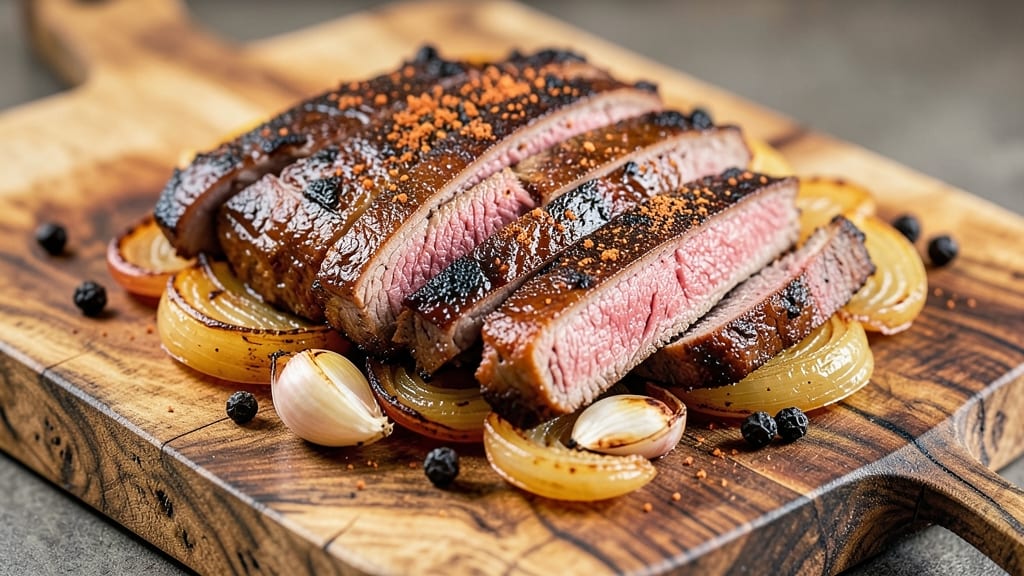
Barefoot Contessa's beef brisket recipe transforms tough cuts into melt-in-your-mouth perfection through slow cooking and precise seasoning techniques. This method delivers a rich, flavorful bark on the outside and tender, buttery shreds on the inside—exactly what makes it a showstopper for any gathering.
The key lies in the balance of time, temperature, and traditional spices that create restaurant-quality results at home.
What sets this recipe apart is its adaptability—whether you're using a smoker, Dutch oven, or even an Instant Pot, the principles remain the same. The brisket develops deep, caramelized flavors as it cooks low and slow, while the spices penetrate every layer, ensuring each bite is packed with savory richness.
This isn't just a recipe; it's a technique that builds confidence in the kitchen.
By the time you're done, you'll have perfectly smoked bark that's crisp yet tender, and meat so flavorful it practically falls apart at the touch of a fork. The aroma alone will have everyone anticipating dinner, while the texture and taste deliver on that promise.
This is the kind of dish that elevates any meal from ordinary to extraordinary.
Pair it with classic sides like creamy mashed potatoes, tangy coleslaw, or buttery cornbread for a complete meal that feels like a celebration. Let's get started on creating your own showstopper brisket.
Ingredients for barefoot contessa beef brisket
Eight essential ingredients and a few key techniques make this brisket unforgettable.
| Ingredient | Amount | Notes |
|---|---|---|
| Beef Brisket 🥩 | 4 lb | Whole packer cut, good fat cap |
| Yellow Onions 🧅 | 2 whole | Yellow or red, sliced thick |
| Garlic Cloves 🧄 | 8 cloves | Fresh, peeled, smashed |
| Kosher Salt 🧂 | 2 tbsp | Diamond Crystal preferred |
| Black Peppercorns 🌶️ | 1 tbsp | Freshly cracked, coarse |
| Smoked Paprika 🌶️ | 1 tbsp | High-quality, not sweet |
| Ground Black Pepper 🌶️ | 1 tsp | Freshly ground for texture |
| Brown Sugar 🍯 | 2 tbsp | Light or dark, packed |
| Mustard Powder 🧂 | 1 tsp | Dry, not prepared |
| Apple Cider Vinegar 🍎 | ¼ cup | For tenderizing, not sweet |
| Beef Broth 🥫 | 2 cups | Low-sodium, homemade preferred |
| Wood Chips 🌳 | 1 package | Hickory or oak, soaked |
| Charcoal Briquettes 🔥 | 20 whole | Lump charcoal preferred |
| Butter 🧈 | ½ cup | Unsalted, cold for basting |
| Fresh Thyme 🌿 | ¼ cup | Leaves only, chopped fine |
The brisket cut is non-negotiable here—look for a whole packer cut with a thick fat cap, typically weighing 4-5 pounds. Local butchers often have the best quality, but major chains like Whole Foods or Costco carry reliable options. The fat cap is crucial for flavor and moisture during the long cook. If your cut is lean, don't worry—just trim excess fat but leave at least a 1/4-inch layer for flavor. For spices, Penzeys Spices or McCormick offer high-quality smoked paprika and mustard powder that elevate this dish. The wood chips should be hickory or oak, as they complement beef perfectly without overpowering it.
No smoked paprika? A blend of 1 tsp sweet paprika plus 1/2 tsp liquid smoke works in a pinch, though the flavor won't be identical. Fresh thyme is ideal, but 1/4 tsp dried thyme can substitute if needed. For the apple cider vinegar, white vinegar or lemon juice adds acidity, though the tang will differ slightly. The beef broth should be low-sodium—homemade is best, but Swanson or Pacific Foods brands are reliable. If you're using an Instant Pot, reduce the wood chips to 1/4 cup and add them during the pressure cook cycle for smoky flavor. The butter should be unsalted to control seasoning, and cold for basting to create that signature bark.
This brisket develops best over 12-16 hours, but the prep is minimal. Trim the brisket 24 hours ahead and let it rest uncovered in the fridge—this helps tenderize the meat. The wood chips can be soaked overnight in water to prevent burning. Store leftover brisket in an airtight container with any rendered juices for up to 5 days in the fridge, or freeze for up to 3 months. For serving, reheat in the oven at 300°F (150°C) until warmed through, basting with the juices for extra moisture. The bark will crisp up again, making it irresistible.
Why You'll Love This Recipe
- Five-Ingredient Magic: I swear by this recipe because it’s that simple—just brisket, onions, garlic, salt, and pepper. No fancy marinades or last-minute shopping runs. The onions caramelize while you prep, and the garlic? It infuses the whole thing with a depth that makes you wonder why you ever overcomplicated things.
- Weeknight Crowd-Pleaser: Between us, this is my go-to when friends drop by unannounced. The brisket stays tender and flavorful even after hours in the oven, and the caramelized onions add a sweetness that makes everyone reach for seconds. (Yes, even the picky eaters.)
- Leftovers That Shine: Honestly, I make a double batch on purpose. The brisket reheats beautifully for sandwiches, tacos, or even a quick hash the next day. That rich, smoky-sweet flavor only gets better with time—no sad, dry leftovers here.
- Budget-Friendly Luxury: Brisket is often the cheapest cut of beef, and this recipe stretches it far without sacrificing taste. A single roast feeds six, and the simple seasoning means you’re not breaking the bank for gourmet ingredients. Fancy dinner for half the price? Done.
Step-by-step instructions for slow-smoked beef brisket
Mastering this technique transforms tough brisket into melt-in-your-mouth perfection with a deep bark.
Prepare the Brisket and Rub
Begin by trimming the fat cap of the 4 lb beef brisket to about ¼-inch thickness using a sharp boning knife. Leave the fat on the edges to protect the meat during smoking. Pat the surface completely dry with paper towels—this ensures maximum bark formation.
In a small bowl, combine the 2 tbsp kosher salt, 1 tbsp freshly cracked black peppercorns, 1 tbsp smoked paprika, 1 tsp ground black pepper, 2 tbsp brown sugar, and 1 tsp mustard powder. Mix thoroughly to create a fine, even rub. Generously coat all sides of the brisket, pressing the spices into the meat so they adhere well. Place the seasoned brisket on a wire rack set over a baking sheet and refrigerate uncovered for 12-24 hours. This dry-brining step enhances flavor penetration and creates an ideal surface for bark development.
Set Up the Smoker
Soak the 1 package wood chips in water for 30 minutes to prevent flare-ups. Build a two-zone fire in your smoker using 10 charcoal briquettes on one side and the soaked wood chips on the other. Maintain a temperature of 225°F throughout the cook. Place a water pan in the smoker to help maintain humidity and prevent the brisket from drying out.
Once the smoker reaches the target temperature and produces steady blue smoke, position the brisket fat-side up on the grill grate. This orientation allows the rendered fat to baste the meat continuously. Avoid opening the smoker lid during the first 2 hours to maintain stable temperature and smoke flow. The brisket will develop a deep mahogany bark as it cooks slowly over time.
Monitor and Wrap at the Stall
Smoke the brisket undisturbed until its internal temperature reaches 165-170°F, which typically takes 6-8 hours. You'll notice the temperature stall—the point where the internal temperature stops rising despite continued cooking. This is normal and occurs as moisture evaporates from the meat.
At this stage, wrap the brisket tightly in butcher paper (not aluminum foil) to accelerate cooking through the stall while preserving the bark. Return it to the smoker and continue cooking until the internal temperature reaches 200-205°F, which should take an additional 4-6 hours. The probe should slide in like butter with no resistance. During this phase, the brisket will develop its signature tender texture and deep flavor.
Baste and Finish
Remove the brisket from the smoker and brush all sides with melted 0.5 cup butter mixed with the 0.25 cup chopped fresh thyme. Return it to the smoker, fat-side up, and smoke for an additional 30-45 minutes. This basting step enhances flavor and creates a glossy finish while maintaining the bark.
When the brisket reaches the desired internal temperature, transfer it to a cutting board and tent loosely with foil. Let it rest for at least 1 hour before slicing. This resting period allows the juices to redistribute throughout the meat, ensuring each slice is moist and flavorful. The brisket should have a deep mahogany bark on the outside and a beautiful pink smoke ring just beneath the surface.
Slice and Serve
Locate the grain direction on the brisket—you'll see lines running through the meat. Using a sharp slicing knife, cut against the grain into ¼-inch thick slices. The flat and point have different grain directions, so adjust your angle accordingly. Serve immediately while still warm, accompanied by the remaining 2 cups beef broth reduced with the 0.25 cup apple cider vinegar for a flavorful sauce.
Each slice should be tender enough to pull apart with a gentle tug, with a perfect balance of smoky bark and buttery interior. The brisket will yield approximately 8 servings, making it ideal for family gatherings or special occasions.
Pro Tips For Making Barefoot Contessa Beef Brisket
- Trim the Fat First: The flat side of the brisket (the "deckle") is where the magic happens, but too much fat can steam the meat instead of rendering. Use a sharp knife to trim the thickest fat cap down to about ¼-inch—this keeps the crust crisp and the interior tender. (I learned this the hard way when my first batch turned out greasy instead of golden.)
- Sear in Batches: Don’t crowd the pan—this recipe relies on that deep, caramelized crust, and overloading the skillet will just make everything steam. Work in 2-3 batches, letting each side get a solid 3-4 minutes of direct contact with the heat. (Yes, it takes longer, but the payoff is worth it.)
- Salt the Onions: The onions in this recipe aren’t just flavor carriers—they’re the base for the sauce. Toss them with a generous pinch of kosher salt (about ½ teaspoon per pound) before cooking. This draws out moisture early, so they caramelize faster and deeper. (I used to skip this, and the onions always tasted bland.)
- Check Internal Temp Twice: The Barefoot Contessa method calls for pulling the brisket at 195°F, but the flat and point can lag by 20°F. Use a meat thermometer to check both sections—if the point hits 195°F but the flat is still tough, tent it with foil and let it rest another 30 minutes. (Your knife won’t tell the full story.)
Wine and beer pairings for this barefoot contessa beef brisket
Classic Red Wine
This rich, slow-smoked brisket pairs beautifully with bold red wines that stand up to its deep, smoky flavors. I always reach for a Cabernet Sauvignon from Napa Valley—its dark fruit notes and firm tannins complement the brisket's bark perfectly.
A Malbec from Argentina offers similar richness with a touch of spice, while a Syrah from the Rhône Valley brings earthy undertones that mirror the wood smoke. Chill your wine slightly before serving to enhance its balance against the brisket's heat. 🍷
Malbec Magic
For those who love a smoother, fruit-forward experience, a Argentinian Malbec is my go-to choice. The wine's blackberry and plum flavors harmonize with the brisket's smoky-sweet profile, while its velvety texture cuts through the fat beautifully.
I recommend a bottle from Catena Zapata or Trapiche—both deliver exceptional quality at approachable prices. Serve at 65°F to let the wine's bold character shine alongside the brisket's deep flavors.
Beer Pairings
If you prefer beer, opt for a stout like Guinness or Samuel Smith's Nut Brown Ale, which provide a malty sweetness that contrasts the brisket's smokiness. For a lighter option, a Belgian Dubbel with its caramel and spice notes works wonderfully.
I also love pairing this brisket with a smoked porter—the beer's own smoky character echoes the brisket's bark, creating a cohesive flavor experience. 🍺
White Wine Surprise
Don't overlook white wine lovers! A Chardonnay from Burgundy, with its buttery texture and citrus notes, pairs surprisingly well with brisket. The wine's acidity balances the dish's richness, while its oakiness complements the smoky flavors.
For a crisp alternative, try a Viognier—its floral and stone fruit notes provide a refreshing contrast to the brisket's deep, savory profile. Serve both at 50-55°F for optimal enjoyment.
Regional Variations
In Texas, where brisket reigns supreme, locals often pair their smoked brisket with Lone Star Beer or a Texas Hill Country Riesling—its bright acidity cuts through the fat beautifully.
Meanwhile, in the Midwest, a bourbon barrel-aged stout adds a unique twist, with its caramel and vanilla notes enhancing the brisket's natural sweetness. Experiment with regional favorites to find your perfect match. 🗺️
Nutrition facts
Frequently asked questions
Can I use a different cooking method besides smoking?
This recipe works beautifully in a Dutch oven or Instant Pot. For the Dutch oven, sear the brisket first, then braise at 300°F (150°C) with the same rub and liquid for 4-5 hours until tender. In an Instant Pot, use the "Smoke" setting (or "High Pressure" for 90 minutes) with wood chips for smoky flavor. The key is patience—low and slow works best for brisket texture.
How do I know when the brisket is done?
Use a meat thermometer to check the internal temperature. The brisket is ready when it reaches 200-205°F (93-96°C). The probe should slide in like butter with no resistance. The bark should be deep mahogany, and the meat should pull apart easily when sliced. Never rely on time alone—temperature is your best guide.
Why does the brisket stall in temperature?
The stall happens when moisture evaporates from the meat, causing the internal temperature to stop rising despite continued cooking. This is normal and occurs around 165-170°F (74-77°C). Wrapping the brisket in butcher paper at this stage helps push it through the stall by retaining moisture while preserving the bark. Don't panic—it's part of the process!
What if I don't have a smoker?
No smoker? No problem! Use a grill with a smoker box or even your oven with wood chips and foil. For the oven method, place soaked wood chips on a foil tray under the brisket on the middle rack. Cook at 225°F (107°C) for the same duration, checking temperature frequently. The flavor won't be identical, but it'll still be delicious.
Can I make this brisket ahead of time?
Yes! Brisket actually tastes better the next day. Cook it fully, then refrigerate in an airtight container with the juices. Reheat in the oven at 300°F (150°C) until warmed through, basting with the reserved juices. The flavors deepen overnight, and reheating helps restore the bark. Perfect for meal prep!