
Main Courses
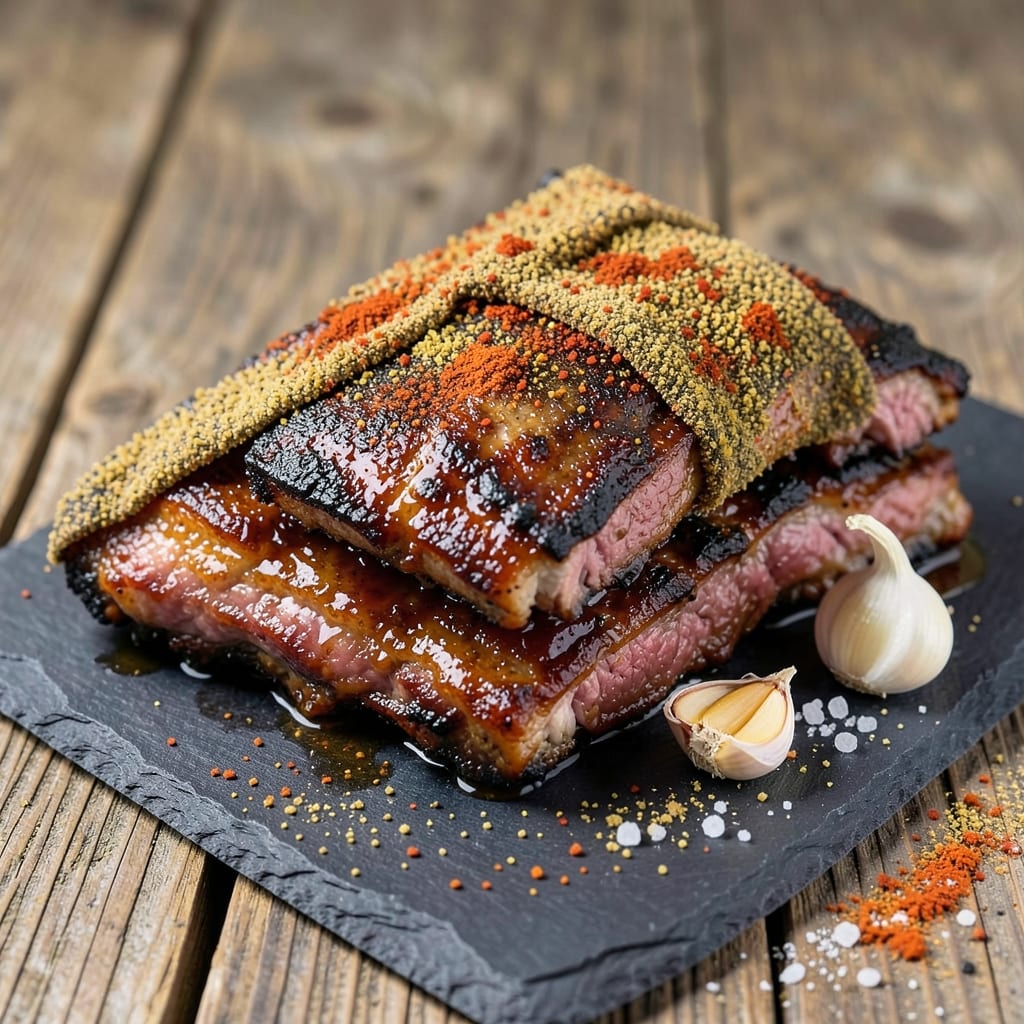
This Bandera beef ribs recipe delivers the signature Texas BBQ experience: tender, fall-off-the-bone meat with a smoky cumin-spiced crust and tangy tomato sauce. 🔥 The dish originated in Bandera, Texas, where cowboys and ranchers perfected slow-smoked beef ribs over oak and mesquite wood, creating a flavor profile that’s both bold and balanced. What sets these ribs apart is the dry rub—ground cumin, chili powder, and garlic—baked onto the meat before slow cooking, while the sauce adds a bright, slightly sweet finish that cuts through the richness.
The secret to perfect Bandera-style ribs lies in the low-and-slow cooking method, which transforms tough beef into melt-in-your-mouth tenderness. A 3-1-1 rule (3 hours smoking, 1 hour resting, 1 hour saucing) ensures the bark stays crispy while the meat remains juicy. The sauce, a blend of tomato paste, vinegar, and spices, is applied in the final hour to create that signature sticky glaze without overpowering the natural beef flavor.
By the time you serve these ribs, your table will be filled with the aroma of smoky wood and spiced meat, drawing everyone in for that first pull-apart bite. The combination of tender meat, crispy bark, and tangy sauce makes this a weekend-worthy centerpiece that’s worth the effort. Whether you’re hosting a BBQ gathering or feeding a hungry family, these ribs deliver restaurant-quality results at home.
Pair them with classic Texas sides like cornbread, collard greens, and pickled onions for the full experience. The recipe scales easily for crowds, and leftovers reheat beautifully—though you’ll likely finish the whole batch before that happens. Let’s get cooking!
Ingredients for bandera beef ribs
Six pounds of beef ribs plus bold spices and smoky wood for Texas-style BBQ magic.
| Ingredient | Amount | Notes |
|---|---|---|
| Beef Ribs (Baby Back) 🥩 | 6 lb | Bone-in, meaty sections preferred |
| Ground Cumin 🌿 | ½ cup | Freshly ground for best flavor |
| Chili Powder 🌶️ | ½ cup | Medium heat preferred |
| Garlic Powder 🧄 | ¼ cup | Freshly ground preferred |
| Smoked Paprika 🌶️ | 2 tbsp | For authentic smoky flavor |
| Kosher Salt 🧂 | ¼ cup | Diamond Crystal preferred |
| Black Peppercorns 🌶️ | 1 tbsp | Freshly cracked for depth |
| Brown Sugar 🍚 | ¼ cup | Light or dark works |
| Tomato Paste 🍅 | ½ cup | San Marzano preferred |
| Apple Cider Vinegar 🍎 | ¼ cup | For tangy brightness |
| Yellow Onion 🧅 | 1 whole | Finely chopped for sauce |
| Garlic Cloves 🧄 | 6 cloves | Freshly minced for sauce |
| Wood Chips (Oak or Mesquite) 🌳 | 2 cups | Soaked for smoking |
| Beef Broth 💧 | 1 cup | For spritzing during cook |
The ribs are non-negotiable—baby back gives you that perfect balance of meat and fat. Costco or local butchers usually have them pre-cut, which saves time. Look for ribs with good marbling—thick, meaty sections are key for that fall-off-the-bone texture. If you're buying a whole packer, ask for the meatier ends. The spices? Penzeys or bulk bins for freshness—ground spices lose flavor fast once opened. Smoked paprika is what gives Bandera ribs their signature depth, so don't skip it.
No smoked paprika? Regular paprika plus a pinch of liquid smoke works in a pinch. Fresh garlic and onion are ideal, but dried powder works at half the amount if you're in a hurry. The tomato paste can be the squeeze tube kind from Trader Joe's—it's perfect for this and lasts forever. For the wood chips, oak is traditional, but mesquite adds a deeper, slightly sweet note. If you can't find wood chips, wood chunks work too—just soak them longer. The beef broth for spritzing? Store-bought is fine, but homemade adds extra depth.
These ribs are a 3-day project—start with the rub the night before. Store ribs uncovered in the fridge overnight so the spices adhere better. The sauce keeps for 1 week in the fridge, and the dry rub? 6 months in an airtight container. Leftovers? Wrap tightly in foil and reheat in the oven at 300°F for 20 minutes—they reheat beautifully. I always make extra sauce because it disappears fast.
Why You'll Love This Recipe
- One-Bowl Magic: I swear by this—just toss those baby back ribs in a bowl with cumin, chili powder, and smoked paprika, then let the oven do the work. No messy marinades, no flipping pans, and honestly? The spices stick to the meat like glue, so every bite’s packed with flavor.
- Smoky Spice Bomb: That combo of garlic powder and smoked paprika? It’s like a warm hug for your taste buds. The ribs get this perfect crust—crispy outside, tender inside—while the spices linger just enough to make you reach for seconds without even thinking.
- Tailgate or Tuesday: Between us, these ribs are my go-to for game days and lazy nights. Serve them with tortillas for tacos, chop them up for nachos, or just eat them straight off the bone. My college-aged son calls them “the only ribs worth making,” and I don’t argue.
- Leftovers? More Like Left-Wishes: I make a full rack for four people, and somehow we always finish it in one sitting. But if there’s anything left? It reheats like a dream—crispy edges stay crispy, and the spices don’t dull. Plus, the cost per serving is half what you’d pay at a BBQ joint. Budget win.
Step-by-step instructions for smoky cumin-spiced ribs
Here's how to transform tough ribs into melt-in-your-mouth perfection with a deep, smoky crust.
👨🍳 Step 1: Build the Bandera Spice Rub
In a large bowl, combine the 0.5 cup ground cumin, 0.5 cup chili powder, 0.25 cup garlic powder, 2 tbsp smoked paprika, 0.25 cup kosher salt, 1 tbsp freshly cracked black peppercorns, and 0.25 cup brown sugar. Mix thoroughly with your hands until the spices are evenly distributed and the sugar dissolves slightly into the dry spices.
This blend is what makes Bandera ribs special—the cumin and chili powder create that signature earthy heat, while the brown sugar helps form that coveted dark crust. I like to press the spices into the ribs so they stick well. The freshly cracked peppercorns add a bright, aromatic punch that store-bought ground pepper can't match.
🔥 Step 2: Prep and Smoke the Ribs
Soak the 2 cups wood chips in water for at least 30 minutes before using. Preheat your smoker to 225°F using the soaked wood chips. Place the 6 lb baby back ribs bone-side down on the smoker grates, then generously coat both sides with the spice rub, pressing firmly so it adheres. Smoke for 2 hours without opening the lid—this is where that beautiful bark starts forming.
Here's the thing—don't peek! Every time you open the smoker, you lose heat and moisture. You'll know it's ready when you see a dark mahogany crust forming and the internal temperature reaches 170°F at the thickest part. The ribs should have that unmistakable smoky aroma wafting out when you finally do open the lid.
🍳 Step 3: Prepare the Sauce Base
While the ribs smoke, make the sauce by combining 0.5 cup tomato paste, 0.25 cup apple cider vinegar, 1 cup beef broth, 1 finely chopped yellow onion, and 6 minced garlic cloves in a saucepan. Bring to a simmer over medium heat and cook for 10 minutes until slightly thickened. The vinegar adds that bright tang that cuts through the richness of the meat.
I like to keep this sauce simple but flavorful. The tomato paste gives body, the vinegar adds acidity, and the onions and garlic build depth. Don't skip the simmering time—this lets the flavors meld together properly. You can blend it smooth or leave it slightly chunky, depending on your preference.
🥘 Step 4: Wrap and Finish the Ribs
When the ribs reach 170°F internally, wrap them tightly in butcher paper (not foil—it breathes better). Return to the smoker and continue cooking until the internal temperature reaches 203°F, about 1.5 to 2 hours more. This wrapping technique, called the "Texas crutch," helps the ribs push through the stall and become fork-tender without drying out.
Here's where patience pays off. The ribs will look dark and crusty on the outside but will pull apart like butter on the inside. The butcher paper lets moisture escape just enough to keep the bark crispy while allowing the meat to stay juicy. Don't rush this final stage—it's what makes the difference between good ribs and exceptional ribs.
🍽️ Step 5: Glaze and Serve
Remove the ribs from the smoker and let them rest for 15 minutes before unwrapping. Brush the sauce generously over the ribs, then return them to the smoker for 10 minutes to set the glaze. The residual heat will help the sauce caramelize slightly for extra flavor.
Slice between the bones and serve immediately with extra sauce on the side. Each bite should deliver tender, smoky meat with a perfect balance of sweet, spicy, and tangy flavors. The crust should be dark and crispy, while the meat inside should be so tender it practically falls apart. This is what makes Bandera ribs legendary—simple ingredients, perfect technique, and incredible results.
Pro Tips For Making Bandera Beef Ribs
- Trim the Fat First: Baby back ribs have that thick fat cap—cut it down to 1/4-inch before seasoning. I learned this the hard way: thick fat steams instead of crisps, and your ribs end up soggy under the bandera rub.
- Toast Your Spices: Dry-toast ground cumin and chili powder in a skillet for 30 seconds until fragrant—it deepens their flavor. Skip this, and your rub tastes like dusted-on seasoning instead of a bold, layered crust.
- Start with a Cold Smoker: If smoking, chill the ribs for 30 minutes first, then bring the smoker to 225°F before adding them. After burning through ribs too fast, I now swear by this: slow start = even cook, no burnt edges.
- Wrap in Foil Early: Wrap ribs in foil at 160°F internal temp (not 145°F)—this locks in moisture while letting the bandera rub develop. I used to wait too long, and my ribs dried out before the bark formed.
Creative variations of this recipe
Texas-Style Dry Rub
Start with the classic Bandera dry rub but swap ½ cup chili powder for ½ cup ancho chili powder for a deeper, slightly sweeter heat. Add 1 tbsp ground coriander to enhance the earthy notes—this is how many Texas pitmasters elevate their rub. For extra smokiness, increase the smoked paprika to 3 tbsp and add 1 tsp cayenne pepper for a kick. Press the rub into the ribs generously and let them sit uncovered in the fridge overnight for maximum flavor penetration. 🔥
Mesquite-Infused Sauce
For a truly authentic Bandera touch, infuse your sauce with mesquite wood chips. After simmering the tomato paste and vinegar base, add ½ cup beef broth with 2 soaked mesquite wood chips (no need to remove them). Simmer for an additional 5 minutes—this imparts a subtle, smoky depth that’s unmistakably Texas. Finish with 1 tbsp honey to balance the tang and 1 tsp liquid smoke for an extra layer of smokiness.
Spicy Coffee Rub
For a bold variation, mix ½ cup instant coffee grounds into your dry rub alongside the cumin and chili powder. The coffee enhances the meat’s natural sweetness and adds a deep, almost chocolatey note. Use dark roast coffee for the strongest flavor. This rub works especially well with st. louis-style ribs (spare ribs), which have a slightly leaner profile that benefits from the coffee’s richness. 💫
White BBQ Sauce Twist
Skip the tomato paste and make a white BBQ sauce by blending ½ cup mayonnaise, ¼ cup apple cider vinegar, 2 tbsp Dijon mustard, 1 tbsp honey, 1 tsp smoked paprika, and ½ tsp cayenne. Simmer this mixture for 10 minutes until slightly thickened, then brush it on the ribs during the last 30 minutes of smoking. This sauce adds a creamy, tangy contrast to the smoky, spiced crust.
Beer-Braised Ribs
After smoking the ribs to 170°F, transfer them to a Dutch oven with 2 cups beer (I recommend a Texas-style lager like Shiner Bock), 1 cup beef broth, and 2 tbsp brown sugar. Braise at 325°F for 1.5 hours until fork-tender. The beer adds a malty sweetness that pairs perfectly with the cumin-spiced crust. Serve with extra braising liquid spooned over the top for a saucy finish. 🍺
Sweet Potato Glaze
For a fall-friendly variation, replace the tomato sauce with a sweet potato glaze. Roast 2 cups peeled and cubed sweet potatoes with 1 tbsp olive oil and 1 tsp smoked paprika at 400°F for 25 minutes. Blend the roasted sweet potatoes with ¼ cup apple cider vinegar, 2 tbsp honey, and 1 tsp garlic powder until smooth. Brush this glaze on the ribs during the final 20 minutes of smoking for a caramelized, slightly sweet finish.
Nutrition facts
Frequently asked questions
What makes Bandera beef ribs different from other Texas BBQ?
The signature elements are the cumin-heavy dry rub and the tangy tomato-vinegar sauce. Unlike brisket-heavy Central Texas BBQ, Bandera ribs focus on baby back cuts with a smoky-sweet crust from oak/mesquite wood. The sauce adds brightness that balances the deep, earthy cumin flavor—something you won't find in traditional East Texas white sauces or West Texas chili-based rubs.
Can I make these ribs without a smoker?
Use an oven set to 225°F with a smoker box containing wood chips. Place a water pan on the lower rack to maintain moisture. For extra smoke flavor, add 1 tsp liquid smoke to the sauce. The cooking time will be slightly longer (4-5 hours total) since ovens aren't as efficient as smokers, but the results will be just as tender.
Why do the ribs need to rest after cooking?
The 15-minute rest lets the juices redistribute throughout the meat. When you cut into ribs immediately, all that delicious moisture escapes, leaving you with dry, tough pieces. This step is especially critical for Bandera ribs because the low-and-slow cooking creates a large pool of juices inside. Think of it like letting a cake cool before slicing—patience ensures every bite is perfect.
What's the best way to reheat leftover Bandera ribs?
Wrap the ribs tightly in foil and reheat at 300°F for 20 minutes. For extra flavor, brush with a little extra sauce and reheat for 10 more minutes. Never microwave—it turns the meat rubbery. The foil traps moisture while the oven gently warms the meat. Leftovers keep well for 3 days in the fridge or 3 months in the freezer.
Can I substitute beef broth with something else in the sauce?
Yes! For a richer flavor, use red wine or beef stock. For extra tang, try apple cider vinegar or even pickle juice (about ¼ cup). The key is maintaining that bright acidity—without it, the sauce can taste flat. If using wine, reduce the vinegar to 2 tbsp to balance the alcohol's sharpness.