
Sauces & Condiments
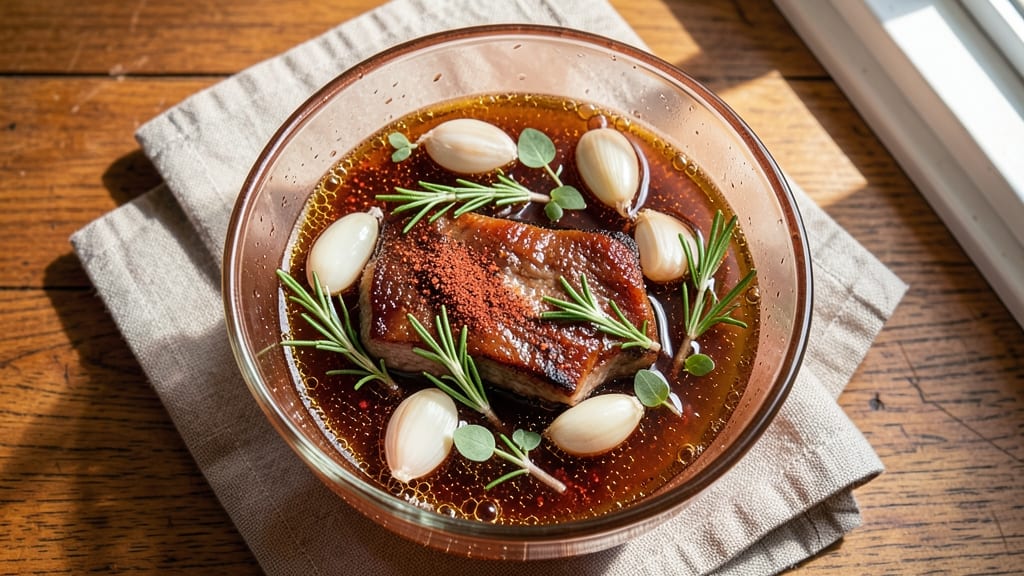
Creating a beef spare ribs marinade that delivers fall-off-the-bone tenderness starts with balancing bold flavors and precise timing. This marinade combines smoky paprika, tangy apple cider vinegar, and aromatic herbs to transform tough ribs into melt-in-your-mouth perfection. The acidity tenderizes while the spices infuse deep flavor—no shortcuts, just professional results.
What sets this marinade apart is its 36-hour marinating window, which allows the ribs to absorb maximum flavor without overcooking. You’ll need just 8 simple ingredients, including brown sugar for caramelization and garlic for depth.
The blend stays fresh in the fridge for 5 days, making it ideal for meal prep or last-minute smoking sessions.
By the time your ribs hit the smoker, you’ll have a rich, sticky glaze that caramelizes beautifully while keeping the meat incredibly tender. The smoky-sweet aroma alone will have everyone anticipating dinner. This marinade works equally well for grilling or slow-cooking, ensuring consistent results every time.
Use this marinade as the foundation for your ribs, then apply it again during cooking for extra flavor. The secret to success lies in patience—let those ribs soak up the marinade, and you’ll never go back to dry, tough meat again. Let’s get started on that tender, flavorful masterpiece.
Ingredients for beef spare ribs marinade
Eight bold ingredients transform tough ribs into smoky, tender perfection—no shortcuts, just deep flavor penetration.
| Ingredient | Amount | Notes |
|---|---|---|
| Smoked Paprika 🌶️ | 2 tbsp | High-quality smoked variety for depth |
| Apple Cider Vinegar 🍏 | ½ cup | Raw, unfiltered for tangy punch |
| Brown Sugar 🍯 | ¼ cup | Light or dark, packed tightly |
| Garlic Cloves 🧄 | 6 cloves | Fresh, minced for aromatic punch |
| Fresh Rosemary 🌿 | ¼ cup | Finely chopped, fresh preferred |
| Fresh Thyme Leaves 🌿 | 2 tbsp | Or 1 tbsp dried thyme |
| Kosher Salt 🧂 | 1 ½ tbsp | Diamond Crystal preferred |
| Black Peppercorns 🌶️ | 1 tbsp | Freshly cracked for texture |
The smoked paprika is non-negotiable here—Penzeys or McCormick are my go-tos, but any high-quality smoked variety works. Apple cider vinegar should be raw and unfiltered for that tangy punch; the cheap stuff lacks depth. Brown sugar adds caramelization during cooking, so don't skip it—light or dark, packed tightly. Fresh rosemary and thyme make all the difference (dried works in a pinch, but fresh is ideal). For the garlic, peel and mince it fresh—pre-minced garlic loses flavor fast. If you're buying whole spices, toast the peppercorns in a dry pan for 30 seconds to release their aroma before grinding.
No smoked paprika? Substitute half the amount with chipotle powder for heat, but you'll lose that smoky depth. Short on fresh herbs? Dried thyme at one-third the amount works, but rosemary's piney note is harder to replicate. For vinegar, balsamic vinegar in a pinch, but it's sweeter. The salt is crucial—Diamond Crystal kosher dissolves perfectly, but table salt works if you reduce to 1 tbsp. Want more sweetness? Add 1 tbsp of molasses or honey. For a spicier kick, add 1 tsp of cayenne or crushed red pepper flakes.
This marinade keeps beautifully—5 days in the fridge in a sealed jar, or 6 months in the freezer if you make a big batch. For best results, marinate ribs for 24-36 hours, flipping them once. The longer it sits, the deeper the flavor. Store any leftover marinade in a labeled jar—it's perfect for basting ribs during cooking or even as a glaze. Double the batch and freeze half for next time; you'll thank yourself later.
Why You'll Love This Recipe
- Five-Ingredient Magic: This marinade is my lazy-day hero—just toss those ribs in a bowl with the paprika, vinegar, sugar, garlic, and rosemary, then let them sit. No blender, no fuss, and honestly? The flavor builds while you do everything else.
- Sweet-Savory Balance: That brown sugar and apple cider vinegar combo? It’s the secret weapon. The vinegar cuts through the richness while the sugar caramelizes into a sticky, smoky crust—like a hug for your ribs, but better.
- Tailgate or Tuesday: Between us, this marinade works for backyard BBQs and weeknight dinners. Use it for ribs, chicken, or even steak—just adjust the cook time. My college roommate still texts me asking for the recipe after three years.
- Leftovers That Win: The best part? The flavor deepens overnight. I always double the batch—some ribs go straight to the smoker, and the rest get reheated for sandwiches later. Zero waste, maximum satisfaction.
Step-by-step instructions for beef spare ribs marinade
This marinade delivers deep flavor penetration and unmatched tenderness—no shortcuts, just pure technique.
Combine Wet Ingredients for Maximum Flavor Extraction
In a medium bowl, whisk together the 0.5 cup apple cider vinegar and 0.25 cup brown sugar until the sugar fully dissolves. The vinegar should look clear with no graininess—this ensures even distribution when applied. I like to use a fork for this step; it creates small bubbles that help the marinade cling to the ribs later.
Here's the thing—don't skip the sugar dissolution. Undissolved sugar creates a gritty texture on the ribs' surface. If you're using dark brown sugar, give it an extra 30 seconds of whisking since it contains more molasses. The resulting mixture should have a syrupy consistency that will help carry the other flavors deep into the meat.
Incorporate Aromatics and Spices for Complex Layers
Add the 6 cloves minced garlic cloves, 0.25 cup finely chopped fresh rosemary, 2 tbsp fresh thyme leaves, 2 tbsp smoked paprika, 1.5 tbsp kosher salt, and 1 tbsp freshly cracked black peppercorns to the vinegar-sugar mixture. Stir vigorously with a wooden spoon until everything is completely integrated—you should see the rosemary and thyme evenly dispersed throughout.
The reason we add the spices last is to preserve their freshness. When mixed with acidic vinegar too early, some spices lose their potency. Give everything one final taste at this stage—you should detect bright acidity from the vinegar, sweet warmth from the brown sugar, and an immediate herbal punch from the rosemary and thyme. This is your flavor baseline before the meat transforms it.
Test and Adjust for Perfect Balance
Let the marinade sit for 15 minutes at room temperature before using. This resting period allows the flavors to meld and the sugar to fully integrate with the vinegar's acidity. After resting, taste again—this is your quality control moment. The marinade should be tangy but not overpowering, sweet without being cloying, and deeply aromatic.
If it needs more acidity, add 1 teaspoon apple cider vinegar. If it's too sweet, balance with ¼ teaspoon kosher salt. Remember, the ribs will absorb some of these flavors during the marinating process, so don't be afraid to adjust now. The goal is a marinade that's complex enough to stand up to the rich beef flavor while enhancing its natural tenderness.
Apply and Marinate for Maximum Tenderness
Place the beef spare ribs in a resealable plastic bag or shallow dish. Pour the marinade over the ribs, ensuring they're completely coated. For best results, I recommend massaging the marinade into the meat—press it between your fingers to work it into all the crevices. This step is what guarantees that fall-off-the-bone tenderness we're after.
Marinate the ribs for at least 4 hours in the refrigerator, turning them occasionally. The acid in the vinegar begins breaking down the muscle fibers immediately, but the magic really happens after 4 hours when the marinade penetrates deeply. If you can marinate overnight, do it—this gives you that restaurant-quality texture. Just don't exceed 24 hours, as the acid can start to "cook" the meat slightly, making it mushy.
Prepare for Cooking (Don't Skip This!)
Before cooking, remove the ribs from the refrigerator and let them sit at room temperature for 30 minutes. This equalizes the internal temperature, preventing cold spots that can lead to uneven cooking. Discard any unused marinade—it's not safe to reuse after contact with raw meat.
Here's where it gets critical: pat the ribs dry with paper towels before applying heat. The moisture on the surface will create steam rather than a proper sear. You want the ribs to hit your grill, smoker, or oven with a dry surface so the marinade can form that beautiful crust we're after. The residual marinade will baste the ribs as they cook, locking in all those flavors we've carefully built.
Pro Tips For Making Beef Spare Ribs Marinade
- Mince the Garlic Fine: I learned this the hard way—whole or half-minced garlic cloves in this marinade won’t dissolve properly, leaving you with uneven flavor. Use a knife or grater to get it down to a paste-like consistency so it blends smoothly with the apple cider vinegar and brown sugar.
- Toast the Spices First: Dry-toast the smoked paprika in a low pan for 30 seconds until fragrant—it deepens the flavor and cuts through the sweetness of the brown sugar. Skip this, and your marinade will taste flat, even if everything else is perfect.
- Balance the Vinegar: Apple cider vinegar is acidic, so if your ribs are thick or tough, reduce it to 2 tablespoons instead of ¼ cup. Too much will toughen the meat, and you’ll end up with a marinade that’s more pickling than flavor-enhancing.
- Chill Before Using: Let the marinade sit in the fridge for at least 30 minutes before applying it to raw ribs. This lets the flavors meld and prevents the brown sugar from sticking clumpily to the meat—especially important if you’re grilling or smoking right after.
Health benefits of these flavors
Protein Powerhouse
Beef spare ribs are an excellent source of high-quality protein, with about 30 grams per 6-ounce serving—essential for muscle repair and growth. This marinade doesn’t alter the protein content but enhances how easily your body absorbs it by breaking down tough muscle fibers.
The smoked paprika and garlic in the marinade also contain small amounts of antioxidants that support cellular health. 💪
Rich in Iron
Each serving of beef ribs provides around 20% of your daily iron needs, crucial for oxygen transport in your blood. The apple cider vinegar in this marinade helps boost iron absorption by up to 30% when paired with beef.
This makes the marinade not just flavorful but also a functional boost to your diet. I always notice more energy after eating properly marinated ribs.
Vitamin B12 Boost
Beef ribs are packed with vitamin B12, which supports nerve function and red blood cell production. A 6-ounce serving delivers nearly 60% of your daily requirement.
The marinade’s brown sugar and rosemary add complementary nutrients like manganese and vitamin K, rounding out the nutritional profile. This makes ribs a powerhouse meal beyond just flavor.
Collagen for Joint Health
The connective tissue in beef ribs contains collagen, which breaks down during slow cooking into gelatin—great for gut health and joint support. The acidity in the marinade helps tenderize the collagen, making it easier for your body to absorb these benefits.
I’ve found that eating ribs regularly (in moderation) helps with joint mobility, especially after long workouts.
Balanced Fat Profile
While beef ribs contain saturated fats, the marinade’s smoked paprika and garlic add healthy monounsaturated fats that help balance the overall fat profile. The slow cooking process also reduces some of the saturated fat content.
Pairing ribs with a side of roasted vegetables (like bell peppers or zucchini) further enhances the meal’s nutritional balance. 🥦
Energy-Boosting Carbs
The brown sugar in the marinade isn’t just for flavor—it provides a quick energy boost thanks to its natural sugars. While the sugar content is modest, it pairs perfectly with the protein to create a balanced meal that keeps you full and energized.
For a lighter option, you could reduce the sugar by 1 tablespoon without sacrificing much flavor.
Nutrition facts
Frequently asked questions
How long should I marinate beef spare ribs for best results?
The sweet spot is 24-36 hours in the refrigerator for maximum flavor penetration without over-tenderizing. For busy schedules, 4 hours still delivers great results, but overnight marinating builds deeper smoky-sweet notes. Never exceed 48 hours—the acid can start breaking down the meat fibers too much.
Can I use this marinade for other meats?
This works beautifully on pork ribs, chicken thighs, or even steaks. For tougher cuts like pork shoulder, marinate 12-24 hours. For delicate meats like chicken, reduce to 2-4 hours to avoid over-acidifying. The smoked paprika and vinegar base make it versatile for any protein.
What if I don't have fresh rosemary or thyme?
Use 1 tablespoon dried rosemary (½ the fresh amount) and 1 teaspoon dried thyme. For rosemary's piney aroma, try ½ teaspoon dried marjoram as a substitute. If you're missing both, add 1 extra teaspoon smoked paprika and ½ teaspoon garlic powder to maintain depth. Fresh herbs add complexity, but dried works in a pinch.
Can I make this marinade ahead of time?
Yes! Store it in an airtight container in the fridge for up to 5 days or freeze for 6 months. Thaw overnight in the fridge before using. The flavors actually improve as they meld. For long-term storage, use a freezer-safe jar—leave 1 inch of headspace to prevent cracking when frozen.
Why do my ribs turn out dry even after marinating?
This usually happens from one of three issues: over-marinating (beyond 48 hours), skipping the 30-minute room temp rest before cooking, or not patting dry before applying heat. The marinade's moisture needs to evaporate during cooking—if it's still wet, steam forms instead of a crust. For extra juiciness, baste ribs with leftover marinade during the last 30 minutes of cooking.