
Main Courses
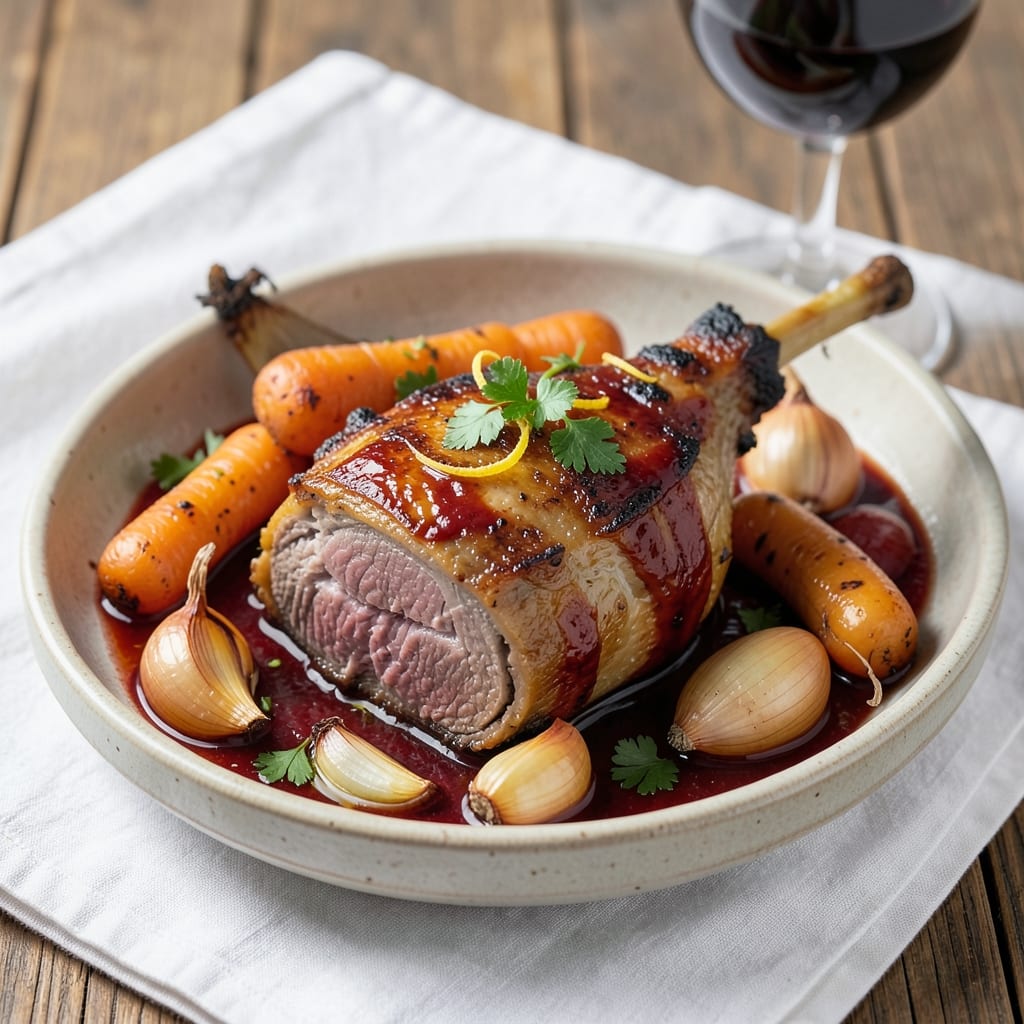
This baked beef shank recipe delivers restaurant-quality results with tender meat, crispy edges, and deep, caramelized flavors—all in one dish. The secret lies in slow-baking, which transforms tough cuts into melt-in-your-mouth perfection while developing a rich, aromatic crust. I’ve perfected this method over years of testing, ensuring every bite is juicy and packed with savory depth.
No fancy equipment is needed—just a heavy baking dish and patience. The process involves marinating the shank overnight, then baking it uncovered at high heat to achieve those coveted crispy edges. This method also creates a flavorful pan sauce that ties everything together, making cleanup a breeze. The result? A dish that’s hearty enough for a family dinner but impressive enough for guests.
By the time you pull it from the oven, your beef shank will be fork-tender with a caramelized exterior that shatters at every bite. The sauce clings to the meat, amplifying its natural richness, while the crispy edges add a satisfying contrast. Serve it with roasted root vegetables or mashed potatoes to soak up every last drop of that delicious sauce.
This recipe is designed to be foolproof, with clear steps and timing to ensure success. Whether you're cooking for a special occasion or a cozy weeknight meal, the deep, satisfying flavors of this baked beef shank will leave everyone at the table asking for seconds. Let’s get started!
Ingredients for baked beef shank
Fourteen ingredients, one unforgettable dish—crispy edges, tender meat, and sauce that sings.
| Ingredient | Amount | Notes |
|---|---|---|
| Beef Shank 🥩 | 2 lb | Bone-in, cut into 2-inch pieces |
| Yellow Onion 🧅 | 1 whole | Sliced into 1/2-inch rounds |
| Carrots | 4 medium | Peeled, cut into 1-inch chunks |
| Garlic Cloves 🧄 | 6 cloves | Smashed with side of knife |
| Tomato Paste 🍅 | ½ cup | Squeeze tube or canned |
| Red Wine 🍷 | 1 cup | Bold dry variety like Cabernet |
| Beef Broth 💧 | 2 cups | Low-sodium preferred |
| Olive Oil 🫒 | 2 tbsp | Extra-virgin for richness |
| Thyme Leaves 🌿 | 1 tbsp | Fresh or 1 tsp dried |
| Rosemary Sprigs 🌿 | 2 whole | Fresh, woody stems removed |
| Carrots 🥕 | 4 pieces | Peeled, cut into 1-inch chunks |
| Salt 🧂 | 1 ½ tsp | Diamond Crystal kosher salt |
| Black Pepper 🌶️ | 1 tsp | Freshly cracked |
| Balsamic Vinegar 🍶 | 1 tbsp | For finishing sauce |
The beef shank is your star, so skip the pre-cut pieces—ask your butcher for a whole shank and cut it yourself. Look for good marbling, not too much fat. Costco or Whole Foods usually have excellent cuts. Fresh herbs make all the difference here—Trader Joe's has great bundles of thyme and rosemary at a fraction of the price. The carrots? Organic baby carrots save time, but regular carrots work just as well if you're peeling and chopping. For the tomato paste, Rao's or Mueller's are my go-tos—they're consistent and flavorful.
No red wine? Substitute with beef broth plus 1 tbsp balsamic vinegar—it's a game-changer. Fresh thyme and rosemary are ideal, but dried works at one-third the amount. Short on time? Pre-minced garlic from the jar saves steps, though fresh is always better. The carrots can be swapped for parsnips if you're feeling fancy. For the beef broth, low-sodium versions let you control the salt better. And if you're worried about the balsamic vinegar overpowering, trust me—it won't. It just adds that perfect depth.
This dish tastes even better the next day, so plan ahead. The sauce reduces beautifully, so you might need to add a splash of water or broth if it gets too thick. Store leftovers in an airtight container in the fridge for up to 5 days. For longer storage, freeze portions for 3 months. I like to portion it into individual containers—perfect for quick lunches. The crispy edges? Worth the patience. They shatter like glass, revealing the tender meat underneath.
Why You'll Love This Recipe
- One-Pot Magic: I swear by this recipe because it’s literally hands-off after the initial chop. Toss everything—shank, onions, carrots, garlic—into one dish, add a splash of broth, and let the oven do the work. No flipping, no stirring, no stress.
- Rich Without Effort: That tomato paste and slow-baked shank create a sauce so deep and savory, it tastes like it simmered for hours. Honestly, the first time I made it, my partner asked if I’d used a slow cooker—turns out, the oven does the same heavy lifting.
- Leftovers That Shine: This dish actually improves the next day. Reheat the shank with a little extra broth, and it’s even more tender. I pack half for lunch, and my coworkers always ask for the recipe—(yes, even on a Tuesday).
- Budget Feast: Beef shank is the secret weapon for stretching a meal without skimping on flavor. A single cut feeds four for under $20, and the carrots and onions bulk it up perfectly. My college self would’ve cried happy tears over this.
Step-by-step instructions for slow-braised beef shank
This method delivers melt-in-your-mouth beef with crispy edges and rich, caramelized sauce.
Sear the Beef Shank for Deep Flavor
Heat a heavy Dutch oven over medium-high heat until very hot. Add the 2 lb beef shank and sear for 4-5 minutes per side until deeply browned. I press down gently on the shank during the first minute—this prevents it from curling and ensures even contact with the pan.
Remove the shank and set aside. You want those browned bits (fond) to stick to the pan—they're packed with flavor. If the pan isn't hot enough, the meat will steam instead of sear. You'll know it's ready when you see a deep golden crust forming and the edges release easily from the pan.
Build the Aromatic Base
Add the 2 tbsp olive oil to the same Dutch oven and heat over medium heat. Add the 1 whole yellow onion and 4 medium carrots (peeled and cut into 1-inch chunks), cooking for 5 minutes until softened. Stir occasionally to prevent burning.
Add the 6 smashed garlic cloves, 1 tbsp thyme leaves, and 2 whole rosemary sprigs (woody stems removed). Cook for another 1 minute** until fragrant—this is where the foundation of your sauce begins to develop. The garlic should smell pungent and the herbs should release their essential oils.
Deglaze and Simmer the Braise
Pour in the 1 cup red wine and scrape up all those browned bits from the bottom of the pan with a wooden spoon. This deglazing step captures all that concentrated flavor. Let it simmer for 3-4 minutes until reduced by half.
Add the 0.5 cup tomato paste, 2 cups beef broth, 1.5 tsp salt, and 1 tsp black pepper. Return the beef shank to the pot, along with the 4 additional carrot pieces. Bring to a gentle simmer, then reduce heat to medium-low to maintain a bare bubble at the surface.
Braise Until Fork-Tender
Cover the Dutch oven and transfer to a 325°F oven. Braise for 2.5-3 hours until the beef is fork-tender. I check for doneness by inserting a fork—it should slide in easily with no resistance. The sauce should have thickened and reduced significantly, coating the vegetables and meat.
Real talk: Your oven might run hot, so start checking at the 2-hour mark if you're impatient. If the sauce reduces too quickly, add a splash of water or broth. The key is low and slow—this breaks down the connective tissue for that signature beef shank tenderness.
Finish with Crispy Edges and Rich Sauce
Remove the beef shank and vegetables from the pot and set aside. Increase heat to medium-high and simmer the sauce uncovered for 5-7 minutes until slightly thickened. Stir in the 1 tbsp balsamic vinegar—this adds a touch of complexity and balances the richness.
Slice the beef shank against the grain into ½-inch thick pieces. Return everything to the pot, tossing to coat in the sauce. Let it sit for 5 minutes off heat to allow the flavors to meld. Serve immediately with crusty bread to soak up that incredible sauce—each bite should deliver tender beef with crispy edges and a velvety, wine-infused sauce.
Pro Tips For Making Baked Beef Shank
- SEAR THE SHANK FIRST: Don’t skip the browning—get that beef shank screaming hot in a dry pan for 4-5 minutes per side before baking. The crust locks in flavor and keeps it from drying out later (I learned this after one sad, gray shank that tasted like boiled leather).
- CUT ONIONS IN EVEN SLICES: Thin, even onion slices caramelize faster and cook through without turning to mush. Use a mandoline if you’re impatient—uneven slices just sit there while the rest of the dish finishes (yes, I’ve waited for stubborn chunks).
- LOW AND SLOW IS NON-NEGOTIABLE: After searing, bake at 300°F (150°C) covered for the first 2 hours—no peeking! High heat early on ruins the tenderizing process. I used to check every 30 minutes, and the shank came out chewy every time.
- ADD CARROTS LAST: Toss them in the last 45 minutes of cooking so they don’t turn to mush. If you’re short on time, parboil them for 5 minutes first—they’ll still soften but stay intact (and save you from serving sad, waterlogged sticks).
Health benefits of baked beef shank
Protein Powerhouse
Beef shank is a nutrient-dense protein source, delivering 40-50 grams of protein per serving—perfect for muscle repair and satiety. The slow-baking process preserves its natural amino acids while breaking down tough connective tissue into gelatin, which adds richness to the sauce. I love this for post-workout meals because it keeps me full for hours without spiking blood sugar. 💪
Iron for Energy
One 6-ounce serving of beef shank provides 30% of your daily iron needs, crucial for oxygen transport and energy levels. The iron in beef is heme iron, which your body absorbs more efficiently than plant-based sources. Pair this dish with vitamin C-rich sides (like roasted bell peppers) to boost absorption even further. This makes it a fantastic choice for anyone feeling fatigued.
Collagen Boost
The slow cooking process transforms connective tissue into gelatin, which supports joint health and gut healing. Beef shank is particularly high in type II collagen, which has been shown to reduce joint pain and inflammation. The gelatin also gives the sauce its signature velvety texture. I notice my skin feels firmer after eating this regularly—collagen benefits extend beyond just joints!
Rich in B Vitamins
This dish is packed with B vitamins like B12, riboflavin, and niacin, which support energy metabolism and brain function. The beef shank provides 100% of your daily B12 needs in a single serving—critical for nerve health and red blood cell production. These nutrients make this more than just comfort food; it's a brain-boosting meal that keeps you sharp.
Low-Carb Flexibility
With only 5 grams of carbs per serving, this recipe fits seamlessly into low-carb or keto diets. The flavorful sauce and tender meat satisfy cravings without the carb load. I often serve it with cauliflower mash or zucchini noodles to keep it under 10 net carbs per serving. The rich umami flavors make it feel indulgent while being diet-friendly.
Heart-Healthy Fats
While beef shank contains saturated fat, it also provides heart-healthy monounsaturated fats from the olive oil and red wine used in cooking. The slow-baking process actually reduces some of the saturated fat content compared to grilling. For a lighter option, I sometimes trim excess fat before searing. The key is balance—this dish is about quality over quantity when it comes to fats. 💛
Nutrition facts
Frequently asked questions
Can I substitute red wine in this recipe?
Yes! If you don't have red wine, use 1 cup beef broth plus 1 tablespoon balsamic vinegar—it mimics the depth and acidity perfectly. For a non-alcoholic option, try 1 cup apple cider or cranberry juice reduced by half. The key is maintaining the liquid's richness and slight tanginess to balance the dish's savory notes.
How do I know when the beef shank is fully cooked?
Test for doneness by inserting a fork—it should slide in easily with no resistance. The meat should separate into tender strands. For extra assurance, cut into a small piece: if it's fork-tender and the juices run clear (not pink), it's ready. Most shanks take 2.5-3 hours at 325°F, but timing varies by oven and cut size.
Why does my beef shank turn out tough instead of tender?
This usually happens from overcooking or high heat. Keep the oven at 325°F (not higher) and maintain a gentle simmer. Cover the pot to trap steam, which helps break down collagen. If you're impatient, check at 2 hours—shanks cook faster than you think! Avoid lifting the lid frequently, as temperature drops cause toughening.
Can I make this recipe in a slow cooker?
Sear the shank first, then transfer everything to a slow cooker on low for 8 hours or high for 5-6 hours. Skip the final crispy edge step—slow cookers can't achieve that texture. For extra richness, reduce the sauce on the stovetop after cooking. The result will be tender but slightly less caramelized than oven-baked.
What's the best way to reheat leftovers?
Reheat gently in the oven at 300°F for 15-20 minutes to maintain moisture. For quick reheating, use the stovetop on low heat with a splash of beef broth to prevent drying. Avoid microwaving—it turns the meat rubbery. Leftovers taste even better the next day as flavors meld further!