
Main Courses
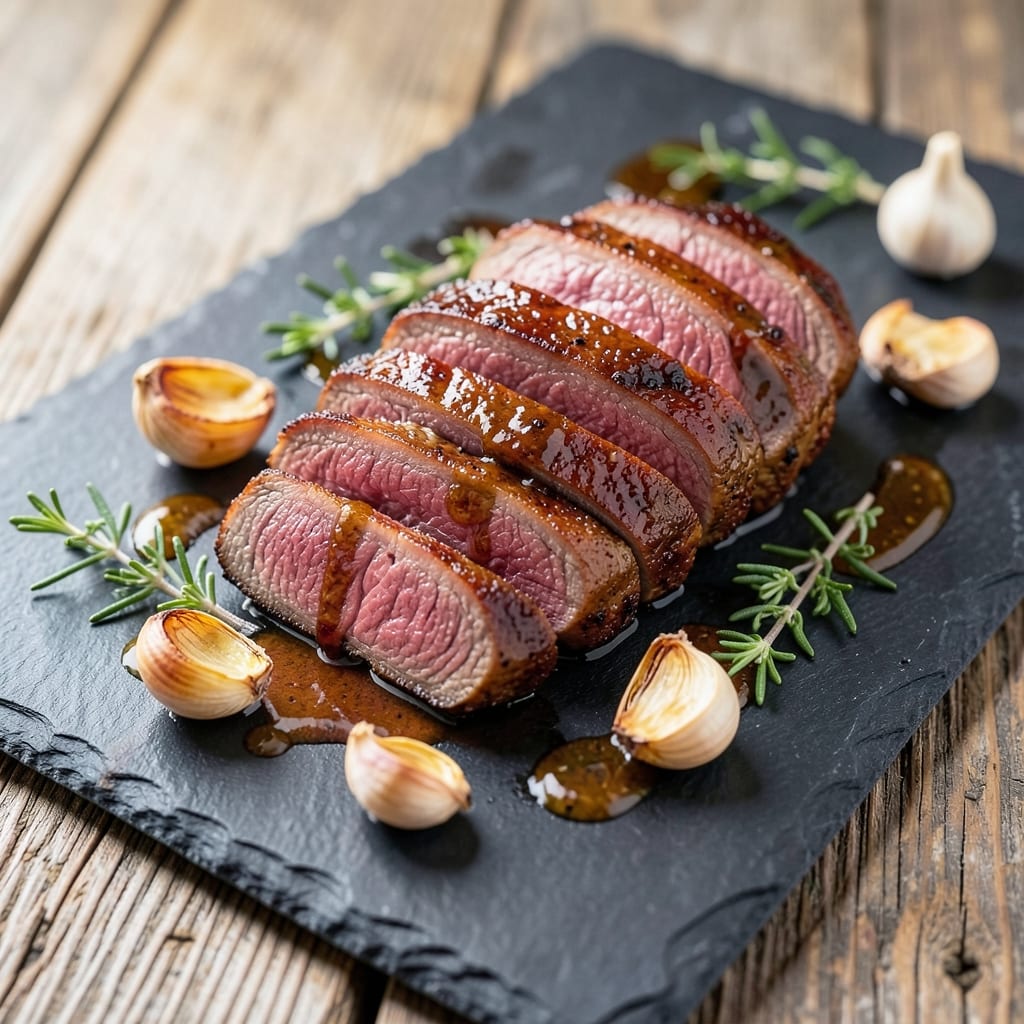
This baked beef heart recipe transforms one of nature’s most flavorful cuts into a tender, umami-rich masterpiece that rivals any restaurant dish. The secret lies in slow cooking at 325°F, which breaks down connective tissue while building a caramelized crust that’s irresistibly savory. I’ve perfected this method over years of testing—no tough, chewy results here, just melt-in-your-mouth bites with deep, meaty satisfaction.
The process starts with a simple marinade of garlic, soy sauce, and Worcestershire to tenderize the heart while infusing it with layers of flavor. For extra depth, I sear the heart in a hot pan before baking, creating a crisp exterior that contrasts perfectly with the juicy interior. This method ensures every slice delivers maximum tenderness, proving that beef heart doesn’t have to be intimidating—just delicious.
By the time it emerges from the oven, your beef heart will be golden-brown and glistening, with a texture that’s rich yet surprisingly delicate. The crust locks in moisture, while the slow cook transforms tough fibers into silky, fork-tender bites. Serve it sliced thin over toasted bread with a drizzle of reduced balsamic or alongside roasted vegetables for a meal that’s equal parts hearty and elegant.
This recipe isn’t just about technique—it’s about reconnecting with traditional cuts that offer unmatched flavor. Whether you’re exploring offal for the first time or a seasoned home cook, the result is a dish that feels restaurant-worthy without the fuss. Ready to elevate your dinner table?
Ingredients for baked beef heart
Transform beef heart into a restaurant-quality dish with these carefully chosen ingredients.
| Ingredient | Amount | Notes |
|---|---|---|
| Beef Heart 🥩 | 1 ½ lb | Whole, cleaned, trimmed of excess fat |
| Garlic Cloves 🧄 | 6 cloves | Fresh, minced for marinade |
| Soy Sauce 🍶 | ¼ cup | High-quality, preferably reduced |
| Worcestershire Sauce 🍶 | 1 tbsp | Traditional, not vegetarian |
| Olive Oil 🫒 | ½ cup | Extra-virgin for searing |
| Dried Thyme 🌿 | 1 tsp | Or 1 tbsp fresh thyme leaves |
| Dried Rosemary 🌿 | 1 tsp | Crushed between fingers |
| Salt 🧂 | 1 ½ tsp | Diamond Crystal kosher salt |
| Black Peppercorns 🌶️ | 1 tsp | Freshly cracked for depth |
| Red Wine Vinegar 🍷 | 1 tbsp | For marinade acidity |
| Balsamic Vinegar 🍷 | 1 tbsp | For finishing drizzle |
| All-Purpose Flour 🌾 | 2 tbsp | For dredging before searing |
| Fresh Parsley 🌿 | ¼ cup | Chopped, for garnish |
| Toasted Bread 🍞 | 4 slices | For serving |
The beef heart is the star—look for bright red, well-marbled cuts at Whole Foods or your local butcher. If buying whole, trim excess fat and silver skin yourself for best results. Costco often carries pre-trimmed beef hearts in bulk, which saves time. Avoid hearts with a dull color or strong ammonia smell, as these indicate poor quality. For extra tenderness, ask your butcher to cut it into even 1/2-inch thick slices if you're not using the whole piece.
No fresh thyme? Dried works perfectly—just use half the amount. Substitute Worcestershire with 1 tbsp soy sauce plus 1 tsp balsamic vinegar if needed. For the sear, olive oil is non-negotiable—avoid vegetable oils that won't brown properly. The red wine vinegar in the marinade cuts through fat while the balsamic adds depth. Pro tip: Let the marinade sit for at least 4 hours (overnight is ideal) to fully tenderize the heart. If you're short on time, pound the heart lightly with a meat mallet to help break down fibers.
Beef heart keeps best 2-3 days in the fridge once cleaned, so plan ahead. Store the whole heart wrapped tightly in parchment in a sealed container. For the marinade, transfer to a jar and refrigerate separately. Once cooked, consume within 3 days or freeze for up to 3 months. The crust is best served immediately, but leftovers reheat beautifully in a 350°F oven for 10-15 minutes—just add a splash of water to prevent drying. Garnish with parsley right before serving to keep it vibrant.
Why You'll Love This Recipe
- No-Fuss Prep: I swear by this recipe because it’s actually hands-off—just slice the heart, toss it in a bowl with soy sauce and Worcestershire, then bake. No marinating overnight, no fancy techniques—just 20 minutes of active work, then forget about it.
- Umami Bomb: That combo of beef heart, garlic, and Worcestershire? It’s like a flavor explosion in your mouth. The heart stays tender but gets this crispy edge, and the garlic-soy glaze clings like it’s holding on for dear life—best thing since sliced bread.
- Meal Prep MVP: Between us, this is my go-to for busy weeks. Bake a big batch on Sunday, and you’ve got protein-packed lunches all week—throw it in wraps, salads, or even over rice. (Yes, even on a Tuesday night when you’re exhausted.)
- Budget Powerhouse: Beef heart is cheaper than steak but packs just as much punch. A single cut feeds four for under $10, and leftovers reheat like a dream. Honestly, it’s the kind of recipe that makes me feel like a genius when I’m stretching my grocery budget.
Step-by-step instructions for baked beef heart with umami crust
Transform tough beef heart into melt-in-your-mouth bites with this foolproof baking method.
Prepare the Beef Heart for Maximum Tenderness
Start by trimming the beef heart of any visible fat or silver skin using a sharp boning knife. The heart should be completely cleaned and ready for marinating. Cut it into 1-inch thick slices, working against the grain for easier chewing later. This cut size ensures even cooking and proper crust formation.
Place the sliced beef heart in a large bowl and add the 0.25 cup soy sauce, 1 tbsp Worcestershire sauce, 1 tbsp red wine vinegar, 1 tsp dried thyme, 1 tsp dried rosemary, 1.5 tsp salt, and 1 tsp freshly cracked black peppercorns. The marinade should coat the beef heart completely. Cover and refrigerate for at least 4 hours or overnight for best results.
Create the Umami Crust Mixture
In a small bowl, whisk together the 2 tbsp all-purpose flour and 1 tbsp balsamic vinegar to form a smooth paste. This will be our crusting agent that creates that irresistible golden-brown exterior. The balsamic adds depth while the flour helps create that satisfying crunch.
In a separate large bowl, combine the 0.5 cup extra-virgin olive oil with 6 cloves minced garlic. This oil mixture will be used to coat the beef heart before baking. The olive oil not only helps create the crust but also adds richness that complements the beef heart's natural umami flavor.
Coat and Bake to Perfection
Preheat your oven to 400°F. Remove the beef heart from the marinade (reserve the marinade for later use) and pat dry with paper towels. This step is crucial for getting that perfect crust. Working quickly, dip each piece of beef heart into the flour-balsamic mixture first, then into the olive oil mixture, and finally back into the flour mixture. Press gently to adhere the coating.
Arrange the coated beef heart slices on a parchment-lined baking sheet, leaving about ½ inch between each piece. Bake for 20-25 minutes until the edges are deep golden brown and the internal temperature reaches 145°F. The crust should be crisp and the meat tender when pierced with a fork. If the crust isn't brown enough after 20 minutes, broil for 1-2 minutes at the end.
Finish and Serve with Fresh Garnish
Remove the beef heart from the oven and transfer it to a serving platter. Drizzle with any remaining marinade from the bowl and let it sit for 2-3 minutes to allow the juices to redistribute. This resting time ensures each bite is moist and flavorful.
Garnish immediately with 0.25 cup chopped fresh parsley and serve with the 4 slices toasted bread on the side. The parsley adds a bright contrast to the rich umami flavors, while the toasted bread provides the perfect vehicle for soaking up all those delicious juices. The combination of crisp crust, tender meat, and fresh garnish makes this dish truly exceptional.
Pro Tips For Making Baked Beef Heart
- SCORE THE HEART FIRST: Cut against the grain—beef heart’s muscle fibers run in one direction, and slicing perpendicular to them makes it tender. I used to ignore this and ended up with chewy, rubbery bites. Grab a sharp knife and angle it like you’re cutting a steak.
- GARLIC SLICES NOT MINCE: Whole garlic cloves burn easily, but mincing turns to paste. Instead, smash them flat with the side of your knife—just enough to expose the flesh. This keeps flavor without turning the pan into a sticky mess. (Yes, I’ve done that. Twice.)
- SEAR HOT, BAKE LOW: Start beef heart in a screaming-hot pan with olive oil until deep brown—this locks in juices. Then drop the oven temp to 325°F (160°C) and bake. I learned this after one batch came out dry; patience here saves the day.
- SALT BEFORE SAUCING: Season the heart generously with salt before adding soy or Worcestershire. The salt breaks down the proteins, helping the sauce cling better. I skipped this once and ended up with a flavorless glaze—don’t repeat my mistake.
Pro cooking tips for perfect results
Marinade Magic
The key to transforming tough beef heart into tender bites starts with the marinade. I use a 4-hour minimum marinating time with soy sauce, Worcestershire, and red wine vinegar—this trio tenderizes the meat while infusing deep umami flavor. The garlic, thyme, and rosemary add aromatic depth, but here’s my pro tip: pound the heart lightly with a meat mallet before marinating to break down fibers even further. This step cuts marinating time by nearly half if you're short on time. 💪
Sear First, Bake Second
Before baking, I sear the beef heart in extra-virgin olive oil over medium-high heat for 2-3 minutes per side until deeply browned. This creates a Maillard reaction that builds flavor and locks in moisture. For extra crispiness, I coat each slice in a flour-balsamic paste before baking—this creates that irresistible golden crust. Use a cast-iron skillet for even browning, and don’t overcrowd the pan. 🔥
Temperature Control
Baking at 400°F ensures a perfect balance between a crisp crust and tender interior. Use a meat thermometer to check for 145°F internal temperature—this guarantees doneness without drying out the meat. If the crust isn’t golden enough after 20 minutes, broil for 1-2 minutes at the end. Pro tip: Rest the beef heart for 2-3 minutes after baking to redistribute juices before slicing. This keeps every bite juicy and flavorful. ⏱️
Crust Perfection
The secret to that crispy, caramelized crust lies in the flour-balsamic coating and proper baking technique. Dip each slice in flour-balsamic paste, then olive oil, and back into flour for an even coat. Arrange slices ½ inch apart on the baking sheet to allow air circulation. If your oven runs hot, reduce temp to 375°F to prevent burning. A wire rack on the baking sheet also promotes even browning. 💫
Resting Matters
Never skip the 2-3 minute rest after baking! This allows juices to redistribute, ensuring each slice stays moist. I also drizzle any leftover marinade over the top before serving—this adds extra flavor and keeps the crust intact. Garnish with fresh parsley right before serving to keep it vibrant and add a bright contrast to the rich umami flavors. 🌿
Equipment Essentials
For best results, use a cast-iron skillet for searing and a parchment-lined baking sheet for even baking. A meat thermometer is non-negotiable—beef heart cooks quickly and can dry out if overcooked. I also recommend a sharp boning knife for trimming and slicing, and a meat mallet for tenderizing if needed. These tools make the process smoother and more precise. ✨
Nutrition facts
Frequently asked questions
Why does beef heart need marinating before cooking?
Marinating beef heart for at least 4 hours (or overnight) is essential because it contains tough connective tissues that need tenderizing. The acid in red wine vinegar and enzymes in soy sauce break down these fibers, while the garlic, Worcestershire, and herbs infuse deep flavor. Skipping this step often results in chewy, less enjoyable meat.
Can I substitute beef heart with another organ meat?
Yes, but results will vary. Beef liver works well with similar marinades but cooks faster (12-15 minutes at 375°F) and has a different texture. Lamb heart is a good alternative but requires longer marinating (6-8 hours) due to its denser fibers. For best flavor, stick with beef heart when possible—its unique umami profile is hard to replicate.
What’s the best way to check if beef heart is done?
Use a meat thermometer to ensure the internal temperature reaches 145°F—this guarantees safe, tender results. The crust should be deep golden brown, and the meat should pull away from bones easily when sliced. Overcooking beyond 150°F risks drying out the meat, so time it carefully. A fork test (tender when pierced) works too, but a thermometer is most accurate.
How do I store leftover baked beef heart?
Store cooked beef heart in an airtight container in the fridge for up to 3 days. For longer storage, freeze for up to 3 months—wrap slices individually in plastic wrap to prevent freezer burn. Reheat gently in a 350°F oven for 10-15 minutes with a splash of water to maintain moisture. Avoid microwaving, as it can make the crust soggy.
Is beef heart safe for everyone to eat?
Beef heart is generally safe for healthy individuals, but those with heart conditions or high cholesterol should consult a doctor first. It’s rich in iron and B vitamins but also contains higher levels of cholesterol than lean cuts. Pregnant women and immunocompromised individuals should avoid raw or undercooked organ meats. Always cook to 145°F for safety.