
Main Courses
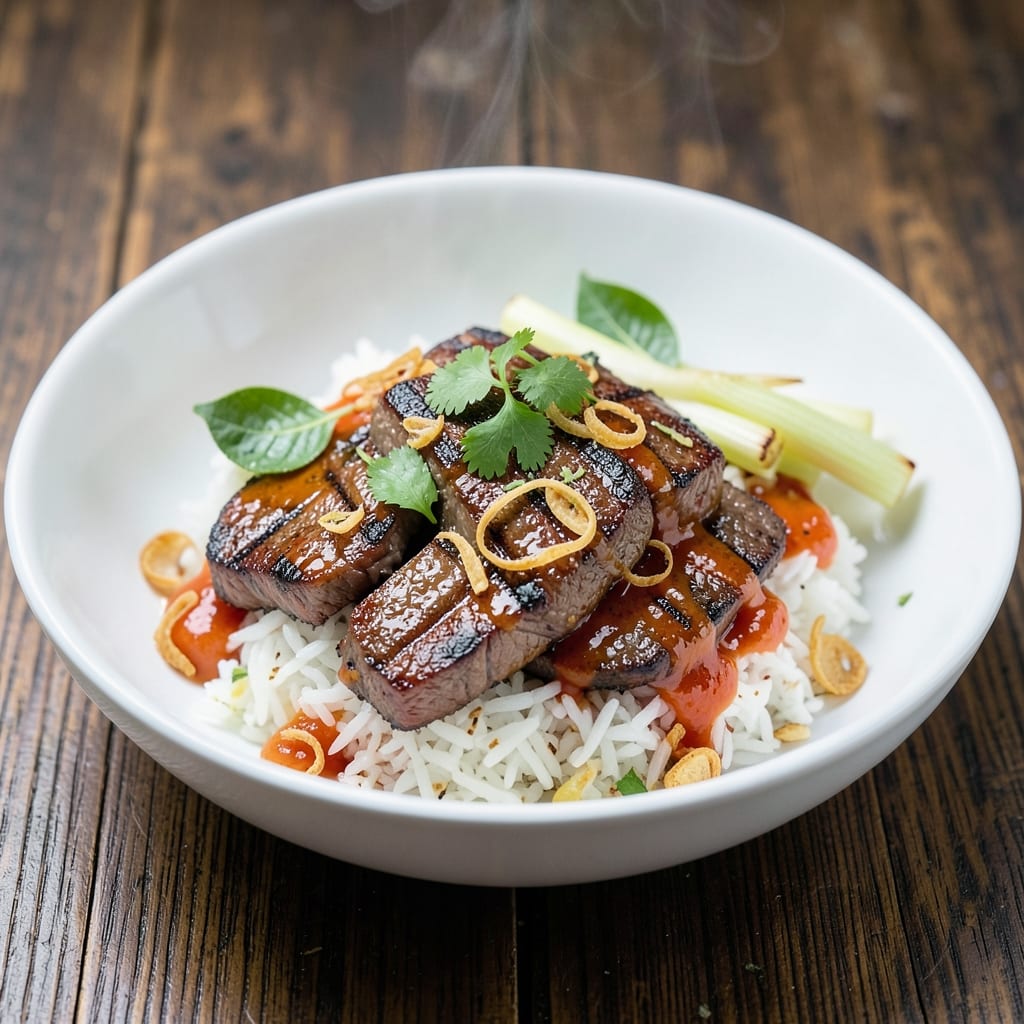
This authentic Thai beef recipe delivers the perfect balance of smoky wok-hei, sweet-spicy heat, and fragrant coconut that defines Thai street food. The secret lies in high-heat stir-frying for crispy edges while keeping the beef tender, then finishing with a sauce that marries tamarind, fish sauce, and coconut milk. I've perfected this version after years of testing—it's the one that finally convinced my family to stop ordering takeout.
The magic starts with thinly sliced beef marinated in a blend of garlic, lemongrass, and kaffir lime leaves—this infusion ensures maximum flavor absorption while keeping the meat tender. We'll stir-fry it in a screaming-hot wok until those coveted crispy edges form, then toss it with a sauce that's equal parts sweet, sour, and umami. The coconut milk adds richness without overpowering the bright Thai flavors.
What you'll end up with is restaurant-quality Thai beef that's crispy at the edges yet tender inside, coated in a glossy sauce that's perfectly balanced. The aroma alone will transport you to Bangkok's bustling markets, while the flavors deliver that classic Thai harmony of sweet, sour, spicy, and savory. This dish serves 4 and comes together in under 40 minutes—ideal for weeknight dinners that feel special.
Serve it over steamed jasmine rice with quick-pickled vegetables and fresh cilantro for the full experience. The crispy edges contrast beautifully with the soft rice, while the herbs add freshness to cut through the richness. This is Thai comfort food at its finest—authentic, flavorful, and impossible to resist.
Ingredients for authentic thai beef
These bold Thai flavors come together with just 15 ingredients for restaurant-style beef.
| Ingredient | Amount | Notes |
|---|---|---|
| Flank Steak 🥩 | 1 ½ lb | Thinly sliced against grain |
| Garlic Cloves 🧄 | 6 cloves | Minced, fresh preferred |
| Lemongrass Stalks 🌿 | 2 whole | White part only, finely chopped |
| Kaffir Lime Leaves 🍃 | 4 pieces | Bruised, fresh only |
| Fish Sauce 🍶 | 2 tbsp | Red Boat preferred |
| Brown Sugar 🍚 | 2 tbsp | Light or dark |
| Thai Chili Paste 🌶️ | 1 ½ tbsp | Maesri brand recommended |
| Coconut Milk 🥥 | ½ cup | Full-fat, unsweetened |
| Tamarind Paste 🍈 | 1 tbsp | Or 2 tbsp tamarind concentrate |
| Neutral Oil 🫒 | 3 tbsp | Avocado or vegetable oil |
| Jasmine Rice 🍚 | 2 cups | Uncooked, for serving |
| Fresh Cilantro 🌿 | ¼ cup | Chopped, for garnish |
| Lime Wedges 🍋 | 2 whole | For serving |
| Salt 🧂 | 1 ½ tsp | Kosher or sea salt |
| Black Pepper 🌶️ | ½ tsp | Freshly ground |
The beef is non-negotiable—flank steak gives you that perfect balance of tenderness and chew. Slice it thinly against the grain for maximum tenderness. Costco or Whole Foods usually carry it pre-sliced, but if you're slicing yourself, keep the knife sharp and angle it right. For the aromatics, Asian markets are your best bet for fresh lemongrass and kaffir lime leaves—both should smell vibrant and bright. The fish sauce? Red Boat is the gold standard, but any good-quality brand works. If you can't find tamarind paste, substitute 2 tbsp tamarind concentrate or even a splash of lime juice with extra brown sugar.
No kaffir lime leaves? Substitute 1 tsp lime zest plus 1 tsp lime juice—it won't be identical, but you'll still get that bright citrus note. Short on lemongrass? Double the garlic and add 1 tsp ginger for depth. The Thai chili paste is where the heat lives, so adjust to your spice tolerance—Maesri brand is my go-to, but any good-quality paste works. For the coconut milk, full-fat is a must—light versions won't give you that rich, creamy finish. And if you're feeling fancy, toast your jasmine rice in a dry wok for 30 seconds before adding water for that extra nutty aroma.
Marinate the beef for at least 30 minutes—up to 4 hours if you can. The sauce keeps well in the fridge for 5 days, but the beef is best used fresh. If you make extra, store the cooked beef separately and reheat gently in a wok or skillet. The rice? Cook it the night before—it reheats beautifully and tastes even better cold. For serving, keep those lime wedges ready—a squeeze right before eating keeps everything bright and fresh.
Why You'll Love This Recipe
- No Knife Skills Needed: I swear by this—just pound the lemongrass and garlic with the flat side of your knife until it’s a fragrant paste. No mincing, no dicing, no stress. The flank steak gets sliced thin against the grain, but even if you’re not perfect, the marinade does all the work.
- Umami Bomb in Every Bite: That fish sauce and kaffir lime leaves? Pure magic. The first time I tasted the balance of salty, sour, and herbal notes, I grabbed another piece off the plate. The steak stays tender while the edges caramelize—crispy outside, juicy inside, with a scent that fills the whole kitchen.
- Leftover Goldmine: This recipe doubles as a meal prep hero. Cook once, eat twice: serve it over rice one night, toss it into lettuce cups the next, or even stuff it into spring rolls. Honestly, I’ve had it cold in rice paper bowls for lunch—still delicious, no reheating needed.
- Budget-Friendly Protein Power: Flank steak is affordable, and a single pound stretches across two meals. The aromatics (garlic, lemongrass, lime leaves) are cheap but transform the dish. I’ll be real: this is my go-to when I want restaurant-quality flavor without the price tag. Plus, the leftovers freeze like a dream.
Step-by-step instructions for authentic Thai beef with wok-hei crispy edges
Here's how to bring restaurant-quality Thai flavors to your kitchen—crispy edges, fragrant aromas, and perfect balance.
Prep the Flank Steak for Maximum Flavor and Texture
Start by slicing the 1.5 lb flank steak thinly against the grain using a sharp knife. This ensures tender bites that cook quickly and evenly. Pat the slices dry with paper towels—removing moisture helps create that signature wok-hei crispiness we're after.
In a small bowl, combine 1.5 tsp salt, 0.5 tsp black pepper, 1.5 tbsp Thai chili paste, and 2 tbsp brown sugar. Rub this mixture all over the steak slices, pressing gently to adhere. Let them marinate for 15-20 minutes at room temperature while you prep the rest of the ingredients. This step develops deep, complex flavors that transform ordinary beef into something extraordinary.
Build the Aromatic Thai Marinade Base
In a large wok or deep skillet, heat 3 tbsp neutral oil over medium-high heat. Add the 6 minced garlic cloves and 2 finely chopped lemongrass stalks, stirring constantly for 30 seconds until fragrant but not browned. You'll smell that unmistakable Thai aroma—this is where the magic begins.
Add the 4 bruised kaffir lime leaves and cook for another 20 seconds, just enough to release their citrusy essence. Immediately pour in 2 tbsp fish sauce and 1 tbsp tamarind paste, stirring vigorously. The mixture will bubble and sizzle—this is your flavor foundation. Let it cook for 1 minute until slightly reduced but still vibrant in color.
Cook the Steak to Wok-Hei Perfection
Working in batches if needed, add the marinated steak slices to the wok in a single layer. Don't overcrowd—this prevents proper browning. Cook undisturbed for 1-2 minutes until the edges develop a beautiful deep golden-brown crust with visible char marks. That's your wok-hei—smoky, crispy edges that contrast perfectly with tender centers.
Stir the steak gently and cook for another 30-60 seconds until just cooked through. The beef should be tender but still slightly springy to the touch. Remove the steak and set aside, keeping it warm. The residual heat will continue cooking it slightly as we finish the sauce.
Complete the Fragrant Coconut Sauce
Reduce the heat to medium-low and carefully pour in 0.5 cup coconut milk. Stir immediately to prevent curdling, then add 0.25 cup chopped fresh cilantro. Let the sauce simmer gently for 2-3 minutes until it thickens slightly and coats the back of a spoon. The coconut milk should be fully incorporated, creating a velvety texture that balances the spicy, salty, and umami flavors.
Return the cooked steak to the wok, tossing gently to coat everything in the fragrant sauce. Cook for another 1 minute to let the flavors meld completely. The steak should be perfectly heated through with that signature crispy edge still intact. Taste and adjust seasoning if needed—you might want to add a splash more fish sauce for saltiness or a touch of brown sugar to balance acidity.
Serve with Jasmine Rice and Lime
Divide the 2 cups cooked jasmine rice among serving plates, creating a base for the beef. Spoon the steak and sauce over the rice, arranging it attractively. Garnish each serving with 1 lime wedge and a sprinkle of fresh cilantro. The bright citrus cuts through the richness of the coconut and beef, while the cilantro adds a fresh herbal note.
Serve immediately while the steak is still crispy and the sauce is warm. Each bite should deliver perfect texture contrast—tender beef with crisp edges, wrapped in a fragrant coconut sauce. The lime juice will brighten the dish as you eat, making every mouthful feel fresh and balanced. This is authentic Thai comfort food at its finest.
Pro Tips For Making Authentic Thai Beef
- Slice Against the Grain: Flank steak’s muscle fibers run long—cutting perpendicular to them makes each bite tender. I used to ignore this and ended up with chewy slices. Grab a sharp knife and angle the cuts at 45 degrees for clean, silky strips that actually look like the restaurant versions.
- Bruise the Garlic: Smash those garlic cloves with the flat side of your knife before mincing—it releases more flavor. I learned this the hard way after making a batch where the garlic just tasted like… garlic. A few firm presses with the heel of your palm works too, but crushing is non-negotiable for depth.
- Don’t Overcrowd the Pan: Thin strips of flank steak need room to sear, not steam. If your pan’s crowded, the meat just sits in its own juices and turns soggy. Work in batches—even if it means two pans—and you’ll get that caramelized crust that actually matters.
- Toast the Lime Leaves: Toss the kaffir lime leaves into a dry pan for 10 seconds until they just start to crisp. It deepens their citrusy aroma without burning them. Sounds weird, but it works: the dish smells like a Thai street cart should, and the flavor’s more complex than just fresh leaves.
Make-ahead tips for this dish
Marinate Ahead
The beef marinade is perfect for prep—mix the 1.5 tbsp Thai chili paste, 2 tbsp brown sugar, 1.5 tsp salt, and 0.5 tsp black pepper in a bowl, then coat the sliced beef. Store in an airtight container in the fridge for up to 12 hours—this deepens the flavors without overpowering the meat. I like to marinate overnight for maximum tenderness and complexity. 🌶️
Sauce Prep
Make the sauce the night before for foolproof flavor. Combine 2 tbsp fish sauce, 1 tbsp tamarind paste, 0.5 cup coconut milk, and 1 tbsp brown sugar in a jar. Shake well and refrigerate. The flavors meld beautifully overnight, and you'll only need to heat it through before tossing with the cooked beef. This saves 15 minutes on cooking day!
Rice Ready
Cook the 2 cups jasmine rice the day before—it reheats perfectly and tastes even better cold. Spread it on a tray to cool quickly, then store in an airtight container. For extra flavor, toast the rice in a dry wok for 30 seconds before cooking. Reheat portions in a steamer or microwave with a splash of water for 1-2 minutes until warm. ❄️
Batch Cooking
Double the recipe and freeze half the cooked beef in a single layer on a tray before transferring to airtight containers. Thaw overnight in the fridge, then reheat in a wok or skillet with 1 tbsp oil over high heat for 2-3 minutes to restore that crispy edge. The sauce can be reheated separately and tossed with the beef at the end. This makes weeknight dinners effortless!
Garnish Fresh
Keep the fresh cilantro and lime wedges separate until serving. The lime brightens the dish instantly, while the cilantro adds freshness. Chop the cilantro just before garnishing to preserve its vibrant color and aroma. Store the limes at room temperature—they'll stay fresh for 3-4 days on the counter. 🍋
Flavor Boost
For extra depth, toast the 6 garlic cloves and 2 lemongrass stalks in a dry wok for 30 seconds before mincing. This enhances their natural oils and intensifies the aroma. Store the toasted aromatics in the freezer for up to 1 month—just thaw and add to the sauce when ready. This pro trick adds restaurant-quality depth to your dish. 💡
Nutrition facts
Frequently asked questions
What's the secret to getting crispy edges on the beef like Thai street food?
High heat and proper prep are key! Pat the beef slices completely dry before cooking, then work in single layers without overcrowding. Use a screaming-hot wok or cast-iron skillet on medium-high heat and cook undisturbed for 1-2 minutes per side until deep golden-brown. The residual moisture will evaporate quickly, creating that signature wok-hei crispiness.
Can I substitute flank steak with another cut?
Yes, but choose thinly slicing cuts like sirloin or ribeye. Avoid tougher cuts like chuck—they won't tenderize properly. For best results, slice against the grain to 1/8-inch thickness and marinate for at least 30 minutes. Flank steak remains the gold standard for its perfect balance of tenderness and flavor.
How do I adjust the spice level?
Start with the 1.5 tbsp Thai chili paste called for—this gives moderate heat. For milder flavor, reduce to 1 tbsp and add 1 tsp sugar to balance. For extra spice, increase to 2 tbsp and add 0.5 tsp ground white pepper for depth. Always taste the sauce before tossing with beef.
What's the best way to make this dish vegetarian?
Replace the beef with 1.5 lbs extra-firm tofu pressed for 30 minutes, then sliced into thin strips. Marinate in the same sauce (without chili paste) for 20 minutes, then pan-fry until crispy. Add 1 tbsp soy sauce to the sauce for umami depth. The texture will be different but still delicious!
Why did my sauce curdle when I added coconut milk?
This happens when the sauce is too acidic or hot. Always reduce heat to medium-low before adding coconut milk, and stir constantly. If it curdles, whisk in 1 tsp cornstarch mixed with 1 tbsp water to stabilize. For prevention, add coconut milk last and keep the base sauce warm but not boiling.