
Main Courses
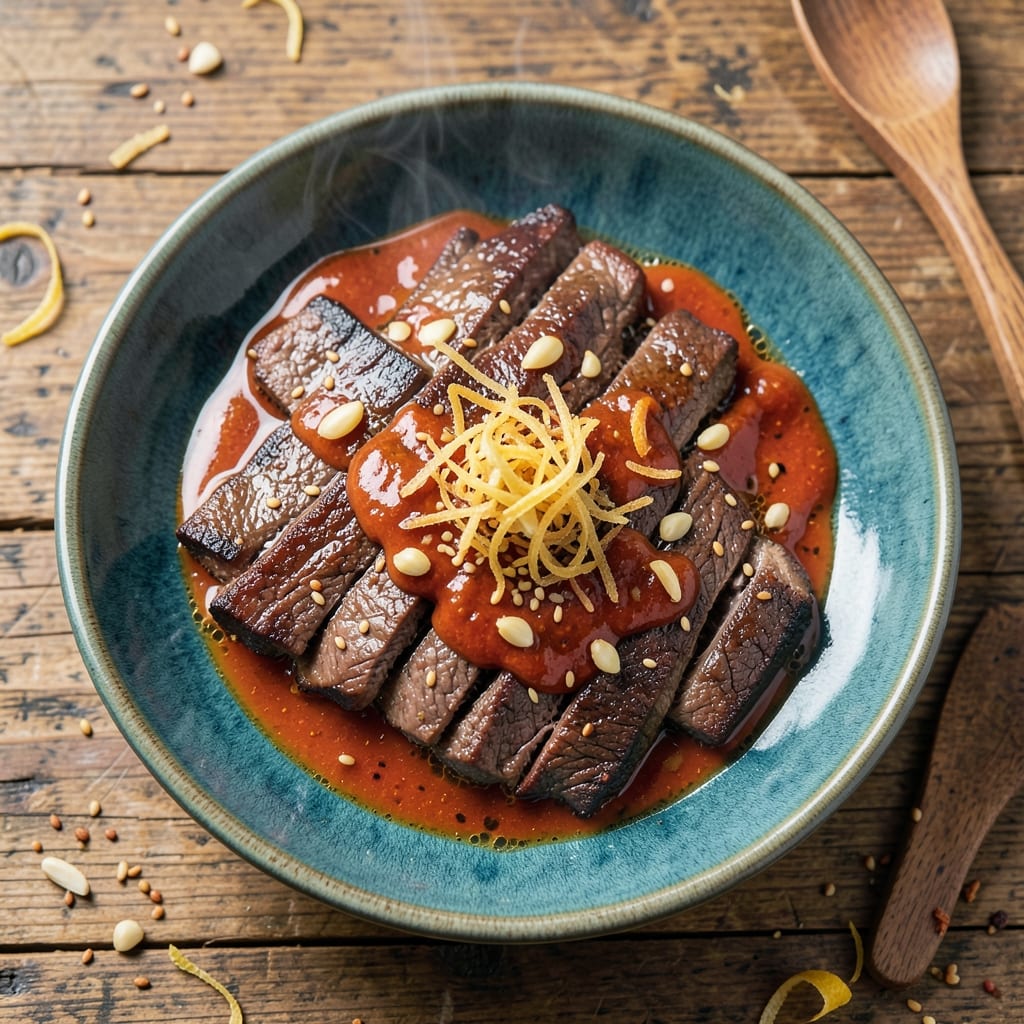
This authentic spicy Mongolian beef delivers restaurant-quality wok-heated bites with a silky, perfectly balanced sauce—no shortcuts, just tradition. The secret lies in thinly sliced beef that crisps to golden perfection while absorbing the aromatic sauce, creating a harmony of sweet, spicy, and umami flavors. I’ve refined this recipe through years of testing to ensure the sauce clings to every crispy edge without overwhelming the tender meat.
What sets this dish apart is the technique: high-heat wok cooking (or a well-seasoned cast-iron skillet) for that signature wok hei—the smoky aroma that defines authentic Mongolian beef. The sauce starts with a simple base of soy sauce, brown sugar, and chili paste, but it’s the fresh ginger, garlic, and a splash of vinegar that elevate it to restaurant-level depth. We’ll balance the heat with just enough sweetness to keep every bite addictive.
By the end, you’ll have perfectly seared beef with a glossy, clinging sauce that’s neither too sweet nor too spicy—just right. The sauce’s silky texture comes from a quick reduction, ensuring it coats the beef without turning gloppy. Serve it over steamed jasmine rice with a sprinkle of scallions for that final touch of freshness.
This recipe stays true to tradition while adapting for home kitchens—no wok? No problem. The key is heat control and proper beef prep, both of which I’ll walk you through step by step. Let’s get cooking.
Ingredients for authentic spicy mongolian beef
These ingredients bring restaurant-quality Mongolian beef to your kitchen—crispy, saucy, and packed with flavor.
| Ingredient | Amount | Notes |
|---|---|---|
| Flank Steak 🥩 | 1 ½ lb | Thinly sliced against grain |
| Soy Sauce 🥄 | ½ cup | High-quality, not low-sodium |
| Brown Sugar 🍯 | ¼ cup | Packed, light or dark |
| Chili Garlic Sauce 🌶️ | 2 tbsp | Or 1 tbsp chili paste + 1 tbsp minced garlic |
| Fresh Ginger 🧄 | 2 tbsp | Finely grated, not powdered |
| Garlic Cloves 🧄 | 4 cloves | Minced, not pre-minced jar |
| Rice Vinegar 🍶 | 1 ½ tbsp | White or seasoned |
| Sesame Oil 🫒 | 1 tbsp | Toasted, not flavored |
| Cornstarch 🌾 | 1 tbsp | For sauce thickening |
| Jasmine Rice 🍚 | 2 cups | Uncooked, long-grain |
| Scallions 🧅 | ¼ cup | Sliced, for garnish |
| Vegetable Oil 🫒 | ½ cup | High smoke point |
| Sesame Seeds 🌱 | 1 tsp | Toasted, for garnish |
| Salt 🧂 | 1 tsp | Kosher or sea salt |
| Black Pepper 🌶️ | ½ tsp | Freshly ground |
The beef is everything here. Flank steak is the gold standard—it’s lean but tender when sliced thinly against the grain. Most butchers will slice it for you, or you can freeze it between plastic wrap for 30 minutes to make slicing easier. Costco or Whole Foods usually carry high-quality flank steak, but any well-marbled cut will work. Look for bright red meat with good fat distribution—this ensures crispiness without toughness. If you can’t find flank, sirloin is a decent substitute, but slice it even thinner.
No chili garlic sauce? Mix 1 tbsp chili paste with 1 tbsp minced garlic—it’s the same thing, just more control. The ginger and garlic are non-negotiable for that authentic depth, but if you’re short on time, frozen ginger works in a pinch (thaw and grate). For the soy sauce, Kikkoman or Pearl River Bridge are reliable brands, but any high-quality brand will do. The brown sugar should be packed—don’t scoop it loosely. And if you’re worried about the heat level, reduce the chili garlic sauce by half for a milder version. The sesame oil adds aroma, but don’t overdo it—just a splash at the end.
This sauce reheats beautifully—toss leftover beef with a splash of water and reheat in a skillet over medium heat. The rice? Cook it the night before and store in the fridge for that perfect texture. Garnish with scallions and sesame seeds right before serving, or they’ll wilt. The beef keeps well in the fridge for 3-4 days if stored in an airtight container, and the sauce can be made ahead—just reheat gently. Freeze portions of the sauce for up to 3 months if you’re planning ahead. Trust me, leftovers taste even better the next day.
Why You'll Love This Recipe
- One-Pan Magic: I swear by this recipe because it’s one pan, zero stress—just slice the steak thin, toss it in the sauce with ginger and chili, and let it sizzle. No chopping onions, no multiple pans, no mess. That’s how you survive weeknights.
- Sweet Heat Balance: Here’s what sold me—the way brown sugar caramelizes into the soy and chili garlic sauce while the ginger adds that bright zing. It’s not just spicy; it’s layered—sweet, funky, and just enough kick to linger. My kids even fight over it.
- Meal Prep MVP: Between us, this is my go-to for lunches. Cook a big batch, shred it into lettuce wraps or over rice, and you’ve got five days of easy meals. The flavors only get better as it sits, and honestly? Fewer takeout runs means more money saved.
- Budget-Friendly Powerhouse: Flank steak stretches insanely with this sauce—it’s tender, flavorful, and way cheaper than buying pre-made stir-fry kits. Plus, the ingredients? Basic pantry stuff. I’ve made this for date nights, game days, and even my mom’s 70th birthday—no pretension, just pure satisfaction.
Step-by-step instructions for authentic spicy Mongolian beef
Here's how to nail the perfect wok-heated beef with that signature crispy exterior and silky sauce.
Prep the Flank Steak for Maximum Crispiness
Start by slicing the 1.5 lb flank steak thinly against the grain into ¼-inch thick strips. I like to use a sharp knife and work quickly to keep the meat cold. Place the sliced beef in a large bowl and add 0.5 cup soy sauce, 0.25 cup brown sugar, 2 tbsp chili garlic sauce, 2 tbsp finely grated fresh ginger, 4 minced garlic cloves, 1.5 tbsp rice vinegar, and 1 tsp sesame oil. Mix gently but thoroughly to coat each piece evenly.
Let the beef marinate for at least 30 minutes in the refrigerator. This isn't just about flavor—it's about breaking down the fibers slightly so they cook faster and stay tender. Real talk: if you skip this, your beef will be tough. Trust the process and don't rush it.
Cook the Jasmine Rice for Perfect Texture
While the beef marinates, rinse the 2 cups jasmine rice under cold water until the water runs clear. This removes excess starch that can make the rice gummy. Combine the rice with 2 cups water in a pot and bring to a boil over high heat. Once boiling, reduce to low heat, cover, and simmer for 15 minutes. Turn off the heat and let it steam for another 10 minutes without lifting the lid. This resting period ensures fluffy, separate grains.
Don't peek during those last 10 minutes—steam is your friend here. The rice will absorb all the moisture perfectly, giving you that ideal texture that pairs beautifully with the crispy beef. If you're short on time, you can use a rice cooker instead, but the stovetop method gives you more control over the texture.
Create the Signature Sauce
In a small bowl, whisk together 1 tbsp cornstarch, 1 tbsp sesame oil, and 1 tbsp water to create a smooth slurry. This is the secret to that glossy, clingy sauce that makes Mongolian beef so special. Set it aside for now—we'll use it later to thicken the cooking juices.
In a separate small bowl, mix 1 tbsp soy sauce, 1 tsp rice vinegar, and ½ tsp black pepper. This simple blend will be our finishing touch, adding depth of flavor to the final dish. Keep both mixtures nearby as you work through the next steps.
Wok-Heat the Beef to Crispy Perfection
Heat 0.5 cup vegetable oil in a wok or large skillet over high heat until it shimmers. The oil should be hot enough that when you drop a piece of beef in, it sizzles immediately and turns golden brown within 30 seconds. This high heat is crucial—it creates those beautiful crispy edges while keeping the inside tender.
Working in batches (don't overcrowd the pan!), add the marinated beef and cook for 1-2 minutes per batch until the edges are deep golden brown and slightly charred. Remove the beef and set it aside on a plate. You'll want to cook all the beef this way—it's the only way to get that authentic restaurant-quality texture.
Here's where the magic happens: pour the cornstarch slurry into the hot wok and stir vigorously for 30-45 seconds until the sauce thickens into a glossy consistency. Immediately add the beef back in, along with the soy-vinegar-pepper mixture. Toss everything together for 1-2 minutes until the beef is evenly coated in the sauce. The sauce should be silky and cling to the beef—if it's too thick, add 1-2 tablespoons of water to loosen it.
Assemble and Garnish for Restaurant-Quality Presentation
Transfer the beef to a serving platter and spoon any remaining sauce from the wok over the top. Sprinkle generously with 0.25 cup sliced scallions and 1 tsp toasted sesame seeds. The scallions add a fresh contrast to the rich, spicy beef, while the sesame seeds give that final nutty crunch that takes the dish to the next level.
Serve the beef immediately over the jasmine rice, making sure each bite gets that perfect ratio of crispy beef to silky sauce. The rice should be hot but not mushy—just fluffy enough to soak up all those delicious flavors. This is where all your hard work pays off—every forkful should deliver that perfect balance of crispy, tender beef with a glossy, slightly sweet-spicy sauce.
Pro Tips For Making Authentic Spicy Mongolian Beef
- Slice Against the Grain: Flank steak’s fibers run long—cutting perpendicular to them turns chewy bites into tender strips. Use a sharp knife and slice after resting, not before, or you’ll end up with rubbery shreds that fight you every bite.
- Bloom the Ginger: Grate the ginger fine, then toss it straight into the hot pan with the oil—no waiting. The heat releases its oils instantly, giving that bright, peppery kick right from the start. I used to let it sit, and it just turned mushy before the beef even hit the pan.
- Low and Slow Finish: Once the beef is seared and sauced, drop the heat to medium-low and let it simmer uncovered. This thickens the sauce without burning it, and the sugar caramelizes just enough to balance the heat. Skipping this step leaves you with a gloppy, one-note mess.
- Salt the Steak Twice: Season the flank steak before slicing with 1 teaspoon of salt per pound, let it sit 30 minutes, then pat dry. After searing, hit it again with a pinch of salt—this time right before adding the sauce. The first salt tenderizes; the second keeps it from getting lost in the soy-chili chaos.
Troubleshooting perfect results
Beef Too Tough?
If your beef turns out chewy rather than tender, you likely didn’t slice it thinly enough against the grain. Use a sharp knife and slice at a 45-degree angle for even strips. For extra tenderness, marinate for 1-2 hours instead of just 30 minutes. I’ve found that freezing the beef for 30 minutes before slicing makes it easier to cut thinly. 💪
Sauce Too Thin?
If your sauce isn’t clinging to the beef, your cornstarch slurry might not have thickened enough.
Oil Not Hot Enough?
If your beef isn’t browning properly, your oil isn’t hot enough. Test it by dropping a small piece of beef in—it should sizzle immediately and turn golden in 30 seconds. If not, let the oil heat up longer. I use a thermometer to confirm it’s at 375°F. A wok or cast-iron skillet works best for high heat.
Beef Overcooked?
Overcooked beef loses its tenderness. Cook in 1-2 minute batches and remove immediately when edges brown. If using a skillet, avoid stirring too much—let the beef sear undisturbed for 30 seconds per side. For extra insurance, pull the beef out when it’s 160°F internal—it’ll carryover to 165°F while resting.
Sauce Too Spicy?
Balance the heat by adding ½ tsp more brown sugar or 1 tsp rice vinegar to the sauce. The acidity and sweetness will mellow the spice. If it’s still too hot, serve with extra rice or a side of cucumber salad to cool your palate. I keep a small bowl of plain yogurt on hand for emergencies—just a spoonful helps!
Rice Mushy?
Overcooked rice loses its texture. Stick to the 15 minutes simmer + 10 minutes rest method. If using a rice cooker, don’t open the lid until it’s fully cooked. For extra fluffiness, fluff the rice with a fork right before serving. If it’s still too soft, spread it on a tray and broil for 2-3 minutes to crisp the top slightly. ✨
Nutrition facts
Frequently asked questions about spicy Mongolian beef
Can I substitute flank steak with another cut?
Yes, but choose carefully! Sirloin or ribeye work well, but slice them even thinner (about ⅛-inch) since they're more tender. Avoid tougher cuts like chuck—they won't get crispy enough. For best results, marinate longer (2 hours) if using a different cut.
How do I adjust the spice level?
Start by reducing the chili garlic sauce by ½ tablespoon for a milder version. For extra heat, add ½ teaspoon of red pepper flakes or 1 teaspoon of gochujang to the sauce. The key is balancing with brown sugar or rice vinegar—both help mellow the spice while keeping the sauce glossy.
What's the best way to reheat leftovers?
Reheat gently in a skillet over medium-low heat with 1 tablespoon of water to prevent drying. Toss occasionally for 2-3 minutes until warmed through. For extra crispiness, broil for 1 minute at the end. Store leftovers in an airtight container for up to 4 days—the flavors actually improve overnight!
Can I make this in a regular skillet?
While a wok gives the best wok hei aroma, a cast-iron skillet works perfectly. Heat it until smoking hot and work in small batches to mimic wok cooking. The key is maintaining high heat—if your skillet isn't hot enough, the beef will steam instead of sear. A thermometer helps ensure it reaches 375°F.
What sides pair best with this dish?
Classic pairings include jasmine rice (as in the recipe), steamed bok choy, or cucumber salad to balance the richness. For a heartier meal, add egg rolls or fried wontons. The freshness of scallions and sesame seeds in the dish already provides balance, but extra greens help cut through the sauce.