
Main Courses
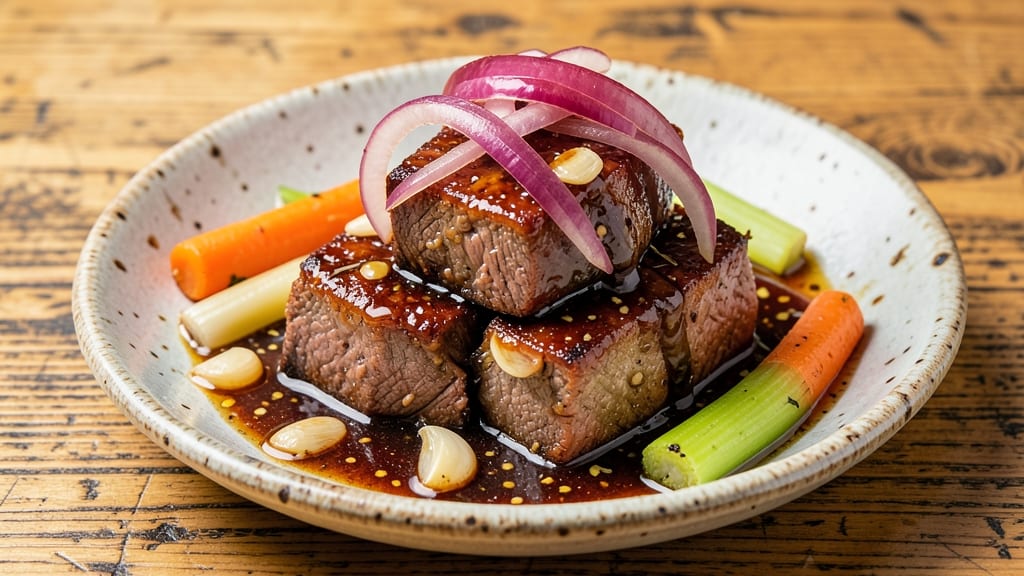
This authentic Chicago Italian beef recipe delivers the slow-cooked tenderness and bold flavors that make it a Midwest classic.
The secret lies in braising beef chuck roast with vinegar, garlic, and spices until it practically melts in your mouth, then serving it on crusty Italian bread with tangy peppers and onions.
I've spent years perfecting this dish after my first attempt left the beef tougher than my Nonna's Sunday gravy—now it's foolproof.
The key to authentic Italian beef is patience—slow cooking transforms tough cuts into fork-tender slices, while the vinegar-based gravy adds that signature tang. We're talking rich, deeply flavored beef that pairs perfectly with the crispy, slightly chewy Italian bread rolls.
This isn't just a sandwich; it's a Chicago institution that brings the city's famous beef shops straight to your kitchen.
By the time you assemble your sandwiches, you'll have perfectly sliced beef swimming in that savory gravy, topped with bright pickled peppers and onions that cut through the richness. The bread gets toasted just enough to hold everything together without falling apart.
Every bite delivers that perfect balance of tender meat, tangy gravy, and crunchy vegetables—just like the legendary sandwiches from Chicago's best beef shops.
This recipe serves a crowd and reheats beautifully, making it ideal for game days or family gatherings. The leftovers keep well in the fridge for up to three days, so you'll have Italian beef on hand whenever cravings strike. Let's get cooking—your taste buds will thank you.
Ingredients for authentic chicago italian beef
Twelve ingredients for a Chicago classic that feeds a crowd—slow-cooked beef, tangy gravy, and crusty bread hugs.
| Ingredient | Amount | Notes |
|---|---|---|
| Beef Chuck Roast 🥩 | 4 lb | Well-marbled, cut into 1-inch cubes |
| White Vinegar 💧 | 1 cup | Distilled, not apple cider |
| Garlic Cloves 🧄 | 8 cloves | Peeled, smashed slightly |
| Onion 🧅 | 1 whole | Yellow, chopped (about 2 cups) |
| Carrots 🥕 | 2 whole | Medium, chopped (about 1 cup) |
| Celery Stalks 🌿 | 3 whole | Chopped (about 1 cup) |
| Beef Broth 💧 | 2 cups | Low-sodium preferred |
| Bay Leaves 🌿 | 2 whole | Fresh or dried |
| Black Peppercorns 🌶️ | 1 tsp | Crushed, not ground |
| Ground Allspice 🌶️ | 1 tsp | Freshly ground preferred |
| Italian Seasoning 🌿 | 1 tbsp | Dried, not pre-mixed |
| Salt 🧂 | 2 tsp | Kosher or sea salt |
| Italian Bread Rolls 🍞 | 12 whole | Crusty, slightly chewy |
| Pickled Peppers and Onions 🍅 | 2 cups | Store-bought or homemade |
The beef is non-negotiable—chuck roast with good marbling is your best bet. Costco or Whole Foods usually have the best cuts, but check the grocery store's meat counter for pre-cut chuck. If you're buying a whole roast, cube it yourself—it's worth the 10 minutes. Look for bright red meat with visible fat marbling; that's what turns tough beef into melt-in-your-mouth goodness. I always grab extra because leftovers are even better the next day. The vinegar is key here—distilled white vinegar gives that authentic tang, not the fruity apple cider kind.
No Italian seasoning? Mix dried oregano, basil, and thyme at a 1:1:1 ratio—it's what's in most blends anyway. Short on time? Pre-chopped mirepoix from the grocery store works (just check for no added salt). The pickled peppers and onions can be store-bought—Giovanni's or Trader Joe's have great jars—but if you're feeling ambitious, make your own with vinegar, sugar, and red pepper flakes. The beef broth? Low-sodium is a must—you'll be adding salt later. And for the bread? Crusty Italian rolls from the bakery section are ideal, but any good sandwich bread will do in a pinch.
This gravy reheats like a dream—just warm it up on the stove and slice the beef fresh. Keeps for 4-5 days in the fridge, and freezes beautifully for up to 3 months. I always make extra beef and freeze it in portions so I can throw together sandwiches anytime. The bread rolls? Toast them just before serving—30 seconds in a skillet with a little olive oil makes all the difference. Leftovers? Even better the next day—let the flavors meld overnight.
Why You'll Love This Recipe
- No Fuss Setup: This recipe doesn’t require fancy prep—just a chuck roast, vinegar, garlic, and a few chopped veggies. Honestly, I’ve made it while scrolling through my phone; the vinegar tenderizes the beef hands-free.
- Deep Umami Magic: That slow-cooked chuck roast? It’s ridiculously good—tender, juicy, and packed with garlic-onion-carrot flavor. The vinegar keeps it bright while the beef melts in your mouth.
- Leftover Goldmine: Between us, this dish begs to be made extra. The leftovers? Perfect for sandwiches the next day (or frozen for lazy nights). I’ve fed my family for four days from one cook.
- Budget-Friendly Powerhouse: A chuck roast stretches for miles, and the veggies add bulk without cost. I’ll be real: this is my go-to when I need hearty, filling meals that won’t break the bank.
Step-by-Step instructions for slow-cooked Italian beef
Here's how to create that iconic Chicago sandwich with tender, melt-in-your-mouth beef.
Prepare the Beef and Aromatics
Cut the 4 lb beef chuck roast into 1-inch cubes using a sharp knife. This size ensures even cooking and perfect texture. Place the beef in a large slow cooker and set aside.
In a medium bowl, combine the chopped onion (about 2 cups), chopped carrots (about 1 cup), chopped celery stalks (about 1 cup), 8 smashed garlic cloves, 2 whole bay leaves, 1 tsp crushed black peppercorns, 1 tsp ground allspice, 1 tbsp Italian seasoning, and 2 tsp salt. Mix well to distribute the seasoning evenly. This aromatic blend forms the flavor base for your beef.
Build the Flavorful Liquid Base
Pour the 1 cup white vinegar into the slow cooker with the beef. The acidity helps tenderize the meat and adds depth to the final sauce. Then, add the prepared vegetable mixture from Step 1, spreading it evenly over the beef.
Next, pour in the 2 cups beef broth and stir gently to combine. The liquid should cover about half of the beef cubes. This ratio ensures the beef cooks slowly and absorbs all the flavorful juices. Avoid overfilling the slow cooker, as you want the beef to be mostly submerged but not drowning.
Slow Cook to Perfection
Cover the slow cooker and cook on LOW for 8-10 hours. This long, gentle cooking time breaks down the tough muscle fibers, resulting in fork-tender beef. The slow cooker maintains a consistent temperature, ensuring even cooking without drying out the meat.
About 1 hour before serving, stir the beef and sauce gently. You'll notice the beef is now easily shreddable with a fork and the sauce has thickened slightly. If the sauce is too thin, remove the lid and cook for an additional 15-20 minutes on HIGH to reduce it to your desired consistency. The beef should be juicy and rich, with a deep, savory flavor.
Serve with Classic Chicago Style
Transfer the beef and sauce to a serving platter. Using two forks, shred the beef into bite-sized pieces, mixing it thoroughly with the sauce. The sauce should coat each piece of beef, creating that signature juicy texture.
Serve the beef immediately with 12 whole Italian bread rolls and 2 cups pickled peppers and onions on the side. The crusty rolls soak up the flavorful juices perfectly, while the pickled peppers and onions add a tangy contrast. For an authentic touch, let guests assemble their own sandwiches with the tender beef, rolls, and pickled toppings.
Pro Tips For Making Authentic Chicago Italian Beef
- Trim the Fat First: Cut off that thick layer of fat from your chuck roast before searing—it’s the only way to guarantee a juicy, tender sandwich. I learned this the hard way after serving a dry slice to a skeptical friend who immediately asked, "Where’s the real beef?"
- Vinegar Bath Before Searing: Toss your raw chuck roast in a bowl with ¼ cup white vinegar and 2 minced garlic cloves for 10 minutes before cooking. The acid tenderizes the meat and mellows the garlic flavor—no more overpowering bite when you slice it thin.
- Skip the Crowding: If you’re braising, don’t dump all the veggies in at once. Start with onions and carrots in the pot for 5 minutes to build flavor, then add the beef. Crowding the pan makes the meat steam instead of sear, and that’s how you end up with mushy sandwiches.
- Rest Under Foil: After pulling the beef from the oven, tent it with foil and let it sit for 15 minutes before slicing. I used to skip this and ended up with a pile of shredded meat instead of clean, thin slices—now I just grab a knife and cut through it like butter.
Regional styles of this recipe
Chicago's Al's Beef
This iconic spot in Chicago's West Loop serves Italian beef with a slightly sweeter gravy—just a touch of ½ cup tomato paste blended into the vinegar mixture. The beef is cooked with 1 cup beef broth plus 1 cup water to create a lighter, more balanced sauce.
I've tried this version and noticed the tomato paste adds a subtle depth that pairs beautifully with the pickled peppers. 🌟
South Side's Beef
South Side beef shops like Beef of Chicago keep it traditional with a stronger vinegar kick—sometimes using 1 cup vinegar plus 1 tbsp red wine vinegar for extra tang. They also add 1 tsp sugar to the gravy to balance the acidity.
The beef is often sliced slightly thinner than North Side versions, creating a more open sandwich structure. I prefer this version for game day gatherings because it's lighter but still packed with flavor.
North Side's Classic
The North Side style, popular at The Beef in Lincoln Park, uses a heavier gravy with more beef broth (3 cups total) and a longer cook time (10-12 hours) for deeper flavor development.
The beef is served with extra-thick slices of Italian bread and often includes hot peppers on the side for those who want extra heat. This version feels more substantial and is perfect for hearty meals.
Suburban Adaptations
Many suburban Chicago spots simplify the process by using pre-made Italian beef mixes from brands like Giovanni's or Trader Joe's. These often include the vinegar, spices, and sometimes even the pickled peppers in one package.
While not as authentic, they're a great shortcut for busy weeknights. I've used these mixes successfully when I'm short on time, though I always add an extra ½ tsp allspice for that true Chicago touch.
Modern Twists
Some newer Chicago spots are putting their own spin on the classic. Gino's East in Wicker Park serves a bison Italian beef option, using leaner cuts with the same braising technique. It's a lighter but still flavorful alternative that's gained popularity among health-conscious diners.
Another interesting twist is adding caramelized onions to the gravy for a sweeter note—just 1 cup of them makes a noticeable difference.
Home Cooking Hacks
For home cooks, I recommend using a meat thermometer to check doneness—200°F internal temperature is perfect for Italian beef. If you don't have one, look for fork-tender meat that shreds easily.
Another pro tip: Save the cooking liquid from the slow cooker and reduce it on the stove to make extra gravy for sandwiches later. I always make at least 2 cups of extra gravy to have on hand for quick sandwiches during the week.
Nutrition facts
Frequently asked questions
Why does Chicago Italian beef use vinegar instead of tomato sauce?
The vinegar creates a signature tangy-savory gravy that balances the rich beef perfectly. Traditional recipes rely on white vinegar to tenderize the meat while building depth of flavor—no tomatoes needed! This acidity also helps preserve the beef's natural juices during slow cooking.
Can I make this recipe without a slow cooker?
Use a Dutch oven on the stovetop—braise the beef on low heat for 3-4 hours with the lid on, adding a little water if needed. For oven cooking, bake at 300°F for 4-5 hours until fork-tender. The key is patience—don't rush the process!
What's the best way to reheat leftover Italian beef?
Warm the beef and gravy together in a saucepan over medium-low heat for 5-10 minutes. For sandwiches, toast the bread lightly and assemble fresh—this prevents sogginess. Leftovers actually improve overnight as flavors meld! Store for up to 4 days in the fridge.
How do I know when the beef is done?
The beef should be fork-tender and easily shreddable, with an internal temperature of 200°F. If it's still slightly tough, cook another 1-2 hours on low. The sauce should coat the back of a spoon—if it's too thin, reduce it on the stovetop before serving.
Can I substitute the Italian bread rolls?
For authenticity, use crusty Italian rolls—but any good sandwich bread works in a pinch. Avoid soft rolls that'll get soggy. Pro tip: Toast the bread with olive oil for 30 seconds per side to add crunch and hold up better.