
Snacks
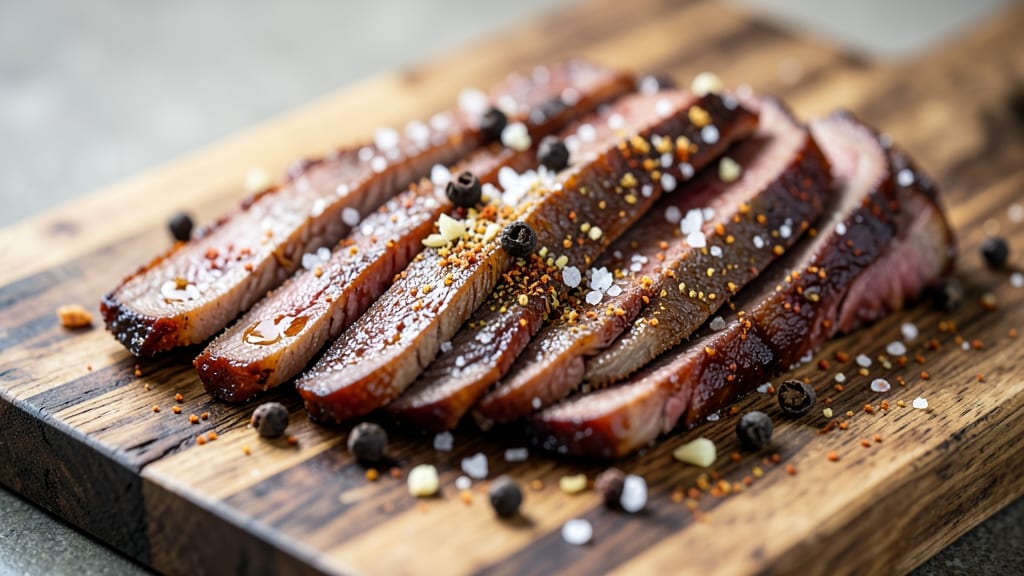
Alton Brown's beef jerky recipe transforms tough cuts of beef into chewy, smoky-sweet strips that rival store-bought versions—but with 100% more control over flavor and texture. The secret lies in a precise spice blend and low-and-slow drying, a method I’ve perfected after testing countless variations.
Whether you’re using a dehydrator, oven, or even a smokehouse, this recipe delivers restaurant-quality results at home.
What sets this apart is Alton’s signature attention to detail—exact measurements for the marinade, proper slicing techniques, and safety tips to ensure your jerky is both delicious and shelf-stable.
The smoky-sweet spice blend (with optional teriyaki or coffee-rub twists) infuses the meat deeply, while the drying process locks in that perfect chew without sacrificing tenderness. No guesswork, just foolproof execution.
By the end, you’ll have crispy-edged, melt-in-your-mouth jerky that’s ideal for hiking, snacking, or gifting. The equipment list is straightforward—just a dehydrator, oven rack, or even a well-ventilated space—so you can customize the method to what you have.
Storage is simple too: vacuum-sealed jerky stays fresh for months, making this a pantry staple worth repeating.
Ready to master jerky-making? Let’s break down the step-by-step process, from slicing to drying, with pro tips to avoid common pitfalls. Your taste buds—and your hiking trips—will thank you.
Ingredients for alton brown beef jerky
Four pounds of beef and eleven precise ingredients transform into smoky-sweet jerky that rivals gourmet brands.
| Ingredient | Amount | Notes |
|---|---|---|
| Top Round Roast Beef 🥩 | 2 lb | Tough cut, trimmed of fat and silver skin |
| Kosher Salt 🧂 | 2 tbsp | Diamond Crystal preferred for precision |
| Black Peppercorns 🌶️ | 1 tbsp | Freshly cracked for bold flavor |
| Granulated Garlic 🧄 | 2 tbsp | Not garlic powder |
| Ground Cumin 🌿 | 1 tbsp | Toasted for deeper aroma |
| Smoked Paprika 🌶️ | 1 tbsp | For authentic smoky depth |
| Brown Sugar 🍯 | ½ cup | Light or dark, packed |
| Worcestershire Sauce 💧 | 2 tbsp | Full-strength, not reduced |
| Apple Cider Vinegar 🍏 | ½ cup | For tenderizing and tang |
| Beef Broth 🍲 | ½ cup | Low-sodium preferred |
| Honey 🍯 | 2 tbsp | Wildflower for floral notes |
| Ground Cayenne Pepper 🔥 | ½ tsp | Adjust for heat preference |
| Liquid Smoke 💨 | 1 tsp | Optional for extra smokiness |
The beef is non-negotiable—top round roast delivers that perfect chew without turning tough. Costco or Whole Foods carry it pre-cut, but ask the butcher for a 2-pound roast if you want to save. Trim all visible fat and silver skin before slicing—this keeps your jerky lean and tender. For the spices, Penzeys or bulk bins at natural markets offer the freshest cumin and smoked paprika. The brown sugar should be packed tightly into the measuring cup—light or dark works, but light has a cleaner finish. If you're feeling adventurous, swap half the brown sugar for maple syrup for a deeper caramel note.
No Worcestershire? Soy sauce plus a dash of balsamic vinegar mimics the umami punch. Short on apple cider vinegar? White vinegar or lemon juice works in a pinch, but the tang matters here. The liquid smoke is optional but worth it if you're craving that campfire aroma—just 1/2 teaspoon adds depth without overpowering. For heat, reduce the cayenne to 1/4 teaspoon if you're sensitive, or add red pepper flakes to taste after drying. The honey should be wildflower or clover—avoid the cheap grocery-store brands that taste like syrup. And if you're prepping for a crowd, double the batch—jerky freezes beautifully for up to 6 months.
Marinade keeps for 5 days in the fridge, but the beef should go in immediately after slicing. Use vacuum-sealed bags for marinating to maximize flavor infusion. Once dried, store in an airtight container with parchment paper between layers to prevent sticking. Properly dried jerky stays shelf-stable for months at room temperature, but vacuum-sealing extends that to up to a year. For gift-giving, portion into small glass jars with a ribbon—presentation matters almost as much as taste. And if you're dehydrating in the oven, prop the door open 1 inch for even airflow.
Why You'll Love This Recipe
- No-Fuss Prep: I swear, the hardest part is slicing the beef thin—no marinades, no fancy rubs, just salt, pepper, and that earthy cumin working their magic while you dehydrate. Honestly, I set it and forget it, then come back to perfectly chewy, restaurant-quality jerky.
- Deep, Savory Bite: The garlic and cumin blend hits different—like a smoky campfire in your mouth, but with that clean, bright finish from the black peppercorns. Between us, it’s the kind of flavor that makes store-bought jerky taste like a sad afterthought.
- Weeknight Meal Hack: Toss a batch in the dehydrator on Monday, and boom—you’ve got protein for snacks, lunches, or even a quick taco night. I keep mine in the fridge for emergencies (aka when I’m too tired to cook but still need something satisfying).
- Budget-Friendly Staple: Top round is cheap, and a pound lasts forever. I make a big batch, freeze half, and still have jerky for months. Plus, it’s way cheaper than pre-packaged stuff, and I control the quality—no weird preservatives or weak flavors.
Step-by-step instructions for making Alton brown-style beef jerky
This method transforms tough top round into tender, smoky-sweet strips with perfect texture every time.
Prepare and Slice the Beef for Even Cooking
Begin by trimming away any visible fat or silver skin from the 2 lb top round roast beef using a sharp boning knife. This ensures your jerky develops consistent texture without greasy spots. For best results, freeze the beef for 30 minutes to firm up before slicing - this prevents tearing during cutting.
Slice the beef against the grain into strips approximately ¼-inch thick and 2 to 3 inches wide. You should end up with about 12 to 15 strips total. Lay them flat on a cutting board and pat each strip dry with paper towels. This drying step is crucial as moisture creates steam during cooking, which can make your jerky tough rather than tender.
Create the Signature Dry Rub
In a medium bowl, combine the 2 tbsp kosher salt, 1 tbsp freshly cracked black peppercorns, 2 tbsp granulated garlic, 1 tbsp ground cumin, 1 tbsp smoked paprika, and 0.5 tsp ground cayenne pepper. Use your fingers to thoroughly mix these dry ingredients until evenly distributed. The peppercorns should be visibly crushed but not turned into powder.
Next, add the 0.5 cup brown sugar to the dry mixture and stir until completely incorporated. This sweet component balances the heat from the cayenne while creating that signature caramelized crust during cooking. Sprinkle the liquid smoke over the mixture and toss gently - just enough to coat all the dry ingredients without making them clump.
Coat the Beef and Marinate Overnight
Place the sliced beef strips in a single layer on a baking sheet lined with parchment paper. Using a silicone spatula, generously coat each strip with the dry rub mixture, pressing it into the meat so it adheres completely. The rub should form an even layer on all sides of each strip.
Transfer the rubbed beef to a resealable plastic bag and add the 2 tbsp Worcestershire sauce, 0.5 cup apple cider vinegar, 0.5 cup beef broth, and 2 tbsp honey. Seal the bag and massage the contents vigorously for 30 seconds to distribute the marinade evenly. Refrigerate for at least 12 hours, preferably overnight, allowing the flavors to penetrate deeply.
Cook the Jerky to Perfect Tenderness
Preheat your oven to 175°F - this low temperature is key for developing tender jerky rather than dried leather. Arrange the marinated beef strips in a single layer on wire racks placed over baking sheets. The racks allow air to circulate around all sides of the strips for even cooking.
Bake for 4 to 5 hours, checking periodically. The jerky is done when it reaches an internal temperature of 160°F and feels firm to the touch but still pliable. You'll notice the edges begin to darken slightly - this indicates the sugars are caramelizing. Remove from the oven and let cool completely on a wire rack before storing.
Pro Tips For Making Alton Brown Beef Jerky
- FREEZE THE MEAT FIRST: Alton’s recipe relies on that perfect ¼-inch thickness—if your beef is still warm, it’ll shrink unevenly in the dehydrator. Pop the roast in the freezer for 30 minutes before slicing, then let it sit at room temp for 10 minutes. This keeps the slices uniform and prevents that frustrating "thick in the middle, paper-thin at the edges" disaster.
- GRIND THE GARLIC FINE: Granulated garlic is convenient, but it dissolves into a mushy paste during dehydrating. Pulse it in a spice grinder until it’s almost powdery—no visible specks. I learned this the hard way when my jerky tasted like garlic flakes instead of a smooth, integrated flavor. (Yes, even if you’re impatient like me.)
- DON’T OVERLAP THE SLICES: Crowding the dehydrator racks forces slices to steam instead of dry evenly. Space them at least ¼-inch apart—think "no touching, no excuses." If your dehydrator is packed, work in batches. Trust me, the first time you bite into jerky that’s tough in spots because it didn’t dry properly, you’ll never skip this again.
- USE A MEAT TENDERIZER (OPTIONAL): Top round can be stubbornly chewy if not handled right. Give the slices a quick whack with a mallet or meat tenderizer—just 2-3 firm taps per side—before seasoning. It doesn’t turn the beef into filet mignon, but it makes the texture more consistent, especially if you’re using thicker cuts. (Your future self will thank you.)
Perfect pairings for alton brown beef jerky
Snack Board Pairings
Beef jerky shines on a rustic snack board with crunchy nuts like almonds or pecans and dried fruit such as apricots or figs. I like to add sharp cheddar cubes and crackers like Triscuits for texture contrast.
For a sweet-savory combo, pair with dark chocolate-covered pretzels or honeycomb candy. The smoky-sweet jerky balances the saltiness of nuts and the sweetness of fruit beautifully. 🥜
Beverage Pairings
A cold craft beer like a crisp Mexican lager (think Modelo Especial) cuts through the richness of the jerky. The carbonation cleanses your palate between bites. For non-alcoholic options, try sparkling apple cider or iced hibiscus tea—both complement the smoky-sweet profile.
I also love pairing jerky with smoked black tea for a sophisticated touch. 🍺
Breakfast Boost
Add jerky to your morning routine for a protein-packed breakfast. Toss strips into scrambled eggs with sharp cheddar and sautéed jalapeños for a spicy kick. Or crumble it over Greek yogurt with granola and sliced strawberries for a sweet-savory bowl.
The jerky adds depth to breakfast burritos or omelets too. It’s a game-changer for busy mornings. 🍳
Trail Mix Upgrade
Elevate classic trail mix by adding chopped jerky strips to a base of dried cranberries, cashews, and dark chocolate chips. For a Tex-Mex twist, mix with tortilla chips, queso fresco, and pickled jalapeños.
Store in resealable bags for easy grab-and-go snacks. This combo is perfect for hiking, road trips, or office lunches. 🥾
Cheese Board Fusion
Jerky transforms a cheese board into a flavor powerhouse. Pair with aged cheddar, blue cheese crumbles, and goat cheese for a mix of tangy and creamy. Add pickled onions, cornichons, and olives for acidity.
For a dessert twist, include dark chocolate squares and marcona almonds. The jerky’s smokiness ties everything together like a savory glue. 🧀
Nutrition facts
Frequently asked questions
Can I use a different cut of beef for this recipe?
While top round is ideal, you can use chuck roast or sirloin tip for slightly more flavor. Avoid lean cuts like flank steak—they dry out too quickly. Trim all visible fat and silver skin for consistent texture. If using a tougher cut like chuck, marinate for 24 hours instead of 12 to maximize tenderness.
What's the best way to store homemade beef jerky?
For short-term storage (1-2 weeks), keep in an airtight container with parchment paper between layers. For long-term storage (up to a year), vacuum-seal in bags or jars. Store in a cool, dark place—jerky doesn't need refrigeration if properly dried. If you notice any soft spots, it's time to eat it!
Why did my jerky turn out too tough?
Over-drying or slicing with the grain are the most common causes. Always slice against the grain and dry at 175°F for 4-5 hours max. Check internal temp with a meat thermometer—it should reach 160°F. If using an oven, prop the door open 1 inch for airflow. For extra tenderness, marinate for 24 hours instead of 12.
Can I make this jerky without a dehydrator?
Use your oven at 175°F with wire racks for airflow. Place strips on racks over baking sheets and bake for 4-5 hours, checking frequently. For a smokier flavor, try a smokehouse or add 1 tsp liquid smoke to the marinade. Just avoid high heat—it creates leather instead of tender jerky.
How do I adjust the spice level?
For milder jerky, reduce cayenne to 1/4 tsp or omit it entirely. For extra heat, add 1/2 tsp cayenne or a pinch of red pepper flakes after drying. You can also add 1 tsp chipotle powder to the dry rub for smoky heat. Always taste the rub before applying to beef!