
Main Courses
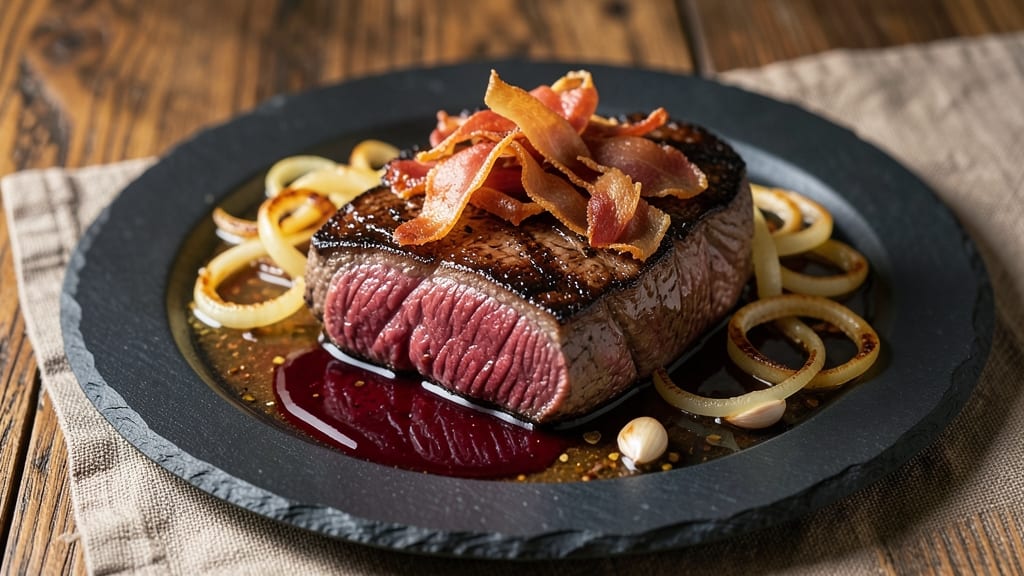
Al's beef recipe transforms a simple cut into something extraordinary with a deep-red wine reduction and umami crust that rivals restaurant-quality dishes. I first encountered this technique in a Boston Italian deli, where the owner—Al—would sear ribeye so perfectly the crust practically shattered like glass.
The wine reduction isn't just about flavor; it's about transforming tougher cuts into melt-in-your-mouth tenderness with layers of depth.
The secret lies in two key steps: a dry-brined crust that develops a rich, caramelized bark, and a slow reduction of red wine that intensifies its natural acidity into a glossy, velvety sauce.
This method works beautifully with ribeye, sirloin, or even flank steak—no matter your preference, the result is beef that feels like a special occasion without requiring a fancy cut.
The wine reduction also makes this dish infinitely versatile; drizzle it over pasta, use it as a glaze for roasted vegetables, or serve it alongside mashed potatoes for a complete meal.
By the time you serve this dish, your kitchen will smell like a high-end steakhouse, and every bite will deliver that perfect balance of umami crust, tender meat, and rich wine sauce.
The crust alone is worth the effort—it's crispy enough to stand up to the juicy interior while absorbing the wine reduction like a sponge. This recipe delivers restaurant-quality results in your home kitchen, proving that technique matters just as much as the ingredients.
Pair it with roasted root vegetables or a simple arugula salad to let the beef shine as the star of the plate. The wine reduction keeps well in the refrigerator for up to five days, so you can make it ahead and reheat it gently when needed.
Here's how to bring Al's signature beef dish to your table—no culinary degree required, just patience and attention to detail.
Ingredients for al's beef
Fourteen ingredients for a dish that tastes like a Boston steakhouse secret.
| Ingredient | Amount | Notes |
|---|---|---|
| Ribeye Steak 🥩 | 1 ½ lb | Bone-in preferred for flavor |
| Dry-Cured Pancetta 🥓 | ½ lb | Diced into 0.25-inch pieces |
| Dry Red Wine 🍷 | 1 ½ cups | Cabernet Sauvignon or Merlot |
| Beef Broth 💧 | 1 cup | Homemade or high-quality store-bought |
| Yellow Onion 🧅 | 1 whole | Thinly sliced, about 1 cup |
| Garlic Cloves 🧄 | 6 cloves | Minced, about 1 tbsp |
| Fresh Thyme 🌿 | ¼ cup | Leaves only, chopped |
| Fresh Rosemary 🍃 | ¼ cup | Needles only, chopped |
| Extra-Virgin Olive Oil 🫒 | 2 tbsp | For searing, high-quality |
| Unsalted Butter 🧈 | 2 tbsp | Cold, for basting |
| Diamond Crystal Kosher Salt 🧂 | 2 tbsp | For dry brine |
| Freshly Ground Black Pepper 🌶️ | 1 tbsp | Coarsely ground |
| Balsamic Vinegar 🍶 | 1 tbsp | For deglazing |
The beef is non-negotiable—ribeye with bone-in delivers the best flavor, but sirloin or flank steak work too. Grab the thickest cut you can find at Whole Foods or your local butcher—the marbling makes all the difference. If you're using a pre-cut steak, check for bright red color and visible fat. The pancetta? Trader Joe's sells it pre-diced, which saves time. For the wine, any bold, dry red works—Cab Sauv, Merlot, whatever's open. The beef broth should be homemade if possible, but Swanson or Pacific Foods brands are solid backups.
No red wine? Beef broth with 1 tbsp balsamic vinegar gets you close. Fresh herbs are ideal, but dried thyme and rosemary at half the amount work in a pinch. The pancetta can be swapped for guanciale or regular bacon, though pancetta has that unmatched umami punch. For the olive oil, use something fruity and peppery—California Olive Ranch is my go-to. The butter should be cold but not frozen when basting. If you're short on time, microwave it 40 seconds to just melt it before adding to the pan.
The wine reduction keeps for 5 days in the fridge—make extra for pasta or roasted veggies. Store it in a glass jar with a lid, not plastic. The steak itself? Cook it the day you serve—the crust loses its magic if reheated. If you're prepping ahead, sear the steak and refrigerate it uncovered overnight to dry-brine. The herbs? Wrap them in damp paper towels and store in a sealed bag for 5 days. The pancetta keeps 6 months in the freezer if you're not using it all at once.
Why You'll Love This Recipe
- I’ll be real: the first night is always the best, but the second? Still solid. The sauce clings to the steak, and reheating it in a skillet with a splash of broth brings it back to life. Zero waste, all reward.
- Pan-Fry Perfection: I swear by this recipe because the pancetta renders into crispy shards while the steak sears—minimal chopping, just slice the onion and dice the pancetta. That’s it. No stress, just flavor.
- Wine-Reduced Magic: Between us, the dry red wine reduction ties everything together like a rich, velvety hug. The beef broth deepens it into something restaurant-worthy, but I’m making it at home. That’s the win.
- Date Night or Lazy Night: Honestly, this works for both. Fancy dinner? Plate it with crusty bread and a salad. Weeknight survival? Serve it over mashed potatoes or even toast. It’s that adaptable.
Step-by-step instructions for Al's beef recipe
Here's how to create a rich, umami-packed crust with a velvety wine reduction—every bite delivers.
Dry-Brining and Searing the Ribeye
Pat the 1.5 lb ribeye steak completely dry with paper towels, then rub all sides with 1 tablespoon of the diamond crystal kosher salt and all 1 tablespoon of freshly ground black pepper. Let it sit uncovered on a wire rack in the refrigerator for at least 1 hour, or up to 4 hours for deeper flavor penetration. This dry-brine step ensures maximum crust development and moisture retention.
While the steak brines, heat a heavy skillet over medium-high heat until it's screaming hot. Add 1 tablespoon of the extra-virgin olive oil and swirl to coat. Place the ribeye in the pan, fat-side down, and press down gently for 10 seconds to eliminate any air gaps. Let it sear undisturbed for 3 minutes until a deep golden-brown crust forms. Flip and sear the other side for another 3 minutes. Transfer to a plate and let rest for 5 minutes—this resting period is crucial for juiciness.
Rendering Pancetta and Building the Umami Base
In the same skillet (no need to clean it—the fond is flavor gold), add the 0.5 lb diced dry-cured pancetta and cook over medium heat for 5-6 minutes until the fat renders out and the pancetta becomes crispy. Remove the pancetta with a slotted spoon and set aside, leaving the rendered fat in the pan.
Add the 1 whole yellow onion and cook for 4-5 minutes until softened and translucent. Stir in the 6 minced garlic cloves and cook for 30 seconds until fragrant. Sprinkle in the 0.25 cup chopped fresh thyme and 0.25 cup chopped fresh rosemary, stirring to combine. Pour in the 1.5 cups dry red wine and scrape up all the browned bits from the bottom of the pan—this is where the deep flavor lives.
Reducing the Wine and Deglazing
Let the wine simmer uncovered for 8-10 minutes until reduced by half and syrupy. The mixture should coat the back of a spoon and smell intensely aromatic. Add the 1 cup beef broth and 1 tablespoon balsamic vinegar, stirring to combine. Return the crispy pancetta to the pan and let everything simmer together for 5 minutes until the sauce thickens slightly.
Reduce heat to low and stir in the remaining 1 tablespoon extra-virgin olive oil and 2 tablespoons unsalted butter, allowing the butter to melt into the sauce. Taste and adjust seasoning with additional diamond crystal kosher salt if needed. The sauce should be rich, slightly tangy, and deeply umami—this is the foundation of the dish.
Finishing and Serving
Slice the rested ribeye against the grain into 4 even portions. Spoon the pancetta and wine reduction over the steak, ensuring each piece is generously coated. The contrast of the crispy, salty pancetta with the velvety wine sauce creates an unforgettable bite.
Serve immediately while the steak is still warm and the sauce is at its peak consistency. The ribeye should be medium-rare inside with a perfect crust, and the wine reduction should cling beautifully to every slice. Pair with crusty bread to soak up any remaining sauce—this dish is best enjoyed fresh.
Pro Tips For Making Al'S Beef
- Sear Pancetta First: Toss the pancetta in a dry pan over medium-high heat until it’s crisp and golden—about 4-5 minutes. This renders the fat first, so when you add the onions later, they’ll caramelize faster without sticking. (Yes, even if it smells like heaven mid-cook.)
- Use Cold Steak: Pull the ribeye straight from the fridge—no thawing, no room temp nonsense. The cold meat hits the pan with a sizzle that builds crust faster than warm steak ever could. Trust me, the sear won’t suffer.
- Deglaze Aggressively: After the steak comes out, don’t just splash in the wine—let it sit for 30 seconds, then scrape every last bit of browned bits from the pan with a wooden spoon. Those bits are flavor gold, and lazy scraping means half the taste disappears into the sink.
- Reduce Broth Early: Simmer the beef broth down by half before adding the wine reduction. It thickens the sauce naturally and cuts down on the total cooking time. (I used to add it all at once and wonder why the sauce was always watery.)
Storing and reheating your leftovers
Refrigerator Storage
Al's beef recipe is best enjoyed fresh, but the wine reduction keeps beautifully in the fridge for up to 5 days in an airtight glass jar. I always make extra sauce because it transforms into a fantastic pasta topping or roasted veggie glaze.
Store the steak separately—it loses its perfect crust when reheated, so cook it fresh when ready to serve. 💫
Freezing the Wine Sauce
Freeze the wine reduction in ice cube trays for portion control. Once frozen, transfer cubes to a ziplock bag and flatten to save space. Thaw overnight in the fridge, then reheat gently on the stovetop with a splash of water to restore its silky texture.
The pancetta stays crispy when reheated this way—just add it back to the sauce at the end. ❄️
Reheating the Sauce
For stovetop reheating, warm the sauce over low heat with a splash of beef broth to prevent drying. If it thickens too much, add 1 teaspoon water at a time until it reaches a glossy consistency.
Never microwave—it ruins the delicate balance of flavors. I like to reheat just enough to coat the back of a spoon and serve immediately. 🔥
Steak Storage Tips
If you must store cooked steak, slice it thinly and refrigerate in a single layer on a plate to prevent sogginess. Cover loosely with foil and refrigerate for up to 3 days.
For reheating, warm in a skillet over medium heat for 2-3 minutes—just enough to restore warmth without overcooking. The crust will be less crispy, but the flavor remains intact. 💡
Make-Ahead Sauce Strategy
Save time by prepping the wine reduction a day ahead. After reducing the wine, cool it completely, then refrigerate. When ready to use, reheat it on the stovetop while you sear the steak fresh.
This two-step approach guarantees restaurant-quality results without last-minute stress. Honestly, I do this every time—it’s a game-changer for busy weeknights. ✨
Pancetta Handling
Store leftover pancetta in the fridge for up to 5 days or freeze for 3 months. To crisp it up after reheating, toss it in a dry skillet over medium heat for 1-2 minutes.
The contrast of crispy pancetta against the smooth sauce is what makes this dish unforgettable. I keep a stash in my freezer for quick flavor boosts. 🥓
Nutrition facts
Frequently asked questions
Can I substitute ribeye with another beef cut?
This recipe works beautifully with sirloin, flank steak, or even strip steak. For thicker cuts like ribeye or sirloin, aim for 1-inch thickness to ensure proper searing. Flank steak should be sliced thinly against the grain after cooking for maximum tenderness. The wine reduction pairs especially well with leaner cuts like flank, as it adds richness.
What if I don't have red wine?
No problem! Use 1.5 cups beef broth plus 1 tablespoon balsamic vinegar for a similar depth of flavor. For extra umami, add 1 teaspoon soy sauce. The reduction will be slightly less complex but still delicious. The key is maintaining the same 8-10 minute reduction time to concentrate the flavors.
How do I know when the steak is perfectly cooked?
For medium-rare (recommended), use a meat thermometer: 130-135°F internal temp. Press your finger gently—if it feels like the fleshy part of your palm, it's perfect. For medium, aim for 140-145°F. Remember: The steak will rise 5°F while resting, so pull it slightly early.
Why did my wine reduction turn out too thick?
This usually happens when the sauce reduces too long or the heat is too high. For future attempts, reduce heat to medium-low once the wine is halfway reduced, and add 1-2 teaspoons water at the end if needed. The sauce should coat the back of a spoon but still be glossy, not paste-like.
Can I make this dish ahead of time?
Yes! Prepare the wine reduction 1 day ahead and store it in the fridge. On serving day, simply reheat it gently while you sear the steak fresh. The pancetta can be pre-cooked and stored separately, then crisped up when reheating the sauce. This two-step approach saves time without sacrificing quality.