
Main Courses
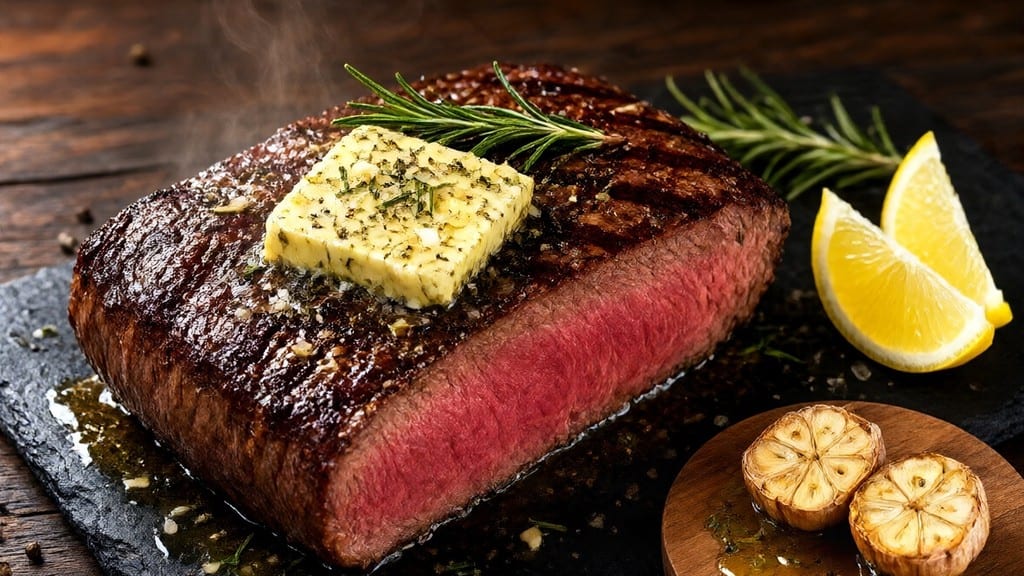
Transforming a simple beef tenderloin into a smoky, restaurant-quality masterpiece on your Traeger is easier than you think—and this recipe delivers juicy, melt-in-your-mouth perfection in just 2 hours.
The secret lies in low-and-slow cooking at 225°F, where the Traeger’s indirect heat works magic to create an even, tender interior with a subtle smoky crust that’ll impress even the most skeptical guests.
What sets this recipe apart is the foolproof technique that balances precision with simplicity: a dry rub of kosher salt and black pepper (no marinade needed) lets the beef’s natural flavors shine while the Traeger’s consistent temperature ensures no overcooking.
The key is pulling the meat at 125–130°F internal temp—just before it reaches medium-rare—and letting it rest for 15 minutes to redistribute juices for maximum tenderness.
By the time you slice into that beautifully seared tenderloin, you’ll be rewarded with juicy, pink centers and a crust that’s crisp enough to stand up to bold sides like garlic roasted potatoes or a rich red wine reduction.
This isn’t just a meal—it’s a showstopping centerpiece that turns weeknight dinners into special occasions without the fuss of a full restaurant kitchen.
The best part? This method scales perfectly for 4–8 servings, making it ideal for holidays, game days, or when you want to impress without stress. Let’s get cooking—your Traeger is about to become your new favorite tool for effortless, professional-quality beef every time.
Ingredients for traeger beef tenderloin
Six ingredients. Two hours. Restaurant-quality beef tenderloin that'll make your Traeger the star of summer.
| Ingredient | Amount | Notes |
|---|---|---|
| Beef Tenderloin 🥩 | 4 lb | Center-cut, trimmed of silver skin |
| Kosher Salt 🧂 | 1 ½ tbsp | Diamond Crystal preferred, coarse grain |
| Freshly Ground Black Pepper 🌶️ | 1 tbsp | Cracked peppercorns for best flavor |
| Traeger Pellets 🔥 | 1 bag | Hickory or applewood for classic smoke |
| Butter 🧈 | ½ cup | Unsalted, softened for basting |
| Garlic Cloves 🧄 | 6 cloves | Minced for basting butter |
| Fresh Rosemary 🌿 | ¼ cup | Chopped, stems removed |
| Fresh Thyme 🌿 | ¼ cup | Leaves only, stems removed |
| Traeger Wood Chips 🌳 | ½ cup | Soaked for 30 minutes |
| Olive Oil 🫒 | 2 tbsp | Extra-virgin for searing |
| Red Wine 🍷 | ½ cup | Dry cabernet, for basting |
| Meat Thermometer 🌡️ | 1 whole | Instant-read preferred |
The beef tenderloin is your canvas here—center-cut and trimmed is non-negotiable. Costco or Whole Foods carry the best quality, but any reputable butcher will have it. Look for even marbling and a vibrant red color (not brownish). I always ask for the thickest end—it cooks more evenly. The kosher salt isn't just for flavor; it helps create that perfect crust. Diamond Crystal flakes bigger, so you'll need slightly more than table salt. Fresh herbs matter too—Trader Joe's sells pre-chopped rosemary and thyme that works in a pinch, but fresh is always better.
No hickory pellets? Applewood or cherry gives a sweeter smoke profile. Short on red wine? Beef broth with a splash of balsamic works beautifully. The butter-basting mixture can be prepped ahead—just keep it chilled until ready. Need to skip the fresh herbs? Dried rosemary and thyme at one-third the amount will do, but you'll lose some brightness. The wood chips? Soak them for at least 30 minutes—this prevents flare-ups and keeps the smoke steady. And if you don't have time to soak, just spray them with water before adding to the Traeger.
This beef tastes even better the next day—plan ahead. Wrap the cooked tenderloin tightly in foil and refrigerate for up to 3 days. For longer storage, slice and freeze portions for up to 3 months. The basting butter mixture can be made 2 days ahead and stored in the fridge. When reheating, use low heat to avoid drying out the meat. And here's a pro tip: Let the meat rest for 15 minutes before slicing—this keeps all those juices locked in where they belong.
Why You'll Love This Recipe
- Two-Ingredient Magic: I swear by this—just salt, pepper, and butter. That’s it. The Traeger pellets handle the rest, turning a simple slab of tenderloin into melt-in-your-mouth perfection with zero fuss.
- Smoke-Infused Luxury: Between us, this isn’t your average weeknight steak. The Traeger’s low-and-slow smoke kisses the butter-basted beef with caramelized edges and a juicy core that’ll have you questioning why you ever cooked it any other way.
- Leftovers That Don’t Suck: Honestly, I make this on purpose so I can have slices for days. The flavor only gets better as it rests—thinly sliced for sandwiches or tossed in salads, it’s my go-to for lazy lunches without sacrificing taste.
- Weekend Hero, Weeknight Fix: Whether it’s a backyard BBQ or a Tuesday night craving, this tenderloin delivers. The Traeger does all the work while you sip wine and pretend you’re a grill master—no flipping, no stress, just results.
Step-by-step instructions for Traeger beef tenderloin
Here's how to transform your Traeger into a smoky masterpiece with perfectly tender beef every time.
Prepare the Beef Tenderloin with Herb Butter
Remove the beef tenderloin from the refrigerator and let it sit at room temperature for 30 minutes before cooking. This ensures even cooking throughout. While it comes to temperature, prepare the herb butter by combining the softened butter, minced garlic cloves, chopped fresh rosemary, and fresh thyme in a mixing bowl. Mix until fully incorporated, creating a fragrant compound butter that will infuse the beef with incredible flavor.
Generously coat the entire surface of the beef tenderloin with the herb butter mixture, pressing it in firmly so it adheres well. Then, season the beef with 1.5 tablespoons of kosher salt and 1 tablespoon of freshly ground black pepper, ensuring it's evenly distributed on all sides. This dry brining step is crucial for developing a flavorful crust while keeping the interior juicy.
Set Up and Smoke the Beef Tenderloin
Soak the 0.5 cup of traeger wood chips in water for 30 minutes to prevent them from burning too quickly. While they soak, preheat your Traeger grill to 225°F using the bag of traeger pellets. Once the wood chips are ready, add them to the smoker tube to create a steady, gentle smoke that will permeate the beef tenderloin.
Place the seasoned beef tenderloin directly on the grill grates, fat side up if applicable. Close the lid and maintain the temperature at 225°F for the entire cooking process. The key to success is patience—smoking the beef tenderloin at this low temperature allows the collagen to break down gradually, resulting in incredibly tender meat. Resist the temptation to check the temperature frequently; each time you open the lid, you lose valuable heat and smoke.
Monitor and Baste the Beef Tenderloin
Use the meat thermometer to monitor the internal temperature of the beef tenderloin. It should take approximately 1 hour and 45 minutes to reach an internal temperature of 125°F. At this point, remove the beef from the grill and brush it generously with the 0.5 cup of red wine. This basting step adds depth of flavor and helps create a beautiful crust.
Return the beef tenderloin to the grill and continue cooking until the internal temperature reaches 130°F. This final temperature ensures the beef is perfectly tender while still retaining a touch of pink in the center. The total cooking time should be around 2 hours, but always rely on the meat thermometer for accuracy rather than guessing by time alone.
Rest and Slice the Beef Tenderloin
Once the beef tenderloin reaches 130°F, remove it from the grill and transfer it to a cutting board. Let it rest for 15-20 minutes before slicing. This resting period is essential for allowing the juices to redistribute throughout the meat, ensuring each slice is moist and flavorful. During this time, tent the beef loosely with aluminum foil to keep it warm.
Slice the beef tenderloin into 1-inch thick medallions against the grain for maximum tenderness. Arrange the slices on a platter and drizzle with any accumulated juices from the cutting board. Serve immediately, accompanied by your favorite sides. The result should be a perfectly tender, smoky beef tenderloin with a beautiful crust and rich, herb-infused flavor that will impress even the most discerning guests.
Pro Tips For Making Traeger Beef Tenderloin
- CRANK HEAT TO 450°F: DESCRIPTION: Start your Traeger at 450°F for the first 15 minutes—this sears the outside fast and locks in juices before dropping to 225°F. I used to skip this step and ended up with dull, gray meat instead of that perfect crust.
- SALT THE NIGHT BEFORE: DESCRIPTION: Season your tenderloin with kosher salt and pepper 12–24 hours ahead—it seasons deeper and makes the crust crispier. Yes, it’s weird, but it works every time.
- DON’T PEEK OR MOVE: DESCRIPTION: Leave the tenderloin alone for the first hour—no opening the lid, no rearranging. The smoke needs time to work its magic, and every time you poke it, you lose heat and moisture.
- BUTTER THE LAST 15 MINUTES: DESCRIPTION: Brush melted butter over the meat in the final stretch—it adds richness and helps create that caramelized bark. Use about ¼ cup, split between two applications, not all at once.
Wine and beer pairings for this recipe
Red Wine Pairings
For this Traeger-smoked beef tenderloin, I reach for bold, full-bodied reds that complement the smoky depth while standing up to the rich herb butter. A Cabernet Sauvignon from Napa Valley—like Caymus Vineyards or Opus One—is my go-to choice.
Its dark fruit flavors and firm tannins mirror the beef's smokiness while cutting through the fat beautifully. For something more approachable, a Malbec from Argentina offers juicy blackberry notes that pair perfectly with the rosemary and thyme in the basting butter. 🍷
Smoky Oak Barrel Options
If you prefer wines with a smoky profile to match your Traeger, look for aged reds like a Syrah from Washington State or a Zinfandel from California. These wines often spend time in oak barrels, developing vanilla and caramel notes that harmonize with the wood smoke.
I love pairing with Chateau Ste. Michelle Syrah—its peppery finish enhances the crust on the beef. For a budget-friendly option, try a Crozes-Hermitage from France.
Beer Pairings
Beer lovers shouldn’t miss out—amber ales and dark lagers are fantastic companions. A Belgian-style dubbel like Allagash Belgian Dubbel brings malty sweetness and spice that balances the smokiness. For something lighter, a honey brown ale from New Belgium adds a touch of caramel that echoes the herb butter.
Avoid overly hoppy IPAs, as they can clash with the beef’s richness. 🍺
White Wine Alternatives
While reds dominate, a bold Chardonnay from California—like Kendall-Jackson Vintner’s Reserve—can work surprisingly well, especially if it has oak notes. The buttery texture complements the herb butter, while the acidity cuts through the fat.
For a crisp option, a dry Riesling from Germany offers bright citrus notes that refresh the palate between bites. Just avoid overly oaky whites that might overpower the dish.
Non-Alcoholic Pairings
Don’t have wine or beer? A smoked iced tea with a splash of lemon—like AriZona’s Smoky Mountain Black Tea—mimics the smoky flavor without alcohol. For something richer, try a sparkling grape juice like Martinelli’s Sparkling Apple with a hint of rosemary syrup.
These options keep the smoky, herbaceous notes front and center while being crowd-pleasers. 💫
Serving Temperature Tips
Serve red wines slightly below room temperature—around 60–65°F—to enhance their aromas and tannins. For beers, chill amber ales to 45°F and lagers to 40°F to preserve their flavors.
Pro tip: I always pour wine into a decanter 10 minutes before serving to let it breathe—this softens tannins and intensifies the aromas, making every sip more enjoyable with the beef. ⏰
Nutrition facts
Frequently asked questions
Can I use a different wood pellet flavor for this recipe?
While hickory and applewood work beautifully, cherry adds a subtle sweetness that pairs well with the herb butter, and pecan offers a nutty depth. Avoid fruitwoods like mesquite—they can overpower the beef's natural flavor. For a milder smoke, try alder or maple pellets.
How do I adjust cooking time for a larger or smaller tenderloin?
Cooking time depends on weight: aim for 20-25 minutes per pound at 225°F. A 6-pound tenderloin will take ~2 hours, while a 3-pound one finishes in ~1 hour 15 minutes. Always use a meat thermometer—130°F internal temp is your target, regardless of size. Larger cuts may need 10-15 extra minutes of rest time.
Why is my Traeger beef tenderloin tough instead of tender?
Overcooking is the #1 culprit—pull the beef at 130°F, not 145°F. Another common mistake is skipping the rest time; always let it rest 15-20 minutes before slicing. If your Traeger isn't maintaining 225°F, clean the burn pot and check for drafts. For extra tenderness, try a 1-hour dry brine (salt only) before cooking.
What's the best way to reheat leftover Traeger beef tenderloin?
Slice the beef into 1-inch medallions and reheat in a skillet over medium-low heat with a splash of beef broth for 2-3 minutes per side. Never microwave—it turns the meat rubbery. For leftovers, store in an airtight container for up to 3 days or freeze for 3 months. The herb butter flavor actually improves overnight!
Can I make this recipe without a Traeger?
Yes! Use an offset smoker, pellet grill, or even your oven with a meat thermometer. For oven cooking, bake at 275°F for 15-20 minutes per pound until 130°F internal temp. For smoker versions, maintain 225°F like the Traeger recipe. The key is low-and-slow heat—no searing needed until the very end for crust.