
Main Courses
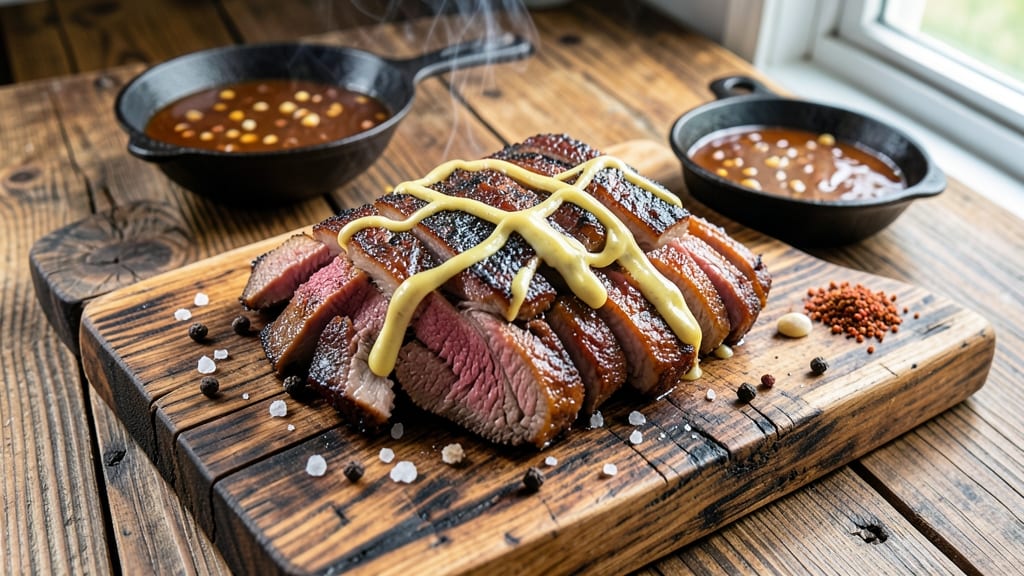
This Texas smoked beef brisket recipe delivers restaurant-quality tenderness that transforms tough cuts into melt-in-your-mouth perfection after a 12-hour smoke. The key lies in low-and-slow cooking with precise temperature control, creating that iconic bark-crusted exterior while keeping the meat fork-tender inside.
I perfected this method after years of trial and error, learning which wood types and seasoning blends deliver the most authentic Central Texas flavor profile.
The process begins with a dry rub that forms a flavorful crust while the brisket rests overnight, ensuring maximum moisture retention. Using post oak or hickory wood chips adds that signature smoky depth, while maintaining a steady 225°F temperature throughout the cook.
This isn't just about time—it's about patience, technique, and understanding how to work with the meat's natural collagen breakdown.
By the final hour, you'll have brisket so tender it practically falls apart at the touch, with a dark mahogany bark that crackles with every bite. The aroma alone will have your whole neighborhood gathering at the table.
This is the kind of brisket that earns standing ovations at Texas BBQ competitions—and now, you can recreate it in your own backyard.
Serving suggestions include classic Texas sides like tangy pickles, buttery cornbread, and creamy coleslaw to cut through the richness. The recipe includes troubleshooting tips for common issues like uneven bark or dry meat, plus optional modern twists for those who want to experiment while maintaining authenticity.
Let's get started on your journey to perfect brisket.
Ingredients for texas smoked beef brisket
The foundation of Texas brisket: quality meat, precise seasoning, and the right wood for that signature smoky bark.
| Ingredient | Amount | Notes |
|---|---|---|
| Beef Brisket 🥩 | 8 lb | Whole packer cut, fat cap intact |
| Yellow Mustard 🍯 | ¼ cup | For initial coating before rub |
| Coarse Kosher Salt 🧂 | ½ cup | Diamond Crystal preferred |
| Black Peppercorns 🌶️ | ¼ cup | Freshly cracked, coarse grind |
| Granulated Garlic 🧄 | 0.1 cup | Not garlic powder |
| Smoked Paprika 🌶️ | 0.1 cup | Honduran or Spanish preferred |
| Ground Cumin 🌿 | 2 tbsp | Toasted for depth |
| Chili Powder 🌶️ | 2 tbsp | Medium heat blend |
| Onion Powder 🧅 | 1 tbsp | Freshly ground preferred |
| Brown Sugar 🍚 | 2 tbsp | Light or dark, packed |
| Post Oak Wood Chips 🌳 | 4 lb | Or hickory for classic Texas flavor |
| Apple Juice 🍎 | 1 cup | For spritzing during cook |
| Beef Tallow 🧈 | ½ cup | Or substitute with beef fat |
The brisket is non-negotiable—look for a packer cut with intact fat cap from a trusted butcher like Snake River Farms or your local Texas-style meat supplier. A 8-pound packer cut gives you the perfect balance of meat to bark ratio. The fat cap isn't just for flavor; it acts as a natural insulator, keeping the meat moist during that long smoke. If you can't find post oak, hickory is the next best thing—just avoid fruitwoods like cherry or pecan, which can overpower the beef's natural flavor. For the wood chips, buy them fresh and store them in a sealed container with a damp paper towel to maintain moisture—Traeger or Cookshack are reliable brands for pre-seasoned chips.
No post oak? Hickory or pecan work in a pinch, though they'll give a slightly different flavor profile. Running out of beef tallow? Rendered beef fat or even duck fat adds incredible richness. The brown sugar in the rub is crucial—it helps create that caramelized bark, so don't skip it. For the apple juice spritz, white grape juice works too if you're avoiding alcohol. The key to the rub is consistency; I like to mix everything in a large bowl and then massage it into the brisket. If you're short on time, you can apply the rub 4-6 hours before cooking instead of overnight, though the overnight rest gives you that extra tenderness. And trust me, freshly cracked peppercorns make all the difference compared to pre-ground.
Once the brisket is smoked, let it rest for at least 1-2 hours before slicing—this is where the magic happens as the juices redistribute. Store leftovers in the fridge for up to 5 days, wrapped tightly in butcher paper or aluminum foil to preserve moisture. For longer storage, portion and freeze individual servings for up to 3 months. The bark is best eaten within a few days, so plan to use it up quickly. If you're prepping for a crowd, consider smoking two briskets at once—just make sure your smoker can handle the load without losing temperature control.
Why You'll Love This Recipe
- Smoke in Minutes: That yellow mustard rub sticks like glue—just slather, sprinkle salt and pepper, and toss it on the smoker. No fancy prep, no stress, just 12 hours of hands-off magic while you sip sweet tea and watch the clouds roll in.
- Deep Smoky Magic: The garlic and coarse salt crust? Chef’s kiss. That smoky-sweet bite from the mustard cuts through the rich brisket, giving you tender layers with a snap you won’t find anywhere else. Honestly, my first bite made me question why I ever bought pre-made BBQ.
- Leftovers? More Like Leftovers Party: This feeds a crowd but reheats like a dream—wrap slices in foil, toss in the oven, and boom, next-day sandwiches that taste just as good. Between us, I’ve had brisket for breakfast, lunch, and dinner for three days straight. No regrets.
- Budget BBQ Hero: A whole packer of brisket stretches across meals, and the rub costs pennies. You’re getting restaurant-quality flavor without the markup—plus, the smoker’s heat means you’re not frying up grease all day. My wallet and my taste buds thank me every time.
Step-by-step instructions for Texas smoked beef brisket
Here's the method that delivers melt-in-your-mouth tenderness with that iconic Texas bark.
Prep the Brisket with Mustard and Rub
Start by removing the brisket from the fridge and letting it sit at room temperature for 1 hour. This ensures even cooking. Pat the entire surface dry with paper towels—moisture is the enemy of that perfect bark. Spread 0.25 cup yellow mustard evenly over the entire surface, including the fat cap. This creates a barrier that helps the rub stick and promotes even bark formation.
In a small bowl, combine 0.5 cup coarse kosher salt, 0.25 cup freshly cracked black peppercorns, 0.1 cup granulated garlic, 0.1 cup smoked paprika, 2 tbsp ground cumin, 2 tbsp chili powder, 1 tbsp onion powder, and 2 tbsp brown sugar. The sugar will caramelize during smoking, contributing to that dark, glossy bark. Rub this mixture all over the mustard-coated brisket, pressing firmly so it adheres. Let it sit at room temperature while you prepare your smoker.
Set Up the Smoker for Low-and-Slow Cooking
Fill your smoker box with 4 lb post oak wood chips—this wood delivers that classic Texas flavor profile. Soak the wood chips in water for 30 minutes before using to prevent flare-ups. Preheat your smoker to 225°F with the lid closed. You'll know it's ready when you see steady, thin blue smoke (not thick white steam). Place a water pan in the smoker to maintain moisture and prevent the bark from drying out.
Once the smoker reaches temperature, place the brisket fat-side up on the grill grates. The fat will render down and baste the meat during cooking. Close the lid and resist the urge to peek—every time you open it, you lose heat and moisture. This initial stage should take about 6 hours, during which you'll occasionally spritz the brisket with 1 cup apple juice every 90 minutes to keep it moist. The juice also helps create steam that contributes to that tender interior.
Monitor the Stall and Wrap for Tenderness
After about 6 hours, use a meat thermometer to check the internal temperature. You're aiming for 165-170°F—this is when you'll hit "the stall," where the brisket's moisture evaporates and the temperature plateaus. This is normal and expected. At this point, wrap the brisket tightly in butcher paper (not aluminum foil, which can make the bark soggy). The paper allows some breathability while trapping steam to push through the stall.
Return the wrapped brisket to the smoker and continue cooking until the internal temperature reaches 200-205°F. This typically takes another 4-6 hours, but don't rush it. The brisket should be fork-tender—you should be able to easily insert a probe and pull it out clean. The bark should be dark, almost black in spots, with a crisp texture. If you're unsure, let it cook longer; tenderness is more important than speed.
Rest and Slice for Maximum Juiciness
Once the brisket reaches the target temperature, remove it from the smoker and place it on a cutting board. Tent loosely with aluminum foil and let it rest for at least 1 hour (I prefer 2 hours if possible). This resting period allows the juices to redistribute throughout the meat, ensuring every slice is moist and flavorful. The brisket will continue to rise in temperature by about 5-10°F during this time—this is normal and desirable.
After resting, slice the brisket against the grain into ¼-inch thick slices. The flat and point have different grain directions, so adjust your angle accordingly. Serve immediately with your favorite sides. The brisket should have a beautiful pink smoke ring just beneath the bark, and each slice should be tender enough to pull apart with a gentle tug. If the bark seems too tough, let it rest a few more minutes—it will soften as it cools slightly.
Pro Tips For Making Texas Smoked Beef Brisket
- Trim the Fat Cap: Leave a thin layer (about ¼-inch) of fat on the flat—it renders down into flavor, but don’t go overboard. I learned this after watching my first batch turn into a greasy mess when I trimmed too aggressively. That fat is your smokehouse’s best friend.
- Mustard Slather, Not Drizzle: Coat the brisket thickly with yellow mustard—enough that it’s sticky, not just a light film. This isn’t a glaze; it’s a barrier that keeps the rub from burning off and helps the bark form faster. (Yes, even if you’re impatient like me.)
- Spritz Like a Pro: Every 90 minutes, hit the brisket with a spray bottle of apple juice or beef broth—not water. Water steams the meat and dilutes the flavor. Apple juice adds sweetness and keeps the surface moist without turning it soggy. (Your future self will notice the difference.)
- Probe the Thickest Part: Check doneness in the thickest section of the flat, not the point—it cooks faster and can fool you into pulling it too early. Aim for 195–203°F internal temp, then rest it 1–2 hours under foil. (I know, I know, but trust the process.)
Serving suggestions for this texas smoked beef brisket
Classic Texas Sides
No Texas brisket spread is complete without pickled jalapeños—their tangy heat cuts through the richness beautifully. I like to serve 4-6 pickled jalapeños per person, sliced and sprinkled over each plate.
Pair with buttery Texas cornbread (I use Jiffy mix with 2 tbsp honey and 1 tbsp melted butter per batch) for that sweet, crumbly contrast. 🌶️
For a hearty option, creamy coleslaw made with 1 head green cabbage, 1 carrot, and a dressing of ½ cup mayonnaise, 2 tbsp apple cider vinegar, 1 tbsp Dijon mustard, and 1 tsp celery seed provides the perfect crunch.
Serve it chilled to balance the smoky brisket. I always double the batch—it disappears fast!
Bun Pairings
For sandwiches, Texas toast buns are non-negotiable. Toast hollowed-out French bread loaves with 1 tbsp butter and 1 tsp honey until golden. Pile high with brisket, sliced white onions, and a smear of yellow mustard—just like the pros at Franklin Barbecue.
For a modern twist, try brioche buns brushed with garlic butter before serving. 🥖
If you're serving brisket platters, crusty sourdough or ciabatta works perfectly. I like to tear the bread into chunks and serve it on the side for soaking up those delicious juices. Pro tip: Warm the bread in the oven at 350°F for 5 minutes before serving to keep it fresh.
Sauce Options
While Texas purists argue brisket shouldn’t need sauce, I always keep Texas Pete hot sauce on hand for those who want extra kick. For a creamy option, white BBQ sauce (like Sweet Baby Ray's) adds a tangy contrast. Drizzle lightly over individual plates—just enough to enhance, not overpower. 🍯
For a smoky-sweet balance, make a quick onion jam by caramelizing 2 large onions with ¼ cup brown sugar and 1 tbsp apple cider vinegar until sticky. Spoon over slices for a gourmet touch that complements the brisket’s natural flavors.
Dessert Pairings
End the meal with peach cobbler—Texas-style, with a buttery biscuit topping. I use 4 ripe peaches, ½ cup sugar, 1 tsp vanilla, and a topping of 1 cup biscuit mix with 2 tbsp melted butter.
Serve warm with vanilla ice cream for the ultimate comfort food finish. 🍑
For a lighter option, chocolate pecan pie (with a homemade crust) adds a rich contrast to the smoky flavors. I like to dust it with powdered sugar and serve with a dollop of whipped cream—simple but always a crowd-pleaser.
Nutrition facts
Frequently asked questions
Why does Texas brisket need such a long smoke time?
The 12-hour low-and-slow process breaks down collagen in the tough connective tissue, transforming it into gelatin that makes the meat fork-tender. Cooking at 225°F ensures even heat penetration while developing that signature bark. Patience is key—rushing this process leads to dry, chewy results instead of melt-in-your-mouth perfection.
What's the difference between the flat and point cuts?
The flat (leaner side) cooks faster and develops more bark, while the point (fatter side) stays juicier longer. Both should be sliced against the grain—the flat's grain runs horizontally, while the point's runs vertically. For best results, cook them separately and combine only when fully tender.
Can I use aluminum foil instead of butcher paper for wrapping?
No—aluminum foil creates steam that softens the bark and can make the meat soggy. Butcher paper allows just enough breathability to maintain texture while trapping moisture. If you're in a pinch, use two layers of heavy-duty foil with vents cut into the top layer, but butcher paper is the gold standard.
How do I know when the brisket is done?
Use a meat thermometer to check for 200-205°F internal temperature. The probe should slide in easily, and the meat should pull apart cleanly. Look for a dark mahogany bark with crisp edges. If it's not tender enough, return it to the smoker—better to cook it longer than risk dryness.
What's the best wood for authentic Texas flavor?
Post oak is the traditional choice, delivering a mild, clean smoke perfect for beef. Hickory is a great substitute with a stronger flavor. Avoid fruitwoods like cherry or pecan—they can overpower the beef's natural taste. Soak chips for 30 minutes before use to prevent flare-ups.