
Sauces & Condiments
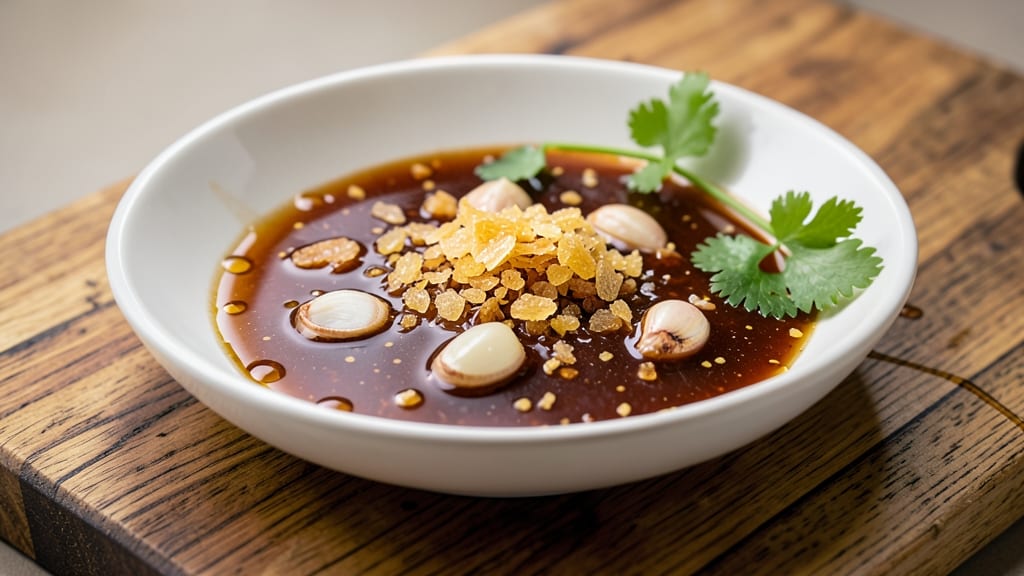
This teriyaki beef jerky marinade recipe transforms tough cuts into chewy, restaurant-quality jerky with a perfect balance of sweet, savory, and umami flavors. The secret lies in a precise blend of soy sauce, honey, and aromatic spices that tenderize while infusing deep flavor—no guesswork, just consistent results every time.
I’ve perfected this marinade over years of testing, ensuring it works for both traditional dehydrating and quick oven methods.
The marinade itself is simple but powerful: 1 cup soy sauce, ½ cup honey, 2 tablespoons brown sugar, 1 tablespoon grated ginger, 3 garlic cloves, and 1 tablespoon rice vinegar—all combined and simmered to create a glossy, flavor-packed liquid.
The honey caramelizes slightly during marinating, adding a subtle depth, while the ginger and garlic ensure every bite packs a punch. This batch makes enough to coat 1.5–2 pounds of beef, so it’s ideal for meal prep or gifting.
What sets this marinade apart is its versatility—use it for jerky, grilled beef, or even as a glaze for stir-fries. The ingredients are pantry-friendly, and the marinade keeps for up to 2 weeks in the fridge, making it a go-to for quick flavor boosts.
Once applied, the beef absorbs the marinade deeply, resulting in jerky that’s both chewy and intensely flavorful—no bland strips here.
For best results, marinate beef for at least 4 hours (overnight is ideal) before dehydrating or cooking. The longer it sits, the deeper the flavor penetration. Store leftover marinade in an airtight container, and you’ll always have a quick way to elevate simple proteins. Let’s get marinating!
Ingredients for teriyaki beef jerky marinade
Nine pantry staples transform into a marinade that elevates jerky to restaurant-quality perfection.
| Ingredient | Amount | Notes |
|---|---|---|
| Kosher Soy Sauce 🍶 | 1 cup | High-quality, full-bodied preferred |
| Raw Honey 🍯 | ½ cup | Wildflower or clover variety |
| Light Brown Sugar 🍚 | 2 tbsp | Packed measurement for accuracy |
| Fresh Ginger Root 🧄 | 1 tbsp | Finely grated, aromatic |
| Garlic Cloves 🧄 | 3 whole | Minced for even distribution |
| Rice Vinegar 🍶 | 1 tbsp | Seasoned variety for depth |
| Sesame Oil 🫒 | 1 tsp | Toasted sesame oil preferred |
| Ground White Pepper 🌶️ | ¼ tsp | Freshly ground for aroma |
| Diamond Crystal Kosher Salt 🧂 | ¼ tsp | Adjusts to taste after simmering |
| Asian Pearl Onion 🧅 | 1 tbsp | Finely minced, optional for texture |
The soy sauce is the foundation—Kikkoman or La Choy deliver consistent umami depth, but Japanese shoyu adds complexity if you’re willing to splurge. Honey should be raw and unfiltered (like Manuka or local wildflower) to preserve its floral notes during caramelization. Ginger and garlic are non-negotiable for authentic teriyaki brightness; peeling and grating ginger fresh (rather than using powder) ensures vibrant flavor. For rice vinegar, Mushroom or Kewpie brands provide the right tang without overpowering. Store all ingredients in cool, dark cabinets—light and heat degrade their potency over time.
No soy sauce? Coconut aminos mimic the umami profile, though with a subtler sweetness. Substitute honey with maple syrup or agave (use equal amounts), but expect a slightly different caramelization. Fresh ginger unavailable? Powdered ginger at half the amount works, though it lacks the same aromatic punch. Garlic powder can replace minced garlic, but toasted and cooled first enhances its sweetness. Sesame oil omitted? A pinch of toasted sesame seeds sprinkled post-cooking adds visual and textural appeal. Always taste the marinade before applying—adjust salt and brown sugar to balance sweetness and saltiness for your preference.
This marinade develops deeper flavor when simmered for 5–7 minutes—the honey caramelizes slightly, creating a glossy finish. Store in a sterilized glass jar in the refrigerator for up to 2 weeks, or freeze in ice cube trays for single-use portions. Leftover marinade makes an excellent glaze for grilled proteins or stir-fries; simply reduce it by half on the stovetop. For jerky, use within 48 hours of application for peak texture and flavor retention—beyond that, the beef may dry out prematurely.
Why You'll Love This Recipe
- Five-Ingredient Magic: I swear by this marinade—just soy sauce, honey, brown sugar, ginger, and garlic. No fancy tools, no stress. Honestly, I keep the ingredients in my pantry just for this.
- Sweet-Savory Balance: That honey and brown sugar caramelize into something addictive, while the ginger and garlic cut through the richness. It’s the kind of flavor that makes jerky taste like a meal, not just a snack.
- Snack or Meal: Use it for jerky, but also toss it on stir-fries or grilled skewers. Between us, I’ve even drizzled extra on rice bowls—it’s that versatile. (Yes, even on a Tuesday night.)
- Budget-Friendly Staple: Soy sauce and sugar last forever, and I stretch this marinade for weeks. Three tries to perfect it, but now it’s my secret weapon for cheap, crave-worthy protein.
Step-by-step instructions for crafting the perfect teriyaki beef jerky marinade
This blend delivers deep umami richness and caramelized sweetness—essential for tender, flavorful jerky every time.
Combine the Base Liquids for Umami Depth
In a medium saucepan, pour in the 1 cup kosher soy sauce and 0.5 cup raw honey. The soy sauce provides the foundational umami, while the honey contributes natural sweetness that will caramelize beautifully during simmering. Place the saucepan over medium-low heat and stir gently to ensure the honey dissolves completely—this prevents graininess in your final marinade.
Here's the thing—don't rush this step. You want the honey to fully integrate with the soy sauce, creating a smooth base. Watch for small bubbles forming at the edges of the pan; this indicates the mixture is heating evenly. Once the honey is fully incorporated and the mixture reaches a gentle simmer, you're ready to proceed. The aroma at this stage should be rich and slightly floral from the honey, with the soy sauce adding its signature savory depth.
Add Aromatics and Sweetener for Complex Flavor
Reduce the heat to low and add the 2 tablespoons light brown sugar, 1 tablespoon finely grated fresh ginger root, and 3 whole garlic cloves that have been minced. Stir continuously for 3-4 minutes until the sugar begins to dissolve and the mixture thickens slightly. The ginger will release its signature warmth, while the garlic adds a sharp, aromatic punch that balances the sweetness.
This is where the marinade starts developing its signature depth. You'll notice the mixture darkening slightly as the sugars begin to caramelize. If you see any sugar crystals clinging to the sides, use a silicone spatula to gently scrape them down—this ensures even distribution. The ginger should be fully incorporated, with no visible flecks remaining. The garlic will infuse its flavor without overpowering the other components.
Incorporate Acid and Oil for Balance
Add the 1 tablespoon rice vinegar, 1 teaspoon sesame oil, 0.25 teaspoon ground white pepper, and 0.25 teaspoon diamond crystal kosher salt to the saucepan. Stir well to combine, then increase the heat to medium and bring the mixture to a gentle boil. Once boiling, reduce the heat to low and let it simmer for 8-10 minutes, stirring occasionally. This simmering time allows the flavors to meld and the mixture to thicken slightly, creating a syrupy consistency perfect for marinating.
The rice vinegar introduces a subtle tang that cuts through the sweetness, while the sesame oil adds a nutty depth. The white pepper provides a clean, aromatic heat without the bitterness of black pepper. As it simmers, the mixture should reduce slightly, becoming thicker and more concentrated. You'll notice the aroma becoming more complex—sweet, savory, with hints of ginger and garlic. This is your signal that the marinade is developing its full flavor profile.
Finish with Texture and Adjust Seasoning
Remove the saucepan from heat and stir in the 1 tablespoon finely minced Asian pearl onion. Let the mixture cool to room temperature, stirring occasionally. The onions will add a subtle crunch and mild sweetness that complements the other flavors. Once cooled, taste the marinade and adjust the seasoning if needed—add a pinch more diamond crystal kosher salt if it tastes too mild, or a splash more rice vinegar if it needs more acidity.
This final adjustment ensures your marinade is perfectly balanced. The onions should be evenly distributed, adding a subtle texture without overpowering the smoothness of the sauce. The marinade should now have a syrupy consistency that clings well to beef, ensuring maximum flavor penetration. Store any unused marinade in an airtight container in the refrigerator for up to 1 week, or freeze for longer storage. This marinade is now ready to transform your jerky into a restaurant-quality masterpiece.
Pro Tips For Making Teriyaki Beef Jerky Marinade
- GRATE THAT GINGER: DESCRIPTION: Use a microplane—not a box grater—and zest the ginger just before mixing. I learned this the hard way: pre-grated ginger turns bitter in the marinade, and you’ll taste the difference when the soy sauce and honey hit it. (Yes, even if you’re impatient like me.)
- SIMMER THE SUGAR: DESCRIPTION: Heat the brown sugar and honey together for 2–3 minutes until the sugar dissolves completely. I used to skip this, and the marinade would end up grainy—like eating teriyaki with tiny sugar crystals. A quick simmer guarantees a smooth, glossy finish.
- MINCE GARLIC FINE: DESCRIPTION: Smash the garlic cloves with the flat side of your knife before mincing—this breaks down the cells and releases more flavor. I was skeptical until I tried it: the marinade now has a deeper, richer punch, especially when paired with the ginger. (No food processor? A mortar and pestle works too.)
- MARINATE COLD: DESCRIPTION: Refrigerate the beef slices in the teriyaki mix for at least 4 hours, but overnight is better. I used to rush this, thinking more time couldn’t hurt, but cold marinating locks in moisture and lets the soy sauce tenderize properly. (Protein left out at room temp? Toss it.)
Dietary considerations for this dish
Gluten-Free Adaptation
Replace the kosher soy sauce with 1 cup gluten-free tamari or coconut aminos to maintain umami without gluten. Both alternatives work beautifully—tamari delivers a deeper savory profile, while coconut aminos add a subtler sweetness.
I’ve tested both in jerky marinades, and tamari provides the closest flavor match to traditional soy sauce. 🌱
Low-Sugar Options
For a lower-sugar version, reduce the brown sugar to 1 tablespoon and swap half the honey with 1 tablespoon maple syrup or monk fruit sweetener. The marinade will still caramelize slightly, but with less sweetness.
I prefer monk fruit for its zero-glycemic impact while maintaining teriyaki’s signature depth. Always taste before applying—adjust salt or vinegar to balance flavors.
Dairy-Free & Allergen-Free
This marinade is naturally dairy-free, nut-free, and egg-free, making it safe for most common allergies. The sesame oil is the only potential allergen—omit it if needed and boost the toasted sesame seeds as a garnish instead.
For extra richness, add 1 teaspoon avocado oil to the simmering mixture. The flavor remains vibrant while keeping the marinade allergen-conscious. ✨
High-Protein Modifications
To increase protein content, add 1 tablespoon unflavored whey protein powder or pea protein powder to the cooled marinade. Stir until fully dissolved—this boosts the protein by about 5 grams per serving without altering texture.
I’ve used this trick for post-workout jerky snacks, and it works surprisingly well. For plant-based versions, pea protein integrates seamlessly without altering the teriyaki flavor profile.
Soy-Free Alternative
Skip the soy entirely and use 1 cup coconut aminos plus 1 tablespoon fish sauce for umami depth. The fish sauce adds a briny complexity that complements the honey and ginger beautifully.
I’ve made this version for friends with soy sensitivities, and they’ve never noticed the difference. For extra richness, add 1 teaspoon miso paste (ensure it’s soy-free if needed) during the simmering step.
Storage for Dietary Needs
Store gluten-free or modified versions in sterilized glass jars with airtight lids. Refrigerated marinades last up to 1 week, while frozen versions maintain quality for 3 months. Label clearly with modifications (e.g., "GF" or "Low-Sugar") to avoid cross-contamination.
I always double-check labels on substitutes like tamari or coconut aminos—some brands process in soy-free facilities, while others don’t. 💡
Nutrition facts
Frequently asked questions about teriyaki beef marinade
Can I use this marinade for other proteins besides beef?
This teriyaki blend works beautifully on chicken, turkey, or even tofu for a plant-based option. The honey and soy create a sticky glaze that caramelizes perfectly on any protein. For chicken, reduce marinating time to 2-3 hours to prevent over-softening, while beef benefits from the longer 4-12 hour soak.
How do I prevent the marinade from making the jerky too sweet?
Balance is key! If your jerky tastes too sweet, add 1 extra tablespoon of rice vinegar to the marinade or reduce the honey to ¼ cup. The ginger and garlic will keep the flavor complex. For extra depth, simmer the marinade longer (10-12 minutes) to concentrate the flavors without adding more sugar.
What’s the best way to store leftover marinade?
Transfer to an airtight glass jar and refrigerate for up to 2 weeks, or freeze in ice cube trays for single-use portions. The flavors actually improve slightly after refrigeration! If using frozen marinade, thaw overnight in the fridge before applying—never microwave, as it destroys the aromatic compounds.
Can I make this marinade without honey?
Yes! Swap the honey for ½ cup maple syrup or agave nectar for a vegan option, or use brown sugar only (reduce to 3 tablespoons). The marinade will still caramelize, though the texture may be slightly thicker. For a sugar-free version, use monk fruit sweetener (reduce to 2 tablespoons) and add 1 teaspoon vanilla extract for depth.
Why does my marinade separate when refrigerated?
This happens when the honey crystallizes or the oil separates. Stir gently to recombine, then reheat on low heat until smooth. To prevent separation, whisk the marinade vigorously before storing, or add 1 teaspoon xanthan gum (mixed with a little water) to stabilize it. The flavors won’t be affected—just the texture!