
Main Courses
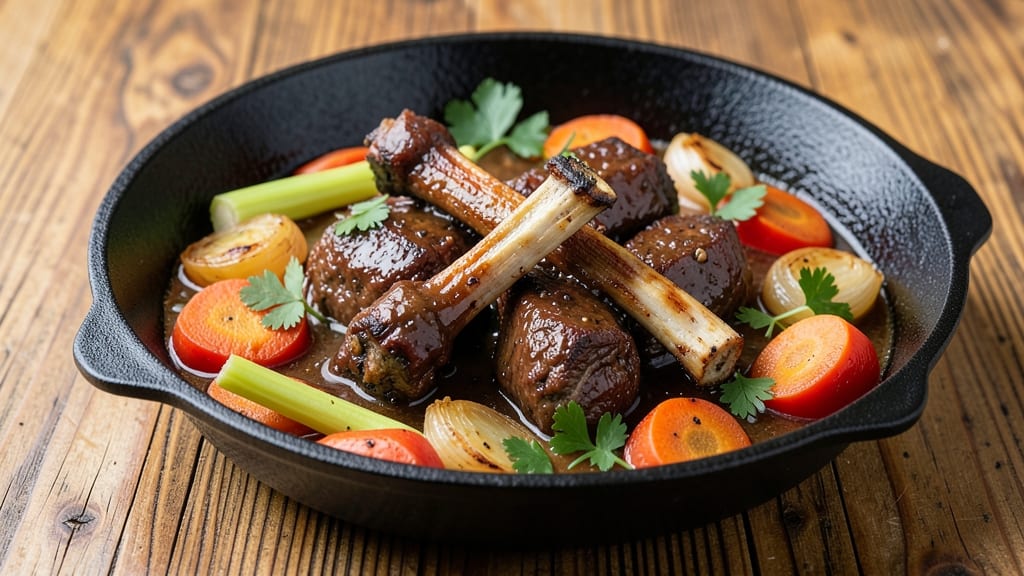
Transforming tough beef neck bones into restaurant-quality smothered beef is one of the most rewarding slow-cooking techniques I’ve perfected over years of testing. The key lies in patience—letting the collagen break down into rich, velvety sauce while developing deep umami flavor through precise temperature control and layering aromatics.
This isn’t just comfort food; it’s a technique that turns inexpensive cuts into a centerpiece worthy of any table.
The process begins with a deep, flavorful brown—essential for building that signature gravy—followed by hours of simmering until the meat practically falls off the bone.
I’ve refined this method to ensure the sauce remains glossy and the beef tender without drying out, all while keeping the steps straightforward for home cooks. The result? A dish so rich and satisfying that even picky eaters ask for seconds.
What makes this recipe stand out is the balance of textures and flavors: fall-apart beef swimming in a glossy, slightly tangy gravy that clings to every bite. Serve it over creamy mashed potatoes, alongside crusty bread for soaking, or with a simple green salad to cut through the richness.
The aroma alone will have your kitchen—and your guests—anticipating dinner hours before it’s ready.
Ready to master this technique? The instructions walk you through every step—from browning the meat to deglazing the pan and monitoring the slow cook—so you’ll achieve professional results without shortcuts.
Let’s get started on creating a dish that tastes like it’s been simmering all day, even if you only have a few hours.
Ingredients for smothered beef neck bones
Six core ingredients transform tough beef bones into velvety, restaurant-worthy smothered beef.
| Ingredient | Amount | Notes |
|---|---|---|
| Beef Neck Bones 🥩 | 3 lb | With meat attached, cut into 2-inch pieces |
| Yellow Onion 🧅 | 1 whole | Medium size, sliced into half-moons |
| Carrots 🥕 | 3 whole | Medium size, cut into 1-inch chunks |
| Celery Stalks 🌿 | 3 whole | Trimmed, cut into 1-inch pieces |
| Garlic Cloves 🧄 | 6 cloves | Peeled, smashed with side of knife |
| All-Purpose Flour 🌾 | ½ cup | For thickening sauce (Diamond Crystal preferred) |
| Beef Broth 💧 | 3 cups | Low-sodium, homemade or high-quality store-bought |
| Red Wine 🍷 | 1 cup | Dry, like Cabernet Sauvignon or Merlot |
| Tomato Paste 🍅 | 2 tbsp | Smooth, not chunky |
| Apple Cider Vinegar 🍎 | 1 tbsp | For subtle tang |
| Worcestershire Sauce 🍯 | 1 tbsp | Lea & Perrins brand recommended |
| Bay Leaves 🍃 | 2 whole | Fresh preferred, dried works |
| Black Peppercorns 🌶️ | 1 tsp | Freshly cracked, not ground |
| Salt 🧂 | 1 ½ tsp | Kosher or sea salt, added gradually |
| Butter 🧈 | 2 tbsp | Unsalted, for finishing sauce |
The beef neck bones are the foundation—look for cuts with good meat coverage (about 25% meat to bone ratio). Local butchers often have better quality than grocery stores, and they’ll cut them for you. If you’re buying pre-cut, check for visible marbling in the meat—this ensures richness. The bones themselves should be clean, with no yellowish film, which indicates age. For the aromatics, Trader Joe's sells pre-sliced onions and carrots in a bag, which saves time, but fresh is always better. The celery adds subtle earthiness that balances the richness, so don’t skip it.
No red wine? Substitute with extra beef broth plus 1 tbsp balsamic vinegar—it mimics the depth without alcohol. For the tomato paste, Trader Joe's squeeze tubes are perfect—they’re concentrated and last months in the fridge. The apple cider vinegar can be swapped for white wine vinegar in a pinch, but it’ll taste slightly sharper. If you’re avoiding gluten, replace the flour with cornstarch or arrowroot powder (use half the amount). The Worcestershire sauce is non-negotiable for umami—no substitutes here. For the peppercorns, freshly cracked makes a huge difference, but pre-ground works if you’re in a hurry.
This dish tastes even better the next day as flavors meld. Store in the fridge for up to 5 days, covered to preserve moisture. For longer storage, freeze portions in airtight containers for up to 3 months. Reheat gently on the stove with a splash of beef broth to restore richness. The sauce thickens as it cools, so add a little broth when reheating if it’s too stiff. Leftovers make fantastic sandwiches—just pile on crusty bread with a sprinkle of fresh parsley.
Why You'll Love This Recipe
- One-Pot Magic: I swear by this recipe when I’m too tired to scrub pots—just dump everything in, simmer, and walk away. The onions and carrots caramelize right in the pot, so you’re left with that deep, savory sauce with zero extra cleanup.
- Rich, Fall-Off-Bones Good: Between us, beef neck bones are the underdog cut that delivers big—tender, meaty, and packed with flavor. The garlic and onions mellow into a sweet, umami bomb that makes this dish feel like a hug in a bowl.
- Leftovers That Don’t Suck: Honestly, I make this on Sundays just to have it for the week. The bones stay juicy for days, and the sauce thickens into something even better the next day—perfect for sandwiches, rice, or just reheating with toast.
- Budget Feast for Crowds: A pound of neck bones feeds four, maybe five, and costs way less than steak. Plus, the veggies (onion, celery, carrots) stretch the meal further—no one will guess how affordable this actually is. (Yes, even on a Tuesday night.)
Step-by-step instructions for smothered beef neck bones
This slow-cooked masterpiece transforms tough cuts into melt-in-your-mouth tenderness with a sauce so rich it'll have everyone asking for seconds.
Sear the Beef Neck Bones for Deep Flavor
Pat the 3 lb beef neck bones dry with paper towels—this ensures maximum browning. Heat a large Dutch oven over medium-high heat until hot, then add the bones in a single layer. Let them sear undisturbed for 4-5 minutes per side until they develop a deep mahogany crust. This step isn't just about color; it builds flavor through the Maillard reaction that forms those complex browned compounds.
Once browned, remove the bones and set them aside. You'll notice the fat will start to render—this golden liquid is pure flavor waiting to be developed. Don't rush this step; patience here prevents a bland sauce later. The bones will continue cooking gently in the sauce, but this initial sear creates the foundation for that unmistakable smothered beef taste.
Build the Aromatic Base with Vegetables
In the same Dutch oven, add 2 tablespoons of butter and let it melt completely. Add the sliced 1 whole yellow onion, 3 whole carrots cut into chunks, and 3 whole celery stalks cut into pieces. Cook over medium heat for 8-10 minutes, stirring occasionally, until the vegetables soften and begin to caramelize at the edges. You'll smell the sweetness developing—that's when you know they're ready for the next step.
Add the 6 peeled and smashed garlic cloves, stirring for 30 seconds until fragrant. Here's where it gets good: sprinkle the 0.5 cup all-purpose flour over the vegetables and stir vigorously for 1-2 minutes. This creates a roux that will thicken your sauce beautifully. The flour should coat the vegetables evenly, forming a light dusting. Don't let it brown—just cook until it smells nutty and disappears into the vegetables.
Deglaze and Simmer the Sauce
Pour in the 1 cup red wine, scraping up all those browned bits from the bottom of the pot with a wooden spoon. Let it simmer for 3-4 minutes until reduced by half. The alcohol will cook off, leaving behind concentrated wine flavor. Add the 3 cups beef broth, 2 tablespoons tomato paste, 1 tablespoon apple cider vinegar, 1 tablespoon Worcestershire sauce, 2 whole bay leaves, 1 teaspoon cracked black peppercorns, and 1.5 teaspoons salt. Stir well to combine all ingredients.
Return the seared beef neck bones to the pot, making sure they're fully submerged in the liquid. Here's the thing—this is where the magic happens over time. Bring the mixture to a gentle simmer, then reduce heat to low. Cover partially and let it cook for 3 hours. You want a slow, steady simmer—not a rolling boil—that keeps the connective tissue breaking down while preventing the sauce from becoming too thin.
Finish and Thicken the Sauce
After 3 hours, check the beef neck bones—they should be tender enough to pull apart with a fork. If they're not quite there, continue cooking for another 30-60 minutes. Once tender, remove the bones and set them aside. You'll notice the sauce has thickened slightly from the natural breakdown of the meat and vegetables, but we're going to make it even richer.
Strain the sauce through a fine-mesh sieve into a clean pot, pressing on the solids to extract maximum flavor. Return the strained sauce to the Dutch oven and bring to a gentle simmer. Add the 2 tablespoons unsalted butter and stir until melted and fully incorporated. The sauce should now coat the back of a spoon with a velvety consistency. Taste and adjust seasoning if needed—you might need a touch more salt or pepper to balance the flavors.
Serve with Perfectly Smothered Beef
Return the beef neck bones to the sauce and let them soak for 10 minutes, allowing them to absorb all that rich, flavorful liquid. To serve, ladle the sauce generously over the beef neck bones. The sauce should cling beautifully, creating that classic smothered effect. Serve immediately over mashed potatoes, egg noodles, or crusty bread to soak up every last drop of that luxurious sauce.
Each bite should deliver tender, falling-apart meat with a sauce that's perfectly balanced—rich from the wine and broth, tangy from the vinegar and Worcestershire, and sweet from the caramelized vegetables. The bones should be so tender they practically melt in your mouth, a testament to the slow cooking process that transforms tough cuts into something truly special.
Pro Tips For Making Smothered Beef Neck Bones
- Brown the Bones First: Don’t skip the sear—get those neck bones blistering in a hot Dutch oven with a splash of oil before adding anything else. I learned this the hard way: skipping this step means flavorless broth and tougher meat. Two minutes per side until deep brown, then add the onions and veggies.
- Dice Onions Like Dice: Chop the yellow onions into ¼-inch pieces—smaller than you’d use for caramelizing. They’ll cook down fast and infuse the broth with sweetness without turning to mush. (Yes, even if you’re impatient like me.)
- Don’t Crowd the Pot: Layer the bones and veggies in a single layer first, then add the liquid. Packing them in tight steams instead of braises, and you’ll end up with soggy celery and half-cooked carrots. Give everything room to breathe—trust me, it matters.
- Deglaze with Beer or Wine: After browning the bones, splash in ½ cup of dark beer (or dry red wine) and scrape every bit of browned bits off the bottom. This isn’t just for flavor—it’s the foundation of your smothered sauce. (Skip this, and you’re missing half the taste.)
Health benefits of this dish
Protein Powerhouse
Beef neck bones are packed with high-quality protein—about 30 grams per serving—that supports muscle repair and keeps you full for hours. The slow-cooking process breaks down collagen into gelatin, creating a sauce rich in amino acids that aid digestion and joint health.
This makes it ideal for post-workout meals or hearty dinners when you need lasting energy. 💪
Rich in Iron
One serving delivers nearly 20% of your daily iron needs, crucial for oxygen transport and preventing fatigue. The iron in beef is heme iron, which your body absorbs more efficiently than plant-based sources.
Pairing this dish with vitamin C-rich sides (like bell peppers or tomatoes) further boosts absorption—just a squeeze of lemon on your plate works wonders.
Collagen Benefits
The slow simmer transforms connective tissue into bioavailable collagen, supporting skin elasticity, hair strength, and joint health. Studies show collagen peptides can reduce joint pain—perfect for active individuals or those with arthritis. The gelatin-rich sauce also soothes the digestive tract, making this a surprisingly nourishing comfort food.
Umami Depth
The combination of Worcestershire sauce, red wine, and tomato paste creates a deep umami profile that satisfies cravings without excessive calories. Umami compounds like glutamate trigger fullness hormones, helping you eat less while feeling more satisfied. This makes smothered beef neck bones an excellent choice for balanced meals.
Low-Carb Option
When served over cauliflower mash or zucchini noodles instead of traditional carbs, this dish becomes a low-carb powerhouse. The protein and fat content keeps blood sugar stable, avoiding energy crashes.
For keto diets, skip the bread and focus on the rich sauce—it’s flavorful enough to stand alone as a main course.
Bone Broth Benefits
The resulting sauce functions like homemade bone broth, packed with minerals like calcium, magnesium, and phosphorus. These nutrients support bone health and nerve function. Unlike store-bought versions, this sauce contains no additives—just pure, slow-cooked goodness that nourishes from the inside out. 💛
Nutrition facts
Frequently asked questions
Why do beef neck bones need to be seared so thoroughly?
The deep sear creates the Maillard reaction, which develops complex browned flavors that form the foundation of your sauce. Skipping this step results in a bland, one-dimensional dish. The crust also helps seal in juices during slow cooking, preventing dryness.
Can I use regular beef broth instead of low-sodium?
Yes, but you'll need to reduce the added salt to 1 teaspoon instead of 1.5 teaspoons to avoid over-salting. The extra sodium in regular broth can make the dish taste unbalanced. For best results, use homemade or high-quality store-bought low-sodium broth.
What if my sauce turns out too thin?
Simmer the sauce uncovered for 10-15 minutes to reduce it naturally. If it's still too thin, mix 1 tablespoon cornstarch with 2 tablespoons cold water, stir into the sauce, and cook until thickened. Never add flour directly to hot sauce—it can clump.
How do I know when the beef neck bones are fully tender?
The bones should easily pull apart with a fork or spoon after 3 hours of cooking. If they're still tough, continue simmering for another 30-60 minutes. The meat should separate cleanly from the bone, leaving behind only clean, white bone fragments.
Can I make this recipe in a slow cooker?
Sear the bones first, then transfer everything to the slow cooker and cook on low for 7-8 hours or high for 4-5 hours. The slow cooker maintains gentle heat, which is perfect for breaking down collagen. Just remember to strain and reduce the sauce separately for the best texture.