
Main Courses
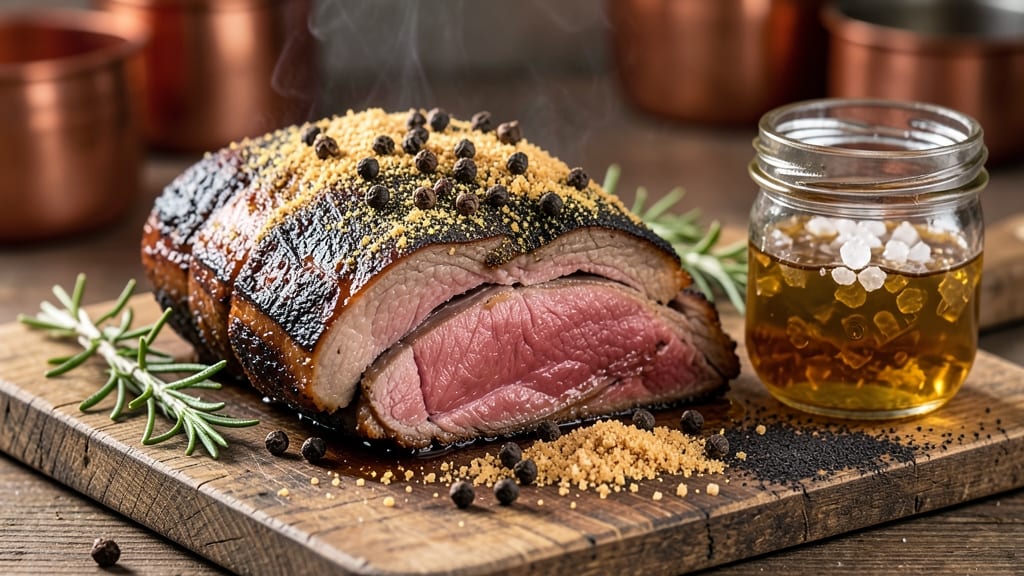
Mastering smoked beef brisket starts with a smoked beef brisket brine recipe that transforms tough cuts into melt-in-your-mouth perfection. I developed this method after years of experimenting with brines—balancing salt, sugar, and spices to create a bark that locks in moisture while developing deep smoky flavor.
The key lies in the 24-hour soak, where the brisket absorbs just enough liquid to stay juicy without turning mushy.
This recipe delivers restaurant-quality results using simple ingredients you likely already have: kosher salt, brown sugar, black pepper, garlic powder, and a splash of apple cider vinegar.
The brine works its magic overnight in your fridge, while the smoking process—low and slow at 225°F with hickory or oak—builds that iconic bark and tender interior. Even beginners can achieve perfect bark and juicy meat with this foolproof technique.
By the time you pull that brisket from the smoker, you'll have a slab of beef so tender it practically falls apart at the touch. The bark will be dark and crusty, while the interior stays moist and rich.
Slice it against the grain for maximum tenderness, and serve with classic BBQ sides like pickled onions, cornbread, and a drizzle of your favorite sauce. This is the kind of brisket that makes people ask for seconds—and thirds.
The beauty of this method is its flexibility: use a traditional smoker, pellet grill, or even your oven with a meat thermometer. The brine works equally well for point cuts or flat cuts, and the same principles apply whether you're cooking for a crowd or just treating yourself.
Let's get smoking!
Ingredients for smoked beef brisket brine
Four pounds of brisket, twelve ingredients, one overnight soak for restaurant-quality smokehouse perfection.
| Ingredient | Amount | Notes |
|---|---|---|
| Kosher Salt 🧂 | 1 ½ cups | Diamond Crystal preferred for clarity |
| Light Brown Sugar 🍚 | ½ cup | Packed, not scooped |
| Black Peppercorns 🌶️ | 2 tbsp | Freshly cracked for intensity |
| Garlic Powder 🧄 | 2 tbsp | Not garlic salt |
| Ground Black Pepper 🌶️ | 1 tbsp | Freshly ground preferred |
| Apple Cider Vinegar 🍎 | ½ cup | Unfiltered for tang |
| Water 💧 | 4 cups | Filtered preferred |
| Smoked Beef Brisket 🥩 | 4 lb | Point or flat cut, trimmed |
| Fresh Garlic Cloves 🧄 | 6 cloves | Smashed for infusion |
| Bay Leaves 🍃 | 2 whole | Dried, for aroma |
| Hickory Wood Chips 🌳 | 1 package | Or oak for milder smoke |
| Yellow Mustard 🍯 | 1 tbsp | Optional for bark adhesion |
The brisket cut matters most—point cuts stay juicier, flat cuts develop better bark. Grab one from Costco or your local butcher shop (they'll trim it for you). Look for good marbling—those little white flecks mean flavor. The kosher salt is non-negotiable: Diamond Crystal dissolves cleaner than Morton. I always double-check the expiration date on spices—old garlic powder ruins everything. For the wood chips, Traeger or Cookshack brands soak up water better than those cheap bags.
No apple cider vinegar? White vinegar or lemon juice works in a pinch, but the tang is key. Freshly cracked peppercorns pack more punch than pre-ground—grind them yourself if you're feeling fancy. Short on bay leaves? Dried thyme at half the amount gives similar depth. The mustard is optional but worth it—it helps the bark stick like glue. For the water, filtered is best (tap water can taste metallic), but boiled and cooled works too. Pro tip: if your brisket is extra lean, add 1/4 cup beef broth to the brine for extra moisture.
This brine keeps in the fridge for up to 2 weeks—just store it in a sealed container. The brisket itself stays fresh for 3-4 days post-smoke if vacuum-sealed. I always make extra brine because it's so versatile: use it for ribs, chicken, or even vegetables. Freeze portions in ice cube trays for later. The wood chips? Store them in a dry place and they'll last 6-12 months. Leftovers? Slice thin, reheat in the oven with a splash of beef broth—better than takeout.
Why You'll Love This Recipe
- Let’s be real: Brisket leftovers usually end up in the trash. Not this one. The brine keeps it moist for days, so I’m shredding it for tacos, slathering it on toast, or tossing it into soups without a second thought. Plus, it’s cheap—just a handful of pantry staples—and stretches one brisket into three meals without breaking the bank.
- Five-Minute Mix: I swear, this brine takes less time than deciding what to watch on Netflix. Just dump the kosher salt, brown sugar, and peppercorns into a bowl, crush them with my palm, then stir in the garlic powder—done. No measuring cups, no fancy tools, just raw, unfiltered flavor waiting to happen.
- Salty-Sweet Magic: That deep, caramelized crust? All thanks to the brown sugar and salt working together while the brisket smokes. The garlic powder lingers like a whisper, and the cracked peppercorns add this just-right bite that makes every bite feel like a reward. Honestly, my brisket goes from "meh" to "holy cow" after this soak.
- Tailgate to Tuesday: Between us, this brine is my go-to for everything—backyard cookouts, game days, or lazy Sundays when I don’t want to fuss. I’ve even used it for pulled pork sandwiches at 3 p.m. on a Monday. The beauty? It turns tough cuts into melt-in-your-mouth perfection, so I’m not stressing about overcooking or dry meat.
Step-by-step instructions for smoked beef brisket brine
Here's how to create a brisket brine that transforms tough meat into melt-in-your-mouth perfection.
Prepare the Brine Mixture
In a large non-reactive container or food-safe bag, combine the 1.5 cups kosher salt, 0.5 cup light brown sugar, 2 tbsp black peppercorns, 2 tbsp garlic powder, and 1 tbsp ground black pepper. This dry blend is the flavor foundation that will penetrate the brisket deeply during the brining process.
Add the 4 cups water and 0.5 cup apple cider vinegar to the dry ingredients. The vinegar helps tenderize the meat while adding a subtle tang that complements the smoky flavor. Stir vigorously until the salt and sugar completely dissolve - you should see no graininess remaining. This ensures even flavor distribution throughout the brisket.
Add the 6 cloves fresh garlic cloves (smashed) and 2 whole bay leaves to the brine mixture. These aromatic ingredients will infuse the meat with their distinctive flavors during the brining process. The bay leaves add subtle earthiness while the garlic provides a bold, aromatic punch that pairs perfectly with beef.
Submerge the Brisket in the Brine
Place the 4 lb smoked beef brisket in a large resealable plastic bag or container that can accommodate the brisket completely submerged. This is crucial for even flavor penetration and moisture retention. If using a bag, remove as much air as possible before sealing to maximize contact between the meat and brine.
Pour the prepared brine mixture over the brisket, ensuring the meat is completely covered. The brisket should float if properly submerged. If it doesn't, gently press it down to ensure full contact with the brine solution. This complete submersion guarantees that every inch of the meat absorbs the flavorful liquid.
Refrigerate the brisket in the brine for 12-24 hours. This extended brining time allows the salt and other flavorings to penetrate deeply into the muscle fibers, breaking them down and creating a tender, juicy result. The longer you brine (up to 24 hours), the more pronounced the flavor will be, but don't exceed this time as it can start to break down the meat structure.
Prepare for Smoking
After brining, remove the brisket from the refrigerator and let it sit at room temperature for 1 hour before smoking. This step is critical for even cooking - cold meat can create uneven temperatures in the smoker. While the brisket comes to room temperature, prepare your smoker using the 1 package hickory wood chips for that classic smoky flavor.
Drain the brisket and pat it dry thoroughly with paper towels. This step is essential for developing that beautiful bark during smoking. The dry surface allows the smoke to adhere properly and creates that coveted crust. Apply a thin layer of 1 tbsp yellow mustard to the surface of the brisket. This optional step helps the rub adhere better and contributes to bark formation.
Apply a dry rub if desired (though the brine already provides substantial flavor). The mustard layer creates a perfect canvas for any additional seasoning you might want to add. Place the brisket fat-side up on the smoker grates and begin the smoking process at 225°F, maintaining this temperature throughout the cook.
Pro Tips For Making Smoked Beef Brisket Brine
- MEASURE SALT LIKE A PRO: Use a kitchen scale for kosher salt—1 tablespoon by volume varies wildly (I went from bland to perfect after switching to 2 ounces per gallon of water). The sugar and spices follow, but salt is the backbone here, and eyeballing it guarantees disappointment.
- CRUSH PEPPERCORNS, DON’T GRIND: Toss whole black peppercorns in a mortar or heavy bag with a rolling pin until they’re cracked but not dust—this releases flavor without turning your brine bitter. (I learned this after my first batch tasted like a pharmacy.)
- BRINE COLD, NOT ROOM TEMP: Fill your container with ice water first, then add the salt-sugar mix and stir until dissolved. The cold slows down the salt’s aggression and keeps the meat from absorbing too much water too fast—your brisket will stay tender, not soggy. (Yes, even if you’re impatient like me.)
- USE A SECOND BRINE FOR FLAVOR: After the initial 12–24 hours, drain the brine and refill the bag with fresh cold water plus a fresh pinch of garlic powder and ground pepper. This second soak (4–6 hours) washes away any bitterness and locks in the seasoning deeper. (Your brisket will thank you later.)
Essential equipment for this recipe
Smoker Essentials
You don't need a fancy setup—just a reliable smoker that maintains 225°F consistently. I swear by my Traeger Pellet Grill for convenience, but a traditional offset smoker or even a Masterbuilt Digital Electric Smoker works perfectly.
The key is temperature stability—fluctuations ruin bark and cooking time. Always invest in a good thermometer: I use Meater for wireless monitoring. 🌡️
Wood Selection Matters
Hickory gives classic smoky depth, but oak offers milder sweetness—great for beginners. Avoid fruitwoods like cherry or apple unless you want fruity undertones. I keep Traeger's Competition Blend on hand for versatility.
Soak chips for 30 minutes before using to prevent flare-ups. Pro tip: Store wood chips in a sealed container to preserve freshness.
Must-Have Tools
A meat probe thermometer (like ThermoWorks Smoke) is non-negotiable—it tells you when the brisket hits 203°F. A wire brush cleans grates between cooks, and a heavy-duty aluminum pan catches drippings.
For bark control, keep butcher paper and aluminum foil handy. I also recommend a meat hook for easy lifting.
Budget-Friendly Swaps
No smoker? Use your oven on low with a water pan and wood chips in a foil packet. A $50 Weber Smokey Mountain charcoal smoker works wonders. For wood, Costco's Kirkland Signature wood chips are a great budget option.
Even a large cast-iron skillet on the stovetop can mimic smoking with indirect heat and wood chips in a foil packet. 💡
Pro Tips for Bark
For that perfect crust, spray the brisket with apple juice or cider vinegar every 30 minutes during the last hour of cooking. The acid helps set the bark. A spray bottle makes this easy.
I also keep a heat-resistant glove handy—brisket bark is hotter than it looks! The mustard layer (from the recipe) acts like glue for your rub, so don't skip it if you're adding extra seasoning.
Nutrition facts
Frequently asked questions
Can I use this brine recipe for other cuts of beef?
This brine works beautifully for chuck roast, short ribs, or even beef ribs. The salt and sugar ratio keeps the meat tender, while the garlic and pepper add great flavor. For tougher cuts like chuck roast, consider brining for 24 hours to maximize tenderness.
How do I know when my brisket is done smoking?
Use a meat thermometer to check the internal temperature. The brisket is done when it reaches 203°F in the thickest part. The bark should be dark and crispy, while the interior will be fork-tender. Let it rest for 1-2 hours before slicing for juicy perfection.
Can I make the brine ahead of time and store it?
Yes! Prepare the brine up to 2 weeks in advance and store it in an airtight container in the fridge. When ready to use, simply add the brisket and let it soak for 12-24 hours. The flavors develop over time, so it’s perfect for meal prep.
What’s the best way to slice brisket after smoking?
Slice against the grain for maximum tenderness—look for the long muscle fibers and cut perpendicular to them. For a 4 lb brisket, aim for 1/4-inch thick slices. Let it rest for 15-20 minutes before slicing to keep the juices inside.
Why did my brisket turn out dry or tough?
Overcooking or skipping the rest time are common culprits. Keep the smoker at 225°F and monitor the internal temp closely. Also, ensure the brisket rests for 1-2 hours before slicing—this lets the juices redistribute. If the bark is too thick, try wrapping it in butcher paper during the last hour of cooking.